REVIEW · NAPLES
Self-Guided Island Tour: CLEAR/Standard Kayak, SUP-Bonita Springs
Book on Viator →Operated by Paddle Naples · Bookable on Viator
Two hours, easy pace, Florida wildlife. That’s the appeal here: you paddle your own route through Estero Bay’s mangrove tunnels, sandbars, and beachy shallows, with a map to follow and gear to keep you comfortable. I like that it’s self-guided, so you can linger at the waterline or power through when you feel like it.
The second reason I’m a fan: the shelling potential is real. You’re not just looking at nature through a window; you’re out on the water where hidden beaches and warm shallows make for a fun, hands-on outing. One thing to consider up front is that timing matters. Low tide and windy days can make some channels too shallow, and the clear-water effect on CLEAR kayaks can be less dramatic than photos suggest.
Setup is friendly and low stress, and the staff go out of their way to help you get moving. Names that came up include Hannah and Karin at check-in, plus Zack helping a group get started. If you’re expecting wall-to-wall dolphins and manatees year-round, plan your expectations—season and conditions affect wildlife sightings.
In This Review
- Key Things That Make This Paddle Tour Worth It
- Paddling Estero Bay From Big Hickory Island: What the 2-Hour Plan Feels Like
- Entering The Water: Meeting at Paddle Naples and Getting Your Bearings Fast
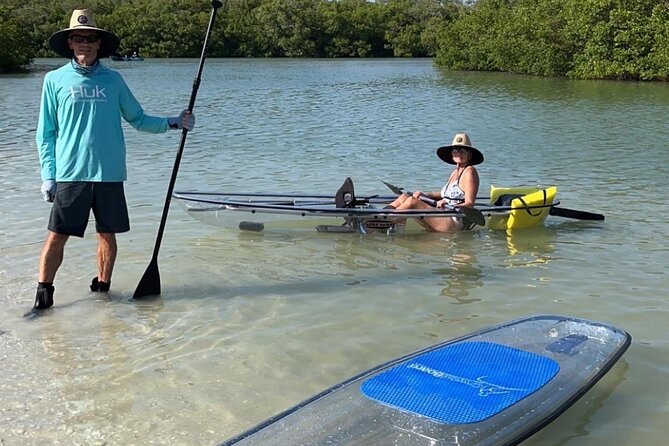
- Choosing Your Craft: CLEAR Kayaks, Standard Kayaks, or SUPs
- CLEAR Kayaks
- Standard Kayaks
- SUPs (Paddleboards)
- Route Highlights: Mangrove Tunnels, Secluded Beaches, and Shelling Stops
- Mangroves: The “Work for the Beauty” Section
- Sandbars and Beach Access
- Wildlife Expectations: Dolphins, Manatees, and the Birds You’ll Likely See
- Manatees: Plan for Summer Luck
- Dolphins: You Might Get a Surprise
- Birds and Reptiles: The Most Consistent “Spotting”
- Family-Friendly Paddling for Kids 3+ (and First-Timer Comfort)
- Comfort and Safety: Tides, Wind, and What to Bring
- Tides and CLEAR Kayak Clarity
- Wind and Open-Water Effort
- What you should pack
- Price and Value: Is $30 Worth Two Hours on the Water?
- Who Should Book This Self-Guided Island Paddle
- Should You Book Paddle Naples’ Self-Guided Island Tour?
- FAQ
- What’s included with the rental?
- How long is the self-guided tour?
- What’s the minimum age for this tour?
- Do CLEAR kayaks have weight limits?
- What should I bring with me?
- What happens if weather is bad or I need to cancel?
Key Things That Make This Paddle Tour Worth It
- Self-guided routes with a marked map let you control the pace instead of following a rigid group schedule
- CLEAR kayak option for a see-through bottom view, with specific weight limits you should check before booking
- Mangrove tunnels and sandbars are the core scenery, with stops that work well for families
- Shell collection on secluded beaches is built into the experience, not an afterthought
- Wildlife is seasonal and situational, so you may see birds more reliably than manatees in cooler months
- Helpful staff at the start can make first-timers feel confident fast (Hannah, Karin, and Zack were specifically mentioned)
Paddling Estero Bay From Big Hickory Island: What the 2-Hour Plan Feels Like
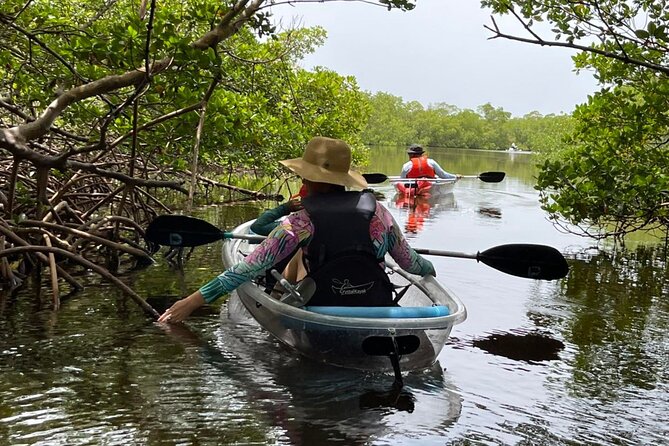
This is a self-guided island outing out of Naples area, starting at Paddle Naples (Big Hickory Island area in Bonita Springs). The whole trip runs about two hours, and that time is long enough to get the mangroves experience, reach a beach/sandbar area, and still paddle back without feeling rushed.
What makes it work is that the route is built around natural “zones” rather than big, exhausting distances. You’ll move from protected water into broader bay areas and then end up at a secluded beach or shelling stretch. Many people find the paddle feels like a gentle workout: enough effort to feel like you did something, but not so much that it wipes out the rest of your day.
If you’re trying to match this to your family’s energy, two hours is also a nice sweet spot. One group described the shorter route as enough time to reach the island area, spend about an hour and change there, and then return.
You can also read our reviews of more tours and experiences in Naples.


Entering The Water: Meeting at Paddle Naples and Getting Your Bearings Fast
You’ll meet at the Paddle Naples location on Big Hickory Island, and the activity ends back where you started. You get a mobile ticket, plus a well-marked map and gear included (PFD and dry box).
Before you head out, staff review the map with you. That matters more than it sounds. In mangrove areas, it’s easy to lose your sense of direction, especially if you stop often for photos, wildlife spotting, or shelling. A few paddlers noted they needed to pull out their phones to check directions when their group was near the end of the day, so you’ll feel safest when you treat the map as your primary guide and keep your phone charged.
Also worth knowing: there aren’t public restrooms at the meeting area. One practical tip from a past experience was that there’s a porta-john down the road, so plan bathroom needs before you unload your craft.
Choosing Your Craft: CLEAR Kayaks, Standard Kayaks, or SUPs
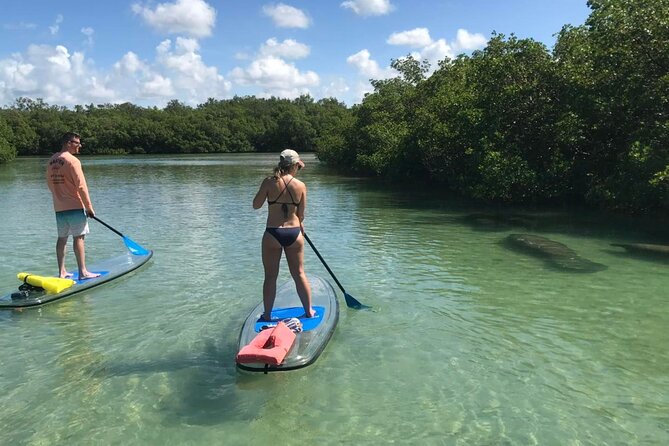
You can rent a paddlecraft in one of three categories: a CLEAR kayak, a standard kayak (single or tandem), or a paddleboard (SUP). All the craft are designed for easy cruising once you’re set up, and if you’re new to paddlesports, the staff will walk you through what you need to know.
Here’s how I’d choose based on what you want to do:
CLEAR Kayaks
CLEAR kayaks are built for visual fun—seeing the bottom as you paddle near shallows where shells and small sea life may show up. But CLEAR kayaks have a tighter weight setup:
- Total passenger weight limit: 400 pounds per boat
- Maximum per seat: 225 pounds per seat
Also, clear-water effects depend on conditions. Low tide can push you into murkier channels, and the clear-bottom view won’t look like marketing photos when the water is stirred up or when tides are moving out. If you really care about the see-through experience, aim for higher tide conditions.
Standard Kayaks
Standard single and tandem kayaks have higher weight limits than CLEAR models and tend to track through the water better. If you’re traveling with extra weight, want more forgiving handling, or care about steady paddling over perfect clarity, standard kayaks are the easier call.





SUPs (Paddleboards)
SUPs can be great for calmer days and for paddlers who are comfortable balancing. There’s also a reality check: wind can make SUPs harder, especially when you’re in more open water. If your group includes less-experienced paddlers or you’re going on a breezy day, it’s worth leaning toward a kayak.
Route Highlights: Mangrove Tunnels, Secluded Beaches, and Shelling Stops
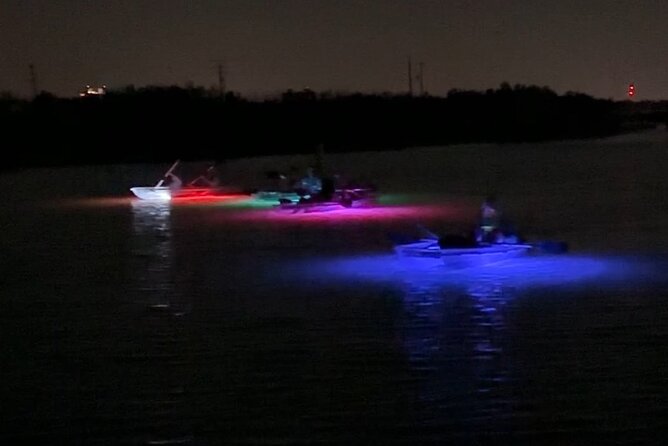
The scenery is the main event. Expect to paddle through mangrove tunnels, then reach a quieter sandbar or beach zone where you can hop out and explore.
Mangroves: The “Work for the Beauty” Section
The mangrove areas are partly about shade and partly about feeling protected. Many people described the mangrove paddle as peaceful, cool, and perfect for taking your time. You may spot wildlife overhead or along the banks—birds often show up in these protected corridors.
One detail to be ready for: there can be tricky navigation obstacles. A past experience noted a big fallen branch near the end of a mangrove tunnel that was hard to navigate. That doesn’t mean you’ll get stuck, but it does mean you should paddle slowly, keep your eyes up, and be ready to steer around natural snags.
Also, you won’t see wayfinding markers tucked into the mangroves. The area is protected, so marking routes isn’t an option. That’s why the map matters—and why you should stay alert even when the paddle feels easy.
Sandbars and Beach Access
The beach part is why a lot of families book. The distance from the mangroves to the beach can be surprisingly short, and in one experience it was described as about a 15-minute paddle to white sand and clearer water. Once you reach the beach/sandbar zone, you can do three classic things:
- walk the shoreline
- collect shells
- rest and swim (when conditions allow)
Shelling is especially fun here because you’re searching a real, untouched-feeling stretch rather than a crowded beach. Some paddlers also enjoyed fish activity near the waterline, which can keep the whole outing moving even when wildlife sightings aren’t nonstop.
Wildlife Expectations: Dolphins, Manatees, and the Birds You’ll Likely See
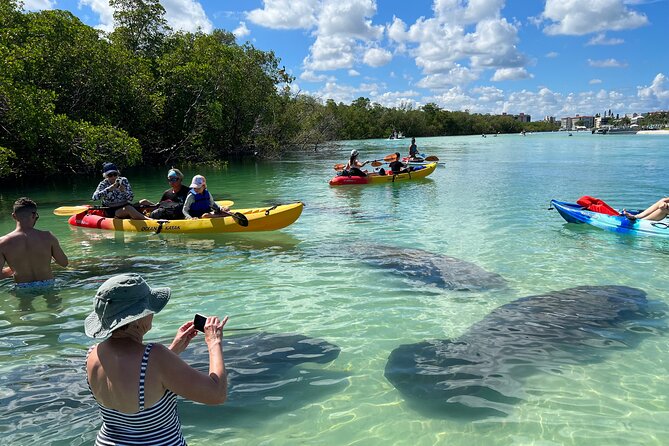
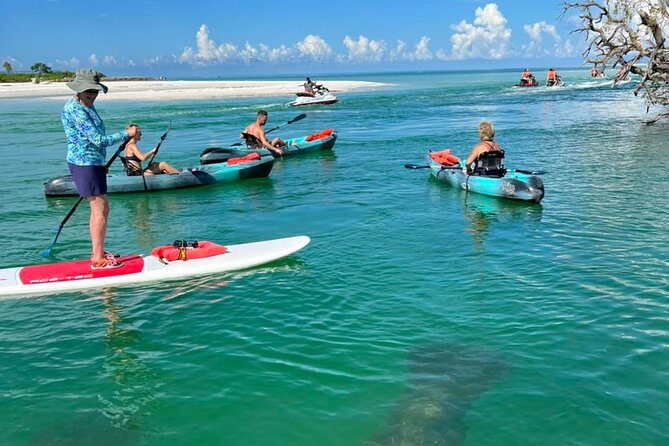
Let’s talk about animals honestly. The tour area is known for marine wildlife, and the route is described as prime habitat in the Estero Bay region—so you may see dolphins and manatees, plus lots of birds.
But sightings follow seasons and water conditions.
Manatees: Plan for Summer Luck
Manatees are typically expected April through September, when the water is warmer. In cooler months, water temps can be a factor, and that lines up with how some people reported no manatee sightings in winter.
Dolphins: You Might Get a Surprise
Dolphins are often mentioned as a possibility, and one group even reported a sighting of two dolphins. On the other hand, it’s still wildlife, not a guaranteed stop, so you should treat it like a bonus.
Birds and Reptiles: The Most Consistent “Spotting”
Birds can be your most reliable win. Past experiences included pelicans, egrets, hawks, and even roseate spoonbills. You might also see other wildlife like an iguana in the trees or a sting ray near the route.
My advice: if your goal is dolphins or manatees, come prepared for the possibility that birds and shoreline wildlife will be your main highlights. You’ll still get value from the scenery, shelling, and mangrove paddle even on a wildlife-light day.
Family-Friendly Paddling for Kids 3+ (and First-Timer Comfort)
This is a genuinely family-friendly outing. The minimum age is 3 years old, and youth-sized PFDs are available. For kids under 50 pounds, parents are advised to bring a quality, fitted PFD.
First-time paddlers often feel like the rental will be hard to manage—but the built-in structure helps. Staff go over the map and get you started, and groups reported that the experience felt easy enough even with a wide age range (including kids as young as 7).
One practical note from real-world use: kids may do best on standard kayaks rather than CLEAR kayaks if balance or visibility is a concern. That’s not a rule, but it came up as a smart adjustment for families.
If you’re traveling with younger kids, plan your day around the beach time. Shelling and a swim break turn the paddle into a full “outing,” not just transportation from point A to point B.
Comfort and Safety: Tides, Wind, and What to Bring
This experience requires good weather. It’s not just about enjoyment—conditions affect where you can safely paddle and how the water looks.
Tides and CLEAR Kayak Clarity
Low tide can change everything:
- Some channels may become too shallow for smooth paddling.
- Sandbars can create stuck points even if you try to paddle in the middle.
- CLEAR kayaks can look cloudy when the water is disturbed, especially during moving-out tides.
If your main goal is the CLEAR-bottom view, prioritize conditions that give you deeper, calmer water.
Wind and Open-Water Effort
Wind can increase effort and make it harder to manage a paddleboard, especially if you end up spending time in more open areas. One disappointment described high winds and how it made returning harder than expected on a SUP. If you know your group struggles with balance or strength, choose the kayak.
What you should pack
The essentials aren’t provided, so pack like a Florida beach day:
- sunscreen and a hat
- sunglasses
- water shoes
- something to drink
Also bring a dry bag if you plan to keep phones and chargers protected. Even if you rely on the map, you don’t want to be stuck checking your phone with low battery.
Price and Value: Is $30 Worth Two Hours on the Water?
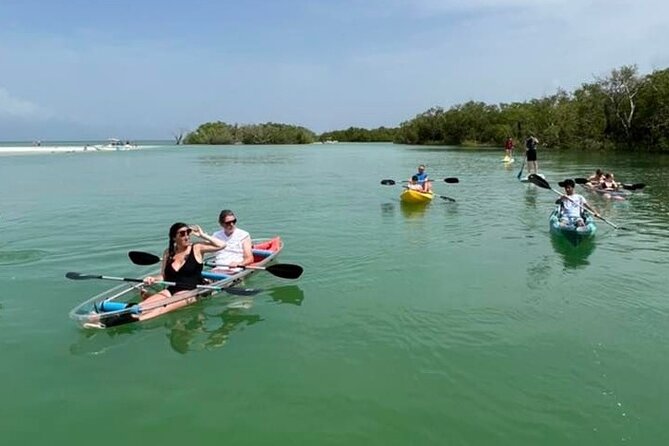
At about $30 per person for roughly two hours, the value comes from what’s included and how it matches your time.
You get the core gear—PFD and dry box—plus a well-marked map and staff help at the start. That turns your paddle from an expensive “equipment rental gamble” into a guided-by-setup experience where you can still call your own pace.
Is it worth it? For most people, yes, because:
- You get a low-commitment nature outing.
- The route has multiple “moods” (mangroves, then beach/sandbar).
- You can tailor effort levels by stopping for shelling or wildlife spotting.
The main “cost” is that you’re not buying animal guarantees. If you’re hoping for manatees or dolphins every time, a cheaper self-guided paddle still may be worth it for the scenery—but you’ll want the right season.
Who Should Book This Self-Guided Island Paddle
This is best for you if:
- you want an outdoor outing with your own pace
- you like shelling and shoreline breaks
- your group includes kids 3+ and you want something active but not intense
- you’re comfortable reading a map and adjusting on the water
It might not be the right fit if:
- everyone in your group is brand-new and you’d prefer a more hands-on route leadership style
- your main trip goal is a guaranteed manatee sighting in cold months
- you’re traveling during windy weather and you’re set on doing SUPs
Should You Book Paddle Naples’ Self-Guided Island Tour?
If you’re looking for an easy Florida water day where the setting does most of the work, I’d book it—especially for families and for anyone who likes nature on their terms. The included PFD, dry box, and marked map make it smoother than a DIY rental, and the mangrove-to-beach route gives you variety in a short window.
Just be smart about expectations: wildlife can be seasonal, CLEAR kayaks work best under the right tide and water clarity, and wind changes how hard the paddleboard feels. If you line up the day well, this is one of those outings that turns into a “we should do that again” vacation memory.
FAQ
What’s included with the rental?
The experience includes a PFD, a dry box, and a well-marked map. You’ll also choose the paddlecraft rental (CLEAR kayak, standard kayak, or SUP) for your self-guided outing.
How long is the self-guided tour?
It’s about two hours. The activity ends back at the meeting point.
What’s the minimum age for this tour?
The minimum age is 3 years old. Youth-sized PFDs are available, and parents are suggested to bring a fitted quality PFD for children under 50 pounds.
Do CLEAR kayaks have weight limits?
Yes. CLEAR kayaks have a 400-pound total passenger weight limit per boat and a 225-pound maximum per seat. Standard kayaks have higher limits than CLEAR.
What should I bring with me?
You’re advised to bring sunscreen, a hat, sunglasses, water shoes, and something to drink.
What happens if weather is bad or I need to cancel?
The experience requires good weather. If it’s canceled due to poor weather, you’ll be offered a different date or a full refund. For cancellations, you can cancel for a full refund up to 24 hours before the experience starts; within 24 hours, refunds aren’t available.