REVIEW · NAPLES
Herculaneum: Skip-the-Line Entry Ticket with Audio Guide
Book on GetYourGuide →Operated by Tempio Travel Sorrento · Bookable on GetYourGuide
Herculaneum hits you in the gut. This one-day skip-the-line entry plus an audio guide lets you move at your pace through a Roman town still showing details from the day Vesuvius erupted in 79 AD. I like that it’s smaller than Pompeii, so you can actually slow down and take in the houses, streets, and art.
What I really liked: the audio guide is built around a map and numbered stops, so you’re not wandering randomly in circles. I also appreciate how many everyday details survive here—well-preserved rooms with wooden elements, paintings/frescoes, and statues that make the past feel immediate.
One catch to plan for: the audio cues and site numbering don’t always match perfectly, which can make orientation a little annoying at first. It’s still an excellent visit, but you’ll want to rely on the map and be patient when the device points you somewhere that feels slightly off.
In This Review
- Key things to know before you go
- Herculaneum in One Day: what makes this Roman site different
- Skip-the-line entry and your audio setup: how to avoid wasted time
- Your self-guided route: market life, fountains, theatre, and temples
- Ancient market and everyday street life
- Public fountains and communal space
- Theatre: built for crowds, preserved for quiet listening
- Temples and depictions of gods
- Villas buried under ash: why Herculaneum’s preservation is the star
- Rich Romans vs. enslaved housing
- Art, statues, and museum objects: what you might not expect to matter
- The most moving moments: skeletons, caves, and the sea rescue hope
- Getting there from Naples: a simple plan that saves stress
- Food and breaks: where to refill without ruining your pace
- Price and value: is $15 worth it?
- Who this audio ticket is best for (and who should rethink it)
- Should you book this Herculaneum audio ticket?
- FAQ
- FAQ
- Where is the meeting point?
- What’s included with the ticket?
- Do I get a live guide with this experience?
- What languages is the audio guide available in?
- How long is the visit?
- What should I bring?
- Can I cancel for free?
- Can I reserve now and pay later?
Key things to know before you go
- Skip-the-line entry helps you get in without the long wait, especially when you arrive earlier.
- The visit is self-guided with an audio guide in English, French, German, Italian, and Spanish.
- You get a map to connect what you hear to where you are.
- Expect cobblestones and some steep steps, so comfy shoes matter.
- The site can feel more intimate than Pompeii, with powerful exhibits related to the eruption.
Herculaneum in One Day: what makes this Roman site different
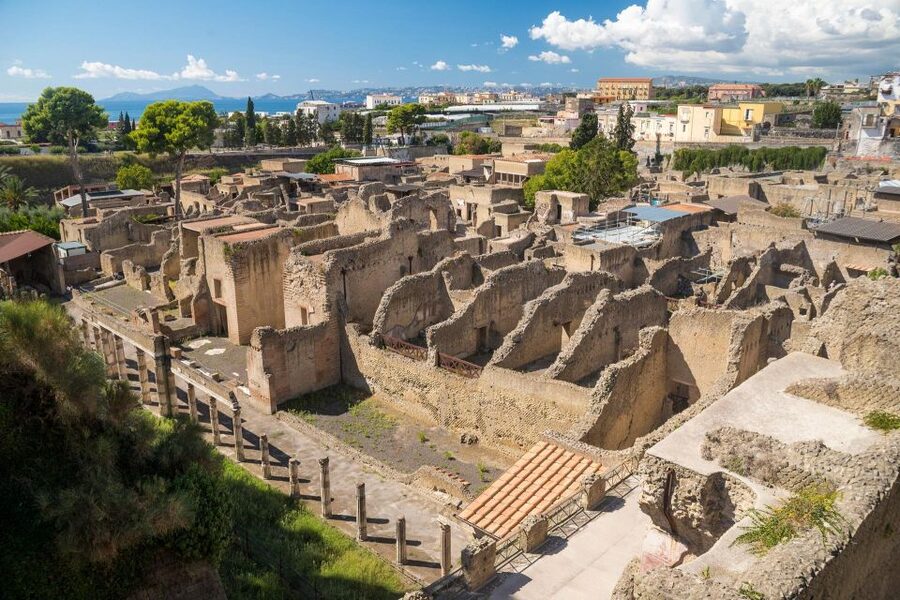
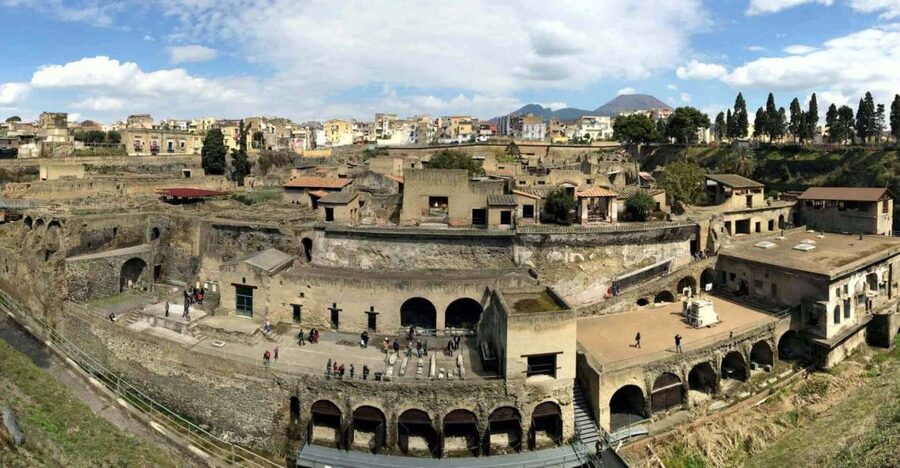
Herculaneum feels like the quieter cousin of Pompeii, but that’s not just a vibe thing—it changes how you experience the ruins. The town is more compact, and what survived is unusually well preserved, so you spend more time noticing details and less time walking between distant zones.
The big storyline is the eruption. You’ll see villas and structures buried under volcanic ash, and you’ll also reach areas tied to the human tragedy. The effect is often more personal than you’d expect from a museum-style site.
At $15 per person and listed as 1 day, this is a strong value if you want a focused Roman ruins day without paying for a full guided tour. You do have to be the navigator, though—which brings us to the practical stuff.
You can also read our reviews of more tours and experiences in Naples.

Skip-the-line entry and your audio setup: how to avoid wasted time
This experience is run through Tempio Travel Sorrento, and you use it at the Herculaneum ticket office. From there, you’ll get your audio guide and map so you can start walking right away.
Here’s the rhythm that helps:
1) Check in at the ticket office.
2) Collect your audio guide and confirm you have the map.
3) Start with the first few stops at a slow pace to get oriented.
A couple of real-world issues show up in customer feedback, and they’re worth taking seriously. Some people report needing to leave passport/ID as security to pick up the audio device. Others say the “skip-the-line” part can be slightly confusing in the moment—like you’re directed to one desk, then back to another—though queues are usually manageable, especially outside peak times.
Also, the audio tool uses numbering cues for points of interest. In a perfect world, you’d hear Stop 12 and see it right away. In reality, some visitors found the numbers on the device didn’t match site signage perfectly. The fix is simple: use the map first, then treat the numbering as a helpful guide rather than a GPS.
Your self-guided route: market life, fountains, theatre, and temples
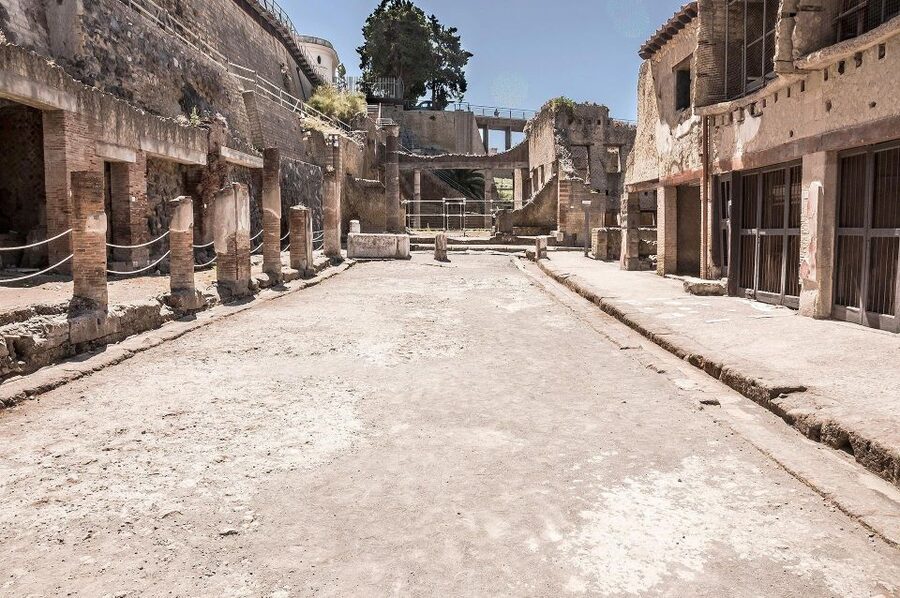
The best part of Herculaneum with an audio guide is that you’re not forced into a rigid tour pace. You can linger in spots that catch your attention, then move on when you feel ready.
Ancient market and everyday street life
As you walk through the area that functions like an ancient market, you get a sense of daily rhythm—trade, foot traffic, and the layout of public space. This section is where the audio guide tends to pay off, because it can connect what you’re seeing to how people actually used the town.
If you like Roman daily life (not just big architecture), you’ll probably spend extra time here. The only “drawback” is that you may move slower than you think, because the site invites pausing.
Public fountains and communal space
You’ll also encounter public fountains. These are the kind of details you might overlook on a quick pass, but with audio you can understand their role in normal routines. It’s one of those moments where you start to feel the town as a living system instead of a pile of ruins.




Theatre: built for crowds, preserved for quiet listening
Herculaneum includes a theatre, and it changes the mood of your walk. Even if you’re not a theatre person, the space is useful for understanding how Roman civic life operated. The audio guide helps here by framing what you see within the broader cultural expectations of the time.
Temples and depictions of gods
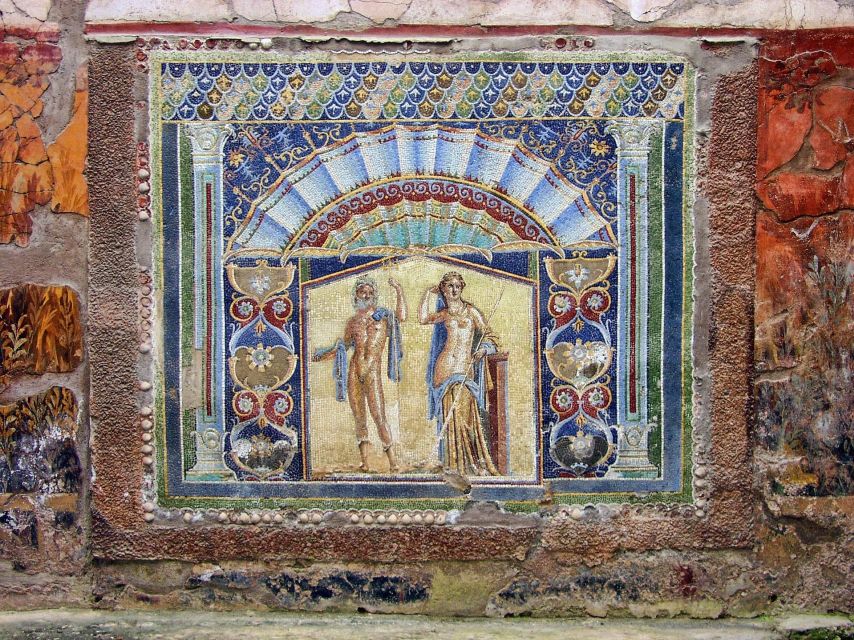
You’ll reach temples and areas with depictions of ancient gods. This is where the audio stops can turn stone details into stories—what the images meant and why they mattered to the people living there.
Plan for a little extra time here because you’ll want to look at the visual details close up. And since the site has cobblestones and some steep steps, moving carefully helps you enjoy the view instead of just surviving it.
Villas buried under ash: why Herculaneum’s preservation is the star
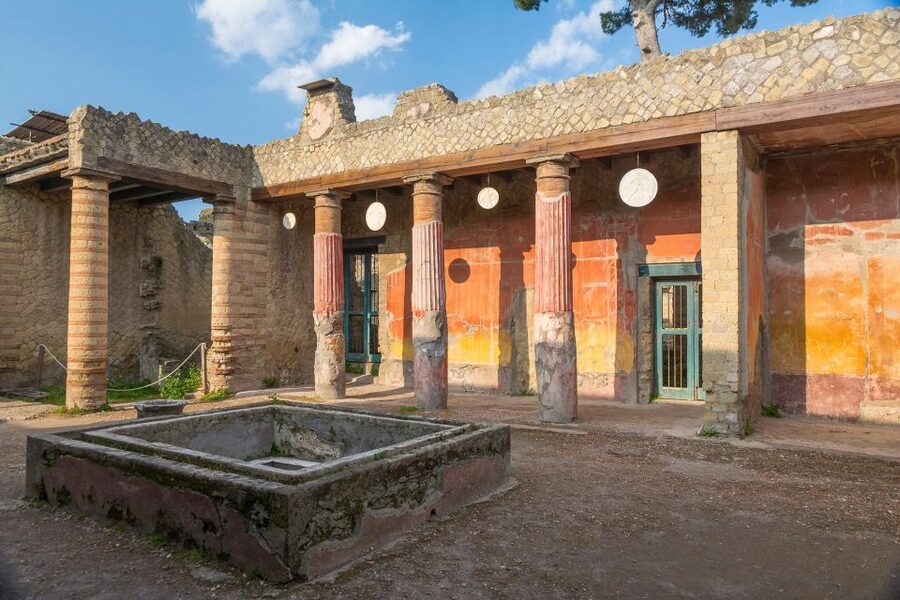
The headline experience is walking through villas buried under volcanic ash from the eruption day in 79 AD. Pompeii is famous, sure—but Herculaneum has a stronger “how could anything survive this?” factor.
What you’ll notice depends on your interests, but common highlights include:
- well-preserved rooms
- surviving wooden doors/wood elements (as described in visitor accounts)
- paintings/frescoes and statues
This is the type of preservation that turns the site from history-as-facts into history-as-textures. You see surfaces, you compare private spaces vs more public areas, and you start understanding how class and daily routines worked.
Rich Romans vs. enslaved housing
One of the most sobering parts of the audio narrative is the comparison between lavish living spaces and how enslaved people were housed. That contrast can feel uncomfortable, but it’s also exactly the sort of grounding that makes this visit more than sightseeing.
When you reach those areas, take a moment before you start listening again—so you can look first, then interpret. It makes the audio feel less like background noise and more like a guide to meaning.
Art, statues, and museum objects: what you might not expect to matter
Herculaneum isn’t only about ruins. There are also museum-style pieces that help fill in the gaps between “what you see on site” and “what it looked like in use.”
People often mention the museum near the exit/entrance for its artifacts and furniture connected to the eruption period. There’s also talk of seeing a boat and an Antiquarian area, which adds another layer beyond the architecture alone.
If you’re the type who loves mosaics, frescoes, and everyday objects, you’ll likely find yourself slowing down near these collections. If you’re not, at least treat the museum time as context. It helps you understand what kind of town you’re standing in.
The most moving moments: skeletons, caves, and the sea rescue hope
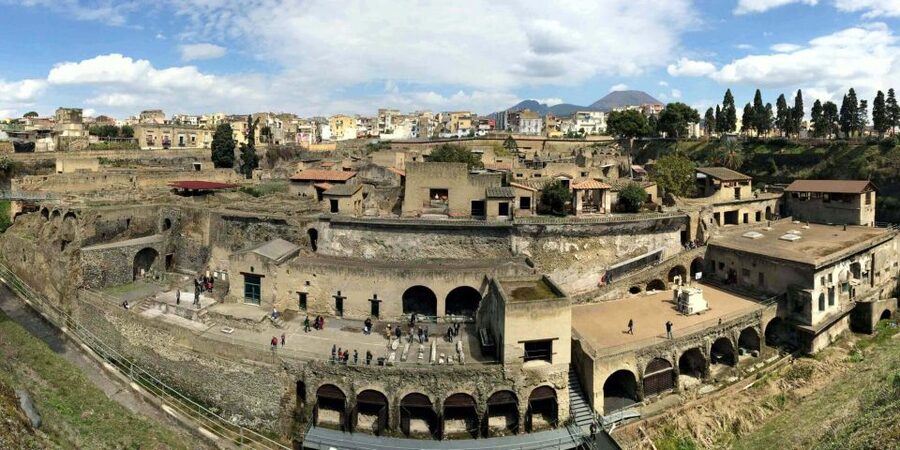
You’ll reach the area where around 300 people perished, tied to hopes of rescue from the sea. This is typically where the mood shifts. Even on a self-guided visit, the audio guide can steer you toward the human story behind the stone.
Some visitors also describe the visit ending with a particularly poignant exhibit in the caves area. Whether you see it late or early depends on how you walk the site, but it’s smart to keep some energy for the last part. If you rush, you’ll miss what makes this section hit hard.
A practical note: these parts of the site often involve uneven ground and steps. Go slow. Sit when you can. Let your feet and your brain catch up.
Getting there from Naples: a simple plan that saves stress
If you’re basing yourself in Naples, you may find it easy to reach Herculaneum by using the rail route followed by a short walk. One visitor noted taking the EAV train from Naples Garibaldi and then a roughly 12-minute walk down from the station.
That kind of route is a big win because it keeps your day simple: you’re not juggling parking, and you avoid the stop-and-go stress of driving around the city. Still, build in buffer time. The site is best when you arrive calm enough to enjoy the first rooms.
Food and breaks: where to refill without ruining your pace
Plan on spending enough time that you’ll want a break. Many people wander around about 3–4 hours when they take their time.
Good news: there are options on/near the site. Visitor notes mention:
- snack and drink options at a café
- a restaurant just opposite the entrance
- places to eat a packed lunch
There can be a weak point, too. One review called the on-site toilets unpleasant, so if that matters to you, consider timing your stops carefully.
Price and value: is $15 worth it?
At $15 per person for a one-day entry with an audio guide and map, this is good value if you want:
- self-paced walking
- hands-on interpretation through audio
- a Roman site that feels more “in scale” for a half-day to day plan
You’re not paying for a live expert with a microphone, so the experience depends on how much you like audio-led touring. If you want total confidence in orientation at every stop, you might consider whether a live guided option is available when you book. Some visitors reported upgrades to a guide (for example, names like Tony and Fabio show up in feedback), and they sounded pleased with how much the human explanation improved the visit.
But if you’re flexible and willing to use the map as your anchor, the audio package is a strong deal.
Who this audio ticket is best for (and who should rethink it)
This is a great fit if you:
- like seeing frescoes/statues and other preserved details
- want a quiet, less crowded feel compared with Pompeii
- enjoy learning as you walk, not sitting in a group
You might want to rethink (or add support) if you:
- get frustrated by imperfect signage or numbering
- prefer a strict route with no navigation gaps
- hate cobblestones and steep steps (the terrain is real)
For families, it can work well if kids can handle the audio device and you plan for slower pauses. For history nerds, it’s a strong choice because you’ll get narrative depth without paying for a full private tour.
Should you book this Herculaneum audio ticket?
I’d book it if you want a high-impact Roman ruins day without the stress of a long group tour. The preservation here is the main reason, and the audio guide is how you turn that preservation into stories—markets, fountains, the theatre, temples, and the human tragedy tied to the eruption.
If you do book, go in with the right expectations: use the map, be ready for possible mismatches between audio cues and on-site numbering, and don’t schedule a super tight plan right after your visit. Give yourself time for the parts that feel most moving.
One last tip: arrive earlier in the day if you can. People noted shorter queues and a calmer start when they went early, and that makes the whole experience better.
FAQ
FAQ
Where is the meeting point?
Show your ticket at the Herculaneum ticket office.
What’s included with the ticket?
The package includes Herculaneum entry, an audio guide, and a map.
Do I get a live guide with this experience?
No. A guide is not included.
What languages is the audio guide available in?
The audio guide is available in English, French, German, Italian, and Spanish.
How long is the visit?
It’s listed as 1 day. Check availability to see starting times.
What should I bring?
Bring a passport or ID card and wear comfortable shoes.
Can I cancel for free?
Yes, you can cancel up to 24 hours in advance for a full refund.
Can I reserve now and pay later?
Yes. There’s a reserve now & pay later option so you can book and pay nothing today.