REVIEW · NASHVILLE
Country Music Hall of Fame Admission with Audio Guide
Book on Viator →Operated by Country Music Hall of Fame & Museum · Bookable on Viator
A country-music time machine in Nashville. This Country Music Hall of Fame admission ticket lets you move through the museum at your own speed with an audio guide in five languages. I love how it turns a big, popular attraction into a plan you can follow calmly.
The exhibits cover classic and newer eras with artifacts, videos, and hands-on moments, so you get more than a wall of names. My main caution: the audio device experience can feel a bit fiddly at some stops, and the galleries can get busy enough to make slower reading a challenge.
In This Review
- Key Highlights at a Glance
- Entering The Hall: How This Ticket Works in Real Life
- Why the audio guide matters more than you think
- What You’ll Actually See Inside: Timeline, Media, and Memorabilia
- The opening story and video moments
- Icon displays: cars, costumes, and instruments
- Artist zones you’ll notice fast
- The “reads behind glass” reality check
- Audio Guide Tips: Getting Better Listening Without Losing Your Pace
- Plan to use it early, not later
- If the audio feels hard to hear
- How Long You Should Plan: 2–3 Hours Is a Starting Point
- A smart timing strategy
- Exhibits and Flow: What Feels Easy vs What Takes Patience
- Where the experience feels smooth
- Where you may get slowed down
- Money and Value: Is $36.95 Worth It?
- Why it can feel worth it
- When it might feel pricey
- Getting There: Public Transport, Parking, and a Cost-Smart Plan
- A good arrival habit
- Best Ways to Pair It With a Nashville Day
- Quick food rhythm that works
- Who Should Book This Admission (and Who Might Skip It)
- If you might not love it
- Should You Book This Country Music Hall of Fame Ticket?
- FAQ
- How long does the Country Music Hall of Fame visit take?
- What languages are available for the audio guide?
- What are the opening hours?
- Is this admission self-guided?
- Can I cancel and get a full refund?
- Who can participate in this experience?
Key Highlights at a Glance
- Audio guide in 5 languages (English, French, Spanish, German, Japanese) for a smoother visit
- Self-paced museum time so you can linger where your curiosity pulls you
- Timeline-style exhibits that connect early country roots to more recent stars
- Plenty of media: films, videos, and interactive elements keep it from feeling like a library
- Expect crowds at peak times, especially if you want to read every label
Entering The Hall: How This Ticket Works in Real Life
This is one of those tickets that’s simpler than it sounds: you show up with your admission, grab your entry, and then experience the museum on your own schedule. The big value is that the audio guide is included and available in five languages, so you’re not stuck figuring things out through your phone speaker or reading everything at arm’s length.
The museum’s setup supports a relaxed flow. Instead of a strict group tour that moves you along, you can pause for the car displays, rewind for the artist stories, and stop when something sparks a question. Reviews consistently point out that having the audio guide helps you catch details you might miss otherwise. And if you’re with kids, or you just don’t want to race, this format is a good match.
You can also read our reviews of more tours and experiences in Nashville.

Why the audio guide matters more than you think
A museum like this isn’t just about big names. It’s about context: how the sound changed, how artists influenced each other, and how technology and culture shaped the genre. With the audio guide, you’re more likely to understand what you’re seeing, not just admire it.
Also, multiple language options mean you can keep your group together even if your crew isn’t all English-first. That’s a practical advantage, not a nice-to-have.
What You’ll Actually See Inside: Timeline, Media, and Memorabilia
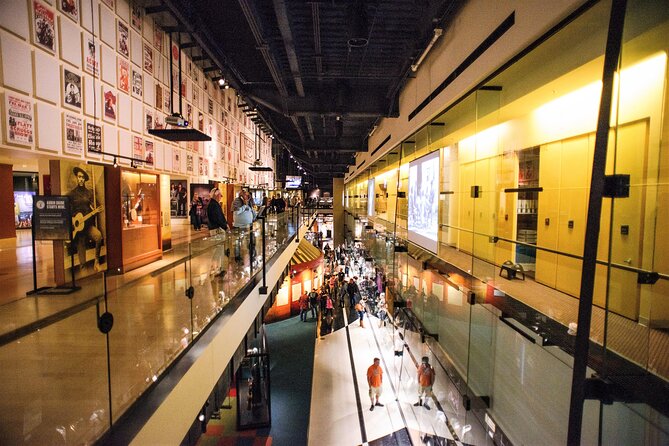
When people say “well done,” they usually mean the same thing: the layout keeps you moving while still letting you choose what to focus on. In this museum, you get a timeline feel, plus lots of supporting media.
Here’s the kind of experience you can expect as you make your way through:
The opening story and video moments
Many visitors mention a strong video presentation early on. If you’re the type who likes a quick roadmap before going room to room, plan to spend a few extra minutes right at the start. It helps later sections click, especially if you know country music mainly through a few modern hits.
Even if you’re not a hardcore fan, this kind of introduction gives you the “why” behind the “who.”
Icon displays: cars, costumes, and instruments
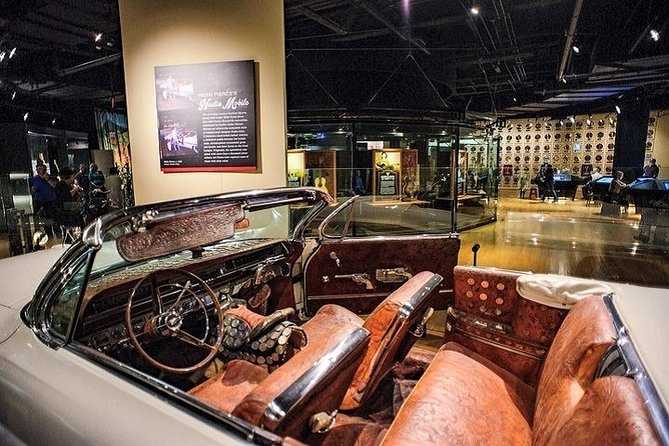
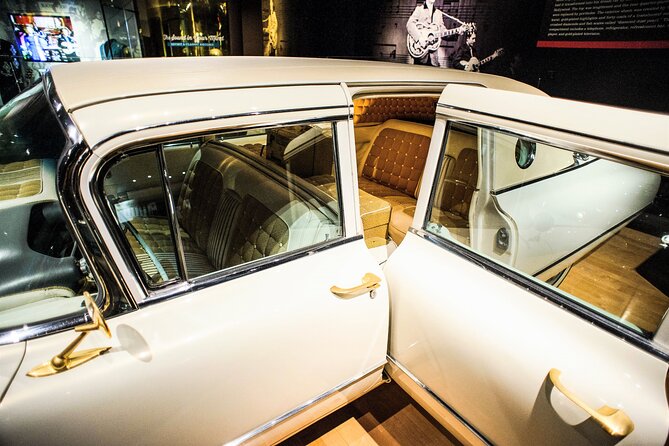
One of the most memorable categories is the display of iconic items. Reviews highlight Elvis’ Cadillac as a standout, along with other memorabilia tied to major artists. You’ll also see costumes and instruments, and the museum does a good job of showing that country isn’t just songs. It’s gear, style, and stage identity.
For me, the key takeaway is that these artifacts aren’t random trophies. They’re used to explain how performers shaped their public image and how the genre evolved.
Artist zones you’ll notice fast
Some areas are especially popular, and certain names come up over and over. Visitors specifically call out sections tied to Dolly Parton and Taylor Swift as bonus areas. If those artists are on your personal must-see list, put them on your mental checklist early so you don’t run out of time near the end.
The “reads behind glass” reality check
This museum includes plenty of text-based items like handwritten letters. That’s fascinating, but it comes with a practical downside: some displays sit behind glass and the handwriting can be hard to make out. If you hate squinting, you’ll still enjoy the big visuals, films, and audio moments. Just don’t plan on every single artifact being perfectly legible from across the room.
Audio Guide Tips: Getting Better Listening Without Losing Your Pace

The audio guide is the included star of the show, but it’s not magic. The device experience can vary depending on the spot and how crowded it is.
Plan to use it early, not later
If you wait too long to put on the audio, you’ll end up doing “catch-up listening” while you’re trying to see everything else. I suggest you start using it right away so the audio can steer you as you go.
One tip that shows up clearly in the feedback: using the handheld audio devices improves the experience because each display has added context.
If the audio feels hard to hear
A few visitors report the audio setup can be difficult to follow in certain areas. If you notice it getting unclear, do two things:
- move a step or two to get closer to the exhibit’s audio cues
- pause and let the room quiet down if it’s crowded
You’re not doing anything wrong. Museums often have background noise, and handheld volume plus crowd chatter can fight you.
How Long You Should Plan: 2–3 Hours Is a Starting Point
The typical visit is about 2 to 3 hours, but the museum’s size and your interest level can stretch or shrink that.
Here’s the realistic range:
- If you read lightly and focus on major highlights, you might manage around 1.5 hours.
- If you watch the media, linger for more artifacts, and use the audio guide throughout, plan closer to 3 hours.
- If you’re the take-everything-in type, you could go toward 4 hours.
Crowds also influence time. If the galleries are busy, you might spend longer waiting your turn to get a clear look at popular displays.
A smart timing strategy
Go earlier in the day if you can. More time early usually means you can slow down without constantly threading through other people. And if you’re the kind of visitor who wants to read every label, start sooner so you don’t feel rushed by closing time.
Exhibits and Flow: What Feels Easy vs What Takes Patience
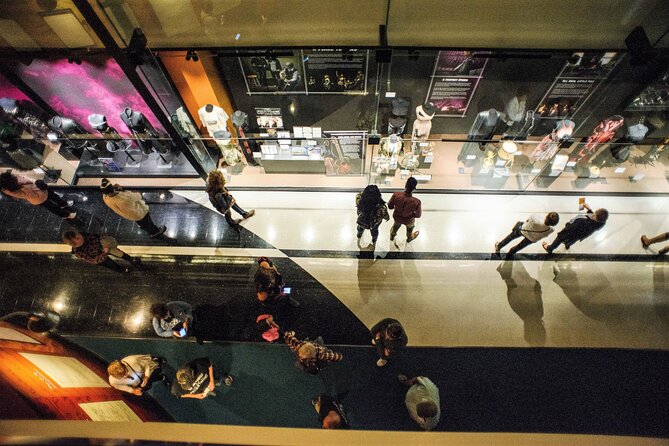
This museum is designed to guide you through, but it still requires personal strategy.
Where the experience feels smooth
The layout gets praised for being organized and varied. Many visitors highlight the mix of personal artist stories and professional context, plus the interactive elements and movie clips. That combo helps a lot if you’re not sure what you’ll feel like doing that day.
Also, the staff experience seems consistently positive. When people ask questions, they report getting friendly, supportive help.
Where you may get slowed down
Two things can slow you down:
- Crowding makes it harder to stop and absorb text-based exhibits
- Some parts of the museum can feel confusing to navigate, especially if you’re hunting for stairs or an elevator
If you have mobility needs, don’t assume you’ll find shortcuts instantly. Ask staff where to go before you commit to a route.
Money and Value: Is $36.95 Worth It?
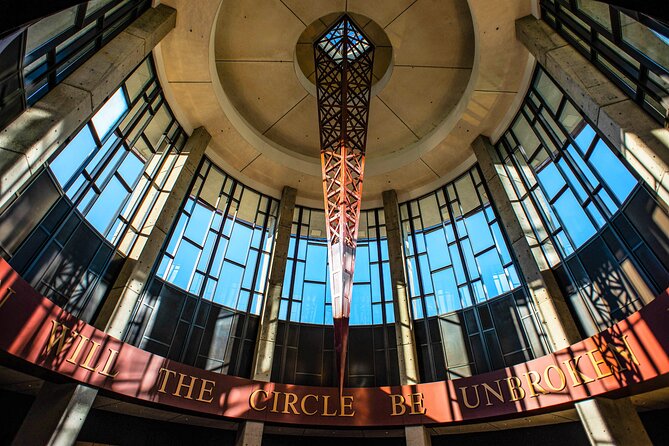
At $36.95 per person, this ticket isn’t a cheap add-on. So here’s the value logic I’d use to decide.
Why it can feel worth it
- The audio guide is included, and it’s available in five languages. That saves money and hassle versus renting extra equipment or relying on phone audio.
- The museum experience is built for a longer visit. If you genuinely take in the audio and media, you’re buying time, not just entry.
- The museum covers multiple eras, including both older classics and more recent artists. That broad sweep matters if you’re traveling with mixed music tastes.
When it might feel pricey
If you’re the kind of visitor who hates reading labels, skips media, and only wants a quick glance, you might not fully use what you paid for. In that case, consider whether you’d enjoy a museum-style experience that mixes artifacts behind glass with contextual audio.
A practical compromise: commit to using the audio guide at least in your must-see areas, not necessarily every minute of your visit. That way, you still get the value.
Getting There: Public Transport, Parking, and a Cost-Smart Plan
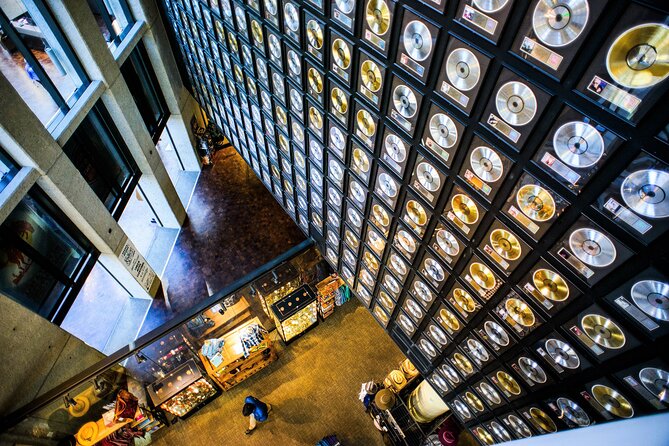
The museum is near public transportation, which is a big win in Nashville. If you don’t want to wrestle with parking, this is the simplest option.
Parking can also be expensive. One visitor notes that other lots charge high hourly rates, and suggests checking nearby retail parking options like Publix parking. Treat that as a tip to verify on the day, but the point is clear: it’s worth thinking about parking cost ahead of time. If you’re trying to keep the day’s budget sane, ride-share like Uber or Lyft can be cheaper than pricey lots for short museum visits.
A good arrival habit
Arrive with enough time to settle in and start listening right away. If you rush through the front part, you lose the payoff of the introductory media that helps the rest of the museum click.
Best Ways to Pair It With a Nashville Day
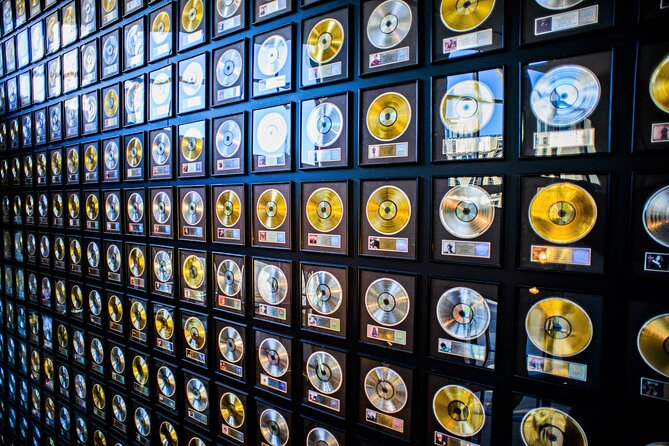
The museum sits in a lively area, so it’s easy to build a full day around it. One practical idea from the area: if you’re also heading toward the Grand Ole Opry zone, consider reserving a meal nearby. A visitor specifically recommends the Aquarium restaurant across from the Opry and says reservations help.
Even if you don’t do the Opry, the museum is a strong anchor. It gives you a real Nashville-themed activity that works for couples, families, and music-history fans.
Quick food rhythm that works
If you’re doing a longer visit, check whether the museum’s small cafe fits your pace. Some visitors mention it as convenient and reasonably priced, which matters when you don’t want to lose time going elsewhere.
Who Should Book This Admission (and Who Might Skip It)
This works best if you like:
- country music history
- artifacts and stories behind famous performers
- audio-guided museum time
- a self-paced format that lets you choose your speed
It’s also a solid choice for families, especially if you want a structured activity that doesn’t depend on fancy tech from your kids. Even visitors who are not lifelong country fans often still find value because the museum covers storytelling, style, and evolution across decades.
If you might not love it
If you only want live music, or you dislike museums with a lot of reading and items behind glass, you might feel underwhelmed. This is very much a museum experience, even though it uses videos and interactive elements to keep things lively.
Should You Book This Country Music Hall of Fame Ticket?
I’d book it if you want a high-quality, self-paced Nashville activity with audio guidance included and multiple language options. At $36.95, the price makes sense when you plan to actually use the audio and spend real time inside.
Book it especially if:
- you’re traveling with mixed language needs
- your group loves music history and memorable artifacts
- you want an experience that doesn’t force you into a rigid schedule
Skip it or reconsider if:
- you’re only in Nashville for one short stop and won’t use the audio or media much
- you strongly dislike reading details behind glass and prefer performances over museum-style storytelling
If you land in the middle, do what works for most people: arrive earlier, plan for about 3 hours, and commit to using the audio guide where you care most.
FAQ
How long does the Country Music Hall of Fame visit take?
It’s approximately 2 to 3 hours.
What languages are available for the audio guide?
The audio guide is available in English, French, Spanish, German, and Japanese.
What are the opening hours?
The museum is open daily from 9:00 AM to 5:00 PM in both 2025 and 2026.
Is this admission self-guided?
Yes. The ticket lets you explore the hall and museum at your own pace, with an included audio guide.
Can I cancel and get a full refund?
Free cancellation is available. You can cancel up to 24 hours in advance for a full refund. If you cancel less than 24 hours before the start time, the amount paid is not refunded.
Who can participate in this experience?
Most travelers can participate, and the ticket is suitable for a wide range of visitors.