REVIEW · NAPLES
Naples: National Archaeological Museum Tour & Digital Guide
Book on GetYourGuide →Operated by inStazione · Bookable on GetYourGuide
Your phone becomes your museum compass. This Naples tour pairs priority entrance with a smart digital guide so you can move at your pace inside the National Archaeological Museum. I especially like how the experience is set up for autonomy, and I love the chance to focus on major collections like the Farnese masterpieces and the finds from Herculaneum and Pompeii. One thing to watch: the whole visit depends on you having the app downloaded and working before you start, since Wi-Fi and coverage are not reliable.
The museum itself is imposing in the best way, with rooms that make you slow down without anyone herding you along. You’ll get a one-day pass to work through sections that range from classical sculptures to frescoes and mosaics, plus an Egyptian area and special stops like the Secret Cabinet. The main drawback for some people: if your download or login code doesn’t go smoothly, you may feel stuck—so a little prep saves a lot of time.
In This Review
- Key highlights worth planning for
- Why the Naples National Archaeological Museum is a one-day “must”
- Priority entrance and the phone guide: the real value
- Plan to go offline
- How the visit flows once you’re inside
- Farnese Collection rooms: royal treasures in sculpture form
- Pompeii and Herculaneum finds: frescoes, mosaics, and real life
- Egyptian Section and temporary exhibitions: a change of pace
- The Secret Cabinet: erotic artifacts, historical context
- Views and the temple panorama moment
- What you should bring (and what can slow you down)
- If your app download doesn’t cooperate
- Value for money: is $40 a good deal for a major museum day?
- Who this tour suits best
- Final call: should you book this Naples MANN digital guide tour?
- FAQ
- How long is the Naples National Archaeological Museum tour?
- What is the price per person?
- What’s included with the tour ticket?
- Do I need to bring earphones?
- Will I have Wi-Fi inside the museum?
- Who do I bring—passport or ID?
- Is this tour wheelchair accessible?
- Are pets allowed?
Key highlights worth planning for
- Priority entrance to get you into MANN without unnecessary waiting
- Offline-style audio access on your phone, which matters because Wi-Fi isn’t dependable
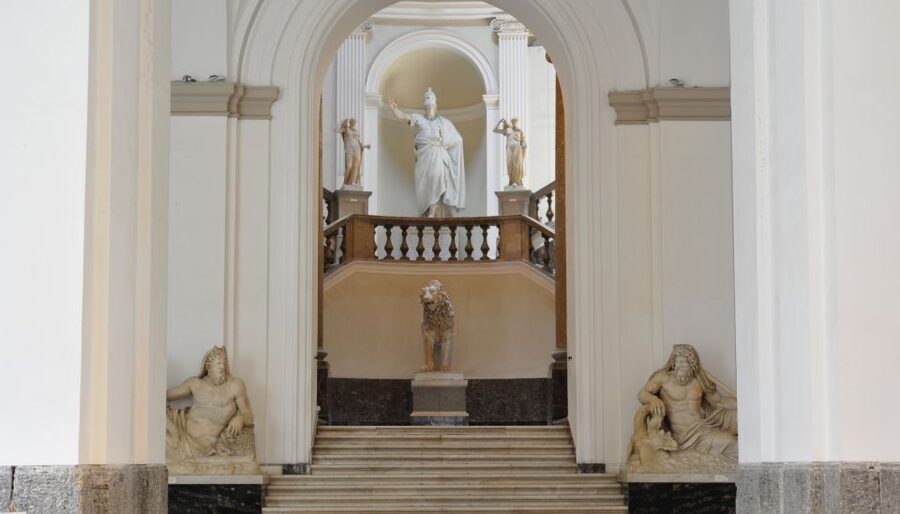
- Farnese Collection rooms with standout inherited treasures and sculpture groups
- Pompeii and Herculaneum finds like frescoes, mosaics, statues, and everyday objects
- Egyptian Section and temporary exhibitions that change across the year
- Panoramic valley views framed by the temples of Concordia, Juno, and Zeus
Why the Naples National Archaeological Museum is a one-day “must”
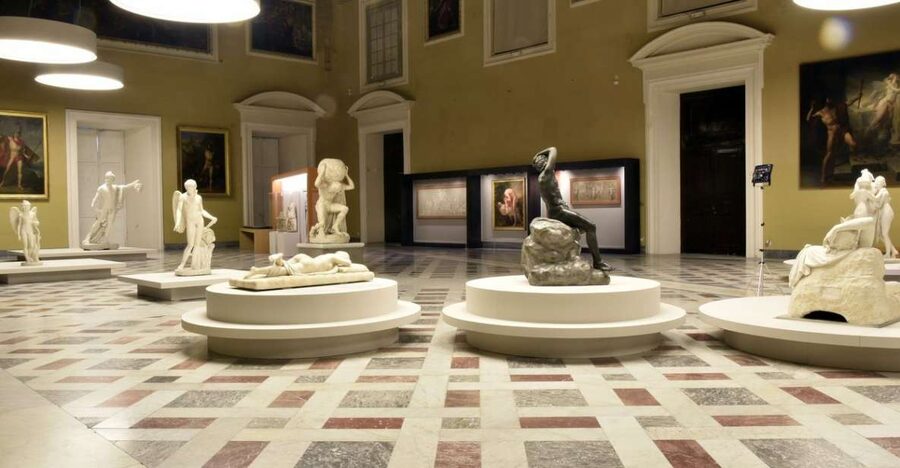
If you only have a limited window in Naples, MANN is one of the smartest ways to spend it. The museum is known for being both important on a world scale and practical for visitors: you can pick up the big threads fast, then go deeper in whichever rooms you care about most.
What makes this tour setup work well is the balance between structure and freedom. You get entrance and a guided audio experience that’s designed to keep you oriented, but you’re not locked into a rigid route. You’ll still want a plan, because the museum has a lot to see—but you won’t feel like you’re doing it blind.
Also: MANN isn’t just about statues on pedestals. You get a wider mix—everyday objects, wall paintings, mosaics, and even the museum’s Egyptian side. That range helps you build a more complete picture of antiquity rather than treating it like a single style or single timeline.
And yes, you’ll get that moment when the museum gives you views that make the ancient world feel close. The highlights specifically call out panoramic sights of the valley and the temples of Concordia, Juno, and Zeus. Even if you’re not a temple-spotter, it’s the kind of visual break that makes the rest of the visit easier to digest.
You can also read our reviews of more tours and experiences in Naples.


Priority entrance and the phone guide: the real value
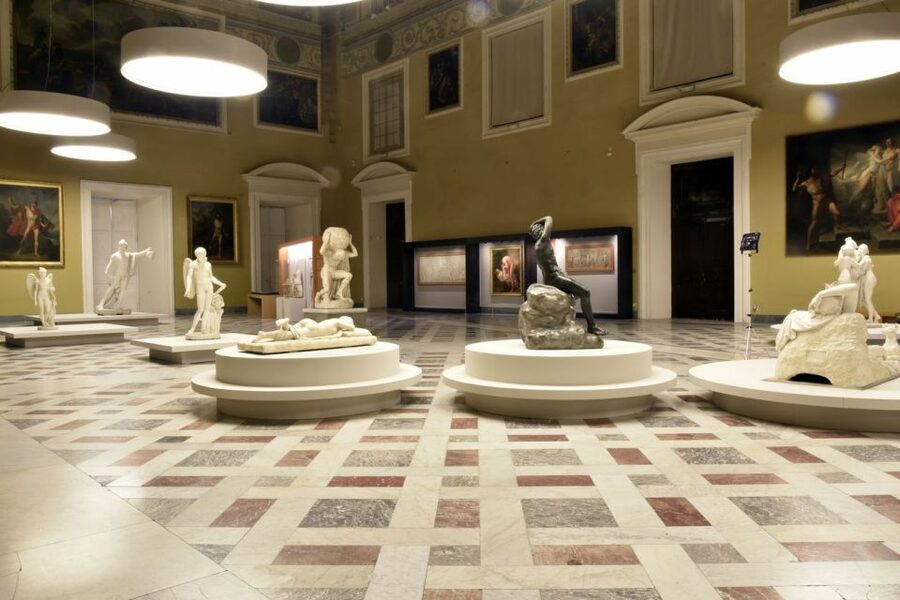
This tour’s main “product” isn’t a human lecture—it’s access plus a digital audio guide that you download straight to your phone. That’s a big deal because it changes the feel of a museum day. Instead of trying to track labels, you get your attention pulled from object to object by an audio flow.
Here’s what’s included:
- Entrance ticket
- Smartphone digital guide downloaded to your mobile phone
What isn’t included:
- Earphones and guide
That means you should show up ready to listen. Bring your own earbuds. Also, treat your smartphone like part of your day, not like an accessory. The experience asks you to have a charged phone and your passport or ID.
Plan to go offline
MANN and the surrounding museum areas don’t offer free Wi‑Fi, and mobile coverage isn’t always reliable. So you don’t want to rely on streaming audio. The instructions are clear: download the contents of the audio guide before you arrive.
I’d also recommend you do two things the evening before:
- Make sure the app/audio files are fully downloaded.
- Do a quick test play on your headphones so you know it works.
This is where the one notable caution from real-world use comes in: one booking report described getting the reservation email but not receiving usable ticket content, and another described missing the login code needed for the app. I can’t fix those issues from here, but you can reduce your odds of getting stuck by double-checking the email details you receive the day before, then downloading everything immediately after.
How the visit flows once you’re inside
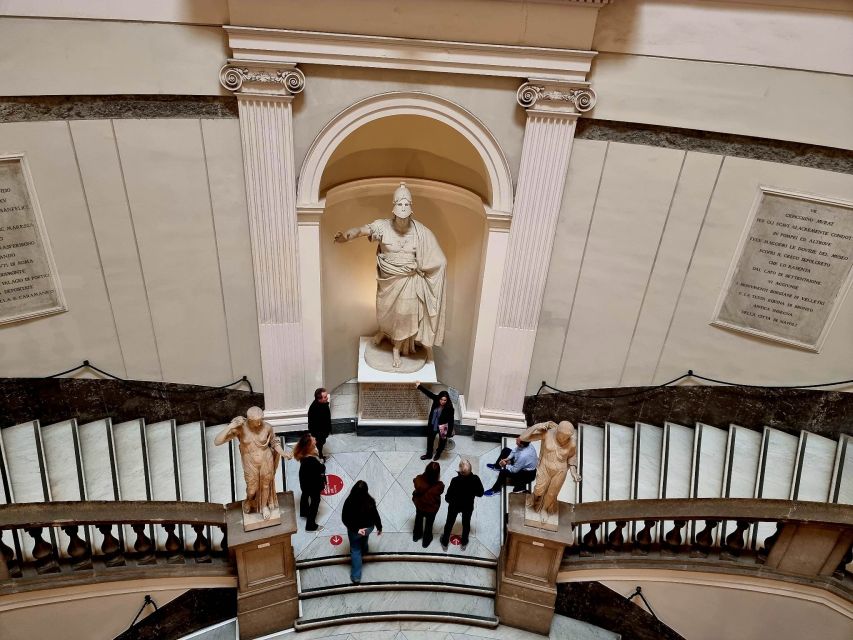
This is a 1-day experience. In practice, that means you should think in “chunks.” MANN is big, and you’ll get the most out of it if you group your attention by collection and room theme.
The tour gives you full autonomy. You’ll move through the museum at your own pace while the audio guide leads you through major works and key sections. That’s perfect if you like to linger with objects that catch your eye, or if your energy swings—one room can be fast, the next can be slow.
A good way to structure your time is:
- Start with the core classical highlights (Farnese collection first).
- Then switch to the storytelling side (Pompeii and Herculaneum objects and wall art).
- Add the Egypt section once you’ve built context for ancient daily life.
- Finish with the Secret Cabinet if you want the museum’s more unusual, historically frank side.
If you like order, you can follow that rhythm almost like a mini-course. If you prefer freedom, your audio guide can help you pivot without losing the thread.
Farnese Collection rooms: royal treasures in sculpture form
One of the best reasons to come to MANN is the Farnese Collection. This tour specifically highlights the group of masterpieces inherited by the Bourbons from the Farnese collection. That phrase matters because it hints at something you’ll feel in the rooms: these aren’t just random artifacts. They’re part of a collecting history that shaped what later generations saw as the greatest works of antiquity.
When you enter these galleries, you’ll likely feel the classic museum rhythm: labels, scale, and the way sculpture groups fill space. Even if you’re not a sculpture expert, you can still notice the design choices—poses, expressions, the sense of narrative between figures. The audio guide is meant to help you connect what you’re seeing with why it was valued.
What I like about doing Farnese early is mental momentum. After you’ve seen how these works were collected, commissioned, and admired, it becomes easier to appreciate what comes next: the different material world revealed by Pompeii and Herculaneum—frescoes, mosaics, and everyday items that can feel more intimate than grand statuary.




Pompeii and Herculaneum finds: frescoes, mosaics, and real life
If Farnese sets the stage, the finds from Herculaneum and Pompeii bring it to life. The tour highlights major categories you should actively look for:
- Splendid frescoes and mosaics
- Statues
- Precious and everyday objects
This is the part that often changes how people think about the ancient world. You’re no longer just seeing kings and gods as marble concepts. You’re seeing pieces of daily existence—things that suggest what people ate, used, wore, and decorated their homes with.
With a digital guide, you can slow down for wall paintings and mosaic scenes instead of rushing past them. That matters because frescoes and mosaics reward close attention. If you treat them like background decoration, you’ll miss the way details build the whole picture.
Practical tip: don’t feel pressure to see everything in every room. Pick a few works in each area that the audio guide points out, then spend a little time reading the label text. The goal isn’t to become an expert by lunchtime. It’s to leave with a sense of how Pompeii and Herculaneum preserve not just objects, but habits and taste.
Egyptian Section and temporary exhibitions: a change of pace
Another highlight is the Egyptian Section, plus the fact that there are many temporary exhibitions scheduled throughout the year. That matters for planning because it means you can’t predict the exact temporary content, but you can plan how you want to approach it.
I like using the Egyptian section as a breathing point. After Roman-era walls, sculptures, and mosaics, Egypt gives you a different visual language—different symbols, different patterns, and a new set of ideas about belief and afterlife.
How to get value here: don’t try to “finish Egypt.” Instead, treat it like a focused stop. Let the audio guide help you pick the most important pieces, then walk away knowing you saw the main thread.
Temporary exhibitions are a wildcard in the best way. If you enjoy variety, plan a portion of your day for them. If you’re more focused, you can ignore them and still walk out feeling like you got a full MANN experience.
The Secret Cabinet: erotic artifacts, historical context
One of the most talked-about components of MANN is the Secret Cabinet. This tour notes that it welcomes the so-called obscene finds—evidence of ancient customs, including eroticism.
I’ll be direct about the practical side: if content like this makes you uncomfortable, know that it exists as part of the museum’s programming. Going in with awareness helps you decide how much time to spend there, or whether to skip it.
If you do choose to go in, think of it as historical anthropology, not shock value. The tour framing is about understanding ancient behavior and cultural norms, not browsing for entertainment. The audio guide can help you interpret what you’re seeing without leaving you to guess.
Views and the temple panorama moment
The highlights mention taking in stunning panoramic views of the valley and its ancient temples, specifically Concordia, Juno, and Zeus. That’s a nice reminder that even indoors, MANN is connected to the broader story of Campania’s archaeological landscape.
I find it useful to treat this as a “reset” point. After you’ve stared at small details and textures, stepping into a view moment helps you zoom out mentally. You’re not only learning about objects; you’re seeing how the region’s history connects to a wider ancient world.
When that view opportunity comes up for you, slow down. Don’t just grab a photo and move on. Look, then match what you saw in the museum to the idea of place.
What you should bring (and what can slow you down)
This experience is simple on paper, but small prep steps can make a big difference.
Bring:
- Passport or ID card
- A charged smartphone
Don’t count on:
- Free Wi‑Fi (none in the museum areas)
- Reliable mobile coverage
- A supplied audio device (the audio guide is smartphone-based)
- Earphones (you’ll need your own)
And quick sanity check: the tour is non-refundable, so only book when your schedule is firm.
If your app download doesn’t cooperate
One real booking report described issues like not receiving working ticket content in the email and not getting a login code for the app. You can’t prevent every system hiccup, but you can reduce the impact:
- Download and test before you leave your lodging.
- Screenshot or save the instructions email so you can show details quickly if support is needed.
- Keep your phone battery high.
It’s not the most fun part of travel planning—but it’s the difference between a smooth museum day and a stressful one.
Value for money: is $40 a good deal for a major museum day?
At $40 per person for a 1-day visit, this isn’t a budget giveaway, but it’s also not an inflated museum surcharge. You’re paying for two concrete things: entrance and a smart digital guide you can run on your own schedule.
The value angle comes from how you’ll use the museum. If you love classics and you’re the kind of visitor who stops for details and labels, the audio guide can save you time and effort. It helps you understand what you’re seeing without needing to hire a live guide.
If you already know you prefer reading labels only, you might feel the pricing differently. But even in that case, audio is often useful for linking objects together, especially in big collections like Farnese and the Pompeii/Herculaneum material.
In short: for a major museum in Naples, $40 makes sense if you’ll actually listen and use the guide. If you’re unsure you’ll manage the tech side, make sure you’re comfortable downloading the audio and using it offline.
Who this tour suits best
This works especially well for:
- People who want a major museum experience without following a strict group pace
- Travelers who like structure but want freedom
- Anyone excited by Farnese, Pompeii, and Herculaneum highlights
- Visitors who don’t want to spend extra time figuring out where to start
It may be less ideal if:
- You hate depending on your phone for museum content
- You’re traveling with a low-battery, low-storage situation
- You need a guaranteed human guide for explanations
If you’re comfortable with prep and you bring your own earbuds, you’ll likely find this a smart way to get real value from a day at MANN.
Final call: should you book this Naples MANN digital guide tour?
I’d book it if you want the museum experience to feel organized without feeling trapped. The combination of priority entrance and a downloadable digital audio guide makes it easier to handle a big museum in one day, and the focus on Farnese plus Pompeii/Herculaneum gives you high-impact highlights.
I’d think twice only if you know your phone setup is unreliable or you’re unlikely to download content in advance. In that case, the museum itself is worth visiting—but the tour’s main advantage depends on your tech being ready.
If you do book, your best move is simple: download everything the day before, charge your phone fully, and bring earbuds. Then you can spend your day doing what MANN does best—standing in front of masterpieces and letting the artifacts tell their story at your speed.
FAQ
How long is the Naples National Archaeological Museum tour?
It’s a 1-day experience.
What is the price per person?
The price is $40 per person.
What’s included with the tour ticket?
You get the entrance ticket and a smartphone digital guide downloaded to your mobile phone.
Do I need to bring earphones?
Yes. Earphones are not included.
Will I have Wi-Fi inside the museum?
No. Free Wi-Fi is not available in the ruins and museum areas, and mobile network coverage isn’t always good, so you should download the guide content beforehand.
Who do I bring—passport or ID?
Bring a passport or ID card, plus a charged smartphone.
Is this tour wheelchair accessible?
Yes, it is wheelchair accessible.
Are pets allowed?
No, pets are not allowed.