REVIEW · NAPLES
Campania: Pompei+Herculaneum+Vesuvius audio guide
Book on GetYourGuide →Operated by ITGUIDES · Bookable on GetYourGuide
Audio guides make Campania feel like yours. For $11 you get a forever library on your phone, covering Pompeii, Herculaneum, Naples, the MANN museum, Vesuvius, and Villa di Poppea (Oplontis). I like how the app helps you get to the spot with maps and geo localization, and I also like how the bigger, more confusing areas get split into sections so you stay oriented.
One potential drawback: the app experience can be a bit techy on certain phones. If you are on iOS, plan for the audio and map selections to occasionally reset when you switch to other camera or map screens, so keep your phone ready and don’t wander too much between apps.
That said, this is a strong option if you want control. You are not stuck in a group rhythm, and you can move room to room at your pace with guidance that is organized for real ruins and real museum halls.
In This Review
- Key highlights worth caring about
- How this audio guide approach fits Campania
- Getting oriented fast: maps, geo localization, and downloads
- Pompeii: big areas handled with smaller listening chunks
- Herculaneum ruins: a smarter pace for a dense site
- Naples center + the MANN museum: linking streets to collections
- Vesuvius: outdoor audio with geo-localized guidance
- Villa di Poppea (Oplontis): the stop you will be glad you did
- Listening support and help when technology gets in the way
- Price and value: what $11 buys you in the real world
- Who should choose this audio guide
- Should you book this Campania audio guide?
- FAQ
- How does the self-guided format work?
- Do I need a smartphone?
- Are tickets included?
- Which places are included in the app?
- Does the app help me find outdoor points?
- Can I use the audio guides right after purchase?
- Can I get help if I have trouble using the app?
- Do I need earphones?
- How long should I plan for?
- Is it refundable if my plans change?
Key highlights worth caring about

- One purchase, multiple sites: Pompeii, Herculaneum, Naples center, MANN, Vesuvius, and Oplontis in one app.
- Geo-localized outdoor help: the guide uses maps and localization where it matters most outdoors.
- Sectioned routes for big places: major sights and museum collections are broken into smaller listening chunks.
- Works on your own smartphone: it is your device, so you control what you plug in, how you save battery, and how you listen.
- WhatsApp support inside the app: help is available if you get stuck using ITGUIDES.
- Often better value than buying on-site: the bundle can cost far less than separate guides.
How this audio guide approach fits Campania
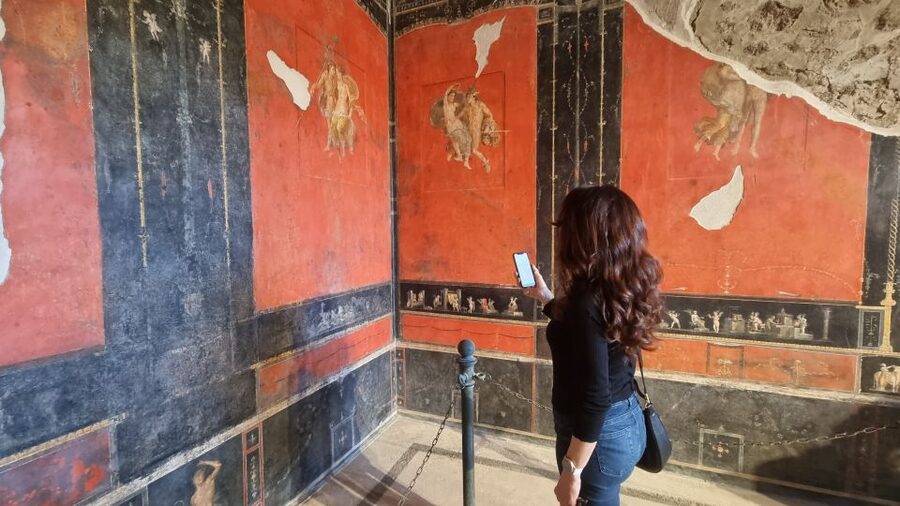
Campania is not a place where you want to rush. Pompeii is big, Herculaneum is dense, Naples is lively, and Vesuvius is all about timing. The smartest way to see this region is usually simple: go when you want, pause when you want, and don’t rely on shaky assumptions about where the next viewpoint is.
This ITGUIDES bundle is built for that style. You buy once, then use the audio guides right away after redeeming on your phone. The app focuses on guiding you to points of interest, not just dumping a long script at you. That means less backtracking and fewer moments of staring at signage like it is written in ancient Greek.
Also, it’s a good match for your own pace. You can spend more time in the places that grab you and skip what doesn’t. The guide is set up so you can follow along without needing to join any scheduled group activity.
You can also read our reviews of more tours and experiences in Naples.

Getting oriented fast: maps, geo localization, and downloads
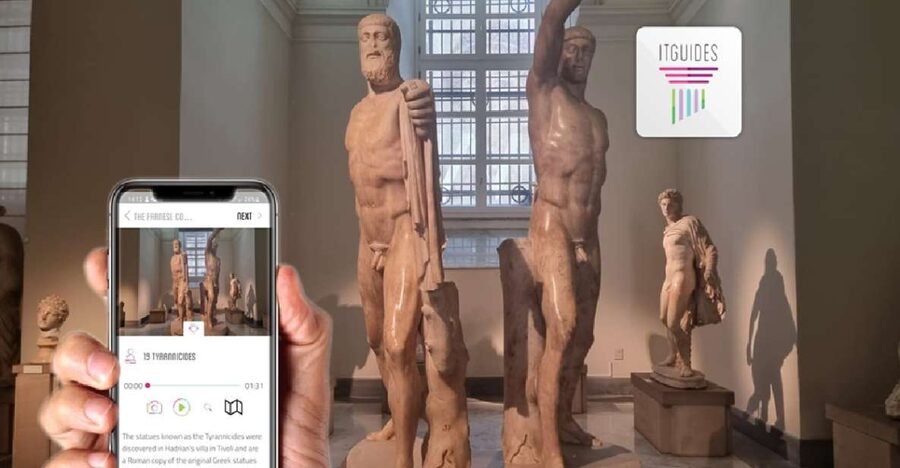
The biggest practical win is how the audio routes connect to where you are. For outdoor attractions, the guides are geolocated, and the app uses maps and localization to help you reach the exact point of interest. In ruins, that matters more than you might think. A few dozen meters can change what you are looking at, and the guide helps you keep the match between listening and seeing.
Before you start, give yourself a small prep window. Downloading the contents is best done with solid cellular signal or Wi‑Fi. If your signal drops during download, you can end up with a half-ready app right when you want it most. I also recommend having a power bank. Ruins days mean lots of screen time, camera use, and navigation.
Earphones are best but not mandatory. If you are traveling with someone nearby, you can keep sound low and still follow the directions. Just remember: if you walk into a zone with a lot of noise, having audio in your ears makes the guide easier to follow.
Pompeii: big areas handled with smaller listening chunks
Pompeii can overwhelm your brain fast. You see one street, then another, then a fancy villa doorway, then suddenly you are trying to remember what you just heard. This app tries to prevent that problem by splitting complex points into several sections.
One example you will appreciate is how the guide treats large domestic areas, like the Big Domus topic set, and other major houses such as the Menandro area and the House of the Cervi. Rather than one long lecture, you get segmented listening that lines up with what you are walking through.
That structure changes how you experience Pompeii. You are not forced to absorb everything in one go. You can listen to a section, look around, then move on with a clearer mental picture. When a site is sectioned, you also waste less time trying to figure out which room or corner your audio is talking about.
Practical tip: in Pompeii, keep your phone at a comfortable glance distance. You want to look around the ruins and not stare at your screen every five seconds. If your audio stops or resets, take two minutes to get back in sync before you wander deeper.
Herculaneum ruins: a smarter pace for a dense site

Herculaneum is smaller than Pompeii, but it can feel just as intricate. The ruins are tightly packed with details, and the scale means you are constantly making micro-decisions about where to go next.
The ITGUIDES approach helps because it also divides the more complex Herculaneum spots into sections. That makes your route feel less like a scavenger hunt and more like a guided walk through specific themes.
What you get from the format is practical clarity. You spend less time asking what you are looking at and more time noticing what makes the space feel real. And since Herculaneum is a place where details matter—textures, openings, wall areas—having bite-sized listening helps you actually see those details instead of rushing past them.
If you want one “good strategy,” it is this: follow the guide’s sequence for a few sections, then give yourself a short break to watch the space without audio for a minute or two. You’ll reset your eyes and come back ready.
Naples center + the MANN museum: linking streets to collections
Naples is not just a place you pass through to reach ruins. It is part of the story, and it is a good day-break between heavier archaeology stops. This guide includes Naples city center audio and also the MANN (Archeological Museum of Naples).
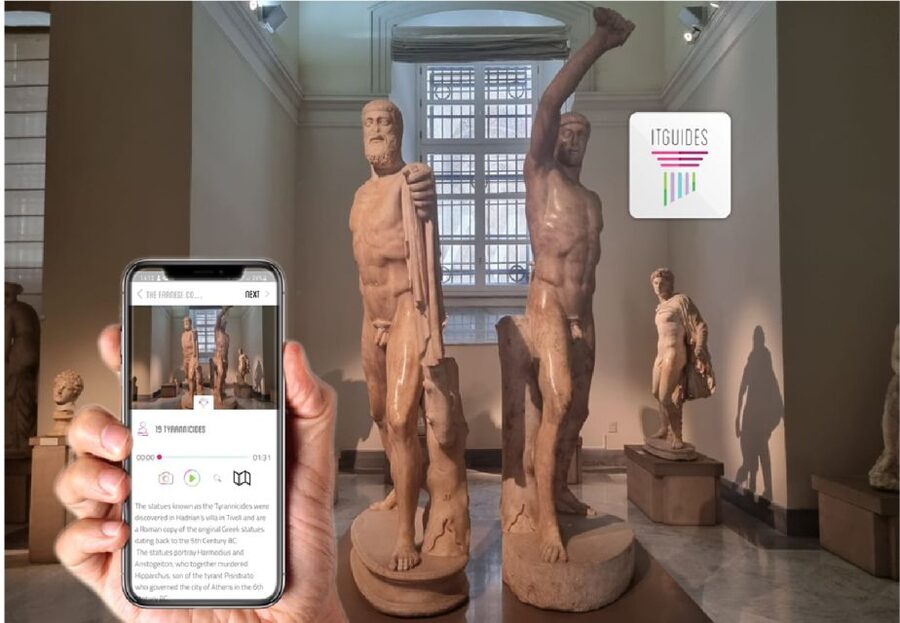
At the MANN, the guide is especially useful because it breaks down big collections into manageable sections. You might notice how it specifically mentions major groupings like the Farnese collection and the Egypt collection, then spreads them across sections so you can follow without jumping around in confusion.
Why that matters: museums can be mentally tiring when you are trying to find everything at once. If the guide keeps you linked to what you are seeing, you spend less time searching for context and more time looking closely at objects. Even if you are not a museum superfan, the format can turn a long museum visit into something you actually enjoy.
For Naples city center, the same idea holds. You get structure without locking yourself into a tour route. You can pair the audio with your own wandering, then use the guide to anchor key stops instead of chasing them blindly.
Practical tip: museum time plus smartphone navigation drains battery. Use a power bank and keep the brightness reasonable.




Vesuvius: outdoor audio with geo-localized guidance
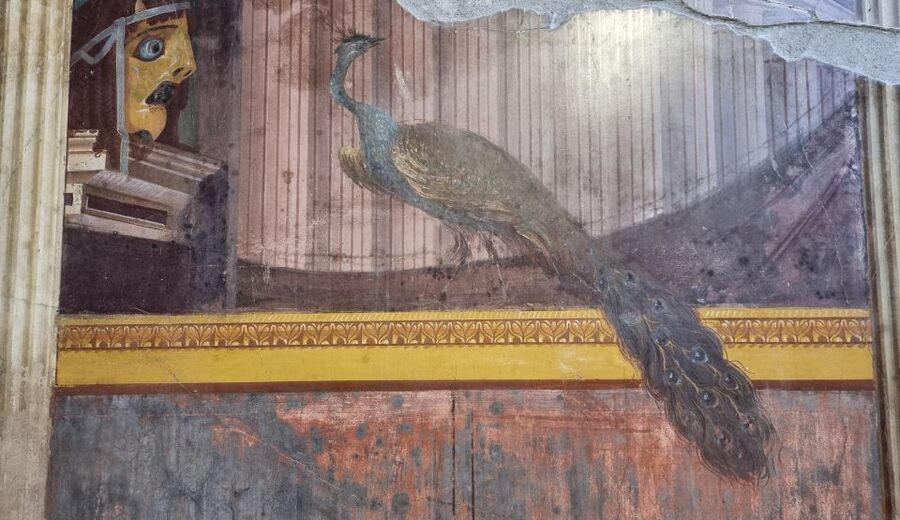
Vesuvius is the kind of place where you want to be ready. You do not want to waste time digging for info when the best views are the moment you are standing there.
This bundle includes audio for Vesuvius, and the app is designed to support outdoor points through geolocation. That means your audio can be tied to where you are, not just when you started walking.
Because Vesuvius is weather-dependent, build flexibility into your day. If visibility is poor, you may still enjoy learning as you climb and explore, but your time for viewpoints may change. The audio guide structure helps you stay productive even if the sky is not cooperating.
Villa di Poppea (Oplontis): the stop you will be glad you did
Oplontis is one of those sites people often overlook when they focus only on Pompeii and Herculaneum. The app includes Villa di Poppea (Oplontis), and that is a major plus in a bundle like this.
Here’s why I think it’s valuable: adding one less-famous site gives your trip texture. You are not only seeing the big headline ruins, you are getting a different feel for what life and art looked like around the region.
Also, the audio guide’s sectioning approach is meant for complex or larger areas. So even if Oplontis is unfamiliar to you, the audio helps keep you oriented instead of making you guess.
If you like variety in your days—one heavy ruin, one museum anchor, one scenic outdoor stop—Oplontis fits perfectly.
Listening support and help when technology gets in the way
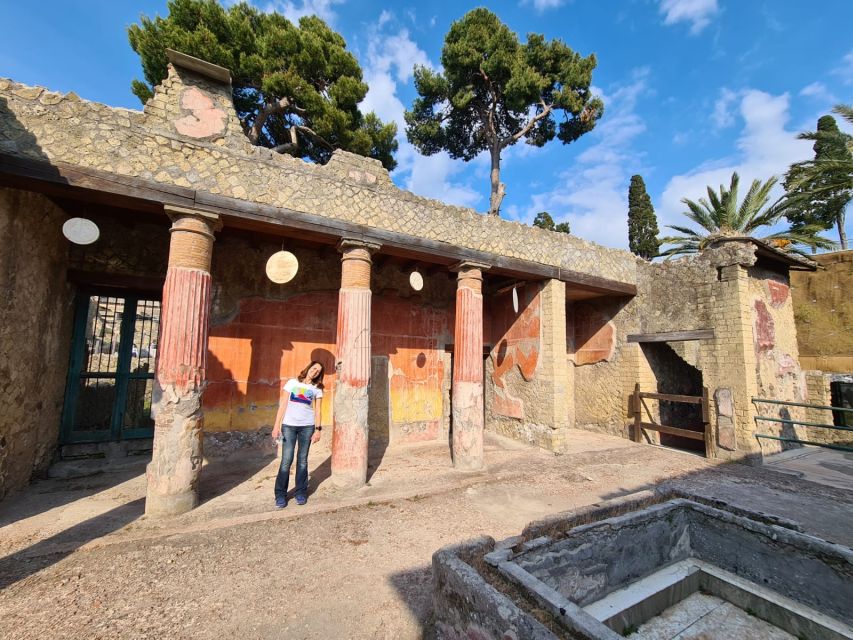
The app includes a WhatsApp contact for questions or issues using ITGUIDES. That’s helpful, because ruins days rarely go perfectly. Lighting changes, phones overheat, audio might glitch, or you might have trouble reloading content.
There is also a real-world support option in Naples: you can get help and a special ticket discount at Complesso Monumentale Sant’Anna dei Lombardi, Piazza Monteoliveto, 4, 80134 Napoli NA, Italy. This is useful if you want a human fallback instead of troubleshooting solo.
One more practical reality: since this is smartphone-based, your experience depends on your device. Keep your phone charged, avoid constant app switching, and if audio gets out of sync, reset to the right location before you continue far away.
Price and value: what $11 buys you in the real world
At about $11 per person, the big value is the bundle concept. You are not paying for one site only. You are getting audio for Pompeii, Herculaneum, Naples, the MANN museum, Vesuvius, and Oplontis in one purchase. The package is positioned to save you more than 50% compared with buying each guide separately.
That value only holds if you actually use multiple sites. If your plan is mostly Pompeii and nothing else, you might feel like you paid for unused content. But if you are doing at least two major ruins plus a museum or two scenic stops, the math starts to look sensible fast.
Another value point: you can keep the audio guides forever. That means if you come back to Naples later, or you revisit parts of Campania on a future trip, your guide is still there. I like that more than one-and-done tourist downloads.
Also, you can try a free demo before buying. That gives you a quick feel for how the interface works on your phone and whether you like the pacing.
Who should choose this audio guide
This is a smart fit for you if you like control. You want to decide how long to stay in each space. You do not want a schedule telling you when to listen and when to walk.
It also works well if you are traveling in a way that makes group tours less fun—like with friends who want to split up, or with a family where not everyone moves at the same pace.
On the other hand, if you know you hate apps and you want zero tech friction, this might not be your easiest choice. The app can be clear and organized, but it is still an app, and a few users have experienced bugs or confusion (like room reference points that do not match what you see, or audio resets when switching screens).
For me, the sweet spot is: you are comfortable using your smartphone for navigation and you can handle simple troubleshooting.
Should you book this Campania audio guide?
I think you should book it if your goal is flexible self-guided touring across multiple anchors: Pompeii + Herculaneum + Naples/MANN, plus at least one of Vesuvius or Oplontis. At $11 with a forever audio library and geolocated outdoor help, it can be excellent value—especially if you want guidance without paying for separate purchases.
Skip it if you only plan to visit one major site, or if you know you will not handle app quirks well. The content organization is a strength, but the experience still depends on your phone, your battery, and how smoothly the audio stays synced with your screen.
If you do book, do one thing first: download content ahead of time and keep a power bank ready. That one move turns “audio guide frustration” into “this makes the day easy.”
FAQ
How does the self-guided format work?
It is fully self guided, so there is no meeting point. You use your smartphone to follow the audio guides at the sites.
Do I need a smartphone?
Yes. You need an Android or Apple smartphone.
Are tickets included?
No. No tickets are included, so you will need to arrange site entry separately.
Which places are included in the app?
You get audio guides for Pompeii, Herculaneum, MANN (Archaeological Museum of Naples), Vesuvius, Villa di Poppea (Oplontis), and Naples city center.
Does the app help me find outdoor points?
Yes. The audio guides are geolocated for outdoor attractions and use maps and geo localization to guide you.
Can I use the audio guides right after purchase?
Yes. After you purchase and redeem the guide in your voucher, you can start listening right away.
Can I get help if I have trouble using the app?
Yes. The app includes a WhatsApp contact for support. There is also an in-person support option in Naples at Complesso Monumentale Sant’Anna dei Lombardi.
Do I need earphones?
Earphones are best but not mandatory.
How long should I plan for?
The duration is listed as 5 days, which is a good planning window for using the guides during your sightseeing.
Is it refundable if my plans change?
Yes. Free cancellation is available up to 24 hours in advance for a full refund.