REVIEW · BARCELONA
Self-Guided Audio Tour-The Surrealist Barcelona of Dalí and Gaudí
Book on Viator →Operated by SOUNDWALKRS · Bookable on Viator
Dalí and Gaudí walk with you. This self-guided audio tour lets you stitch together surrealist and Catalan modernism themes as you move through central Barcelona, using offline audio with English and Spanish narration. It’s a smart way to see how two very different artists shaped the city’s imagination.
I especially like that you can start on your schedule and move at your own pace, with a mobile ticket and audio chapters timed to short walks between stops. One thing to consider: it’s not a live, person-led tour, and a few common problems people run into are not having the app ready (or assuming someone will meet you with a confirmed time).
In This Review
- Key highlights you’ll care about
- Dalí meets Gaudí: what this audio walk actually feels like
- Price and value: why $10 can work (or not)
- Offline setup: the easiest way to avoid frustration
- Starting in L’Eixample: Sala Dalmau and getting oriented fast
- Plaza de Catalunya: Dalí’s death omens in a central hub
- Palau Güell: Gaudí’s street-level modernism payoff
- Ateneu Barcelonès: thinking in Catalan society
- The theatre and historic landmarks: watch for the story cues
- How to pace it so it feels like a walk, not a sprint
- When this tour shines (and when to skip it)
- Final verdict: should you book the Surrealist Barcelona audio tour?
- FAQ
- How much does the Surrealist Barcelona of Dalí and Gaudí tour cost?
- How long is the audio tour?
- Do I need an internet connection to use the tour?
- What languages are available?
- Where does the tour start and where does it end?
- Are monument admission tickets included?
- Can I cancel and get a full refund?
Key highlights you’ll care about

- Offline playback with maps and tips included, so you’re not hunting for signal on the move
- Bilingual narration in English and Spanish
- 39 minutes approx. means it fits neatly into a half-day plan
- Designed walking route that connects major sights linked to Dalí and Gaudí, including Casa Batlo and Palau Güell
- Finish point at Palau Güell, where you can continue exploring on your own
Dalí meets Gaudí: what this audio walk actually feels like

This tour is built like a city stroll with a story spine. You’ll start in the Eixample area, then work toward Ciutat Vella, where the older Barcelona energy lives closer to the street. Along the way, the narration ties what you see to what these two artists were doing and why their ideas mattered.
What I like is the pairing. Salvador Dalí gives you the surreal, unsettling, dream-logic side of Barcelona. Antoni Gaudí brings the architecture that looks like it’s thinking in symbols. Put them together and the city starts to feel less like a checklist and more like a set of clues.
Also, because it’s app-based, you’re in control. You don’t have to coordinate with a group’s bathroom breaks or wait for someone to catch up. You pause, you look closer, you keep moving when your feet say so.
You can also read our reviews of more tours and experiences in Barcelona.



Price and value: why $10 can work (or not)
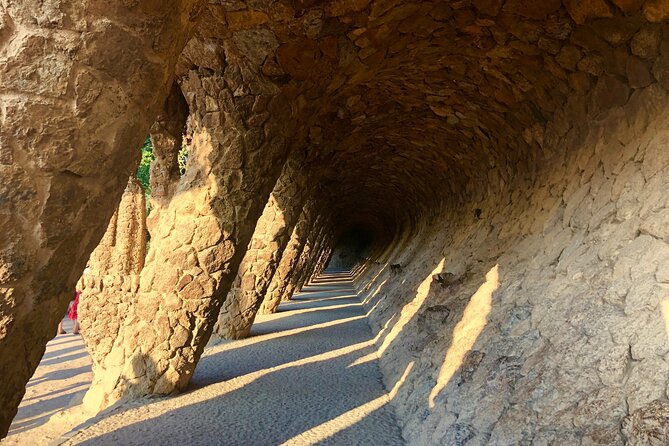
At $10 per person, this is priced like an add-on to your day, not a full guided experience. That’s exactly what it is: the audio narrative and route guidance, not a paid entrance tour inside monuments.
Think of value in two parts:
- You pay for the “how to look”: the narration framing landmarks through Dalí and Gaudí.
- You don’t pay for “inside the building” access: admission tickets to monuments are not included.
If you plan to pop into paid sights like Casa Batlo or other landmark interiors, you’ll need to budget separately. If you’re mostly happy admiring exteriors and using the narration to connect the dots, this price can feel like a bargain.
Timing also affects value. At 39 minutes approx., you’re not spending a full afternoon. If you treat it like a quick cultural warm-up before you head off on your own, it’s a good use of time. If you expect it to function like a long, guided museum-style tour, you’ll likely feel shortchanged.
Offline setup: the easiest way to avoid frustration
Here’s the practical truth about self-guided audio tours in Barcelona: the tech matters. This one is designed to work offline, and the tour includes maps and tips. That’s great, but it only helps if the app is ready before you start walking.
My advice:
- Download everything you need before you leave your hotel or café.
- Use Wi-Fi once if you can, then switch to mobile data off to confirm it truly plays offline.
- Bring headphones and test volume. Busy streets can drown out the story.
If you run into the most common problem people report—starting at the wrong expectation level, or assuming a guide will meet you—this can quickly turn into wasted time. Remember: this is self-guided. No one is ushering you from stop to stop. You’re the guide for your own walk.
The good news: once it’s working, offline is liberating. Barcelona’s streets can be spotty for data, and you don’t need signal to keep listening.
Starting in L’Eixample: Sala Dalmau and getting oriented fast
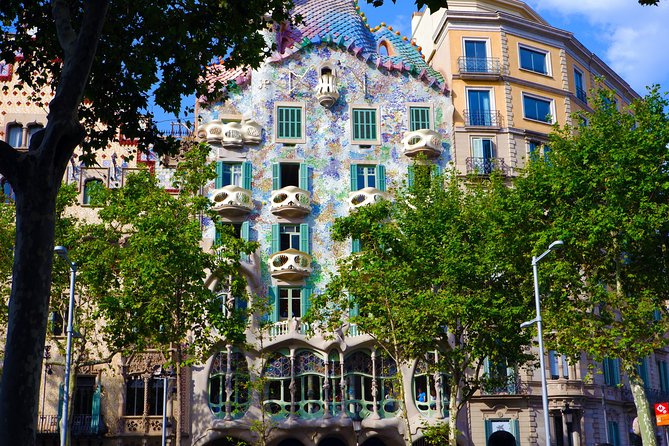
Your start point is Sala Dalmau – Galeria d’art, at Carrer del Consell de Cent, 349 (L’Eixample). That’s a useful neighborhood launch pad because you can transition from the more grid-like Eixample streets toward the older, denser part of the city.
Before you press play, take 30 seconds to get your bearings. This tour runs on chapters tied to places. If you wander too far off the route, you’ll end up hunting for the next audio cue.
You also end up with a clear endgame: Palau Güell is the finish point in Ciutat Vella, at Carrer Nou de la Rambla, 3–5. That makes it easy to plan what comes after—coffee, a longer architecture stop, or just continuing along the same corridor.
Plaza de Catalunya: Dalí’s death omens in a central hub
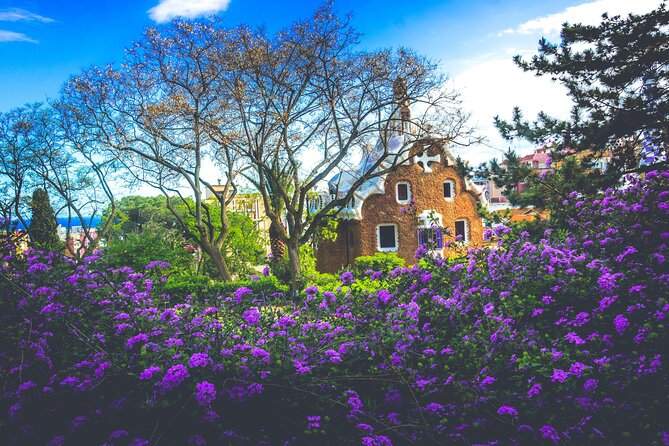
One of the tour’s first moments lands at Plaza de Catalunya. The narration doesn’t start with just art facts. It starts with atmosphere—specifically the omens of Dalí’s death—as you pass through this central square.
Why this works: Plaza de Catalunya is one of those places you cross without thinking too hard about. The tour flips that. You’re encouraged to treat a major transit spot as a stage, where bigger-than-life artistic energy can be felt in the way stories connect to place.
Practical note: Plaza de Catalunya is busy. If you’re trying to listen clearly, pause a moment near a quieter edge and let the audio settle in. This is also where you can judge whether your headphone volume is right for street noise.





Palau Güell: Gaudí’s street-level modernism payoff
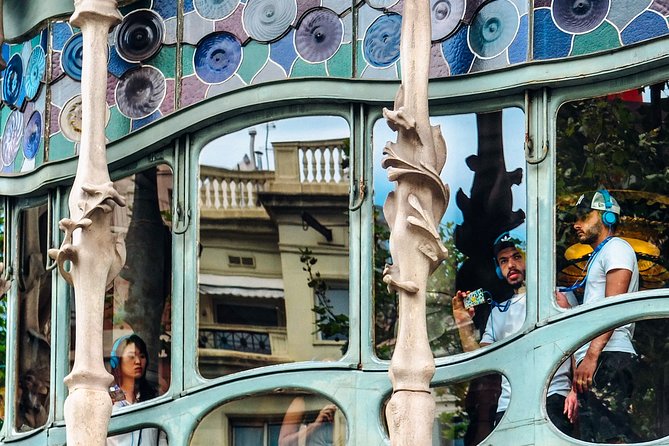
You then move to Palau Güell, designed by Antoni Gaudí, located on Nou de la Rambla. This is one of the strongest “oh, that’s why this matters” stops in the route, because Palau Güell is all about how Gaudí turns a building into a living idea.
The narration frames it in the current of Catalan modernism, which helps you look beyond decoration. Even if you only see the exterior, you’ll likely pick up the sense that the architecture is doing something more playful, more symbolic, and more intentional than standard city buildings.
The big practical consideration: admission is not included. So:
- If you want to go inside, you’ll need a separate ticket plan.
- If you don’t, you can still get a lot from the audio context and the exterior “story” of the building.
Your tour also ends here, which is convenient. You can finish the narration, then decide whether you want to extend your visit.
Ateneu Barcelonès: thinking in Catalan society
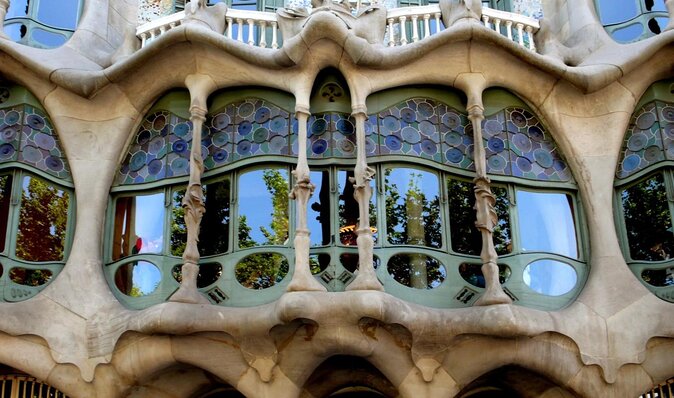
Next comes Ateneu Barcelonès, described as an institute of more than one hundred and fifty years and a center for culture and thought in Catalan society.
This stop is a nice counterweight to the more theatrical energy of art and architecture. Not every landmark needs to be famous for its looks. Some landmarks matter because they shaped conversations—who gathered, what was argued, and what ideas moved forward.
If you’re the kind of traveler who likes context (not just photos), this is the part where the story tends to make Barcelona feel more lived-in. You’re getting a sense of how ideas circulate in the city, not only how buildings rise.
Also, because this is self-guided and timed to short listening segments, it’s easy to keep moving without feeling like you’re stuck staring at a single point. That pacing suits a 39-minute plan.
The theatre and historic landmarks: watch for the story cues
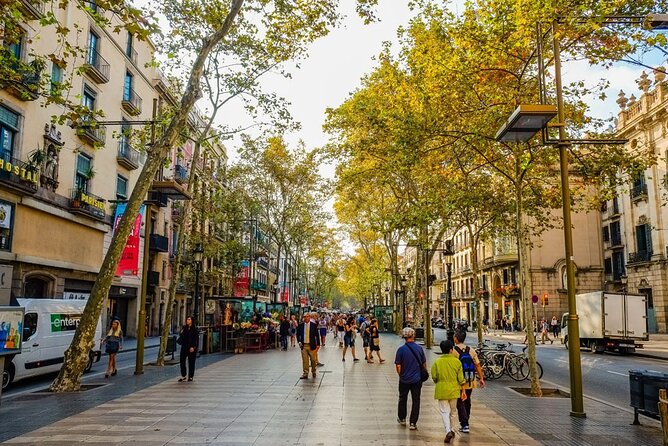
After Ateneu Barcelonès, the route continues through additional spots described more generally as historic landmarks, plus a theatre identified as the oldest and most prestigious theatre in Barcelona (name not specified in the information provided).
Here’s how to handle this section: don’t treat it like a guessing game. Treat it like a narrative bridge. When the audio shifts, slow down. Look up from the street. City landmarks often reveal themselves in details—rooflines, facades, entryways—rather than only in a single “front view.”
Because the remaining stops are described without specific names in the information, you might find it easiest to:
- keep your phone screen visible enough to track where you are,
- match the chapter change to what you’re seeing,
- and use your maps to confirm you haven’t drifted away from the route.
This is also where having headphones matters most. If you miss a chapter cue, you can end up confused about why you’re standing in front of a particular building.
The route also references Casa Batlo as a key landmark along the way. Even if you’re not going inside, connecting it to the Dalí/Gaudí narrative can make the exterior stop feel purposeful rather than accidental.
How to pace it so it feels like a walk, not a sprint
The tour runs about 39 minutes, with each chapter designed for short time windows. That’s the part worth taking seriously.
One thing I’d plan for: if you want to stop and look up close, take photos, or step aside to listen clearly, you may stretch that time a bit. If you try to speed through while also reading street details, it can feel rushed.
My practical pacing method:
- Walk normally, but don’t rush.
- When a chapter starts, pause just long enough to absorb the framing.
- Only take photos after you understand what the audio is pointing you toward.
Also, keep your day plan flexible. This tour works best when you treat it as a connector. Do it early, then you’ll have a stronger lens for your later self-guided sightseeing.
When this tour shines (and when to skip it)
This is a good fit if you:
- want art-and-city storytelling rather than a lecture,
- like independent wandering with clear structure,
- and value an offline audio plan that doesn’t depend on internet reliability.
It’s also a good option if you’re pairing Barcelona landmarks with other activities. Short tours are easier to work into your schedule than a big guided block.
It may not be your best choice if you:
- strongly prefer a live guide who can answer questions in real time,
- need long, ticket-based monument time included in the price,
- or you tend to start tours without downloading content first.
If you expect someone to meet you and run the show, set that expectation aside. This tour is the audio route; you supply the walking.
Final verdict: should you book the Surrealist Barcelona audio tour?
I’d book this if you want a low-cost, offline-friendly way to understand how Dalí and Gaudí can shape the same walk through Barcelona. The strongest appeal is the storytelling structure: it nudges your eyes toward specific meanings, and the finish at Palau Güell makes it easy to keep exploring afterward.
I wouldn’t book it if you’re looking for a long guided experience, or if you’re the type who usually forgets to get apps ready before you start. The tour’s value depends on one thing: the audio has to be ready, and you have to be willing to do the guiding yourself.
FAQ
How much does the Surrealist Barcelona of Dalí and Gaudí tour cost?
It costs $10.00 per person.
How long is the audio tour?
It takes about 39 minutes.
Do I need an internet connection to use the tour?
No. The app can be used offline, and it includes offline maps and tips.
What languages are available?
Narration is available in English and Spanish.
Where does the tour start and where does it end?
It starts at Sala Dalmau – Galeria d’art, Carrer del Consell de Cent, 349, L’Eixample and ends at Palau Güell, Carrer Nou de la Rambla, 3-5, Ciutat Vella.
Are monument admission tickets included?
No. Admission Ticket to the monument is NOT included.
Can I cancel and get a full refund?
Yes. You can cancel for a full refund if you cancel at least 24 hours before the experience’s start time. If you cancel less than 24 hours before, the amount paid is not refunded.