REVIEW · NAPLES
Herculaneum: skip the line entry ticket (art) + audioguide & map
Book on Viator →Operated by Pompei Tour Organizer_Tempio Travel · Bookable on Viator
Herculaneum feels like a time capsule. This skip-the-line entry ticket plus audioguide turns the Archaeological Park of Herculaneum into a walk you can actually manage, with the eruption story of Vesuvius (79 AD) woven into what you see. You’ll move room to room at your own speed through houses, villas, and mosaics that are unusually well kept.
I especially like the self-guided pace—you can linger where something grabs you—plus the included map and audio that help you connect daily life to the ruins. The main drawback is that the audio experience can feel a bit repetitive, and the guide setup may not be obvious right away, so you’ll want to pay attention to how to start and follow it.
In This Review
- Key things to know before you go
- First impressions: what this Herculaneum visit is really like
- Getting in at the ticket office (and why it helps)
- The core experience: exploring houses, villas, and mosaics on your schedule
- What to watch for as you walk
- A note on pacing
- Audio guide reality check: easy to use, but know what to expect
- Why Herculaneum works so well before Pompeii
- The sea-wall perspective: why some views connect everything
- Value and logistics: what you’re paying for (and what you’re not)
- Is a private self-guided tour the right fit for you?
- Quick booking decision: should you book this Herculaneum audio + ticket experience?
- FAQ
- How long does the Herculaneum experience take?
- What’s included in the ticket?
- Is a live tourist guide included?
- Where do I meet and redeem my ticket?
- Is this activity private?
- What language is it offered in?
- What is the cancellation policy?
Key things to know before you go

- Skip-the-line entry means you spend less time stuck and more time walking the park
- Artecard entrance ticket is included, so you’re not juggling paperwork
- Audio guide + map let you explore independently without a live guide
- Best paired with the Pompeii plan: Herculaneum often hits harder when you do it first
- Expect a carefully paced visit: it’s built for about 3 hours of wandering
First impressions: what this Herculaneum visit is really like
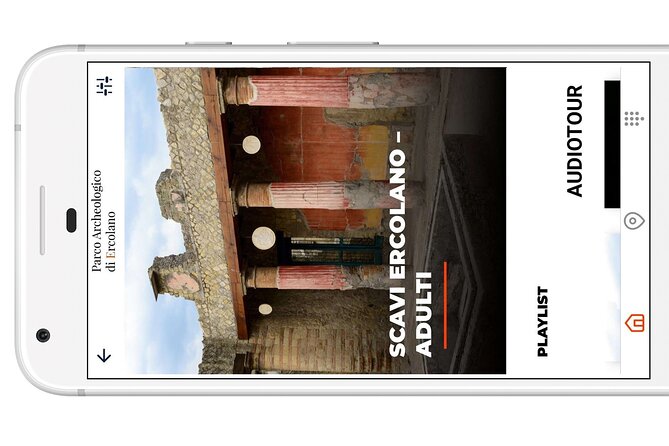
Herculaneum is one of those places where the ruins don’t feel like random rubble. They feel like rooms that once had routines—breakfast, work, gossip, repairs—then stopped. With this tour, you’re not getting a lecturer in your ear the whole time. Instead, you get an entrance ticket and the tools to guide yourself: an audio guide and a map.
That matters. A live guide can be great, but it also locks you into someone else’s rhythm. Here, you control the pace. If you want to linger in a house doorway or return to a mosaic detail, you can. If you’d rather keep moving and save your questions for later, you can do that too.
The other nice bit: you start with skip-the-line entry. In a busy area like Naples and Ercolano, that isn’t just convenience—it’s sanity. Less queue time means you’re fresher when you actually reach the ruins.
You can also read our reviews of more tours and experiences in Naples.

Getting in at the ticket office (and why it helps)
Your start point is the Herculaneum Ticket Office in Ercolano (80056). The redemption point is the same place, so you’re not bouncing between locations trying to figure out where your ticket becomes usable.
From a practical standpoint, this kind of setup makes the visit smoother. You can show up, handle the artecard ticket properly, grab what you need for the audio, and get walking without a mini adventure of your own.
Also, this is a private tour/activity, meaning it’s just your group. That’s helpful for self-guided experiences: if you’re traveling as a small family or group of friends, you’re less likely to get pulled into someone else’s pace.
The core experience: exploring houses, villas, and mosaics on your schedule
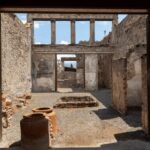
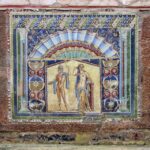
The heart of the visit is the Archaeological Park of Herculaneum. You’ll explore well-preserved houses, villas, and mosaics, and the audio guide helps explain what life in a Roman town looked like before it was buried by the eruption of Mount Vesuvius in 79 AD.
Here’s what I think you’ll love about doing it this way: the ruins in Herculaneum reward close attention. A self-paced format lets you read the site like a slow-moving picture. You don’t just glance—you notice. You connect shapes and spaces to how people likely moved through daily life.
What to watch for as you walk
Use your audio as a map for your eyes, not as a script you must follow word for word. Here are a few things to keep an eye out for during your walk:
- Mosaic floors: when you pause here, you start seeing how the rooms were staged for visitors and routine life.
- House layouts: even without “reading everything,” you can sense the difference between public-facing spaces and more private corners.
- The overall town feel: it’s a real place, not just isolated attractions.
A note on pacing
You’re looking at about 3 hours in the park (the experience runs roughly 2 to 4 hours depending on how long you linger). If you rush, you’ll miss the best part: the preserved details. If you go slow and keep stopping, you’ll feel like you’re walking through a paused city.

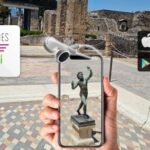


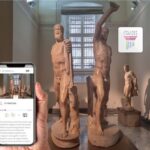

Audio guide reality check: easy to use, but know what to expect
The included audio guide is the backbone of this experience. In the better moments of this kind of tour, the audio helps you keep your bearings fast and understand what you’re seeing without needing a live guide.
That said, one real-world friction point shows up often with self-guided audio experiences: the instructions for audio can be easy to miss. If the way to start or locate your audio isn’t spelled out clearly at the entrance, you’ll want to pause early, double-check you have what you need, and confirm you’re using the correct track. The park is big enough that getting turned around—even slightly—can cost you the feeling of an organized visit.
Also, the audio content can run a little repetitive. The upside is that repetition can make key ideas stick. The downside is that if you’re the type who wants fresh, new details every few minutes, you might feel your attention slide. Your best move is simple: treat the audio as a starter, then let your eyes do the rest.
Why Herculaneum works so well before Pompeii
If you’re building a Vesuvius day, this is where you should be strategic. One of the strongest pieces of advice for this site is straightforward: do Herculaneum before Pompeii.
Why? Because Herculaneum often feels more immediate and more intact. When you arrive having not already “spent” your visual expectations on Pompeii, you’re more likely to feel that wow factor. You’ll also understand the town story more clearly, because you’re not comparing your brain to another ruined city a few hours earlier.
There’s also a preservation explanation that comes up again and again: Herculaneum is often described as better preserved than Pompeii because it was buried under marsh conditions rather than ash. Whether you take that at face value or just treat it as a helpful way to understand why the preservation is so striking, it gives you a better lens for what you’re seeing.
The sea-wall perspective: why some views connect everything
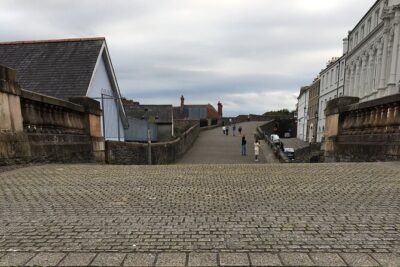
One of the things that makes Herculaneum click is context: it wasn’t just a “city of ruins,” it was a town with a relationship to water. A view of the city wall that once bordered the sea can change how you interpret the entire place.
If you notice that your time in Herculaneum feels scattered, look for viewpoints where the layout feels more connected—where you can imagine the shoreline and the town edge. That’s the kind of mental picture that makes the site feel less like a collection and more like a lived environment.
Value and logistics: what you’re paying for (and what you’re not)
This experience includes the essentials: entrance ticket (artecard), audio guide, and a map. What you’re not getting is a tourist guide in the traditional sense.
So think of it as value for independence. If you enjoy learning by reading the room—literally, the rooms in the ruins—you’ll likely feel it’s worth it. If you want a person to answer your specific questions on the fly, you might end up wishing you had a live guide.
It’s also a practical choice if you’re optimizing time. You get in with skip-the-line entry, you have the audio tools, and you explore on your own schedule within about 3 hours.
Is a private self-guided tour the right fit for you?
This works best if your group has at least one of these traits:
- You like controlling pace and stop-start when something catches your eye.
- You want to spend time in the park rather than spending time listening the whole way.
- Your group is small enough that private means you’re not constantly navigating crowds.
It’s also generally approachable: most travelers can participate, and service animals are allowed. If you’re traveling on public transportation, the meeting area is noted as being near public transportation, which is a plus in a city where street-level logistics can be a little chaotic.
One caution I’d give honestly: self-guided tours can still depend on the availability of staff who support the experience. On at least one occasion tied to this kind of offering, a scheduled booking was canceled shortly before the start because the guide became ill, with no replacement. That’s not something you control—so if this is a critical day for your itinerary, you might build in a little flexibility.
Quick booking decision: should you book this Herculaneum audio + ticket experience?
Book it if you want an efficient, self-paced visit where the essentials are handled—skip-the-line entry, plus an audio guide and map included—so you can focus on the ruins themselves. This is especially smart if you’re planning a Vesuvius route and you’ll do Herculaneum before Pompeii.
Skip it (or consider something with a live guide) if you’re someone who gets more value from back-and-forth explanations, or if you know you don’t love audio that can feel repetitive. Also, if you’re extremely schedule-sensitive, remember there can be rare last-minute cancellations tied to staffing.
If you like walking through places that feel intact enough to imagine life, this one is a strong match.
FAQ
How long does the Herculaneum experience take?
It runs about 2 to 4 hours (roughly 3 hours in the park).
What’s included in the ticket?
You get the Herculaneum entrance ticket (artecard), an audioguide, and a map.
Is a live tourist guide included?
No. A tourist guide is not included.
Where do I meet and redeem my ticket?
You meet and redeem at the Herculaneum Ticket Office, 80056 Ercolano, Metropolitan City of Naples, Italy.
Is this activity private?
Yes. Only your group will participate.
What language is it offered in?
It’s offered in English.
What is the cancellation policy?
You can cancel for a full refund up to 24 hours before the experience starts. If you cancel less than 24 hours before, there’s no refund.