REVIEW · MERIDA
Self-Guided Audio Tour – Chichen Itza, the Greatness of the Mayas
Book on Viator →Operated by SOUNDWALKRS · Bookable on Viator
Ancient myths, right on the stones. This self-guided audio tour turns Chichén Itzá into a story you can follow at your own speed, with offline audio and maps so you’re not hunting for signal. It’s built around UNESCO-listed ruins and the idea of Mayan science, tradition, and even sports—staged as a guided journey through the site’s key stops.
What I really like is the way the narration is anchored to Kukul Khan and the sacred Popol Vuh, so you’re not just looking at structures—you’re hearing the meaning behind them. The audio also leans into sound design, including 3D sound moments, which helps the experience feel more alive than a standard history readout.
The main drawback to plan around: this is an audio experience, so you’ll need your own smartphone and headphones/headsets, and you’ll still have to buy the Chichén Itzá admission ticket separately. Also, at about an hour, you may want to tack on extra time if you like lingering in one place.
In This Review
- Quick hits before you go
- The point of this Chichén Itzá audio tour: story-first ruins
- Getting set up: mobile ticket, offline downloads, and where you begin
- Stop 1: Kukul Khan opens the Popol Vuh path
- Why this first stop matters
- A small consideration
- Stop 2: The Ball game, explained through importance
- How to use this stop well
- Stop 3: A historic landmark moment for your eyes to catch up
- What you might notice here
- Stop 4: The performing arts theater stop (and why that’s smart)
- Tip for this stop
- Stop 5: Another historic landmark to close the loop
- How long it really takes: plan for about an hour, then add margin
- What’s included vs. what’s on you
- Value check: why independent audio can be a win here
- Who this works best for
- Should you book this audio tour?
- FAQ
- How long is the Chichén Itzá self-guided audio tour?
- Is the audio tour available in English?
- Do I need an internet connection during the tour?
- Where do I start the tour?
- Is the admission ticket to Chichén Itzá included?
- Do I need to bring my own smartphone and headsets?
- Can I cancel and get a full refund?
Quick hits before you go
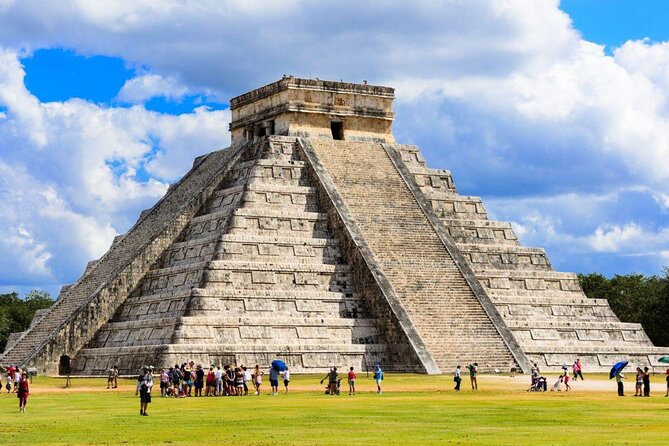
- Start in front of the Ball game so your visit begins with the Mayan sports story, not a random first step.
- Kukul Khan narrates the Popol Vuh, connecting mythology to everyday life.
- Offline maps and offline audio mean you can keep moving even if reception is spotty.
- 3D sound elements add atmosphere at the most story-friendly points.
- English-only audio keeps it straightforward if you’re comfortable listening that way.
- Private, group-only activity means the experience doesn’t revolve around strangers’ pacing.
The point of this Chichén Itzá audio tour: story-first ruins
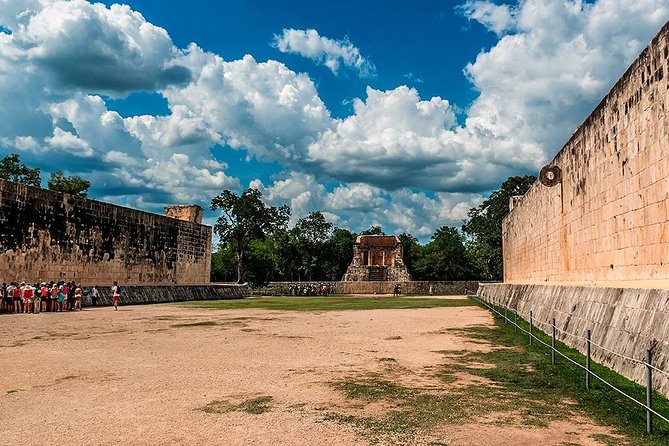
Chichén Itzá is famous, sure—one of the 7 modern wonders with UNESCO-listed ruins and a reputation that draws people from everywhere. But a big, crowded site can flatten your attention. This audio tour fights that problem by giving you a storyline you can follow while you walk.
I like that the tour doesn’t force you into a schedule. You press play when you’re ready, stop to look, and rewind when a phrase clicks—or when you want a second pass at a concept. That matters at Chichén Itzá because the best moments often come from noticing small details while your mind is already in the right mode.
The strongest theme is Mayan knowledge and beliefs told through myth. You’ll hear about the feathered serpent Kukul Khan, and the sacred book Popol Vuh. That myth thread is not just decorative. It’s used as the structure for what you pay attention to next.
You can also read our reviews of more tours and experiences in Merida.
Getting set up: mobile ticket, offline downloads, and where you begin
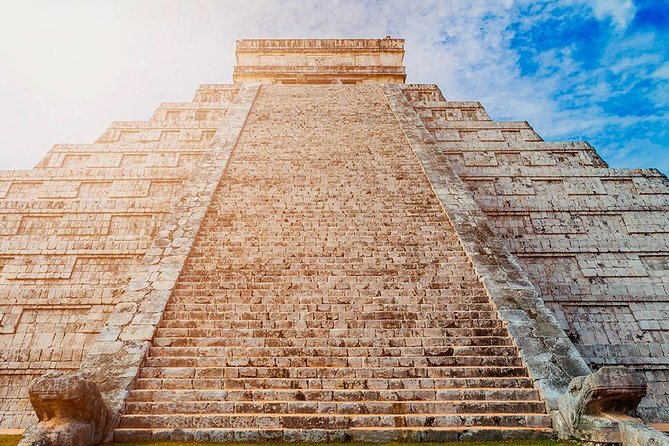
You’ll start at Chichén Itzá, 97170 Mérida, Yuc., Mexico. The meeting point is specific: you should place yourself in front of the Ball game to begin. That’s helpful because it removes the usual awkward guesswork about where the audio “starts.”
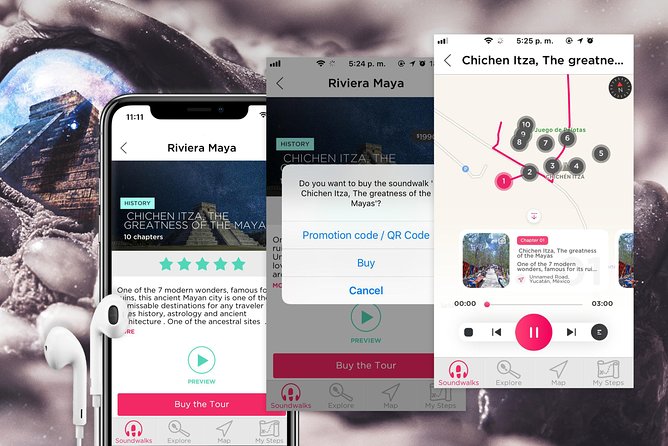
This is delivered as a mobile ticket experience. After you book, you get confirmation at the time of booking, and the plan is designed for you to use your phone as the guide. The key practical move is downloading audio and maps for offline use. If you wait until you’re already inside, you risk running into battery stress or failed downloads.
Also check your tech needs before you arrive:
- You’ll need your own smartphone.
- You’ll need your own headphones/headsets.
- You’ll need the admission ticket separately.
The audio includes offline maps and tips to explore Riviera Maya best-selected spots, which is a nice add-on if you’re planning to move beyond the ruins the same day.
Stop 1: Kukul Khan opens the Popol Vuh path
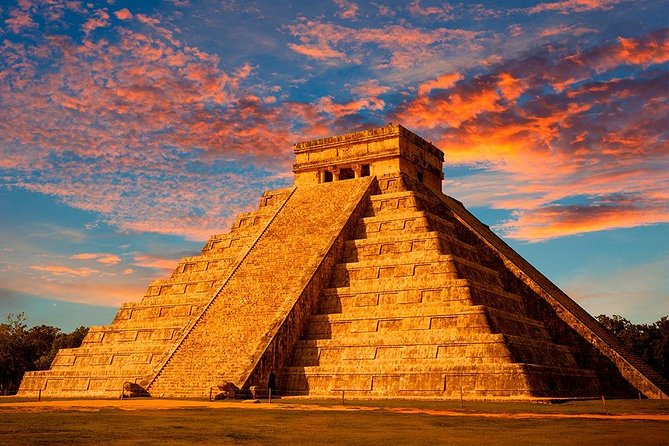
Stop 1 sets the tone like a mythic prologue. You’re guided by Kukul Khan, the feathered serpent, who takes you into what the tour describes as an alternative magical universe. The narration frames Chichén Itzá not just as a ruin field, but as evidence of Mayan greatness across different areas of thought and practice—including science and even sports.
What makes this opening work is the way it uses the Popol Vuh concept as a learning device. The sacred book of the Mayas is narrated here, with the serpent voice acting as the link between myth and daily life. You’re meant to understand traditions and ways the Mayas lived, not in a dry lecture tone, but as a guided imagining of what the place could have meant.
Then the tour adds a sensory layer: you’re asked to feel the energy of the place and let your imagination take over, with 3D sounds designed to bring the story into your immediate walking experience. Even if you don’t fully “buy into” sound-effects storytelling, it still nudges your attention. You’re more likely to look up, look around, and connect what you hear to what’s in front of you.
Why this first stop matters
If you start with the Ball game area (as instructed) and then immediately get the myth framework, you avoid the common mistake of treating the site like a checklist of monuments. Instead, you’re primed to notice why certain spaces would have carried symbolic weight.
A small consideration
Because Stop 1 carries the heaviest storytelling load, it can feel like a lot if you’ve had a long travel day. If your brain is tired, take two seconds at the beginning to steady your volume, press play, and commit to the first few minutes before walking too fast.
Stop 2: The Ball game, explained through importance
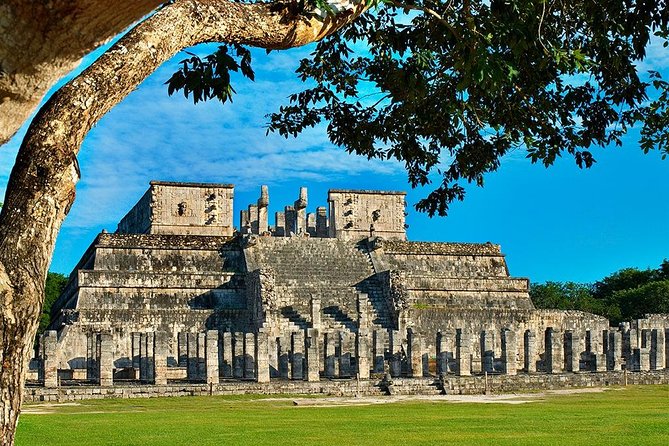
After the myth setup, the tour moves to Stop 2 with a clear theme: the importance of the Ball game for the Mayas. This is where the story becomes practical in your head. You’re not just hearing that ball games existed; you’re being guided to understand why that game mattered in the worldview of the people who built and used these spaces.
The tour’s instruction here is simple: follow the voice and imagine what it was like in those times. That matters because it changes what you look for. You’re more likely to connect scale, placement, and movement—things you’d miss if you only cared about photos.
How to use this stop well
When Stop 2 starts, slow down for a minute before moving again. Let the audio do its job, then match what you hear to what you see. This is the stop where you can decide if you want the rest of the route to be slower and more reflective, or more photo-focused.
Stop 3: A historic landmark moment for your eyes to catch up
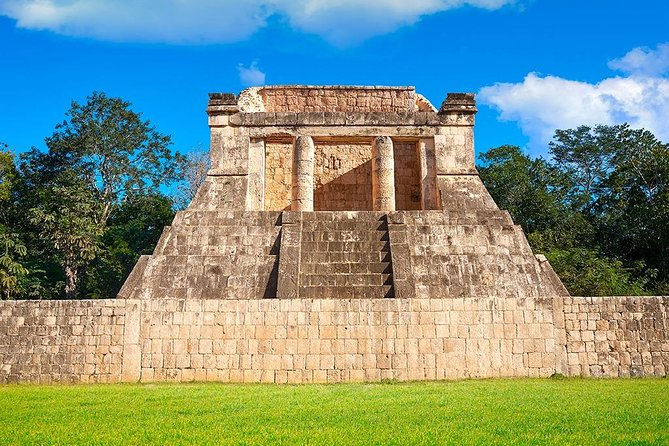
Stop 3 is described as a historic landmark stop. That sounds vague—until you remember what audio tours do best. They’re often less about naming every stone and more about timing your attention.
In a story-first tour, “historic landmark” usually means: here’s a place where the narrative pauses so you can look without your mind running ahead. You’ll get a chance to observe and interpret based on what you just learned in the previous sections.
What you might notice here
Since the provided details don’t specify a particular structure name, I can’t tell you exactly which landmark you’ll be at. But I can tell you the value: Stop 3 gives your brain a chance to make connections. You’ve already heard myth. You’ve already heard about the Ball game. Now you’re meant to align story and sight.
Stop 4: The performing arts theater stop (and why that’s smart)
Stop 4 takes you to a performing arts theater. That choice is surprisingly clever, because it treats culture as something you can feel through place. A theater isn’t only about entertainment. It’s about how communities stage ideas—how they pass knowledge through performance, ritual, and shared attention.
Even without a detailed description of every architectural feature, the narrative focus at this stop likely helps you understand the site as a living cultural stage rather than an isolated set of ruins. It turns your walk into a more human experience: people gathered, listened, watched, learned, and participated.
Tip for this stop
Keep your phone at a comfortable volume. A theater-area moment tends to work best when you can hear the narration cleanly while you orient yourself around the space.
Stop 5: Another historic landmark to close the loop
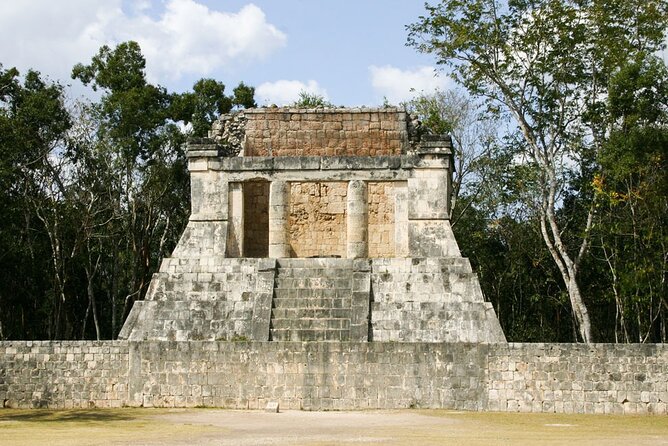
Stop 5 is another historic landmark. This is often where audio tours land their final “meaning” beat—tying together themes and letting the last sight impressions settle.
Since Stop 5 isn’t described with a specific label here, use it as your check-in moment. Ask yourself: does the story you heard now change how I look at what’s in front of me? If yes, you’re getting the tour’s real payoff. If no, consider replaying a section on your phone after you finish the final stop, while you still have the site in view.
How long it really takes: plan for about an hour, then add margin
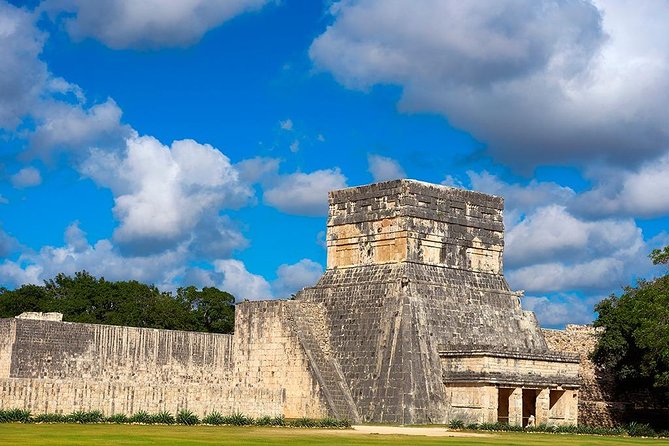
The tour duration is listed as about 1 hour. That’s a good amount of time for a focused circuit when you’re using audio as your guide. It also means your pace will be driven by the story beats rather than by you standing still with no plan.
Still, I’d plan a little extra time outside the audio itself. Chichén Itzá is one of those places where you’ll want to step away from the “next stop” urge and simply look. If your phone battery is strong and you’re enjoying the pacing, you can stretch your visit without stress.
What’s included vs. what’s on you
Here’s the practical breakdown:
Included
- All chapters of the audio with offline use
- Offline maps
- Tips to explore Riviera Maya best-selected spots
Not included
- Snacks
- Smartphone
- headsets
- Admission Ticket
That separation is important for value. You’re paying for the thinking-and-story part (audio, maps, guidance), not for the physical entry into the ruins and not for your gear. If you go prepared, the experience feels smooth. If you show up without headphones or admission, you’ll lose time that you can’t get back.
Value check: why independent audio can be a win here
Chichén Itzá can swallow time. With group tours, you might only catch the highlights before you’re herded along. With a self-guided audio approach, you get something more controllable: a narrative rhythm that you set your own walking pace around.
The best value is in the combo of:
- Offline audio and maps
- A story line built around Kukul Khan and the Popol Vuh
- A thematic start at the Ball game, so the visit begins with meaning rather than logistics
And there’s another quiet value: it’s private for your group only. That means you’re not negotiating your attention around other people talking over the narration or lagging behind the audio cues.
Who this works best for
This is a great fit if you like history through story, and if you want to control your own pace. It also suits you if you enjoy sound design and you’re comfortable navigating with your phone.
It’s listed as “most travelers can participate,” and service animals are allowed. It’s also near public transportation, which can matter if you’re building a day without a car.
One more reason this works: the content is structured as stops. Even if you’re unsure where to stand or what to prioritize, the audio tells you what to focus on next.
Should you book this audio tour?
Book it if you want Chichén Itzá to feel like a guided myth walk, not just a photo circuit. The standout ingredients—Kukul Khan storytelling, Popol Vuh narration, and 3D sound moments—are exactly the kind of added layer that makes a famous UNESCO site feel personal again.
Skip it (or be cautious) if you don’t want to rely on your phone for navigation and audio, or if you’d rather have a live human guide answering questions on the spot. Also, because admission and headsets aren’t included, you’ll need to handle those parts yourself before you start.
If you’re prepared with headphones, a charged smartphone, and your Chichén Itzá admission, this is a smart way to get more meaning out of the hour you spend at the ruins.
FAQ
How long is the Chichén Itzá self-guided audio tour?
It’s listed as about 1 hour.
Is the audio tour available in English?
Yes, it’s offered in English.
Do I need an internet connection during the tour?
The tour is designed for offline use, with audio and maps available to download.
Where do I start the tour?
You should begin at Chichén Itzá by placing yourself in front of the Ball game.
Is the admission ticket to Chichén Itzá included?
No. The admission ticket is not included.
Do I need to bring my own smartphone and headsets?
Yes. The smartphone and headsets are not included, so you’ll need your own.
Can I cancel and get a full refund?
Yes. Free cancellation is available up to 24 hours before the experience start time for a full refund.