REVIEW · VIENNA
Vienna: Tickets for Mozarthaus Vienna with Audio Guide
Book on GetYourGuide →Operated by Mozarthaus Vienna · Bookable on GetYourGuide
Mozart’s Vienna feels close-up here. Mozarthaus Vienna lets you walk the preserved apartment where he lived and composed during his peak creative stretch, then connects that room-by-room story to major works across three exhibition levels. Add the audio guide and you can move at a calmer pace than a typical guided tour.
I especially love two parts: the chance to see Mozart’s preserved apartment in Vienna (his only remaining apartment here) and the way the museum uses an audio guide built for both adults and kids. One possible drawback: this museum leans heavily on listening and reading while standing, so if you want lots of hands-on music moments, you may feel more “museum time” than “play time.”
In This Review
- Key things that make Mozarthaus Vienna worth your time
- Mozart’s apartment in Vienna: what you’re actually stepping into
- Three levels of Mozart’s Vienna: how the exhibits keep you oriented
- The audio guide setup: how to get the most from the languages
- Special exhibition included: the changing part of the visit
- Photography rules and what that means for your photos
- Where Haus der Musik fits: the Mozart & More combo ticket
- Timing and pacing: how to plan for a 1-day visit
- Who Mozarthaus Vienna is best for (and who might want Haus der Musik too)
- Price value: what $18 buys you in practice
- Tips to make your visit smoother
- Should you book Mozarthaus Vienna with Audio Guide?
- FAQ
- How long is the Mozarthaus Vienna experience?
- What’s included with the ticket?
- Is the audio guide available in English?
- Can I take photos or record video inside?
- Is Mozarthaus Vienna wheelchair accessible?
- Is this a small group experience?
Key things that make Mozarthaus Vienna worth your time
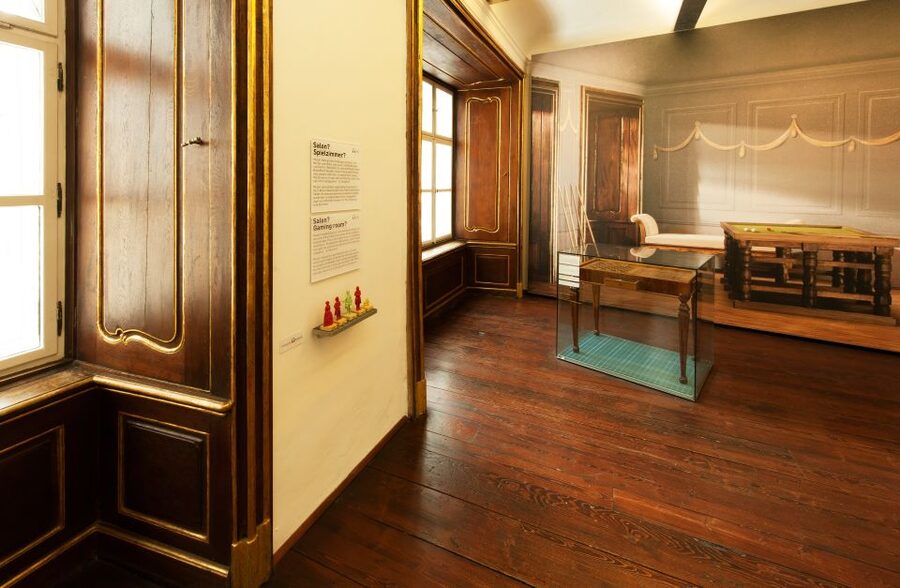
- Mozart’s only remaining Vienna apartment: his 1784–1787 home in the city center story
- Room-by-room audio guide in multiple languages for adults and children
- Three exhibition levels that connect daily life to the music he was writing
- A yearly changing special exhibition included in your ticket
- Small group setup with a limit of 10 participants
- Optional Mozart & More combo with Haus der Musik for extra interactive sound experiences
Mozart’s apartment in Vienna: what you’re actually stepping into
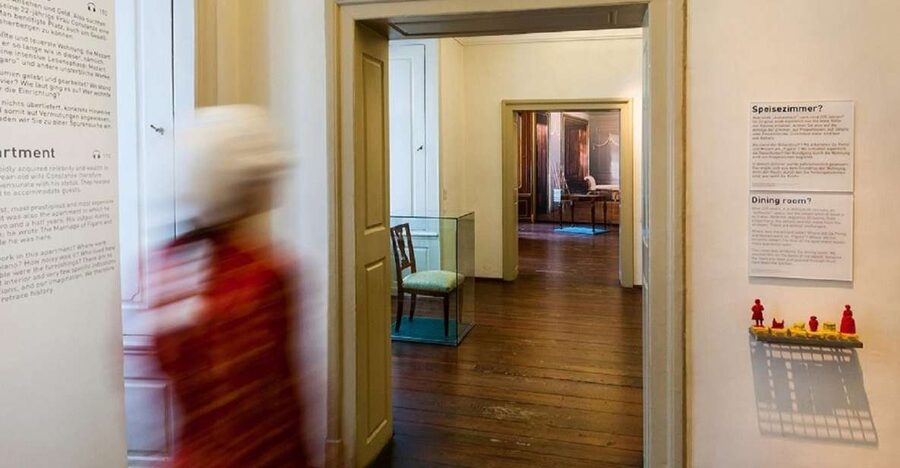
Mozarthaus Vienna isn’t a generic “Mozart facts” museum. You’re visiting the apartment where Mozart lived in Vienna from 1784 to 1787. That time matters, because it’s presented as the high point of his creative work in the city, when he composed more music than anywhere else.
The building is the hook. Standing in the same kind of rooms (and seeing the layout explained to you) gives you a different sense of scale than portraits or concert hall programs. You’re not just thinking about Mozart. You’re thinking about how a composer moved through space—where he might have sat, worked, and lived as Vienna’s musical scene shifted around him.
If you come with kids, this can work surprisingly well. The museum includes a children’s audio guide, so the content can meet younger listeners where they are—without turning the day into a lecture. If you’re visiting solo or as a couple, the same setup still helps, because you can pause, rewind, and focus on what you actually care about.
You can also read our reviews of more tours and experiences in Vienna.


Three levels of Mozart’s Vienna: how the exhibits keep you oriented
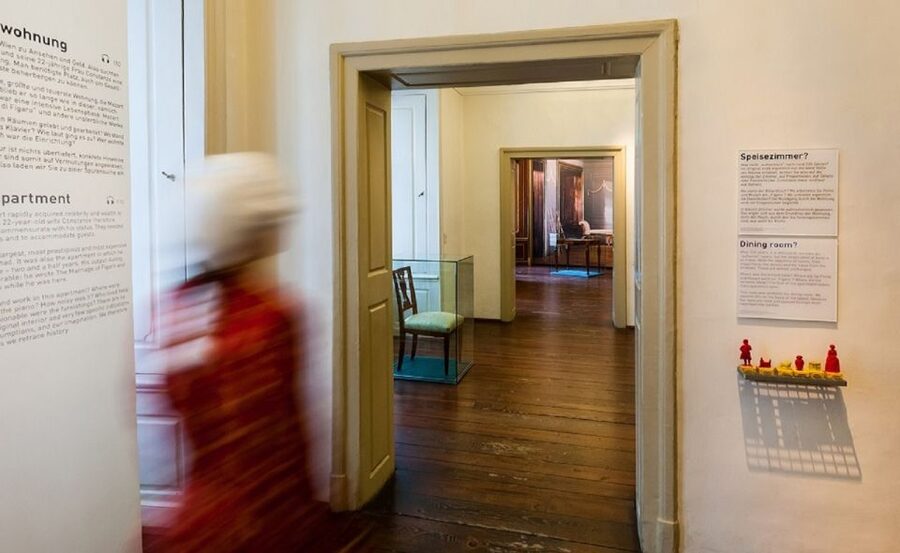
The permanent exhibition is designed around Vienna years, not just the composer himself. It’s set across three exhibition levels, which is a smart way to keep the story from becoming one long corridor of panels. As you move upward (and through), you get context: what Vienna sounded like, who else was working in the background, and how Mozart’s music fits the era.
Here’s what I like about that approach for real-world visits. Many museums race you through “big ideas.” This one aims to build a timeline feel. Instead of treating Mozart as a distant statue, it ties his life in Vienna to his most important works, and it does it without asking you to memorize a textbook.
A quick note on pacing: the museum experience can be “stop, listen, read, move again.” A few people find the balance more info-panels than interactive moments. If you’re not a dedicated classical music fan, you’ll still likely enjoy it—but you’ll want to lean on the audio guide so your ears, not just your eyes, do the work.
The audio guide setup: how to get the most from the languages
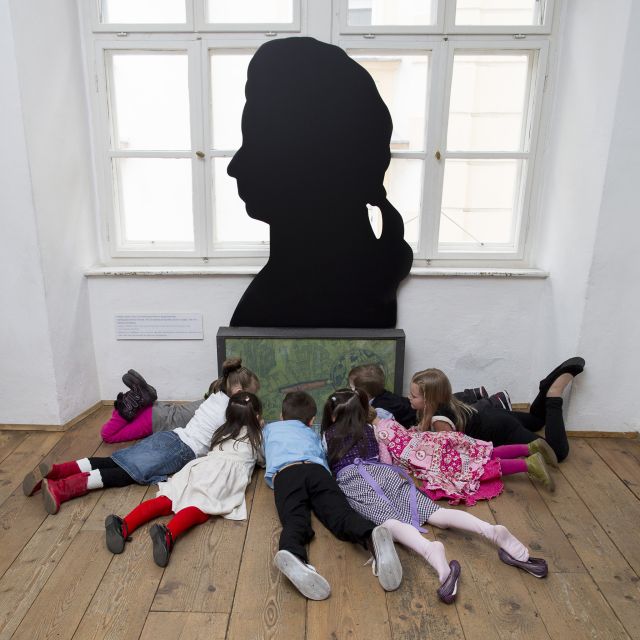
Your ticket includes an audio guide for adults in 13 languages, plus a children’s audio guide in 8 languages. The language list includes English, German, Slovak, Spanish, French, Hungarian, Italian, Polish, Russian, Chinese, Czech, Japanese, and Korean.
That matters because audio guides work best when you understand them easily. For families, it means kids can follow without needing constant adult translation. For adults, it means you can choose the language that keeps you fully in the story, not halfway distracted by unclear captions.
One practical tip from real-world visits: don’t arrive assuming everything will be on a dedicated headset device. Some audio setups may rely on your own phone, and you’ll be happier if you bring headphones. If you’re the type who hates sharing phone volume with a whole museum room, pack a small pair of wired or Bluetooth headphones.
Also, expect the day to be audio-forward. People often end up waiting for the next spot in the route after finishing a segment. If you like to skim at speed, you’ll want to keep moving intentionally rather than letting each room’s track freeze you in place.
Special exhibition included: the changing part of the visit
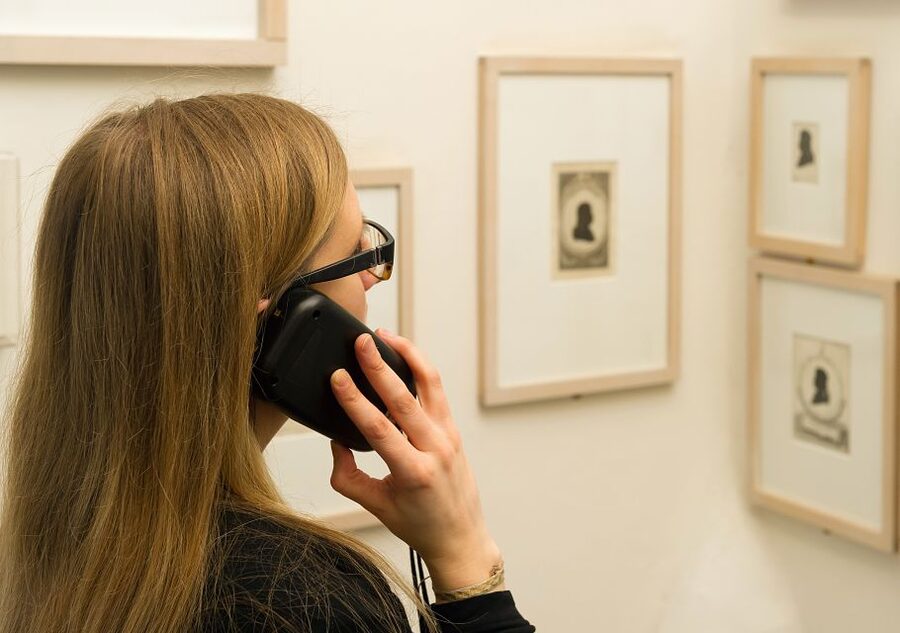
Beyond the permanent exhibition, Mozarthaus Vienna includes a special exhibition that changes each year. The ticket includes it, so you’re not just buying entry to a static display.
That’s a big deal for two reasons:
1) It keeps repeat visits more interesting.
2) It gives your day a bit of “today is the day” energy. Even if you’ve read about Mozart before, the special exhibit can add fresh angles—still rooted in Mozart’s Vienna years.
Photography rules and what that means for your photos
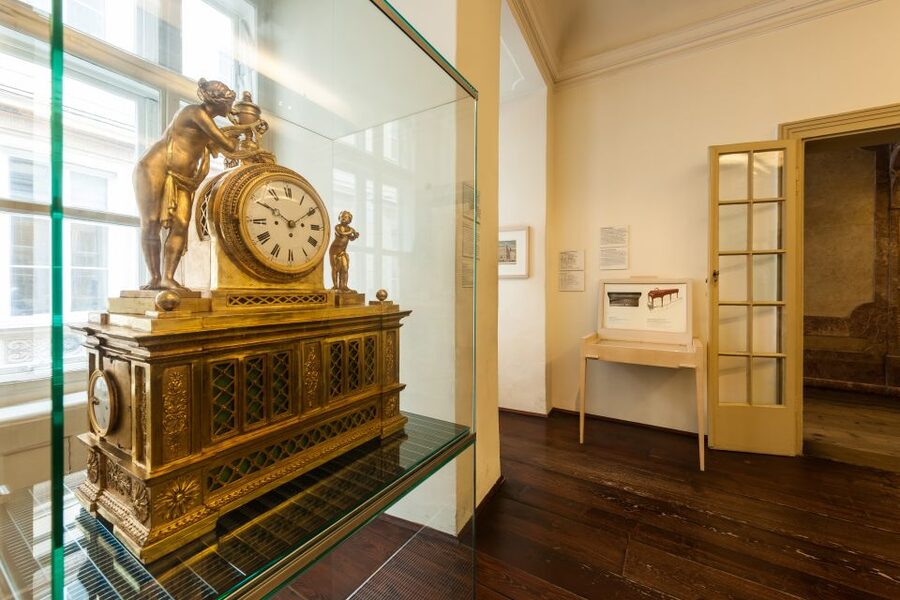
Inside the museum, video recording and photography are not allowed. That’s straightforward, but it affects how you plan your day if you like to document your trips.
What I recommend: think of your photos as outside-the-building memories. Inside, treat the visit like a listening experience. If you want proof for yourself later, rely on your notes, sketches, or saved highlights from what you heard—because you won’t be shooting your way through.




Where Haus der Musik fits: the Mozart & More combo ticket
If you pick the combo option with Haus der Musik, you’re adding a modern, interactive sound museum in the historic city center. It’s housed in a palace and spread across four floors, and the key difference is physical involvement: visitors try making music themselves.
This combo makes a lot of sense if you love the idea of pairing Mozart’s life story with sound-based play. Mozarthaus helps you understand the composer and the era. Haus der Musik lets you test that era’s ideas in a more hands-on way—especially for kids and anyone who learns by doing.
One practical way to think about it: do Mozarthaus first if you want the context for what you’ll hear later. Do Haus der Musik first if you want momentum and interaction right away. Either way, you’ll get two very different styles of learning, both linked by music.
Timing and pacing: how to plan for a 1-day visit
The ticket is valid for one day, with starting times depending on availability. So you’re not picking an open-ended “sometime today” entry—aim to lock in a time window that works with your wider Vienna plan.
Inside, expect a fairly self-guided flow with audio modules. The experience is small-group oriented (limited to 10 participants), which usually helps with easier movement and fewer bottlenecks.
Bring the simple day-visitor essentials:
- Water (you may be on your feet longer than expected)
- Headphones if your audio uses your phone
- Comfortable shoes
A small comfort note: some people report that the museum environment can run warm, which makes standing and reading feel slower. If you’re heat-sensitive, plan breaks into your pacing, and don’t treat each room like a sprint.
Who Mozarthaus Vienna is best for (and who might want Haus der Musik too)
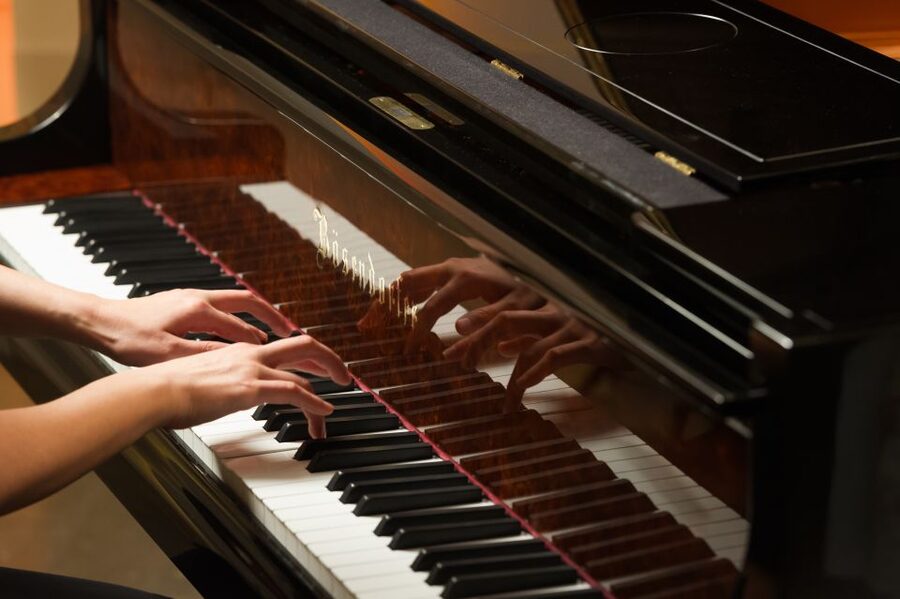
This works best for:
- Mozart fans, especially those who want Vienna years made concrete
- Families who like structured learning but need audio support to keep kids engaged
- People who enjoy historical context tied to music (not just “famous composer” trivia)
If you’re more casually curious about Mozart, you’ll still probably have a good time, but go in with expectations aligned to the format: a listening museum with lots of panels and fewer original objects on display than you might hope for.
If you’re deciding between the standalone ticket and the combo, choose the combo if you want the day to include interactive sound. Choose the standalone if you want a quieter, more focused apartment-and-exhibition experience.
Price value: what $18 buys you in practice
At around $18 per person, this is usually good value for a focused museum experience in the center of Vienna—especially because the audio guide is included and it’s designed for both adults and children.
You’re paying for three things:
1) Admission to a specific, high-interest place (Mozart’s only remaining Vienna apartment)
2) Multi-language audio guidance that controls the pace of your visit
3) Access to the permanent exhibition plus the yearly special exhibition
If you add the Haus der Musik option, you’re effectively buying yourself a second venue with a different style of learning. In that case, the value gets stronger because your day becomes a full “music brain” experience: context in one place, hands-on sound in the other.
Tips to make your visit smoother
A few small moves can make the day feel easier:
- Bring headphones for phone-based audio use
- Wear shoes you can stand in for a while
- Take breaks if you feel yourself getting stuck in panel reading mode
- Plan to accept the photo/video ban and focus on memory-making instead
Also, keep an eye out for small differences inside the museum experience. Some audio and visual elements may be presented in ways that don’t always match what you’ve seen in other Mozart sites (for example, you might encounter projections rather than physical originals). That doesn’t ruin the visit—it just means you should trust the audio story as the main guide.
Should you book Mozarthaus Vienna with Audio Guide?
Yes, you should book it if you want Mozart in Vienna tied to real rooms and real context. The combo between the preserved apartment setting and a multi-language audio guide is a strong way to learn without racing.
Skip it (or strongly consider pairing it with Haus der Musik) if your main goal is hands-on music play or if you’re sensitive to standing and long audio/listening sections. In that case, you may enjoy the interactive sound side more than this museum’s listening-first format.
If you’re unsure, here’s the practical deciding rule: if Mozart’s life feels interesting to you as a story, book Mozarthaus. If music experience needs to feel physical, add Haus der Musik.
FAQ
How long is the Mozarthaus Vienna experience?
The ticket is for a 1-day visit. You check availability to see the starting times.
What’s included with the ticket?
Admission to Mozarthaus Vienna is included, along with an audio guide for adults in 13 languages and a children’s audio guide in 8 languages. A cloakroom is also included. If you select the option, admission to Haus der Musik is included too.
Is the audio guide available in English?
Yes. The audio guide language list includes English (and many other languages).
Can I take photos or record video inside?
No. Video recording and photography inside the museum are not allowed.
Is Mozarthaus Vienna wheelchair accessible?
Yes. The experience is listed as wheelchair accessible.
Is this a small group experience?
Yes. It’s set up as a small group with a limit of 10 participants.