REVIEW · VIENNA
Vienna: Schlumberger Wine Cellar Guided or Self-Guided Tour
Book on GetYourGuide →Operated by Schlumberger Kellerwelten · Bookable on GetYourGuide
A 19th-century cellar lesson in bubbles. I love the self-paced audio format and the chance to try the hands-on hand-riddling station that explains how sparkle is created inside the bottle. The one catch: the cellar runs cold, and you’ll want a plan for audio comfort (headphones are sold on site).
This tour works well if you like structure without feeling rushed. You’ll wander through the vaults, learn the Schlumberger story dating back to 1842, then finish with a tasting set based on sparkling, rosé, or a mix. For €15, it’s strong value, but go at a time that’s not jammed if you hate crowds.
In This Review
- Key Things to Know Before You Go
- Entering Schlumberger Kellerwelten’s Cellar: part museum, part tasting
- The Carl Ritter von Ghega vaults and the Schlumberger story starting in 1842
- Your 60-minute audio walk: learning how the sparkle is born
- Languages and audio setup
- Hand-riddling bottles: the hands-on station that makes the science real
- The tasting sets after the tour: sparkling, rosé, or a mix
- Can you take bottles home?
- Price and value in Vienna: what you pay for and what costs extra
- Timing, crowding, and getting there without stress
- Who should book this Schlumberger cellar tour (and who should skip it)
- Should you book Schlumberger Wine Cellar in Vienna?
- FAQ
- How long is the Schlumberger Wine Cellar tour?
- Is the tour guided by a person?
- What is included with the ticket price?
- Do I need headphones for the audio?
- What tasting options are available after the tour?
- How many glasses of wine are included?
- What languages is the audio guide available in?
- Is it suitable for children?
- What’s the best time to go in terms of crowding?
Key Things to Know Before You Go
- Self-guided audio tour (about 60 minutes) so you set the pace through the cellar vaults
- Old-world sparkling production explained with exhibits focused on how bubbles form
- Hand-riddling on wooden sloping racks to understand riddling, disgorging, and dosage
- Three tasting set choices after the tour: sparkling, rosé, or a mix
- Cellar temperature runs cool, so bring a jacket even in summer
- Headphones may be needed (sold for a small fee if you don’t have earbuds)
Entering Schlumberger Kellerwelten’s Cellar: part museum, part tasting
Schlumberger Kellerwelten is the kind of stop you remember because it’s not just “look at barrels.” You walk through a real working-style wine cellar setup while an audio guide keeps you oriented, explains the production steps, and ties it back to Schlumberger’s long timeline.
I like that this experience is self-guided, not a rigid group sprint. You can stop for photos, linger at exhibits, and take the tasting part at a relaxed pace. And because the tour is designed around a story—grape to glass—it feels useful, not random.
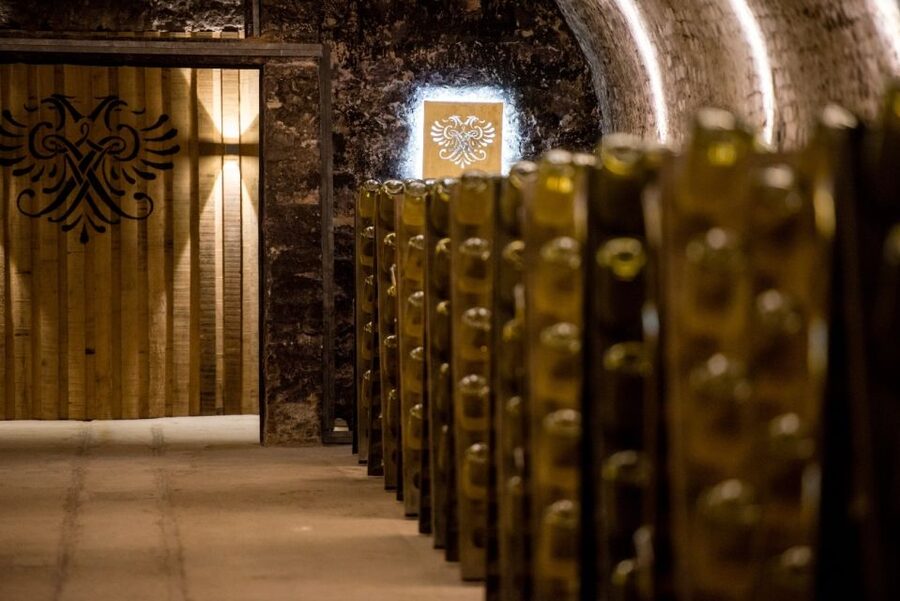
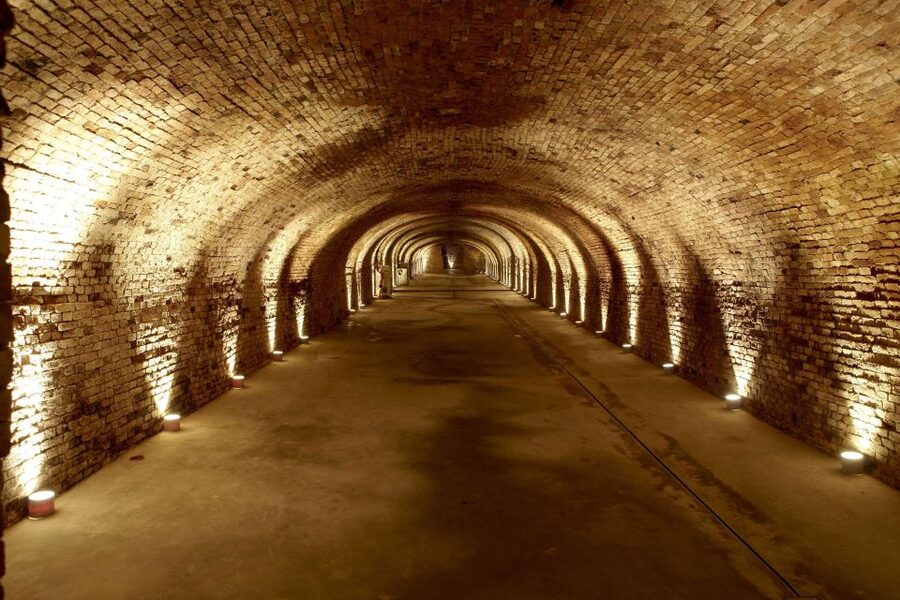
The setting also sells the idea fast. From the outside, you might not guess what’s inside. But once you’re walking the cellar passages, the whole experience clicks: stone vaults, bottle storage, and that unmistakable “we’re making something here” atmosphere.
You can also read our reviews of more tours and experiences in Vienna.


The Carl Ritter von Ghega vaults and the Schlumberger story starting in 1842
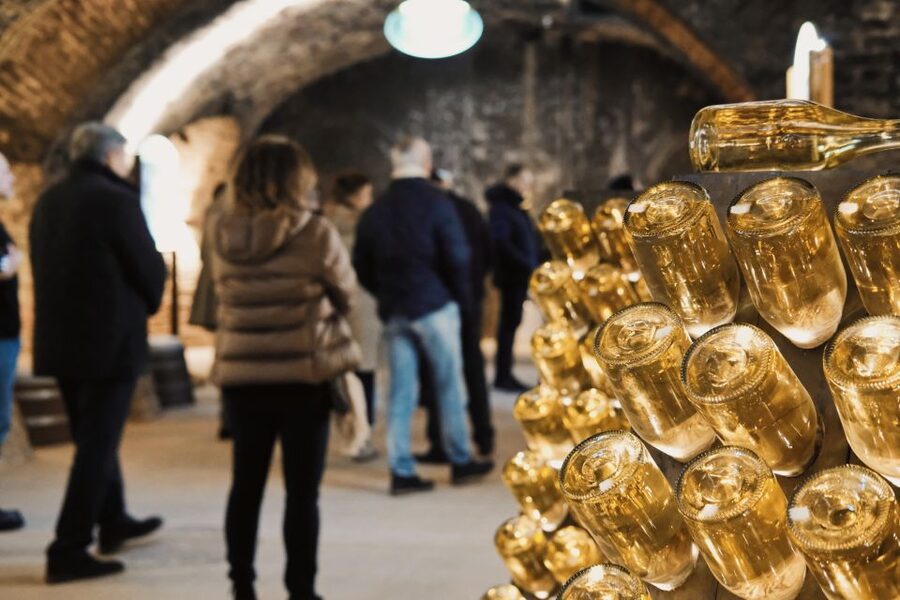
The cellar labyrinth is built and designed by the engineering genius Carl Ritter von Ghega. If you’re the type who likes “place matters,” this is a big reason the visit works. Those vaults aren’t just background; they shape how you experience the space and move between exhibits.
Then the history lands. You’ll learn about Schlumberger’s roots, with the brand story dating back to 1842. It’s not only branding trivia. It helps explain why the cellar is built the way it is and why sparkling wine traditions matter here.
One practical thing I’d keep in mind: this is not in Vienna’s city center. It’s still very doable with public transport, but you should plan on a short ride rather than assuming a quick walk from a major square.
Your 60-minute audio walk: learning how the sparkle is born
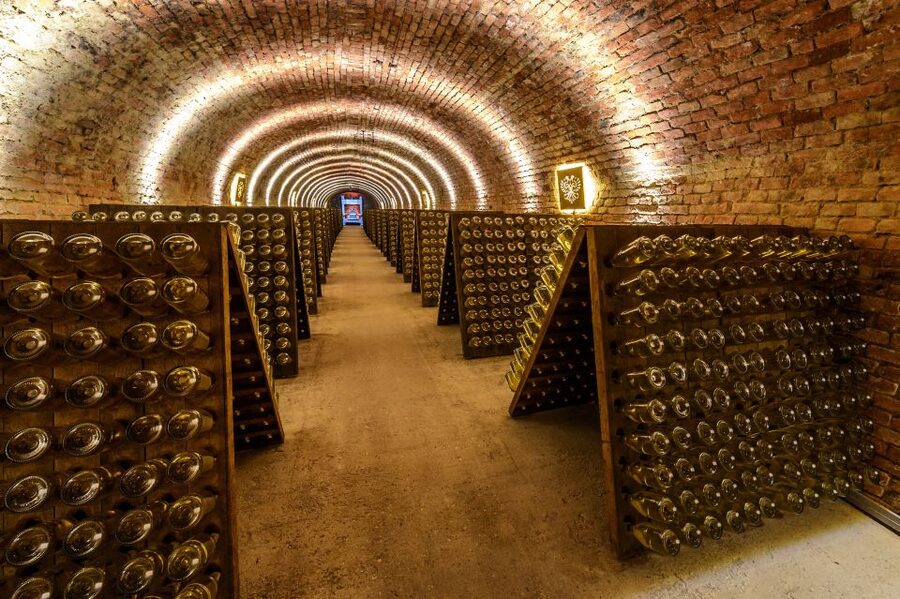
The audio tour runs about 60 minutes. It’s built around the origin of sparkling wine and champagne-making methods, and it explains how the sparkle is born inside the bottle. That sounds simple, but in practice it helps you connect what you’re seeing in the cellar to what you’ll taste at the end.
Because it’s self-guided, you’re not stuck listening to someone else’s pace. I like that you can pause to read captions and step closer to displays. The experience also tends to be easier if you enjoy hands-on learning: you’ll move through themed areas instead of just staring at one big room.
The audio guide is optional, but when you use it, the visit becomes more than a stroll. You’ll get the “why” behind the process: what happens before bubbles, how they’re created, and what comes next to bring wine to the final stage.
Languages and audio setup
The audio guide is available in a lot of languages: German, English, Spanish, Italian, French, Japanese, Russian, and Chinese. That’s a win for international visitors.
Headphones aren’t included. A headset costs extra (listed as €1), and if you don’t use earbuds, you may find the device needs to stay close to your ear to hear comfortably. My advice: bring earbuds or plan to buy headphones on site.
Hand-riddling bottles: the hands-on station that makes the science real
One of the most fun parts is the chance to try the hand-riddling activity. You’ll stand by wooden sloping racks where you can experience how bottles are positioned for the riddling stage.
It’s not just a gimmick. The audio guide connects what you do with what you learn about the sparkling wine workflow. You’ll also hear the terms that matter: disgorging and dosage. Even if you don’t memorize every step, you’ll understand the concept—how sediment is handled at the end of the traditional sparkling process, and why a dosage step shapes the final taste.
I really like experiences where the “action” matches the explanation. Here, the activity helps you picture what the process looks like physically, not just as a description. That makes your later tasting more interesting because you’ll know what to look for in terms of structure and finish.




The tasting sets after the tour: sparkling, rosé, or a mix
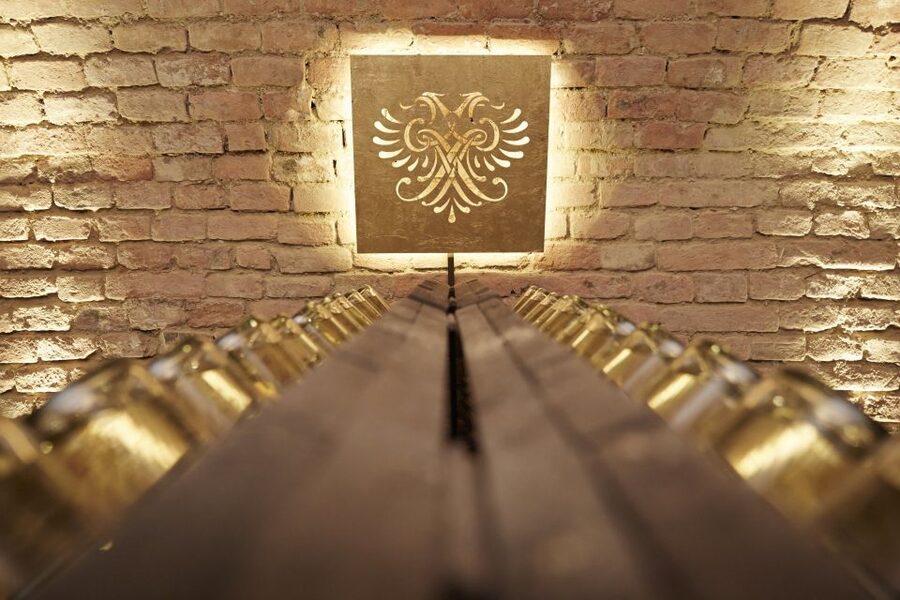
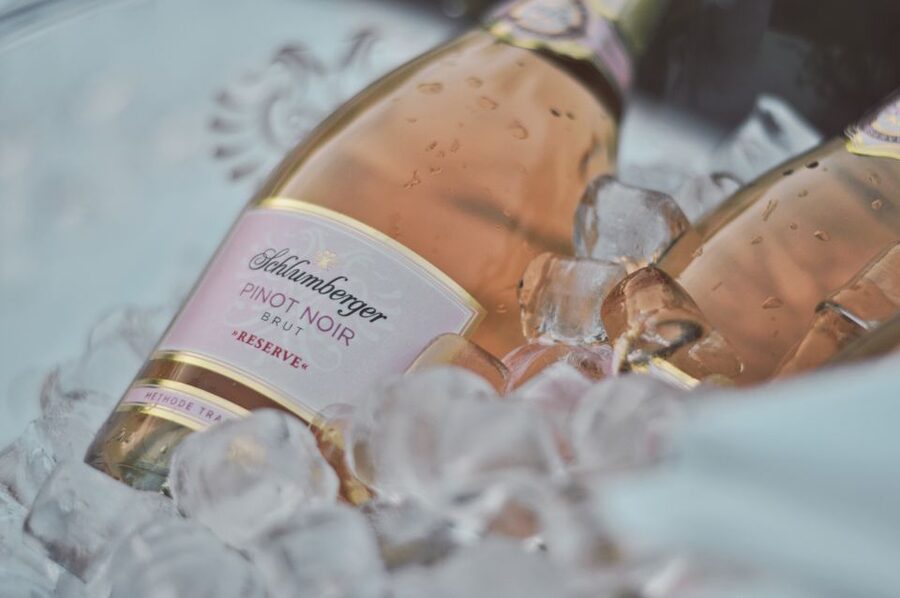
After the audio walk, you get to choose one of three tasting sets. The sets focus on sparkling wines, rosé wines, or a mix. That structure is smart because it gives you control over what you’re most curious about.
In practice, you’re tasting to compare styles, not just sampling. If you’re unsure which category you’ll enjoy most, I’d base your choice on what you already like:
- If you love classic sparkling character, pick the sparkling set.
- If you usually go for lighter, fruit-forward bottles, the rosé set can feel more friendly.
- If you’re indecisive or curious, the mix set makes sense.
Also, the tasting doesn’t pressure you into buying. The set is included with your ticket, so you can treat it like a guided tasting lesson. If you end up loving what you try, you’ll have an easy path to purchase from there.
Can you take bottles home?
You may be able to take home bottles or even a couple of bottles if you want to continue the learning later. The cellar shop option is part of why this visit feels more satisfying than a one-time show.
Price and value in Vienna: what you pay for and what costs extra
The price is listed at $15 per person for the experience. For that, you get admission, the self-guided audio tour, and the included tasting set.
That’s a strong base value because you’re paying for three things together: a guided-style learning route, access to the production-focused cellar exhibits, and a tasting payoff. Many Vienna wine experiences either focus on tasting without much production context, or they focus on a tour with no real sampling.
A couple of extras to know about:
- Headphones cost extra (around €1).
- You typically receive one standard glass included, and additional glasses cost extra. One review notes additional glasses are priced at about 3 euros for regular and 5 euros for premium.
So if you want to seriously sample, set your budget for extra drinks. But if your goal is learning plus a taste, the included set is enough to make the visit feel worthwhile.
Timing, crowding, and getting there without stress
Plan around time-of-day. The experience is open starting at 12:00 PM. If you go earlier, you may get a quieter experience before bigger groups arrive. One review notes it can get packed after a large tour group comes in, so if you prefer breathing room, start with the earliest slot you can handle.
On location: it’s about 20 minutes from Stephansplatz by public transport. That’s not a dealbreaker, but it matters. You’ll want to factor in transit time so you don’t feel rushed when you arrive.
One more very practical tip: bring a jacket. The cellar is cold. Even if you’re comfortable outside, the cellar temperature can catch you off guard, especially if you stay longer while reading exhibits or waiting for your audio track to finish.
Who should book this Schlumberger cellar tour (and who should skip it)
This tour is best for adults (and teens who are actually old enough). It’s not suitable for children under 16, so it’s a good match if you want a grown-up tasting-and-learning setting.
You’ll likely enjoy it if:
- You like wine process explanations, especially sparkling wine techniques
- You enjoy self-guided touring where you can pause and move at your pace
- You want a tasting that’s included, not an add-on with extra ticket steps
You might hesitate if:
- You hate audio-guided experiences and need constant in-person narration
- You dislike cold spaces
- You’re very sensitive to crowd levels and arrive at peak times
Should you book Schlumberger Wine Cellar in Vienna?
If you like sparkling wine and want a structured, production-focused experience without a rigid schedule, I think this is an easy yes. For €15, you’re getting the key ingredients: a self-paced cellar walk, a hands-on station with hand-riddling, and a tasting set that lets you connect what you learned to what you taste.
Book it if you want value and control. Skip it if you only want a casual drink stop or if you’re not into the idea of learning the process behind bubbles. Either way, go prepared with a jacket and earbuds, pick a tasting set that fits your taste, and give yourself enough time to actually enjoy the exhibits as you walk.
FAQ
How long is the Schlumberger Wine Cellar tour?
The self-guided audio tour is listed as about 1 day experience total, and the audio tour itself is described as 60 minutes.
Is the tour guided by a person?
No. It’s a self-guided tour with an audio guide.
What is included with the ticket price?
Your ticket includes admission, the self-guided audio tour, and a tasting set.
Do I need headphones for the audio?
Headphones are not included. They’re sold on site for an extra €1, so bring earbuds if you prefer.
What tasting options are available after the tour?
After the tour, you can choose one of three tasting sets: sparkling, rosé, or a mix.
How many glasses of wine are included?
The included tasting set includes one standard glass. Additional glasses cost extra (noted as 3 euros for regular and 5 euros for premium).
What languages is the audio guide available in?
The audio guide is available in German, English, Spanish, Italian, French, Japanese, Russian, and Chinese.
Is it suitable for children?
It’s not suitable for children under 16.
What’s the best time to go in terms of crowding?
It opens at 12 PM. If you want to avoid being packed in, consider going earlier rather than later when larger groups arrive.