REVIEW · PORTO DISTRICT
Pinhão: 2-Hour Rabelo Boat Tour with Audio Guide
Book on GetYourGuide →Operated by Magnifico Douro · Bookable on GetYourGuide
Two hours on a Rabelo boat feels like travel. You cruise the Douro Valley, a UNESCO wine region with terraced vineyards, and you pass under the famous Eiffel-style iron bridge while drifting from Pinhão toward Tua. It’s a classic Rabelo boat experience, with a downloadable audio guide that adds context without turning your trip into a lecture.
What I like most is how the audio guide app pairs with what you’re seeing, including details on the wineries and the river. Second, the two-hour timing hits a sweet spot: enough time to notice the changes on the way up and down, without feeling like you’re doing the same ride forever. One caution: this is an app-first tour, so if your phone struggles with downloading or playback, you’ll want to plan for that and bring earphones.
In This Review
- Key takeaways before you go
- Why this Douro cruise works (Rabelo style, not a bus tour)
- Getting oriented at Pinhão Pier and the Eiffel bridge moment
- The Pinhão to Tua leg: what you see between the quintas
- Ponte do Pinhão: the first big vista
- Quinta do Bomfim and Quinta da Roeda: the terraced vineyard rhythm
- Vieira de Sousa – Quinta do Roncão and Quinta da Romaneira: river-close details
- Quinta de Merouço – Casa do Rio and Quinta dos Malvedos: more terraces, tighter views
- Foz Tua and Barragem do Tua: the turnaround point
- The return downriver: why going back feels different
- Audio guide app reality: how to avoid dead silence
- What the boat feels like: comfort, space, and photo strategy
- Price and value: is $35 for 2 hours a good deal?
- Who should book this Pinhão to Tua Rabelo tour
- Should you book this boat tour?
- FAQ
- Where is the meeting point for the Pinhão Rabelo boat tour?
- How long is the tour, and how much does it cost?
- Is the audio guide included, and what languages are available?
- Do I need to bring earphones?
- Are drinks included on the boat?
- Will the tour run if there aren’t many passengers?
Key takeaways before you go
- Rabelo boats with open and closed areas so you’re not stuck in the weather
- A loop from Pinhão to Tua (and back), with a turnaround near the dam area
- Geo-localized audio in 5 languages via the Magnifico Douro Boat Tour app
- You pass a string of well-known quintas along the river corridor (Bomfim, Roeda, Malvedos, Roriz, and more)
- Small-boat feel (around 20 people is common), with room to move and take photos
- Drinks aren’t included, so plan water and any port tastings elsewhere
Why this Douro cruise works (Rabelo style, not a bus tour)
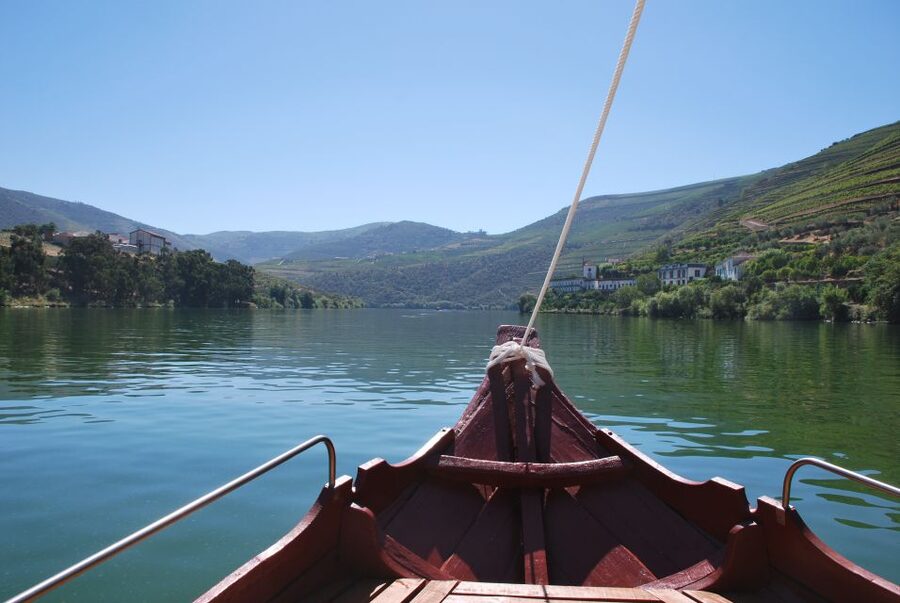
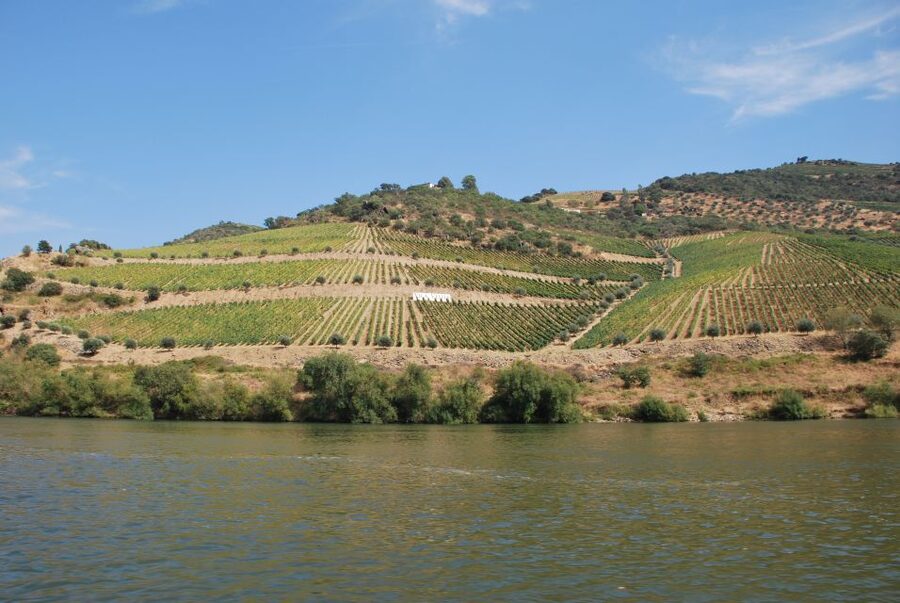
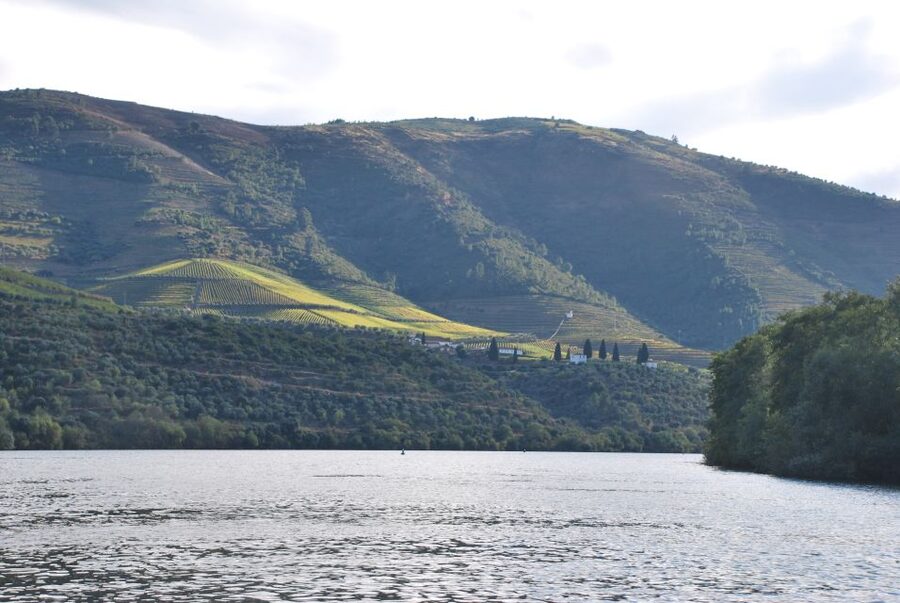
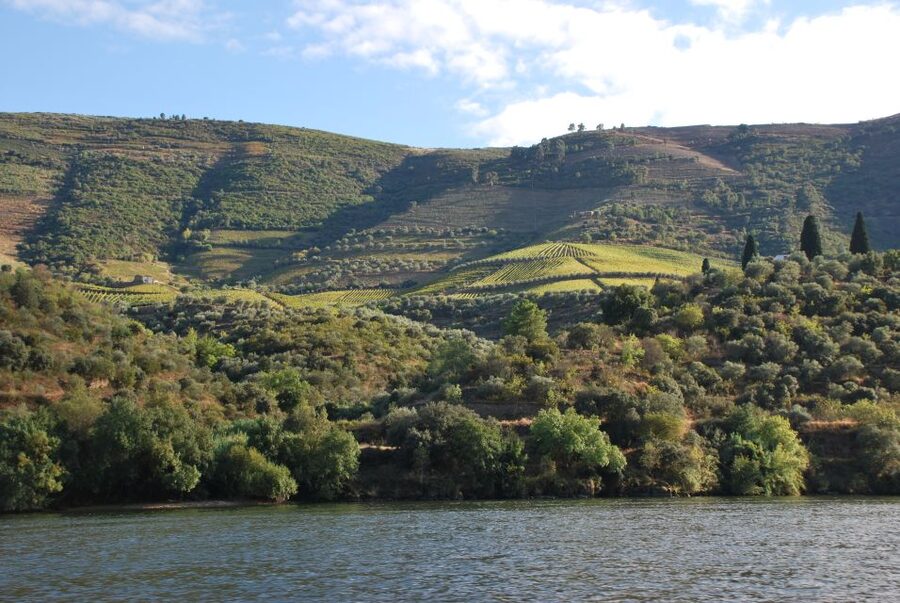
The Douro Valley is famous for its terraces, but seeing them from land is different from sliding past them on the river. From the boat, you get that slow, level view where the vineyards look stacked up the hills in long bands—and you can actually appreciate how high and close everything sits to the water.
You’re also on a boat that was designed for this river. Rabelo boats have an old-school silhouette, and on this tour you’ll find both open and closed areas. That matters more than you’d think. If it’s sunny, you can hop into shade. If it’s breezy or rainy, you can stay covered without losing the sightlines.
Finally, the “no traffic” feel is real. The route runs in a part of the Douro where you don’t have big road noise or the visual clutter you can get from shore viewpoints. You feel the river and the wineries—quiet, direct, and easy.
Getting oriented at Pinhão Pier and the Eiffel bridge moment
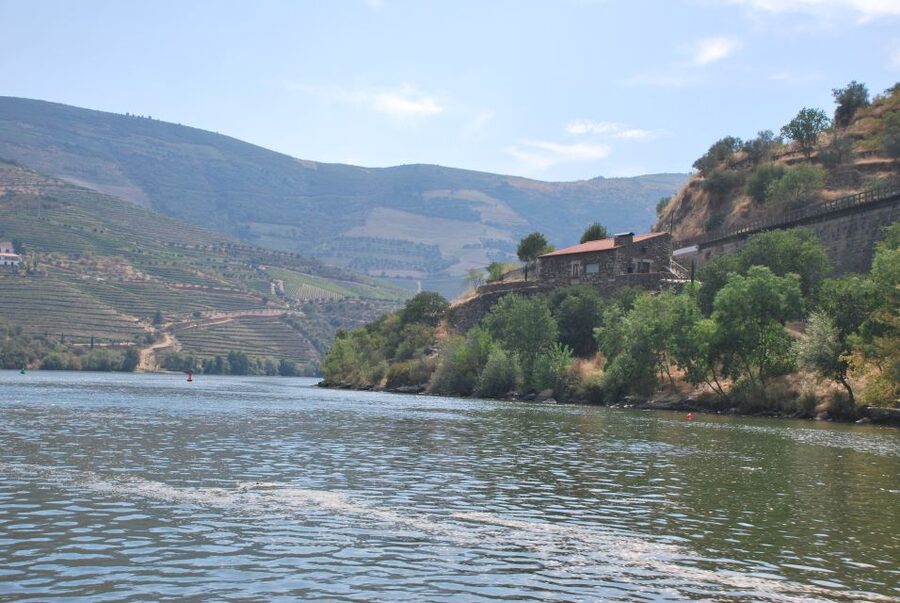
The tour starts at Magnifico Douro Pier in Pinhão, near the iron bridge and in front of the Vintage House Hotel garden gate. The easiest way to find it is to enter from the bridge side and follow the pier area to the Magnifico Douro staff.
Within moments of boarding, you’re dealing with one of the defining river landmarks: the bridge crossing. The cruise heads upstream from Pinhão, passing under the iron bridge area and moving into that classic Douro rhythm—river water in front, vineyards climbing the slopes, and no big detours or interruptions.
This is also where you’ll want to get your phone ready. The tour is audio-guide driven, and the experience is much smoother if you’ve already downloaded the app on your own device and tested your earphones before you cast off.
The Pinhão to Tua leg: what you see between the quintas
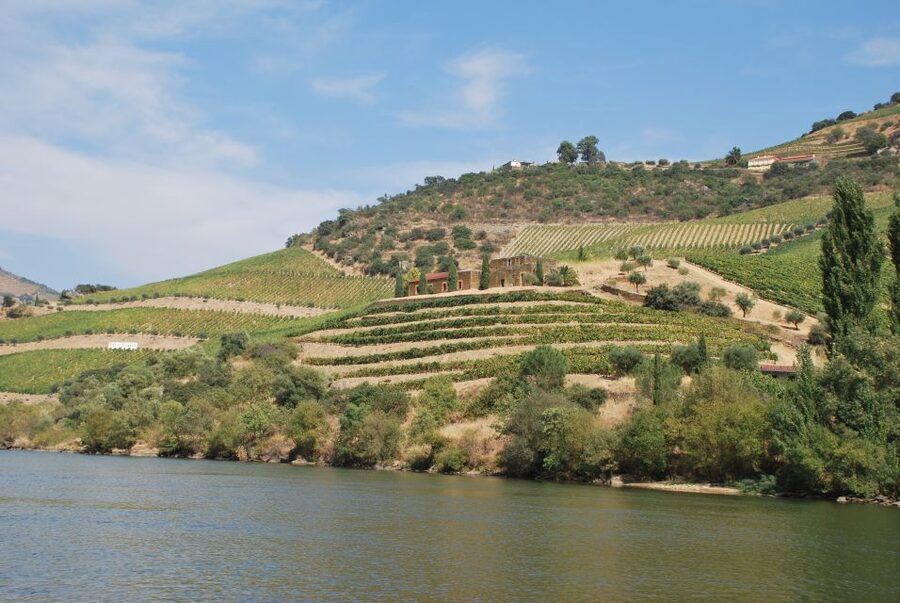
This cruise goes up the river from Pinhão toward the Tua area, then turns around and comes back. Even though it’s a round-trip on the same general corridor, the direction change gives you different angles on the terraces and winery fronts.
Here’s how the experience typically unfolds along the upstream route:
Ponte do Pinhão: the first big vista
Right after boarding, the boat glides along the Ponte do Pinhão stretch. This is your “wake-up” moment—when you first feel how the river threads through steep, vineyard-covered hills. It’s a good time for photos that include both the water and the terraces, because you’re still getting your bearings.
Quinta do Bomfim and Quinta da Roeda: the terraced vineyard rhythm
Soon you pass Quinta do Bomfim and Quinta da Roeda. These stops are less about a single building moment and more about noticing the patterns: terraces that step up the hills, vine rows that curve with the terrain, and winery areas that sit close to the riverbank.
If you like wine-country details, this is where the audio guide becomes useful. You’re seeing the river-adjacent side of the estates, not the tasting-room view, so the descriptions help you connect what you see to the broader wine region.
Vieira de Sousa – Quinta do Roncão and Quinta da Romaneira: river-close details
Next come Vieira de Sousa – Quinta do Roncão and Quinta da Romaneira. From the boat, you get a sense of how the quintas relate to water access. Everything looks built around the river’s curve and grade—like the whole wine economy grew outward from the shoreline.
Practical tip: if you’re prone to motion blur, grab your pictures while the boat is gliding steadily and the turn isn’t happening yet. The ride is gentle, but the “photo window” still comes and goes.
Quinta de Merouço – Casa do Rio and Quinta dos Malvedos: more terraces, tighter views
After that, Quinta de Merouço – Casa do Rio and Quinta dos Malvedos bring you back into that “vineyards on repeat” feeling—except now you can see subtle differences in how the terraces are arranged and where winery buildings sit relative to the water.
This is also where you’ll notice why the trip is a full 2 hours instead of shorter. You get time to learn the view, then time to appreciate the variations.
Foz Tua and Barragem do Tua: the turnaround point
As the cruise approaches Foz Tua, you’re moving closer to the area where the river meets the Tua region. Then you pass Barragem do Tua, the dam area.
Even if you don’t care about the engineering side, it changes the feel of the river. It’s the “end of the story arc” before you turn back, so mentally it’s a marker that the return leg is about different angles rather than a totally new stretch.
The return downriver: why going back feels different
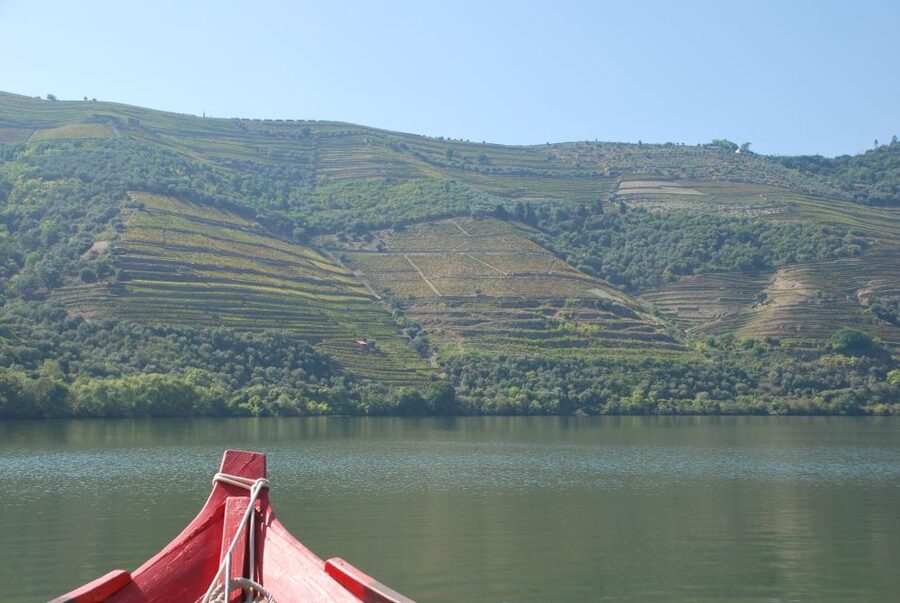
On the way back to Pinhão, you’ll pass back through much of the same corridor, but it won’t look identical. The simplest reason is the direction of travel. The sun, the angle of the hills, and the way terraces cut across your line of sight all shift.
More stops appear on the way down, including Quinta do Roriz, Quinta do Pessegueiro – Adega e Visitas, Quinta do Ventozelo, and Quinta das Carvalhas. If you’re using the audio guide, this is the time you’ll likely notice how the app guides you along the sights you missed or didn’t have time to focus on earlier.
One reality check: some people find the return leg can feel a bit repetitive if they expect brand-new sights every minute. If you’re the type who wants constant novelty, I’d still say the two-hour format is worth it—but you may enjoy the cruise most if you treat it like slow sightseeing rather than a checklist.
Audio guide app reality: how to avoid dead silence
This tour gives you a free audio guide through the Magnifico Douro – Boat Tour app. It’s available in English, French, German, Portuguese, and Spanish, and it’s meant to be listened to on your own phone with earphones.
Here’s how to make it work smoothly:
- Download the app before you arrive. Several passengers reported playback issues or missing commentary when connection was unreliable.
- Bring your own earphones. One big downside to not using them is that the audio from phones becomes a group soundtrack you don’t want.
- Expect that the app may work best in parts. Some feedback suggests the audio is focused on the upriver portion, so don’t panic if it feels less active at certain points.
Good news: the crew can be helpful if you get stuck. Multiple people described staff assisting with download and setup right on the pier or during boarding. If your phone can’t handle the app, I’d still ask the crew for guidance early, before you settle in.
Also, don’t forget weather and wind. In open sections, phone speakers aren’t enough anyway. Earphones keep the soundtrack personal and keep you free to enjoy the quiet river sound under it.
What the boat feels like: comfort, space, and photo strategy
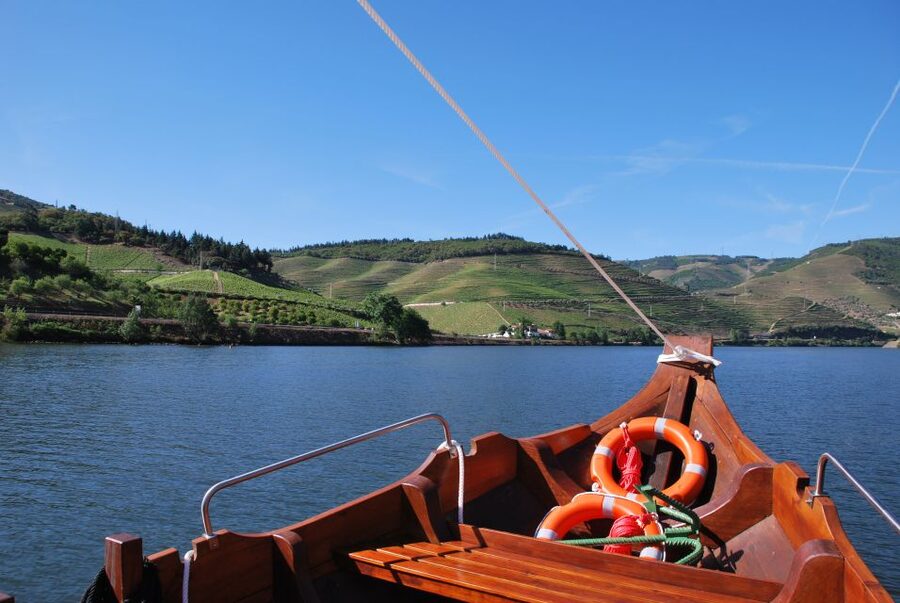
The boat is described as a smaller option, and one common detail is that it carries around 20 passengers. That size matters on the Douro, because the views are narrow and most people want to move and photograph the terraces as they appear.
You’ll usually have room to shift sides to catch the best light. The seating setup is also built for real conditions: open and closed areas let you stay comfortable without abandoning the view.
Shade can be limited depending on the time of day, so if you’re sensitive to sun, aim for a moment when you can take breaks under cover. Reviews specifically mentioned enough shade to escape the sun, so the design seems to work in practice.
One more practical note: the ride is gentle, not a speedboat blast. That’s a plus for photos and for people who get motion sickness easily—but bring layers anyway. The river can change character between the outward and return legs, and wind shows up when you least expect it.
Price and value: is $35 for 2 hours a good deal?
At $35 per person for 2 hours, this is priced like a straightforward, high-value sightseeing activity—not like a premium wine experience. That’s a fair trade, because you’re not paying for a meal or a guided tasting. You’re paying for the boat time, the access to this specific stretch, and the audio storytelling.
To judge value, consider what you’re actually getting:
- A full 2-hour cruise with time to absorb the river and the quintas
- A smaller-boat feel, often with fewer people than the shortest options
- An audio guide in five languages that you control on your phone
- The ability to move around for photos without being stuck in a bus seat
What’s not included is drinks. That’s normal for river cruises, but it means you should plan water and any port-tasting moments on land. If you’re coming from a train day or visiting a quinta earlier, this boat tour can act like your “second view” of the valley—seen from the water instead of from a vineyard terrace.
If your schedule is tight, a shorter cruise might look tempting. But if you hate redundancy, you’ll likely appreciate the extra hour here. Some people felt the 2-hour format is the right length for seeing multiple quintas and still feeling like it flew by.
Who should book this Pinhão to Tua Rabelo tour
This is ideal if you want:
- A scenic Douro experience without the stress of a full-day land tour
- A quiet, low-pressure way to understand the wine region while you watch terraces slide by
- The chance to enjoy the river in different weather, thanks to open and closed areas
It’s also a solid pick if you’re traveling in a mixed group—people who love photos, people who just want the views, and people who like explanations. The app lets everyone listen at their own pace.
Two situations where I’d hesitate:
- If you absolutely want a live, on-the-spot guide speaking face-to-face for the whole trip, you may find the app style less satisfying.
- If you’re worried about your phone downloading reliably, treat the setup as part of the experience prep. Download ahead, and bring earphones.
Should you book this boat tour?
If you’re in Pinhão and you want the Douro Valley in a way that feels calm and visual, I think this is an easy yes. The combination of a smaller-boat feel, a full two hours, and a usable audio guide makes the experience worth the price for most visitors.
Book it if you can do the basics right: download the app ahead of time and pack your earphones. If that’s not your style, consider whether you’d prefer a tour with a more traditional live guide.
FAQ
Where is the meeting point for the Pinhão Rabelo boat tour?
You’ll meet at the Magnifico Douro Pier in Pinhão, near the iron bridge, in front of the Vintage House Hotel garden gate. Enter by the bridge.
How long is the tour, and how much does it cost?
The tour lasts 2 hours and costs $35 per person.
Is the audio guide included, and what languages are available?
Yes. The audio guide is included and available in English, French, German, Portuguese, and Spanish. It’s provided through the free app on your phone.
Do I need to bring earphones?
Yes. The tour asks you to bring your own earphones for a more pleasant experience, since the audio is listened to on your mobile device.
Are drinks included on the boat?
No. Drinks are not included.
Will the tour run if there aren’t many passengers?
A minimum of two passengers is required for the tour to operate.