REVIEW · VIENNA
Vienna: Scavenger Hunt Self-Guided Tour
Book on GetYourGuide →Operated by Stadtspiel Schnitzeljagd GmbH · Bookable on GetYourGuide
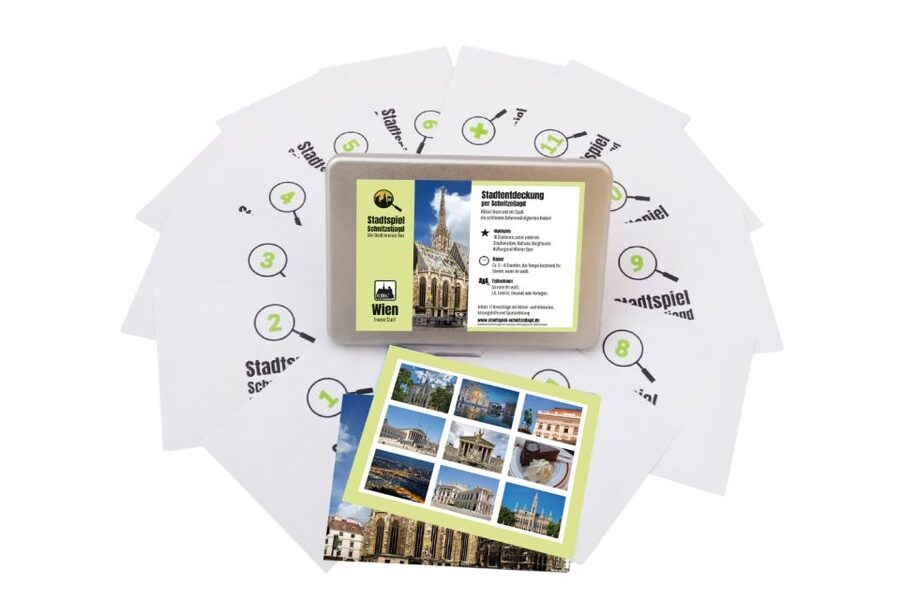
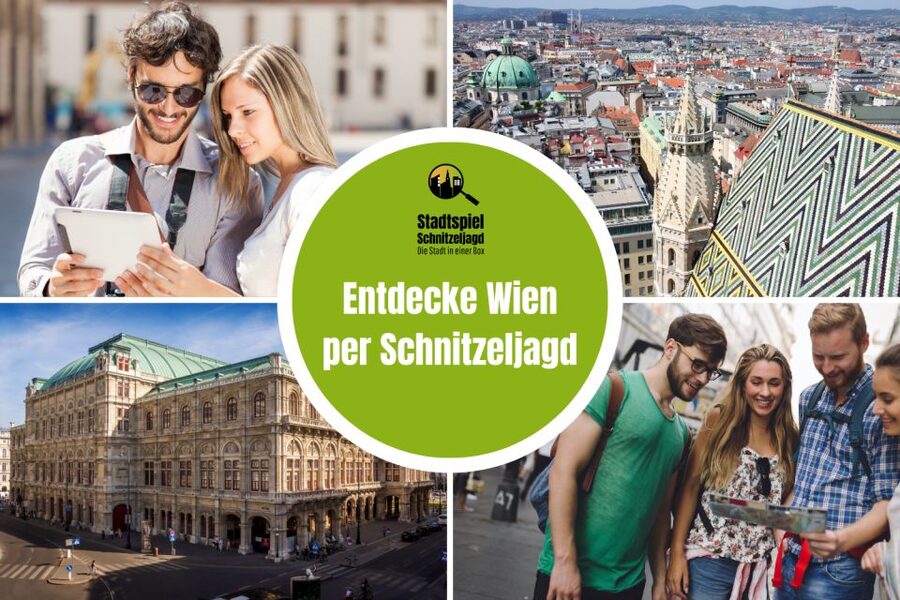
Vienna turns into a game when you follow numbered clues. This self-guided scavenger hunt mixes city sightseeing with short, sealed tasks that nudge you past major sights like St. Stephen’s Cathedral. It’s the kind of walk that helps you see the center of town instead of just marching through it.
I like how flexible it is: you choose when to start, when to pause, and how long to linger. I also like the structure—16 envelopes with riddles, directions, and facts keep you moving while still letting you stop for photos.
One thing to consider: you’ll need the hunt box shipped to you ahead of time, and there’s no guide waiting to interpret the puzzles on the spot.
In This Review
- Key things I’d plan around
- How the Vienna scavenger hunt really works (16 envelopes, one emergency envelope)
- Your route: from St. Stephen’s Cathedral to the Hofburg area
- St. Stephen’s Cathedral and Graben: get oriented fast, then slow down
- Votiv Church and Vienna City Hall: big architecture, guided by puzzles
- Burgtheater and Heldenplatz: culture and power in the open air
- Vienna Hofburg and Michaelerplatz: the imperial core, paced for walking
- Albertina and coffee house culture: why the clues feel more than decorative
- The finish: Sacher cake and coffee to end your day right
- Price and value: $52 per group (up to 10) for a half-day of city focus
- Timing, pace, and difficulty: how to avoid frustration
- Logistics that actually matter: the mailed box and self-guided start
- Who this Vienna scavenger hunt suits best
- Should you book this scavenger hunt?
- FAQ
- How long does the Vienna scavenger hunt take?
- Where does the scavenger hunt start?
- Is there a guide at the meeting point?
- What’s included in the box?
- Do entrance fees or transportation tickets come with the tour?
- Can I pause the game or take breaks?
- How do I get the game box for the tour?
- Is the activity wheelchair accessible?
Key things I’d plan around
- Start any time, stop anytime so your pace sets the tone
- 16 numbered envelopes keep the route organized
- No guide on-site means you’ll read directions and solve tasks yourself
- Route highlights include Graben, City Hall, the Hofburg, and Hofburg-area squares
- Finish with Viennese comfort food: coffee plus Sacher cake
- Shipping takes a few working days, so order early if your trip is soon
How the Vienna scavenger hunt really works (16 envelopes, one emergency envelope)
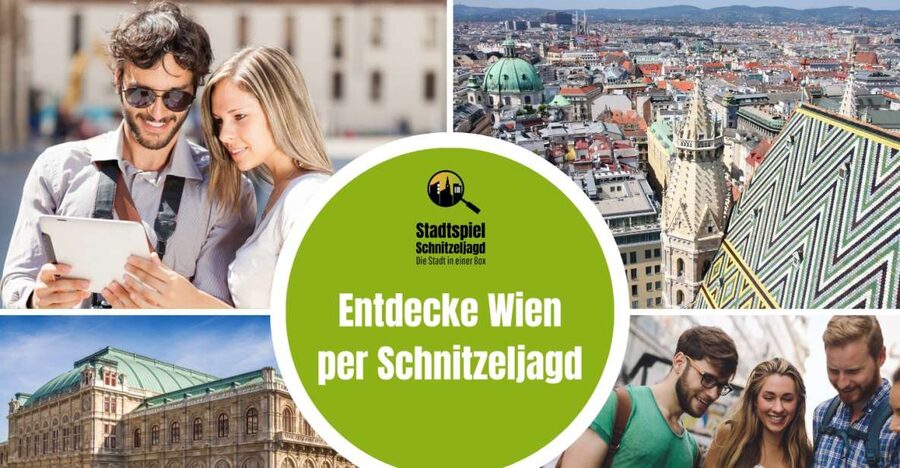
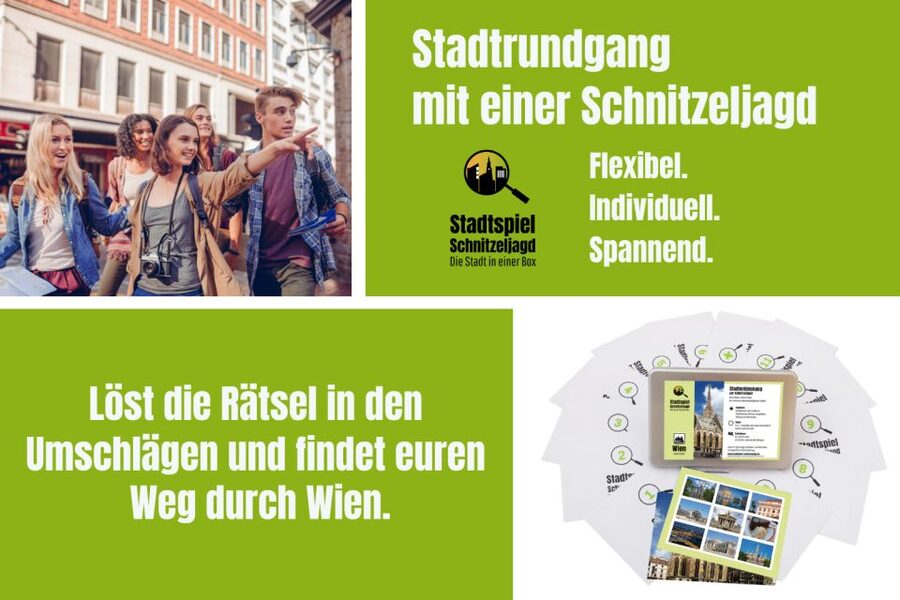
This is a self-guided walking game you play in Vienna using a mailed box. Inside, you’ll find 16 sealed and numbered envelopes. Each envelope is a small challenge—part puzzle, part directions, part city facts—meant to lead you from one sight to the next.
What makes this work well in practice is the way the instructions are described: they’re clear and unambiguous, so you’re not constantly guessing where you’re supposed to go. The goal is simple. You solve what’s in front of you, then follow the directions to the next place.
If you get stuck, there’s an emergency envelope with solutions. That matters because it keeps the game fun even if one riddle takes longer than you’d like. In a traditional guided tour, you don’t choose when you want answers. Here, you control that.
The big mental trick is to treat it like a series of short moments rather than one big “walk the whole center” project. You’ll pause naturally—read the clue, walk a bit, check the next envelope, then repeat.
You can also read our reviews of more tours and experiences in Vienna.

Your route: from St. Stephen’s Cathedral to the Hofburg area
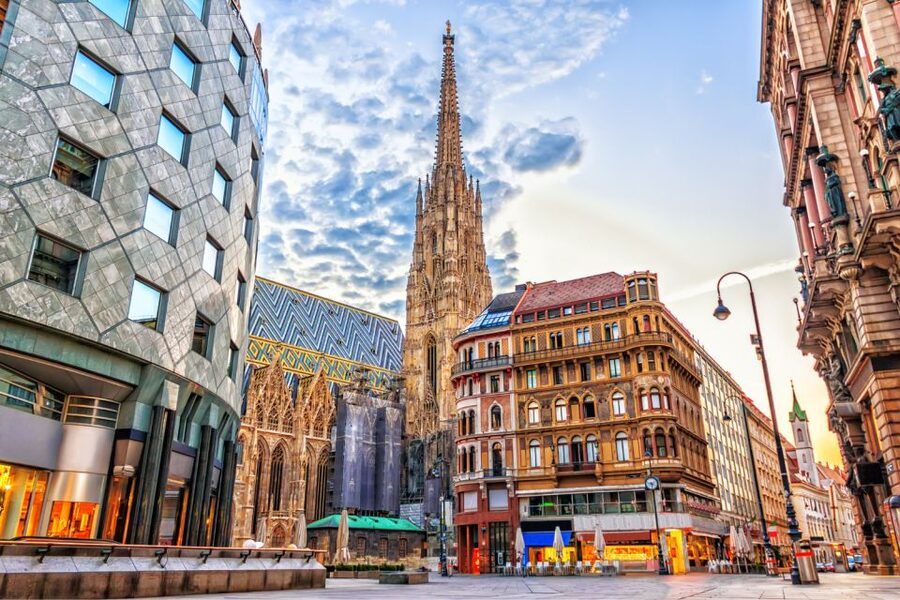
The hunt starts at St. Stephen’s Cathedral. That’s a smart opening point because it gives you a strong landmark the moment you begin, and it anchors the whole center-city route. Even if you’ve seen photos of the cathedral a hundred times, this start helps you orient quickly before the streets and squares start to blur together.
From there, the game steers you toward key central stops you’d likely want to visit anyway:
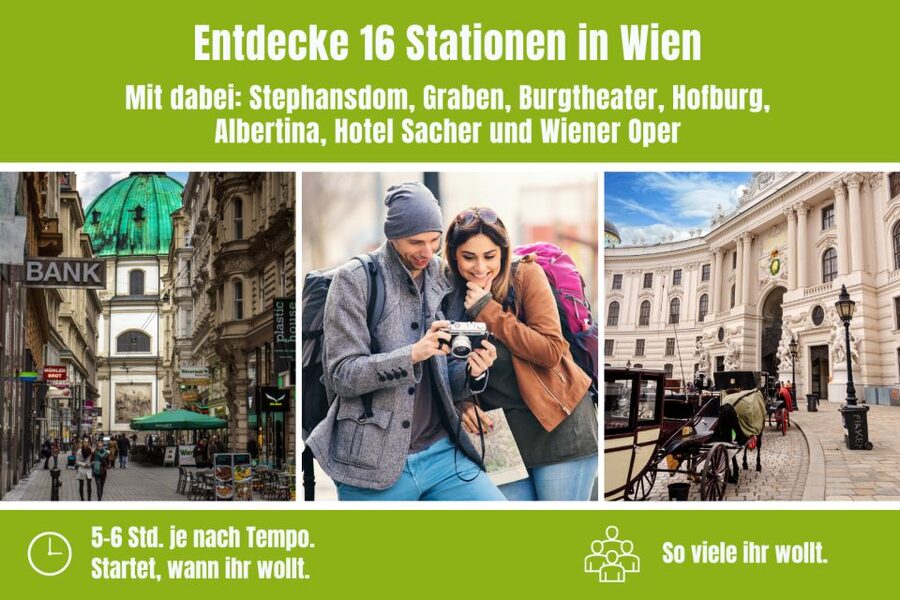
- Graben, Vienna’s famous shopping street
- Votiv Church
- Vienna City Hall
- Burgtheater
- Heldenplatz
- Vienna Hofburg
- Michaelerplatz
The value here is that the route isn’t just a “big sights checklist.” The envelopes are designed to connect sights to small bits of history and culture—so you’re not only seeing buildings, you’re learning why they matter as you go.
A practical note: the full experience is listed as 270 minutes (about 4.5 hours). That’s a useful planning yardstick, but your actual time depends on how often you stop for photos, read the facts carefully, and take breaks.
St. Stephen’s Cathedral and Graben: get oriented fast, then slow down
Starting at St. Stephen’s Cathedral is exactly what you want for a first loop through central Vienna. It’s visually distinctive, and it helps you build a mental map early. You’re also likely to feel less “lost” because the cathedral is your clear starting anchor.
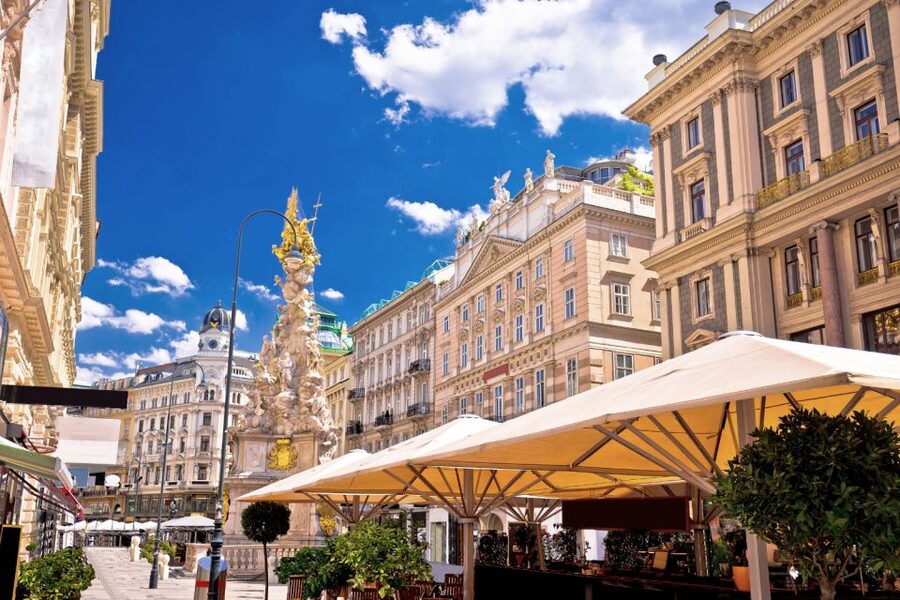
Then the route brings you to Graben, the shopping street known for its central position. This is where the game format feels especially good. Instead of walking down Graben like a straight line, you’ll move between clue points and likely pay more attention to street layout and nearby landmarks.
In a normal visit, Graben can feel like just a corridor of shops. Here, the envelopes add context, which makes the street feel more like a lived-in part of the city rather than just a place to pass through.
If you like to wander, you’ll still be able to. You can pause at any time—so if you want a slow stroll, you can do it without abandoning the hunt.
Votiv Church and Vienna City Hall: big architecture, guided by puzzles
Next come two “wow” stops that usually benefit from having something to focus on:
- Votiv Church
- Vienna City Hall (Rathaus)
Both are prominent and photogenic, but the game approach helps you avoid the common problem: standing in front of a building and thinking, I should know something about this, but I don’t. With the envelopes, you get interesting facts and directions, which gives you a reason to look closely.
City Hall especially can feel like one of those places people walk past quickly. Here, you’re more likely to stop and read, because the hunt prompts that kind of attention. You’re solving and checking information at the same time, which turns the time spent outside into time you actually remember.
One consideration: since there’s no guide at the meeting point, you’ll be relying on the envelope content. That’s usually a plus, but if you prefer a human to explain architecture in real time, you may want a day with a guided tour alongside this kind of game.
Burgtheater and Heldenplatz: culture and power in the open air
The route includes Burgtheater and the historic square Heldenplatz. These stops are a great match for a hunt because they’re the kind of places where atmosphere matters. Burgtheater has that unmistakable cultural weight, while Heldenplatz is tied to the feel of the imperial center.
What I like about this segment is how the puzzles create a reason to move through the squares rather than treat them like photo backdrops. You’re likely to look around more—at the spatial relationships, the scale, and the way streets funnel into these civic spaces.
Heldenplatz can be especially satisfying if you like history that feels connected to where you are standing. The envelopes are described as including city history and cultural references, so you’re not only learning what happened—you’re also seeing the physical setting that makes those stories feel real.



Vienna Hofburg and Michaelerplatz: the imperial core, paced for walking
The heart of the walk lands in Vienna Hofburg and the square Michaelerplatz. This is where you want a slower pace, because the area has so many corners, courtyards, and surrounding landmarks that it’s easy to get overwhelmed.
The hunt format helps you because it forces a sequence: solve, walk, arrive, solve again. That rhythm keeps the imperial core from becoming a blur.
You’ll also get value from the “facts and interesting information” included in the envelopes. The hunt specifically mentions learning about Vienna’s coffee house culture and the Albertina, so you may get prompted to connect what you see around you to the city’s famous cultural habits and art world.
As for Michaelerplatz, it works as a final-feeling stop before the finish. Even without a formal guided wrap-up, the hunt’s structure gives you a natural transition—by the time you reach this area, you’ve already been moving from clue to clue long enough to feel like you’ve covered the city’s center in a meaningful way.
Albertina and coffee house culture: why the clues feel more than decorative
The hunt doesn’t only mention famous buildings. It also explicitly points you toward Viennese coffee house culture and the Albertina. That’s a big deal for value, because these are the kinds of ideas that many visitors hear about once, then forget by the end of the day.
Instead, the hunt builds them into the walk. You’re more likely to remember the coffee house vibe when it’s tied to an envelope clue rather than left as a standalone museum-or-food idea.
For your planning, think of this as a “cultural primer” that fits inside an afternoon. You still decide what to do next, but you finish the game with better context for conversations and for later visits.
And yes, the coffee part comes back at the end.
The finish: Sacher cake and coffee to end your day right
The hunt ends with Viennese Sacher cake and a cup of coffee. That’s not just a sweet payoff. It’s a smart way to turn a self-guided walk into a complete experience with a natural closing time.
Sacher cake is one of those “Vienna must” treats, and coffee house culture is a core part of how Vienna is experienced—not just what’s seen. By combining the two, the game lands on something both iconic and practical: a place to sit, recover, and wrap your day with a local ritual.
A practical reminder: food and beverages are listed as not included, so you’ll need to manage that part separately. The hunt can guide you toward the end with the idea of Sacher cake and coffee, but your actual purchase isn’t bundled into the activity cost.
Price and value: $52 per group (up to 10) for a half-day of city focus
The price is $52 per group up to 10, and the duration is listed at 270 minutes. That pricing structure is where the real value shows up.
If you’re traveling solo, it can still be a fair way to see Vienna differently because it turns sightseeing into an activity. But it’s especially strong for families and small groups. With up to 10 people tied to one group price, you can split costs and still keep the experience shared.
The other value factor is how much “planning” you’re saving. This hunt gives you a built-in sequence of major sights—St. Stephen’s Cathedral, Graben, Votiv Church, City Hall, Burgtheater, Heldenplatz, Hofburg, Michaelerplatz—so you’re not spending your day figuring out a route on the fly.
And it’s flexible. The game description says you can start on your chosen date and at any time, then pause and even resume later or another day you choose. That kind of control is rare at this price point.
Timing, pace, and difficulty: how to avoid frustration
The experience is designed to take about 270 minutes, but in real life your time will vary based on reading and solving. Some groups may move faster through the envelopes. Others will want longer breaks and more careful reading.
The reviews you provided point to a range in how challenging people found the puzzles. One person even felt it wasn’t as demanding as the scavenger hunts they’re used to elsewhere. That suggests the riddles are meant to be approachable, not puzzle-hell.
So here’s my practical advice: treat it as a fun structure for sightseeing. If you want intense brain-burn puzzles, you might find yourself finishing too quickly. If you want a walk that’s engaging and helps you see Vienna’s center in a focused way, this is exactly the right vibe.
Also, because you can pause at any time for photos and breaks, you can manage energy and keep the day enjoyable rather than turning it into a “rush to the finish” challenge.
Logistics that actually matter: the mailed box and self-guided start
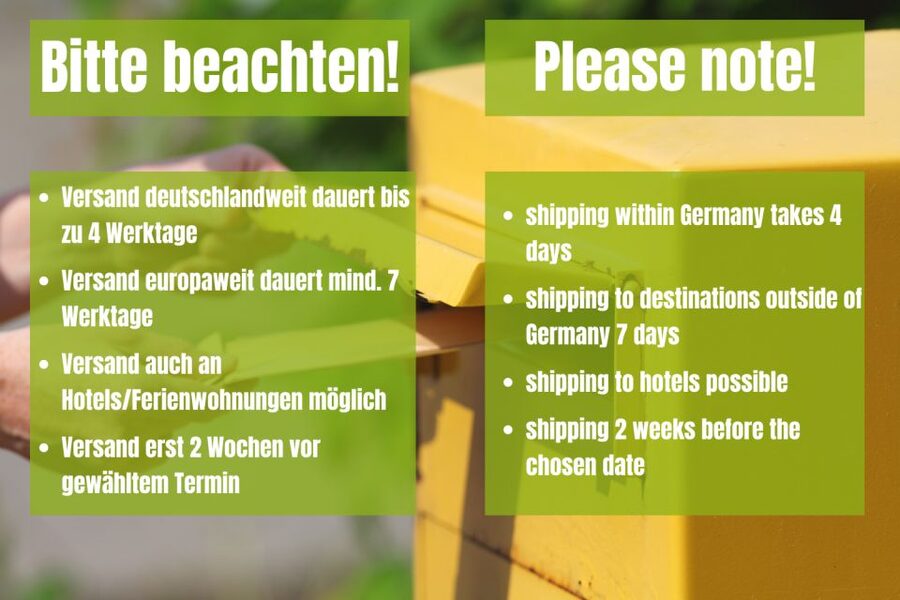
This hunt uses a shipped box. Shipping is noted as taking approximately 4 working days within Germany and up to 5 working days worldwide, and it’s shipped at the earliest 2 weeks before your selected date. There’s no pickup in Vienna.
So the main thing you need to plan is simple: order early enough that the box arrives before you want to play. And make sure you provide a correct shipping address. Once the box arrives, you can play the scavenger hunt regardless of the selected date and time.
At the meeting point, there’s no guide. You’re expected to begin using the instructions in your box. So bring the game box you received via mail, and keep your start simple.
If you’re the type who hates self-guided experiences with lots of reading, this might feel like work. If you like autonomy and a clear route structure, you’ll probably enjoy it.
Who this Vienna scavenger hunt suits best
This is a great fit if you want Vienna without rigid time slots. It’s also ideal if you enjoy a bit of friendly problem-solving while walking.
You’ll likely enjoy it if:
- you want a flexible afternoon where you can stop for photos
- you’re traveling as a family or small group and want shared activity time
- you like learning bits of history as you walk, not only in a museum
- you prefer a route that takes you through the core sights without needing a guide to lead the pace
It may be less ideal if you want a live storyteller, guided commentary inside every stop, or a hard-core puzzle challenge.
Should you book this scavenger hunt?
I’d book it if you want a value-packed way to see central Vienna while staying in control of your pace. The mix of major landmarks and structured riddles is the sweet spot here—especially for people who like to learn by moving through a city.
I wouldn’t book it if your main goal is deep guided history from a person on the ground. This is self-guided, and the experience depends on reading the envelope directions and facts.
If you do book it, plan for the mailed box timeline and wear comfortable shoes. Then let the game set your route. You’ll come away knowing Vienna’s center better than you would from a quick checklist walk.
FAQ
How long does the Vienna scavenger hunt take?
The listed duration is 270 minutes.
Where does the scavenger hunt start?
It starts at St. Stephen’s Cathedral.
Is there a guide at the meeting point?
No. There is no guide at the meeting point, and you start on your own with the game box.
What’s included in the box?
The scavenger hunt box includes shipping, 16 numbered sealed envelopes with riddles, directions, information, and interesting facts, plus an emergency envelope with solutions.
Do entrance fees or transportation tickets come with the tour?
No. Entrance fees of the sights and transportation tickets are not included.
Can I pause the game or take breaks?
Yes. You can pause at any time to take breaks or photos, and you can continue later or even on another day.
How do I get the game box for the tour?
You receive the scavenger hunt box via mail. Shipping takes about 4 working days within Germany and up to 5 working days worldwide, and it’s shipped at the earliest 2 weeks before your selected date.
Is the activity wheelchair accessible?
Yes, it’s listed as wheelchair accessible.