REVIEW · VIENNA
Vienna’s Old Town and Attractions Self-Guided Tour Booklet
Book on GetYourGuide →Operated by Rosotravel Austria · Bookable on GetYourGuide
Vienna’s Old Town looks best when you control the stops. This self-guided walking tour gives you a simple, marked route and a PDF booklet built around 14 key places, from St Stephen’s Square to St Stephen’s Cathedral. I like the practical, step-by-step structure because it keeps you moving and still lets you linger where you want. The big trade-off: it’s text-based, so you’ll likely stop to read along the way.
What makes it work is that you’re not just seeing names on a map. You get a short history of Old Town Vienna plus stop-by-stop notes that include addresses, opening times, and ticket info—so you can plan your day instead of guessing on the fly. And because it’s self-paced, you can turn it into a quick highlights lap or slow it down with coffee breaks.
Still, there’s one consideration before you buy: the tour does not include entry tickets or a live guide. You choose what to go inside, and you pay for those entries separately.
In This Review
- Key things I’d focus on before you start
- Price and Pace: Is This Vienna Old Town Walk Good Value?
- Your PDF Booklet and Map: How to Use It Without Losing Time
- Stop-by-Stop: St Stephen’s Square to St Stephen’s Cathedral
- St Stephen’s Square
- Mozart’s Former Residence
- Haas House
- Karntner Street
- Sacher Cafe
- Albertina Museum
- Imperial Crypt
- Spanish Riding School
- Saint Michael Square
- Hofburg Imperial Palace
- Demel
- St Peter’s Church
- Graben Street
- St Stephen’s Cathedral
- Where the Coffeehouse Tips Fit: Sacher Cafe and Demel
- Museums and Imperial Sites: Tickets and Opening Hours Are on You
- Navigation Tips for a Smooth 3 km Walk
- Who This Tour Suits Best
- Should You Book This Vienna Old Town Self-Guided Walk?
- FAQ
- FAQ
- How long is the Vienna Old Town self-guided tour?
- What does the tour cost?
- Where does the route start and end?
- Do I need a live guide for this experience?
- Are attraction tickets included?
- How far will I walk?
- What do I receive after I purchase?
- In how many languages is the booklet available?
- Is the tour wheelchair accessible?
- Can I cancel if my plans change?
Key things I’d focus on before you start
- Marked 3 km route with 14 attractions, designed for a 2–3 hour walk
- PDF booklet on Google Drive you can download and use on any device
- Built-in planning help: addresses, opening times, and ticket guidance
- Real-world break points at coffeehouse stops like Sacher Cafe and Demel
- No live guide, no included tickets: you steer the experience
Price and Pace: Is This Vienna Old Town Walk Good Value?

At $11 per group up to 25, this isn’t priced like a museum ticket or a guided day. It’s priced like a planning tool plus a route you can actually follow. For that kind of money, you’re essentially buying time-saving structure: a marked walk, a one-file booklet, and practical details that help you decide what’s worth entering.
The walking time lands around 2–3 hours (with an advertised duration of 3 hours) over about 3 km. That matters because Vienna’s Old Town can feel like a maze if you’re winging it. This keeps you from spending half your day figuring out where you are and what to see next.
One more value point: it covers the “core layers” of Old Town without locking you into a fixed group pace. You’ll pass famous landmarks (like St Stephen’s Cathedral) and a spread of cultural stops (churches, imperial sites, and museums). Then you can choose when to pay for entry and when to stay outside and enjoy the streetscape.
You can also read our reviews of more tours and experiences in Vienna.


Your PDF Booklet and Map: How to Use It Without Losing Time

Right after purchase, you get a direct link to a Google Drive folder with the booklet as a PDF. That’s useful because you’re not stuck with an app login. You can download it once and use it offline on a phone or tablet (as long as your device battery holds up).
The booklet is designed for quick scanning while you’re walking. Each attraction has:
- a brief description,
- why you should visit,
- visiting tips,
- plus addresses and opening times,
- and ticket information so you can plan ahead.
You also get a simple map with the route clearly marked. That reduces the usual self-guided risk: wandering off-course and realizing later you missed a key stop.
Here’s the practical drawback to plan for. One review-style lesson you should take seriously is that you may need to stop to read because there’s no “listening” option mentioned. If you prefer moving and hearing instead of stopping and reading, this is a mismatch. But if you’re fine with short pause-and-check moments, the format is easy to follow.
Stop-by-Stop: St Stephen’s Square to St Stephen’s Cathedral
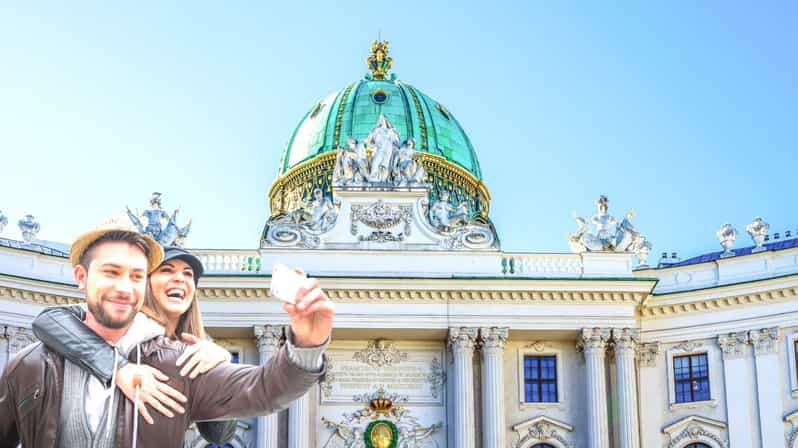
Your walk starts at St Stephen’s Square and ends at St Stephen’s Cathedral. The meeting point is your accommodation, but the route itself begins when you make your way to that first square on your own.
Below is the order you’ll follow, with what each stop is for and how to think about it.
St Stephen’s Square
Use this as your orientation point. It’s the starting line, so it’s where you get your bearings before you begin the 3 km route. If you want the most out of the first minutes, skim the booklet’s brief history of Old Town Vienna before you move.
Mozart’s Former Residence
This is one of those stops that works best if you treat it as a “place marker.” You’ll pass a site tied to Mozart, and the booklet’s short context helps you connect the name to the location. If you choose to enter, check the opening times in the PDF since entries aren’t included.




Haas House
This stop is about architecture in the middle of a historic walk. Even if you don’t go inside, you’ll get a chance to notice how newer design sits next to older streets. Use the booklet tips here to frame what you’re looking at, then decide whether you want more time.
Karntner Street
Karntner Street is one of the “you’re really in the city center” segments. It’s a change of pace: more street life, more walking rhythm, and a break from single building stops. If you’re timing things, this is a good place to check the booklet and make sure you’re still on schedule for later imperial landmarks.
Sacher Cafe
This is where your walk stops being only sightseeing. Sacher Cafe is included as one of the major coffeehouse breaks, and the booklet also gives recommendations for what to order at popular coffee shops. Even if you don’t sit for long, this is a useful waypoint to reset before the next cluster of museums and palaces.
Albertina Museum
This stop is a big cultural “anchor” because it’s a named museum on your route. The key point for planning: you’ll be able to decide using the booklet’s opening hours and ticket info. If you skip entry, you still get a meaningful Old Town cultural stop without adding ticket time.
Imperial Crypt
The Imperial Crypt is your historic gravity well on the walk. This is the sort of place where the ticket decision matters because entry may be limited by hours. Use the booklet’s info to check whether it fits your schedule, and if not, plan to view it from the outside and keep moving.
Spanish Riding School
The Spanish Riding School adds a distinct Vienna identity to the route. Even if your visit is quick, it’s one more link between the city’s traditions and its famous institutions. Again: entry is optional and paid separately, so rely on the booklet’s opening times if you want to go inside.
Saint Michael Square
This square is a breath between bigger-ticket landmarks. It’s a nice moment to step back, look around, and reorient before the Hofburg area. If your feet are starting to protest, this is a good point to pause for water or a quick snack before continuing.
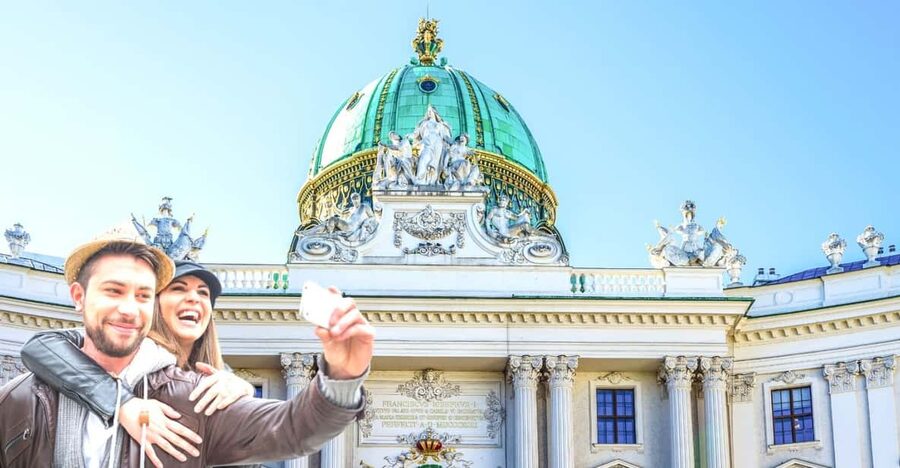
Hofburg Imperial Palace
Hofburg is one of the reasons people come to Vienna for imperial-era sights. On this tour, it’s a major stop that you’ll approach as a named palace complex. Decide ahead of time—using the booklet—whether it makes sense to spend time inside, because your walk is about 2–3 hours overall.
Demel
Demel is another coffeehouse-style stop on the route, placed after Hofburg. That timing is helpful because it works as a reward break when your “palace fatigue” hits. The booklet’s coffee-shop ordering tips can guide you if you’re not sure what to get.
St Peter’s Church
This church stop is a classic Old Town highlight. Even without entry, it adds a sacred architectural moment to the walk. If you want to go in, the booklet includes practical planning details like addresses and visiting timing—use those so you’re not arriving when it’s inconvenient.
Graben Street
Graben Street is where you stretch your legs and connect the dots between major sights. It’s a corridor that helps the route feel like a walk instead of a checklist. If you’re running a little behind, this segment can help you catch up by keeping moving without needing tickets.
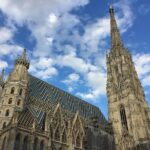
St Stephen’s Cathedral
This is your finish line. You’re ending where the whole Old Town spotlight lands, and the cathedral name alone is enough to make this a satisfying conclusion. If you want an extended stop, this is where you give yourself the time cushion—since it’s the final destination.
Where the Coffeehouse Tips Fit: Sacher Cafe and Demel

Coffeehouse culture is part of Vienna’s identity, and the tour actually builds it into the route instead of treating it as an afterthought. The booklet includes recommendations on what to order at popular coffee shops, and the route includes both Sacher Cafe and Demel, so you get two structured break points.
How I’d use this without wasting time:
- Pick your café break early so you’re not deciding while you’re tired.
- Use the booklet tips to help you order confidently.
- Keep your break short if you still want to tackle multiple major sites inside.
This is also a good place to notice the tour’s real style: it doesn’t force entry tickets. It gives you options. You can take the scenic and cultural parts at your own tempo, then treat coffee as part of the plan.
Museums and Imperial Sites: Tickets and Opening Hours Are on You

One of the most important things to understand is simple: this is self-guided and it does not include entry tickets. That doesn’t make it worse, but it changes how you should plan.
The booklet is there to make that easier. It includes:
- opening times,
- ticket info,
- and addresses for each attraction.
So for stops like Albertina Museum, Imperial Crypt, and the Hofburg Imperial Palace, you should treat the booklet as your scheduling tool. If a site is open later or closed when you’re there, you still have a great reason to keep walking: the cathedral and Old Town streets are still the payoff.
For the Spanish Riding School and churches like St Peter’s Church, the same logic applies. You can absolutely enjoy the exterior and the surrounding area, then decide whether the timing works for entry.
Navigation Tips for a Smooth 3 km Walk

The route is about 3 km, but the real issue in Old Town isn’t distance—it’s attention. The tour handles that with a marked map and a booklet that describes each stop.
Here are the navigation habits that match the tour design:
- Start at St Stephen’s Square, not your accommodation. The route begins at the square, and you’re responsible for getting there.
- Check the booklet for the next stop when you reach a major turning point (like the transition from streets to palace-area sights).
- Use the “why visit” notes to help you choose how long to linger when you arrive at a stop.
- If you’re the type who reads slowly, give yourself extra minutes for your café pauses, because that’s when you can read without stopping every 30 seconds.
This also addresses the one clear downside hinted at by a language-based feedback point: reading while walking can be awkward. If you know you’ll want to read everything, plan for more pauses.
Who This Tour Suits Best

This works well if you want:
- independence (no live guide),
- a manageable walking length,
- and a clear route that keeps you from wandering.
It’s also a smart pick for people who like their sightseeing to be flexible. You can treat it as a walking highlights route and only pay for entry where it fits your interests.
If you travel with limited time, the 2–3 hour format is a strong match. You can still see the biggest Old Town identifiers—cathedral area, imperial landmarks, and major cultural institutions—without committing to an all-day program.
And if you’re in Vienna more than a day, this kind of route is useful for building your mental map. After this, you’ll understand where things are and what you want to revisit later.
Should You Book This Vienna Old Town Self-Guided Walk?

Book it if you want a structured Old Town route with practical planning info and the freedom to skip or add entries. The combination of a marked map, a PDF booklet in 15 languages, and stop-by-stop details makes it a low-stress way to get oriented fast.
Skip it (or think twice) if you hate reading on the move. Since it’s designed around a booklet rather than audio, you may need frequent short stops to get the most out of it.
One last decision tip: if you’re going to enter at least a couple of the major sights, this tour becomes more valuable because the booklet’s opening times and ticket guidance help you avoid timing surprises. If you’re only browsing exteriors and coffeehouse breaks, you’ll still enjoy it, but keep your expectations aligned with what’s included: route guidance and information, not admissions.
FAQ
FAQ
How long is the Vienna Old Town self-guided tour?
The tour is designed for about 2–3 hours of walking, with a duration listed as 3 hours.
What does the tour cost?
It’s $11 per group, up to 25 people.
Where does the route start and end?
It starts at St Stephen’s Square and ends at St Stephen’s Cathedral.
Do I need a live guide for this experience?
No. It’s self-guided and does not include a live guide.
Are attraction tickets included?
No. Tickets are not included, and entry inside each attraction is up to you.
How far will I walk?
The route covers approximately 3 km.
What do I receive after I purchase?
You receive a simple map and a booklet with information for 14 attractions. The booklet is delivered via a link to a Google Drive PDF folder.
In how many languages is the booklet available?
The booklet is available in 15 languages, including English, German, Spanish, French, Dutch, Polish, Italian, Portuguese, Norwegian, Swedish, Russian, Hindi, Japanese, Standard Chinese, and Simplified Chinese.
Is the tour wheelchair accessible?
Yes, it’s listed as wheelchair accessible.
Can I cancel if my plans change?
Free cancellation is available up to 24 hours in advance for a full refund.