REVIEW · PALM SPRINGS
Joshua Tree National Park Self-Guided Audio Tour
Book on Viator →Operated by Shaka Guide Apps · Bookable on Viator
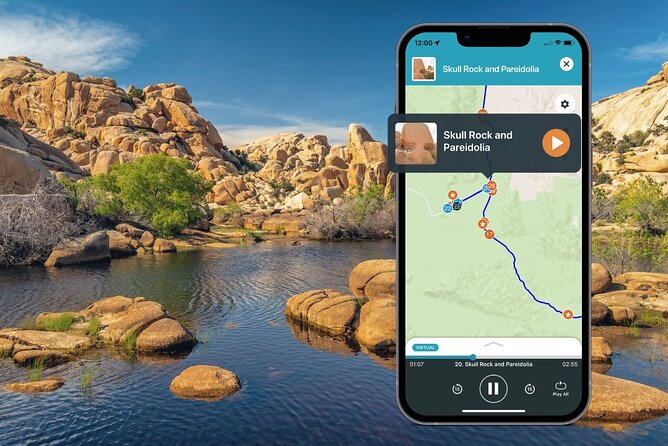
Joshua Tree can feel like a giant puzzle. This self-guided GPS audio tour turns it into an easy driving-and-walking route with stories and practical tips. I like the hands-free setup, where the narration plays automatically as you drive, plus offline maps so you’re not hunting for signal in the desert.
I also love how this tour lets you choose your own level of effort. You can do the long hike options or just sample the highlights with shorter stops.
The main drawback to plan around is heat and time. Some areas are hot with little shade (especially spring to fall), and the total listed duration is long, so you’ll want to pick stops that match your energy.
In This Review
- Key things to know before you download
- Joshua Tree without the constant phone fiddling
- Price and what $12.79 gets you
- The offline audio + GPS system, in plain terms
- Building an efficient one-day route from the south
- Stop-by-stop: your big Joshua Tree day
- Lost Palms Oasis Trail: the long, hot, jaw-drop moment
- Cottonwood Visitor Center: pay fees, reset, and ask questions
- Ocotillo Patch: a quick lesson in desert “weirdness”
- Cholla Cactus Garden: cute from far, dangerous up close
- Arch Rock Nature Trail: one of the best photo playgrounds
- Split Rock Loop Trail: easy legs, iconic formations
- Skull Rock: quick stop, careful parking
- Ryan Mountain Trail: the 360-degree view hike
- Hall of Horrors: rounded boulders in the desert
- Cap Rock Trail: famous rock with a story-shaped name
- Lost Horse Mine: moderate hike with a twist of human drama
- Keys View: sunset-ready overlook with the San Andreas Fault in sight
- Barker Dam Trail: the fork you must not miss
- Wall Street Mill Trail: facilities and a satisfying walk
- Hidden Valley Nature Trailhead: popular, climbable, photo-friendly
- Intersection Rock: quick views, quick utility stop
- Joshua Tree Visitor Center and the newer stop
- Oasis of Mara: restrooms, gift shop, and a short oasis walk
- Timing it right: how to avoid the “too much too hot” trap
- Who this audio tour suits best
- Should you book the Joshua Tree self-guided audio tour?
- FAQ
- What is the price for the Joshua Tree National Park self-guided audio tour?
- How long is the tour?
- Where does the tour start and end?
- Is the tour available in English?
- Do I need Wi-Fi or data during the tour?
- Will the audio play automatically while I drive?
- Are park entrance fees and parking included?
- Is this a private experience?
- Are service animals allowed?
- What is the cancellation policy?
Key things to know before you download
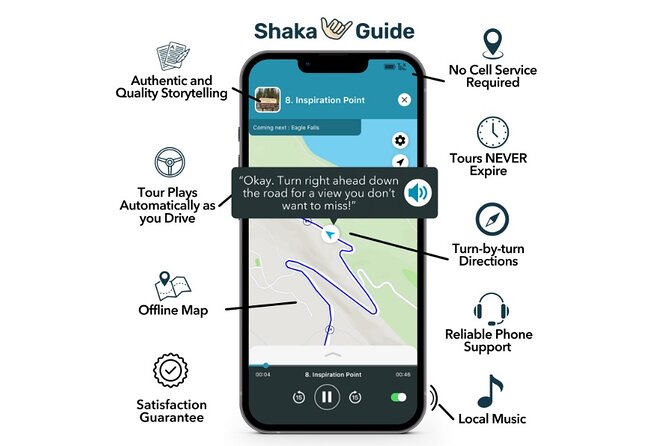
- One tour per vehicle (up to 15 people) keeps the math friendly if you’re traveling with friends or family.
- Plays automatically while you drive and includes GPS turn-by-turn directions, so you’re not constantly checking your phone.
- Fully offline (audio + map) means you can keep moving even when cell service drops.
- Short stops plus real hikes lets you mix photo breaks with big terrain walking without hiring a guide.
- Start from multiple points in the region, which helps you build the most efficient loop.
Joshua Tree without the constant phone fiddling
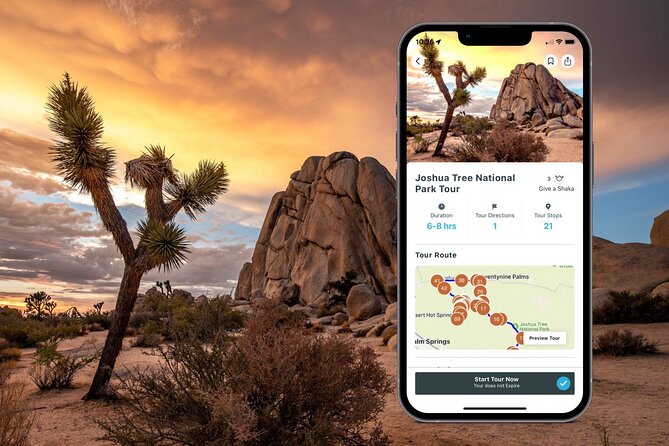
This tour is designed for the kind of day Joshua Tree demands: drive between sites, hop out for photos and short walks, then commit to one or two longer hikes when you’re ready. If you hate fumbling with maps every ten minutes, you’ll appreciate how the narration is GPS-triggered and the directions follow as you go.
The other big win is flexibility. This is not an all-or-nothing guided day. You can pause, skip stops you don’t care about, and keep the route moving at your own pace.
Just remember: Joshua Tree punishes slow planning. You’ll still be outside a lot, and water/sun protection are not optional if you’re doing the longer desert walks.
You can also read our reviews of more tours and experiences in Palm Springs.

Price and what $12.79 gets you
At $12.79 per group (up to 15), this is one of those tools that can save money fast. There’s no per-person audio ticket inside your vehicle, so if you’ve got a small group, the cost per person becomes a rounding error compared with paying for private guiding.
What’s not included matters for budgeting:
- The Joshua Tree National Park entrance fee is not part of the tour price.
- Parking fees are also not included.
So the real value comes down to this: you’re buying a day of offline navigation + narration, not access to the park itself. If you’re already planning to spend a day in Joshua Tree, this audio tour turns that day into a guided-feeling experience without forcing you into a fixed schedule.
The offline audio + GPS system, in plain terms
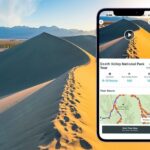
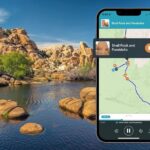
You download the tour once using the Shaka Guide app, and after that you’re set. The tour includes an offline map and GPS directions, so you’re not dependent on Wi-Fi or data once you’re inside the park area.
A few practical things to expect:
- Your audio narration is meant to play automatically as you drive.
- You’ll get turn-by-turn guidance from GPS.
- The tour is designed so you can start on your schedule and it never expires.
In other words, you’re not locked into a specific departure time. You can pick the day that fits your trip, download on good Wi-Fi, and then go.
Building an efficient one-day route from the south
One of the best bits of advice that comes with this style of route is simple: efficiency matters. Joshua Tree sites are spaced out, so your day improves a lot when you drive a logical direction through the park.
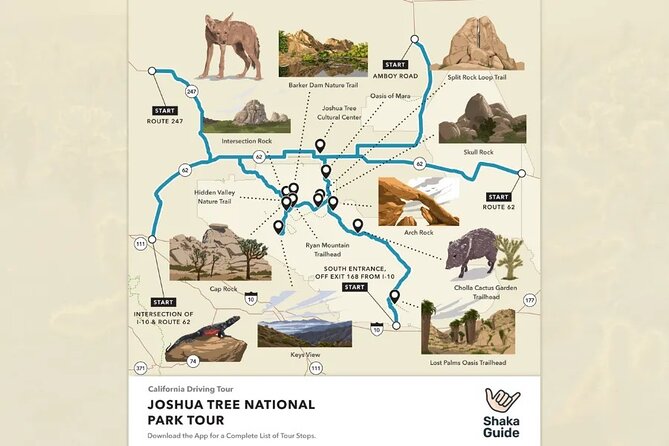
A smart approach is to enter from the south side and then move north, then west in a single flow. That way, you’re not bouncing back and forth between distant stops. If you’re trying to squeeze in multiple hikes, this kind of one-way thinking helps you see more with less wasted driving.
Stop-by-stop: your big Joshua Tree day
Think of this tour as two modes running in parallel: quick photo/learning stops and longer walking challenges. Here’s how the day breaks down, what each stop is best for, and what to watch for.

Lost Palms Oasis Trail: the long, hot, jaw-drop moment
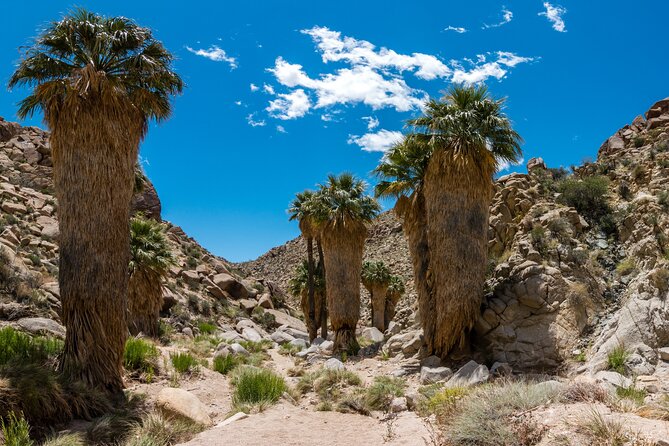
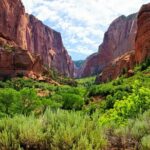
This is the standout effort. It’s a long hike through Joshua Tree’s southern Colorado Desert, and it’s scenic but exposed. There’s little to no shade, so from spring to fall it can feel brutal.
What makes it worth it is the payoff: you’re chasing the palm oasis at the end, and even the approach is interesting because it shows Joshua Tree’s desert world in a more dramatic way than the easy pull-offs.
Practical tips before you go in:
- Bring water.
- Wear sun protection.
- Have the mindset that you’re walking through open terrain, not cruising through a shaded trail.
If you don’t want the full trek, you can still get value from a brief look by the trailhead, then move on.
Cottonwood Visitor Center: pay fees, reset, and ask questions
This is your logistics stop. You can pay the park fee, use restrooms, and check in with rangers if you want local guidance for conditions.
It’s also a useful mental reset before the shorter roadside stops start stacking up.
Ocotillo Patch: a quick lesson in desert “weirdness”
This is a small pull-off focused on the quirky ocotillo plant. It’s short, low-effort, and good if you want the tour to keep teaching you while you’re driving.
Cholla Cactus Garden: cute from far, dangerous up close
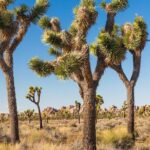
The Teddy Bear cholla looks soft and friendly. Up close, it’s a different story. The tour’s advice is clear: walk carefully among thousands of mature chollas along the short nature trail, and wear good close-toed shoes.
This stop is all about controlled movement. Take your time, keep your distance, and don’t brush against anything that looks fuzzy.
Arch Rock Nature Trail: one of the best photo playgrounds
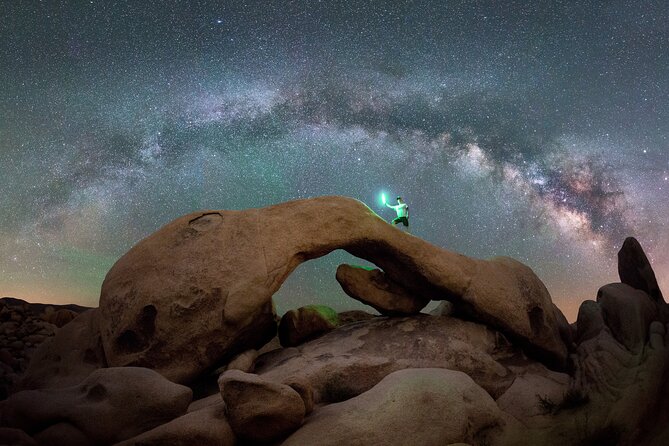
You’ll reach a natural arch that’s a major photo target. It’s not just about standing and shooting either. You’ll also have fun climbing around the rocks if you move carefully.
The value here is simple: this is Joshua Tree at its most dramatic, and it works for both quick visits and people who like to roam.
Split Rock Loop Trail: easy legs, iconic formations
This easy trail gives you more classic rock formations without demanding a full hard-hike commitment. It’s a great option when your feet want variety but your energy is still budgeting for later.
Skull Rock: quick stop, careful parking
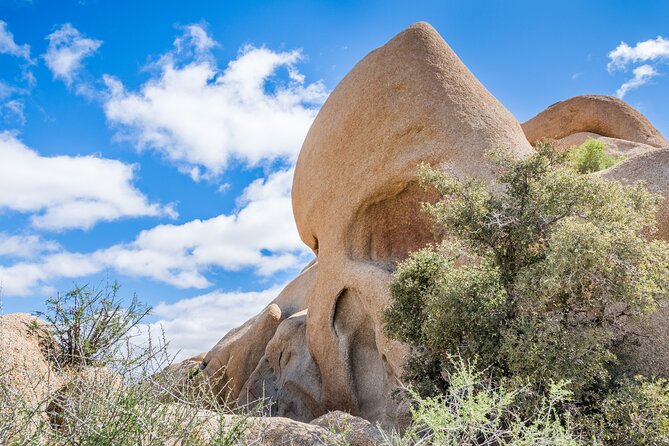
This one is famous for its skull-like shape. It’s a short roadside stop, but the tour info reminds you to park carefully, because the roadside plants are fragile.
It’s a reminder that Joshua Tree isn’t just a place to drive through. Your choices at the pull-off matter.
Ryan Mountain Trail: the 360-degree view hike
If you want your effort to pay off with wide-open scenery, this is one of the best picks. The Ryan Mountain Trail offers 360-degree views over the valley and surrounding area.
It’s longer than the quick photo stops, so plan it when you’re not already fried from the earlier heat. If you’re only doing one big hike, this is the type that can make the whole day feel worth it.
Hall of Horrors: rounded boulders in the desert
This is another rock-formation stop featuring rounded gneiss boulders sitting in the middle of the desert. It’s short, but it changes the visual pattern of your day and gives you a different texture of “what am I looking at?”
Cap Rock Trail: famous rock with a story-shaped name
Cap Rock is tied to an attempted, ill-fated funeral from the 1970s. The tour keeps it interesting by giving context while you’re standing there among the gneiss formations.
If you like your hikes and stops to come with meaning, this is the kind of brief stop that works.
Lost Horse Mine: moderate hike with a twist of human drama
This moderate hike leads to Lost Horse Mine, where gold ore was mined, and where stolen ore involved a character called Johnny Lang.
The value is two-part: you get real walking time, and you get a story that makes the place feel less abstract. This is a good mid-to-late-day choice when you still want movement but aren’t chasing an ultra-long hike.
Keys View: sunset-ready overlook with the San Andreas Fault in sight
This is a lovely overlook for sunset views over Palm Springs, and you can also see the San Andreas Fault from here.
If you’re trying to make a single “wow” moment happen, this is one of the best times to plan for it. Give yourself enough slack so you’re not rushing your photos at the exact moment the light shifts.
Barker Dam Trail: the fork you must not miss
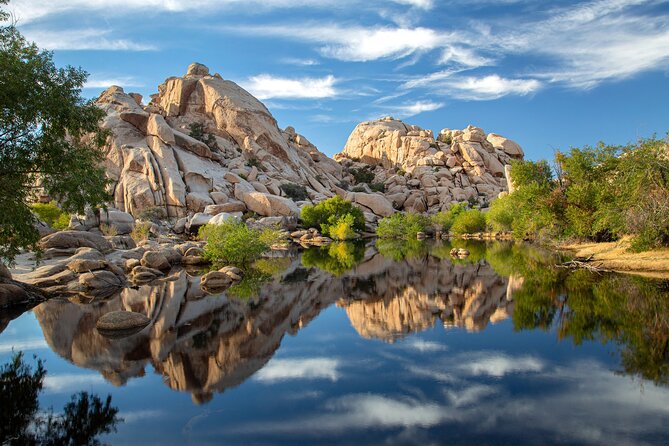
This short trail is great for an easy walk with features along the way, including petroglyphs.
Important navigation tip: if you take it counterclockwise, turn left at the fork just before the petroglyphs to return to the Barker Dam parking lot. If you keep going straight, you’ll end up farther away at the Echo T parking lot.
That’s a small detail, but it’s exactly the kind of thing that saves your day from becoming a longer-than-planned shuffle.
Wall Street Mill Trail: facilities and a satisfying walk
This stop includes vault toilets, which is handy once you’ve been out for hours. It’s a trail stop that keeps you moving through more desert terrain without necessarily demanding maximum hiking intensity.
Hidden Valley Nature Trailhead: popular, climbable, photo-friendly
This is one of the park’s most popular hikes. You’ll get rock formations to climb on and plenty of desert flora to photograph.
Because it’s popular and there’s climbing involved, I’d treat this stop as a “pace yourself” moment. You’ll want good grip on the rocks and the mindset that some paths will be busy depending on the time of day.
Intersection Rock: quick views, quick utility stop
This is a short stop with vault toilets available. It’s the kind of pause that helps you break up the day and keep momentum.
Joshua Tree Visitor Center and the newer stop
You end up with two visitor center moments: one as a final chance before re-entering the park, then the main Joshua Tree National Park Visitor Center.
The practical benefit is you can ask questions, check exhibits, and use restrooms. If you want souvenirs, there’s a place for that too. It’s also a nice way to close the loop on what you’ve been seeing all day.
Oasis of Mara: restrooms, gift shop, and a short oasis walk
This final oasis stop is part practical, part scenic. You can use the restroom, browse the gift shop, and enjoy a brief trail around an oasis.
It’s a good bookend after a day of rocks and hikes because it brings you back to a softer, greener-looking pocket of the park.
Timing it right: how to avoid the “too much too hot” trap
This tour is long on paper (about 14 hours 37 minutes), but the secret is that you’re not required to do every stop. The experience is built for choosing.
Here’s a simple way to plan your day:
- Pick one bigger hike (Ryan Mountain is a top choice, and Lost Palms Oasis is the big desert trek).
- Choose a few iconic photo stops (Cholla Cactus Garden, Arch Rock, Skull Rock).
- Save your higher-effort overlook for late day (Keys View for sunset).
That approach keeps you from trying to race through everything and makes your day feel more like exploration and less like checklists.
Who this audio tour suits best
This works especially well if you:
- Want a guided-feeling day without paying for a private guide.
- Like structure but still want freedom to skip stops.
- Are traveling with friends or family in one vehicle, since the pricing is per group.
It may be less ideal if you:
- Don’t handle heat well, or you hate longer walking days. Lost Palms Oasis Trail and Ryan Mountain are real effort.
- Want a fully hands-on guide to manage timing and safety at each site. This is self-guided, even though the audio keeps you on track.
Should you book the Joshua Tree self-guided audio tour?
I’d book it if you’re planning a Joshua Tree day and want to get more out of it than just driving between big names. The offline GPS map, the automatic narration, and the cost-friendly per-group pricing make this a smart value for many styles of travelers.
Skip it only if you already know the park really well and don’t care about stories, navigation help, or the added context. Also, if you’re planning a hot-season visit and you don’t want any long sun exposure, you’ll need to be selective with which stops you actually walk.
If you do book it, download the tour ahead of time over strong Wi-Fi, then use the GPS flow to build a logical one-direction route. You’ll have an easier day, and Joshua Tree will feel less like chaos and more like a guided adventure on your terms.
FAQ
What is the price for the Joshua Tree National Park self-guided audio tour?
It costs $12.79 per group, up to 15 people.
How long is the tour?
The total duration is about 14 hours 37 minutes, but you can pick the stops you want and skip the rest.
Where does the tour start and end?
It starts at W98X+Q3 Palm Springs (Palm Springs, CA, USA) and ends back at the meeting point.
Is the tour available in English?
Yes, it is offered in English.
Do I need Wi-Fi or data during the tour?
No. The tour includes an offline map and works completely offline, so you do not need continuous Wi-Fi or data.
Will the audio play automatically while I drive?
Yes. The narration is designed to play automatically as you drive, with GPS-triggered audio.
Are park entrance fees and parking included?
No. Joshua Tree National Park entrance fees and parking fees are not included.
Is this a private experience?
Yes. Only your group will participate.
Are service animals allowed?
Yes, service animals are allowed.
What is the cancellation policy?
You can cancel for a full refund if you cancel at least 24 hours before the experience’s start time. If you cancel less than 24 hours before, the amount paid will not be refunded.