REVIEW · BASEL
Basel’s Portrait: Self-Guided Audio City Tour
Book on GetYourGuide →Operated by myFive · Bookable on GetYourGuide
Basel has a way of rewarding slow attention. This self-guided audio city tour is a smart way to do that, starting at Basel Town Hall and steering you door to door with photos and turn-by-turn directions. What I like most is the high-quality English narration (recorded by a professional speaker) and the fact that the stops go beyond postcard highlights into the stories of people who lived here.
I also really like how practical the route feels. The guide doesn’t just name monuments; it explains how to find what matters and gives enough context for you to actually notice details like church facades and courtyard scenes.
One clear drawback: it’s not a live-guided walk, and it’s not ideal for wheelchairs. You’ll need your own charged phone, internet, and headphones to keep the audio and directions working smoothly.
In This Review
- Key highlights at a glance
- Basel’s Portrait: what it feels like on the street
- Starting at Basel Town Hall: more than a landmark photo
- Basel Cathedral interior: when stones start talking
- Church stops that feel personal: St. Martin’s, St. Elizabeth’s, St. Leonard’s
- Pfalz viewing terrace: the payoff is the view and the context
- Jean Tinguely Fountain: art that interrupts the postcard route
- Historic houses with names you can’t forget: At the Mosquito and To Venice
- Fountains and cultural monuments: why “extras” matter
- How long it takes, and how to pace it without getting stressed
- Using the audio guide: what you need so it works
- Price and value: why $13 can make sense in Basel
- Who this tour fits best (and who might skip it)
- Extra tip: pairing the walk with the Historical Museum
- Should you book Basel’s Portrait?
- FAQ
- Where does the tour begin?
- How long does Basel’s Portrait take?
- Is there a live guide?
- What do I need to use the audio guide?
- Is the audio guide available in English?
- How much does it cost?
- Is it suitable for wheelchair users?
Key highlights at a glance
- Professional English narration recorded for clarity, not background noise
- Town Hall to Cathedral-focused routing that helps you avoid aimless wandering
- Church and terrace stops including St. Martin’s, St. Elizabeth’s, St. Leonard’s, and the Pfalz viewing terrace
- Curious Basel house names on the route, like At the Mosquito and To Venice
- Mix of classic + quirky: Basel Cathedral interior stories and the Jean Tinguely Fountain
- Flexible pace: the listed walk is about 1.5 to 2 hours, but you can stretch it if you linger
Basel’s Portrait: what it feels like on the street
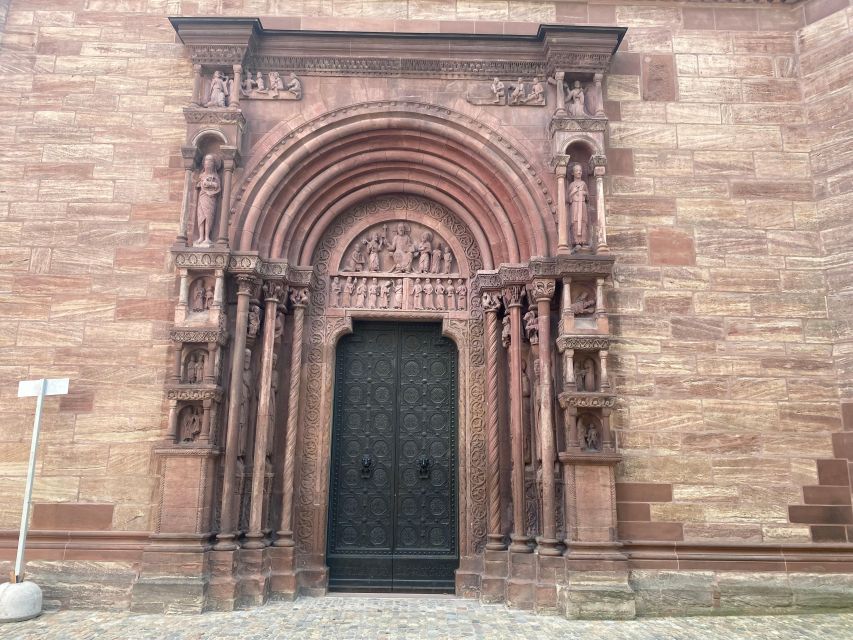
If you enjoy walking cities on your own terms, this kind of tour hits the sweet spot. There’s no group herding, no meeting strangers, no waiting at each stop. Instead, you use a link you get after booking, and the audio content guides you as you walk.
The design of the experience matters. Basel is a city where small details carry weight: an alleyway view, a courtyard inside a major building, a stone pattern, a face carved into architecture. With a good audio guide, you’re not just looking—you’re reading the city out loud, through a voice that explains what you’re seeing and why it mattered.
The biggest benefit for most people is confidence. Several sights in Basel sit close together, but the streets can still fool you into taking the wrong turn. This tour gives clear route explanations plus photos, so you can get your bearings fast and keep moving.
You can also read our reviews of more tours and experiences in Basel.


Starting at Basel Town Hall: more than a landmark photo

Your tour begins at Basel Town Hall. That’s a smart starting point because it anchors you in Basel’s civic center right away, then pulls you outward to the religious and cultural sites that define the old core.
Expect the audio to lead you into the kind of viewing most guidebooks skip: the courtyard of the Town Hall. Courtyards change how you feel about a building. In open streets you see a facade. In a courtyard you see scale, layout, and the human rhythm of past life—how people would have approached a place like this, and what it meant to the city’s daily world.
Practical note: since the tour is self-guided, treat the Town Hall area like your base camp. Once you start moving, keep your phone accessible, volume at a comfortable level, and headphones secure. The tour’s value is in continuity, and that continuity depends on you staying synced.
Basel Cathedral interior: when stones start talking

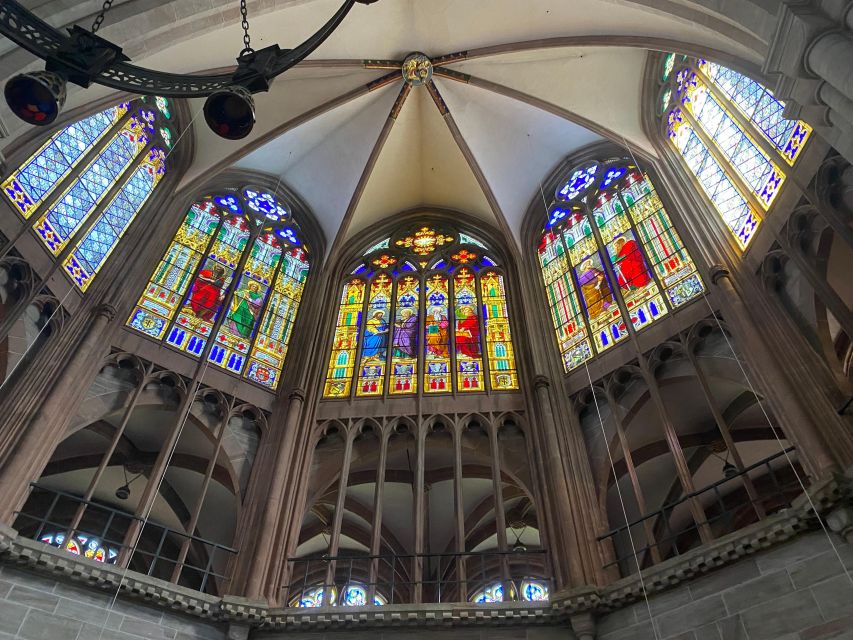
Basel Cathedral is the kind of place where it’s easy to stand, look up, and call it a day. This tour nudges you past that. It doesn’t only point to the building—it sets you up to understand what you’re walking through.
The audio guide focuses on the Basel Cathedral interior, where almost every stone seems to have a story. That doesn’t mean it turns into an exam. It means you’ll be prompted to notice features you might otherwise miss—because the narration connects what you see to why it exists.
This is also where the professional speaking style matters. When a guide talks clearly and at the right pace, you can keep moving without feeling lost, and you can still absorb details at stop level.
If you like architecture, religious buildings, and the idea that carvings and materials encode meaning, you’ll likely enjoy this segment a lot. If you prefer totally free roaming, you may want to pause for a few minutes longer than the audio expects, just to let the space sink in.
Church stops that feel personal: St. Martin’s, St. Elizabeth’s, St. Leonard’s

The route includes multiple churches—St. Martin’s, St. Elizabeth’s, and St. Leonard’s—and the payoff is how different they feel while still being part of the same historic fabric.
One thing I like about adding several churches to a single walk is contrast. Even if the buildings share medieval-era roots, each one has its own mood and details. Basel is full of subtle visual jokes and symbols, and church facades can carry the kind of imagery that’s easy to miss unless someone points it out.
A great example from the tour’s overall approach: some stops highlight playful or disguised elements on church exteriors, the kind of detail you might walk past twice without noticing. If you have even a mild curiosity about symbolism or how cities decorate their most important buildings, this is where your attention gets rewarded.
Potential consideration: churches can have quiet rules and changing visiting conditions. Since this is a self-guided experience, you’ll need to adapt your pace on the spot. The audio will help, but you still have to respect what’s happening in and around each church.
Pfalz viewing terrace: the payoff is the view and the context
The Pfalz viewing terrace is one of those stops that feels like a reward. The audio helps you not only reach the terrace but also understand what you’re looking at once you’re there.
City views can be hit or miss on tours. Some guides treat them like a photo break. This one treats the terrace like a viewpoint into how Basel is arranged—how the city layers itself and how key landmarks connect across the urban maze.
If you want a short moment to reset your eyes after dense streets, this stop does the job. I’d also suggest bringing a little time buffer here. Even if the audio moves on, you’ll likely want to linger long enough to spot what the narration just taught you to look for.
Jean Tinguely Fountain: art that interrupts the postcard route
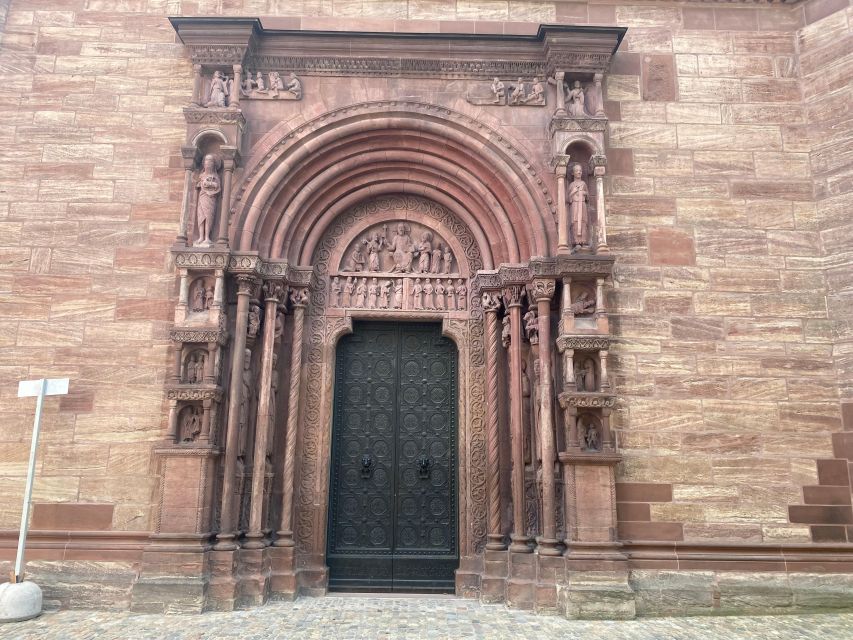
Not every city audio tour includes something playful and modern in the middle of old streets. This route includes the Jean Tinguely Fountain, which adds a different flavor to your walk.
I like this kind of balance because it keeps the day from becoming one long lesson. When you reach a fountain by Jean Tinguely, you’re shifting gears—from medieval interiors and historic architecture to Basel’s sense of humor and its willingness to let art be kinetic and a bit odd.
This stop is also a reminder that “historic” doesn’t mean “frozen.” Basel mixes eras in the same walking day, and a well-made self-guided route should help you notice that change in tone.
Historic houses with names you can’t forget: At the Mosquito and To Venice
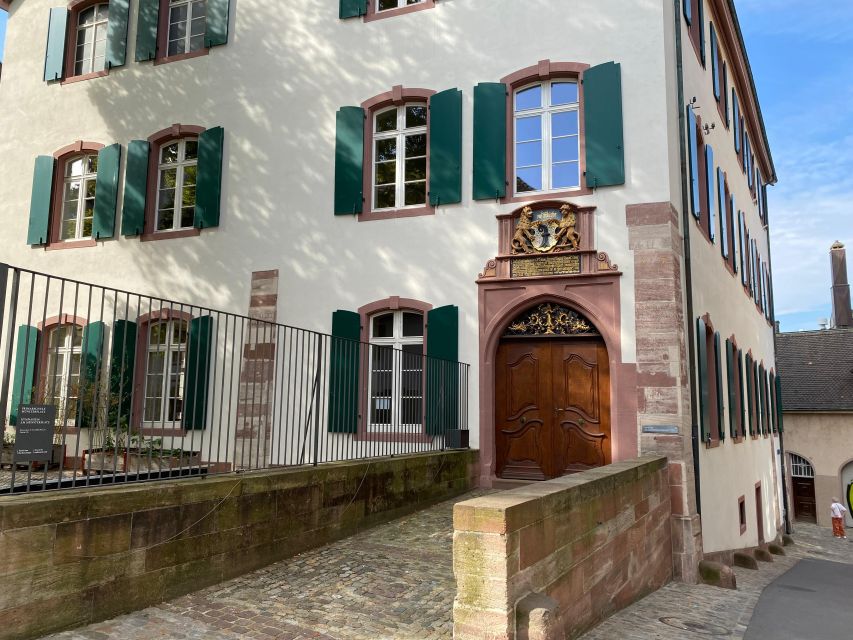
Basel’s best storytelling isn’t only in big monuments. It’s in the named houses and the small layers of everyday history.
This tour includes charming houses such as At the Mosquito and To Venice, along with the Blue and White houses. What makes these stops fun is that the names feel like folklore. They’re memorable, and once you hear the explanation, you start seeing them as more than decorative background.
Even if you don’t end up reading every plaque, these are the kinds of places where the audio narration can turn a simple street corner into something you remember. They’re also good breaks in the walking rhythm—short stops where you can stand, listen, look around, and then move on without feeling like you’re missing the point.
Practical tip: when you arrive at a named house, don’t rush your way to the next stop. Take a minute. Look up. Basel loves its details, and the point of including places like these is to make you actually notice them.
Fountains and cultural monuments: why “extras” matter
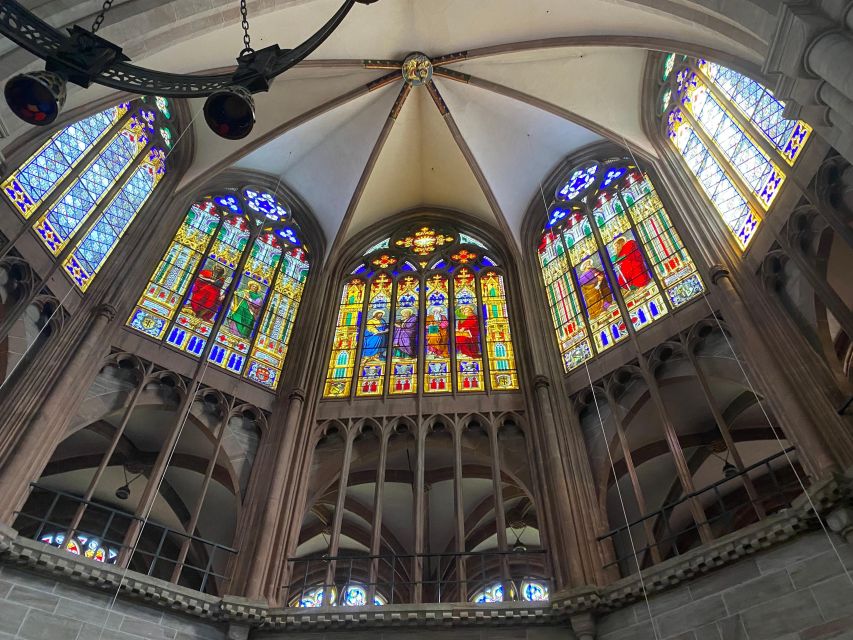
Besides the headline sights, the tour includes numerous fountains and cultural monuments. On paper that can sound like filler, but in practice it’s what keeps the route feeling alive.
Fountains aren’t just decoration in older cities. They mark public space, reflect civic priorities, and help you understand how people gathered. Cultural monuments do similar work: they tie a walk together, so you’re not bouncing from one major attraction to another.
This is also why the tour works well if you like to mix sightseeing with real life. One helpful advantage is that the route naturally passes through areas where you can look, pause, and then pop into shops or restaurants if you feel like it. That makes the experience feel less like a checklist and more like a day in Basel.
How long it takes, and how to pace it without getting stressed

The tour is listed at 1.5 to 2 hours. In real life, it can easily take longer if you pause for photos, step inside when possible, or take your time with the cathedral interior.
One useful way to plan: treat 2 hours as your clean baseline. Then add time if you want to do extra looking. Some people end up around 3 hours when they include a couple of extra stops or linger a bit.
Since you control the pace, you can also use the tour as a framework and then decide, on the ground, what deserves your full attention.
Using the audio guide: what you need so it works
This tour includes the audio guide in English with clear routing details supported by photos. But it’s still technology-driven, so your setup matters.
Bring:
- Headphones
- A charged smartphone
- Internet access
After you book, you’ll receive a link to use during your walk. There’s no live guide meeting you in person, so you don’t want to start the tour with a low-battery phone or spotty data. Basel has Wi‑Fi in places, but the guide is intended to run via the link you’re given—so make your phone ready before you step into the first streets.
Pro move: start playback before you begin moving far from the start point. That way you’re not adjusting volume or re-finding the link mid-walk.
Price and value: why $13 can make sense in Basel
At $13 per person, this is one of those deals that works best when you value independence. You’re paying for narration quality plus route clarity plus photo-supported directions. That’s not just “sound bites.” It’s a guided plan that helps you see more with less stress.
Here’s how I think about value for this type of tour:
- If you’ve got an interest in history and architecture, audio narration adds time-efficient context.
- If you hate getting lost, the directions and photos can reduce wasted wandering.
- If you want to move at your own speed, self-guided is often better than a rigid group schedule.
If you’re the kind of traveler who reads every plaque anyway, you might enjoy the guide as a bonus layer rather than a necessity. But if you want your time in Basel to feel structured without feeling controlled, the price-to-usefulness ratio is strong.
Who this tour fits best (and who might skip it)
This tour is a great match if you:
- Enjoy walking and want a city rhythm that stays flexible
- Want a clear route with context, but don’t want to commit to a live guide schedule
- Like details: church facades, named historic houses, and interior architecture
- Prefer English narration and hate “mystery sightseeing”
You might think twice if you:
- Need a wheelchair-accessible route (this one is not suitable for wheelchair users)
- Would rather ask questions in real time (there’s no live guide)
If you fall in the middle—curious but not overly detail-obsessed—you’ll still likely have fun because the stops are varied: major sights, churches, viewpoints, fountain art, and historic house names.
Extra tip: pairing the walk with the Historical Museum
A standout practical suggestion tied to this experience: if you plan your day well, you might want to check the Historical Museum, because it’s reported to be free during the last hour of the day. That can turn your audio walk into a longer, more budget-friendly cultural loop—especially if you’re the type who likes to end with a museum visit after the streets.
I’d still treat it as something to verify once you’re in Basel, but it’s a smart idea to keep on your radar while planning.
Should you book Basel’s Portrait?
I’d book it if you’re heading to Basel and want an organized way to hit the core sights without hiring a guide for every hour. The big wins are the professional English audio, the clear photos and directions, and the way the route connects major monuments with named houses and smaller cultural stops.
Skip it if you’re relying on mobility accessibility, or if you don’t want to manage a smartphone and headphones while navigating. Also, if you’re only in Basel for a short, photo-only stop, you may not have enough time to enjoy the narration-heavy parts.
If you do have 1.5 to 2 hours (or a bit more) and you like your city travel with context, this is a tidy, good-value way to experience Basel with your eyes open.
FAQ
Where does the tour begin?
The tour starts at Basel Town Hall.
How long does Basel’s Portrait take?
It’s designed for about 1.5 to 2 hours.
Is there a live guide?
No. You follow a self-guided route using a link provided after booking.
What do I need to use the audio guide?
You’ll want headphones, a charged smartphone, and internet access.
Is the audio guide available in English?
Yes, the audio guide is available in English.
How much does it cost?
The price is $13 per person.
Is it suitable for wheelchair users?
No, it is not suitable for wheelchair users.