REVIEW · BOSTON
Boston’s Freedom Trail: A Self-Guided Tour of All 16 Sites
Book on Viator →Operated by VoiceMap Audio Tours · Bookable on Viator
Boston has a habit of telling stories at street level.
This self-guided Freedom Trail audio tour lets you walk the route at your pace while hearing what matters at each major stop. I especially like the offline access to audio and maps, so you are not stuck if phone service gets flaky, and I also like the way the narration packs big moments into clear, walkable chunks.
The one catch: you will want to bring a smartphone and headphones, and the app can take a moment to get used to before it runs smoothly. Also, the tour timing is right for most people, but if you stop a lot for photos or snacks, you can go long.
In This Review
- Key highlights worth knowing before you start
- A self-guided Freedom Trail that actually feels doable on foot
- Price and time: where the value really shows up
- Getting started at Tremont Street: using VoiceMap without frustration
- Faneuil Hall: town-meeting energy turned into a real listening stop
- Brewer Fountain and the Massachusetts State House: Boston’s origin story with real scale
- Granary Burying Ground: the Trail becomes personal fast
- Old Corner Book Store (1713): trading routes made visible
- Old City Hall and the birth of America’s legal system
- Old South Meeting House and the Tea Party planning story
- Paul Revere’s Midnight Ride and the “sort of” massacre framing
- Beantown Pub break: where food fits the story walk
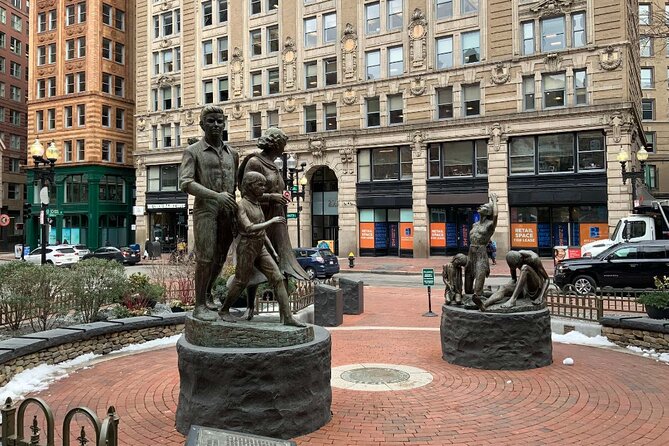
- Irish immigration history and the human cost behind the streets
- The oldest outdoor market stop: practical time for produce and fish
- Ending at Copp’s Hill Terrace: a finish with viewpoints, not an entrance ticket
- Who should book this self-guided Freedom Trail audio tour
- Should you book it?
- FAQ
- How much does the Freedom Trail self-guided audio tour cost?
- How long does the tour take?
- Where do I start and where does it end?
- What’s included with the tour?
- Do I need a smartphone or headphones?
- Is the tour offered in English?
- Does it cover all 16 Freedom Trail sites?
- Is transportation included?
- Is this tour private?
- Is the tour suitable for most people?
Key highlights worth knowing before you start
- Offline audio + maps: download once, then use the tour hands-free on the walk.
- Covers all 16 Freedom Trail sites with story beats that connect the places.
- Easy solo pacing: audio often auto-starts when you reach the next spot, so you do not need to “keep up” with anyone.
- Strong narration style: clear voices, humor, and a storytelling tone that helps facts stick.
- Frequent walk-and-learn stops: from tea and midnight rides to the 1770 Boston Massacre and key meeting houses.
- Ends with a view at Copp’s Hill Terrace rather than walking into every nearby attraction.
A self-guided Freedom Trail that actually feels doable on foot
The Freedom Trail is famous, but doing it the right way depends on your style. If you prefer to stroll, look when you want, and pause without guilt, an audio route like this fits well. It is built to guide you site to site while you keep moving through Boston’s historic center.
This one is also good value. It costs $14.99 per person, and you get lifetime access to the audio, so you can return and re-walk parts later without paying again. For many people, that matters more than the initial day’s price.
The route runs about 2 to 2 hours 40 minutes for most schedules. If you like to linger in the most interesting spots and pop into shops or grab a drink along the way, plan for the high end.
You can also read our reviews of more tours and experiences in Boston.


Price and time: where the value really shows up
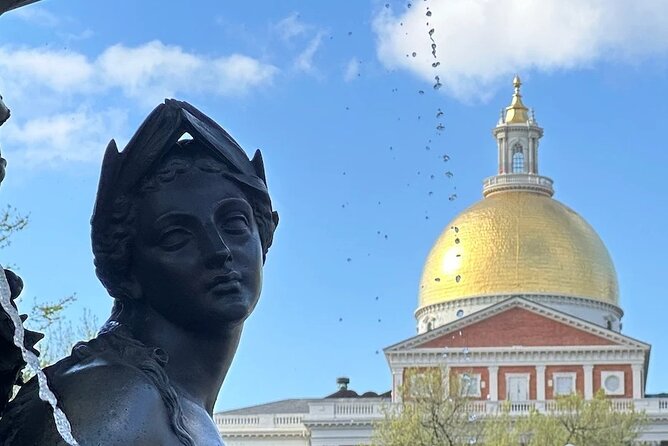
At $14.99, this is not trying to be a premium private guide with a full agenda. Instead, you are paying for something practical: a structured story walk through the official sites, plus offline support so your day stays smooth.
Two things I think you will appreciate about the timing. First, the duration is long enough to learn without feeling like you are trapped in a straight-line checklist. Second, the pacing supports real-life breaks—coffee, a quick snack, or a photo stop—without derailing the whole plan.
One thing to consider: the tour end point is Copp’s Hill Terrace, and there is a note that the audio finish is at viewpoints (including a sight line connected to USS Constitution and Bunker Hill) rather than dropping you at every attraction entrance. If you want to step into those sites, you may need extra time afterward.
Getting started at Tremont Street: using VoiceMap without frustration
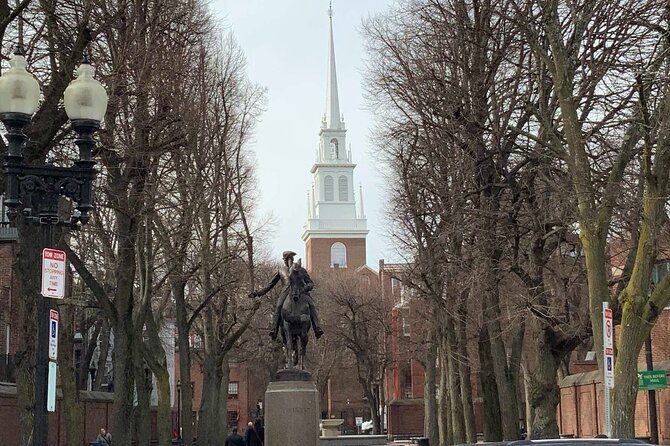
Your day begins at 139 Tremont St, Boston, MA 02111. From there, you follow the audio guide that comes with the VoiceMap app for Android and iOS. The tour provides offline access to audio, maps, and geodata, which is a big deal when you are walking block after block and trying to keep your eyes on the street.
You will likely find the app easiest when you treat it like this: download before you start, then let the map guide your next move. Some users report that the audio automatically starts when you reach the next location, which reduces the constant button-pressing that can break the flow of a self-guided walk.
Still, there is a real-world drawback to plan for. One common snag is that the app setup can feel slightly confusing at first, especially when you are entering a confirmation code. A second issue some people report is that the map position can occasionally stop updating accurately, so you may need to press forward or replay a bit to get the story back in sync.
Faneuil Hall: town-meeting energy turned into a real listening stop
One of the best “story payoff” stops on the route is Faneuil Hall. This is where Samuel Adams used to speak in the early days, and on today’s visit you will see a government auditorium with older art inside.
What I like about this stop on an audio tour is how it turns a building you might otherwise rush past into a clear political stage. You get the sense that Boston’s history was not just happening in grand halls—it was built in places where people argued, organized, and pushed decisions forward.
Practical tip: when you reach Faneuil Hall, slow down for the narration portion and look up. Even if you are not going inside any museum, the details around the building help you “locate” the story in your mind. And since you can plan your next steps right after the audio finishes, you keep momentum instead of wandering.
Brewer Fountain and the Massachusetts State House: Boston’s origin story with real scale

Next, you hit Brewer Fountain, where the narration frames how Boston formed. This is a useful choice because it gives you context before you step into the era of institutions and laws.
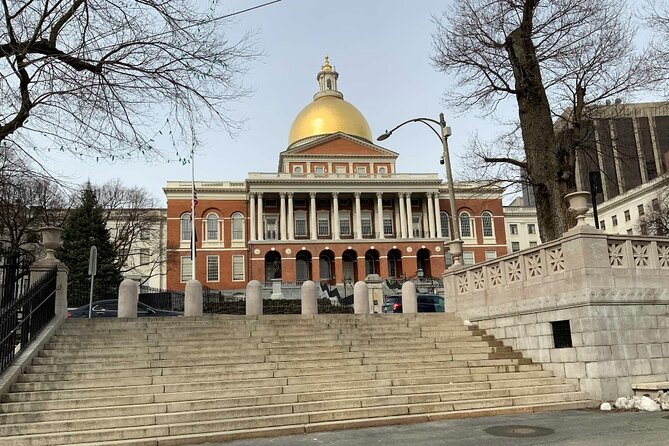
From there, you move into the orbit of power at the Massachusetts State House—described as the impressive gold-and-brick structure on the route. When an audio guide explains what the building represents, it is easier to interpret why people fought over authority in the first place.
One consideration here: if you are the kind of traveler who loves long indoor exhibits, you might want museum time on top of the audio walk. The tour itself does not include tickets or entrance fees, so you will be deciding on the spot whether to add extra stops based on your interests.



Granary Burying Ground: the Trail becomes personal fast
The graveyard stop is one of the places where the Freedom Trail gets real. You walk among dusty inhabitants—and the audio highlights figures tied directly to the American story, including James Otis, John Hancock, Paul Revere, and Samuel Adams.
Even if you already know the names, an audio format helps because it links the people to the places you are actually standing near. The result is less memorizing and more understanding. You start seeing Boston not as a museum set, but as a community where actions had consequences, and where people you read about left tracks in the city.
Practical tip: bring a little patience here. Cemeteries are calm, and audio does better when you give it a minute to land. If you rush, you miss the quieter payoff of the narration.
Old Corner Book Store (1713): trading routes made visible
Another standout anchor is the oldest building on the route dated to 1713, tied to Boston’s trading position. The audio approach makes sense here because buildings like this can feel like “just an old structure” if you only see them for their age.
Instead, the guide connects the building to Boston’s role in commerce—how its location and trade connections shaped what happened next. That is where walking plus audio works better than static photos. You can look around and feel how a trading hub would have mattered day after day.
A practical warning: this kind of stop is easy to miss if you are speed-walking the whole trail. If you want this to feel like a story, do not treat every location as a photo-only checkpoint.
Old City Hall and the birth of America’s legal system
The route also takes you to the grand façade of Boston’s Old City Hall, where the narration focuses on the birth of the American legal system. This is a good reminder that the American Revolution was not only about speeches and battles. It was also about frameworks—rules, procedures, and the idea that law could be built by people.
Audio helps because it can explain why the legal story matters even when your eyes are just seeing a pretty old building. On a self-guided walk, having a clear narrative thread stops the day from turning into a random set of “interesting facades.”
Old South Meeting House and the Tea Party planning story
If you care about the American Revolution’s cause-and-effect chain, the Old South Meeting House is essential. On the route, it is described as the largest building in colonial Boston at one point, and it is tied to where the Boston Tea Party was planned.
The audio also frames the famous event with a specific detail: colonists gathered to toss 92 tons of tea into Boston Harbor. Numbers like that make the scale easier to grasp, and they help you avoid the vague version of the story that can blur together.
One drawback to keep in mind: meeting house stops can be emotionally loud without giving you a lot of time inside. Since the tour does not include entry tickets, you may want to check whether you want additional museum time on top, based on your interests.
Paul Revere’s Midnight Ride and the “sort of” massacre framing
Two story points in the audio stand out for how they keep you anchored in human stakes.
First is the stop where Paul Revere leaves on his Midnight Ride, described here as happening before he is arrested. This matters because it adds a realistic twist: even the mythic moments had messy outcomes.
Second is the audio explanation of the incident around the Boston Massacre in 1770, where unarmed citizens were shot dead in a massacre by British soldiers (with the guide noting sort of framing). The narration gives clear numbers: nine British officers against a crowd of hundreds, and five Bostonian lives lost.
What I like about having those specifics is that it steers you away from oversimplified retellings. Audio can hold nuance without asking you to read a wall of text.
Beantown Pub break: where food fits the story walk
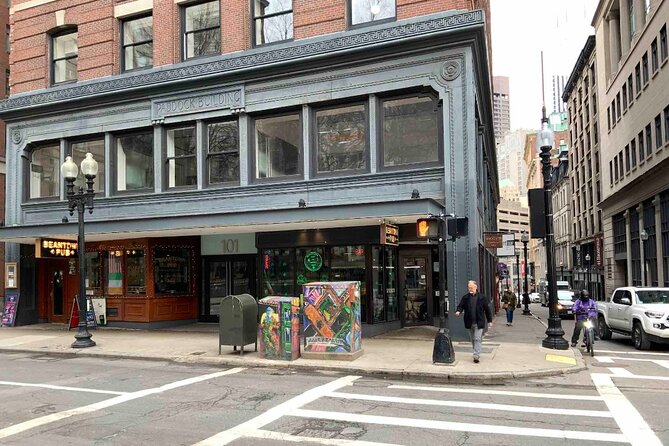
The route includes a quick refreshment stop at Beantown Pub, a Boston favorite mentioned alongside the idea of Sam Adams beer. This is not a museum stop; it is a pacing tool.
On a self-guided tour, a built-in refreshment moment helps you keep energy up, and it makes it easier to enjoy the second half of the walk without feeling drained. Just remember: food and drink are not included, and the tour does not provide equipment like headphones.
A small note from the day’s style: some people like pairing audio stops with snacks they can manage quickly. If you want to do that, keep it light and plan to re-start the audio right away so you do not lose your place.
Irish immigration history and the human cost behind the streets
Another part of the audio takes you into the history of Irish immigrants in America and the biological tragedy that forced them to leave their homeland for the unknown. That is handled as a real story, not just a name-drop, and it adds depth to a trail that can sometimes feel only about politics and war.
This is a good moment to slow down and let the narration land. It is also a useful reminder that the Freedom Trail is not just about the founding era; it is about the longer line of people who shaped Boston afterward.
If you prefer a strictly “Revolution timeline” pace, this section might feel like a detour. But for many walkers, that detour is what makes the day feel more human.
The oldest outdoor market stop: practical time for produce and fish
The tour wraps another practical kind of reality into the walk by guiding you to Boston’s oldest outdoor market, with deals on fresh produce, fish, and flowers in the historic heart of the city.
This kind of stop can be genuinely useful, even if you do not buy anything. It gives you a break from the heavy story moments and offers a “Boston now” contrast to “Boston then.”
Just keep expectations grounded: the audio tour is focused on history and orientation, not shopping advice. If you want deals, bring patience and check what is available that day.
Ending at Copp’s Hill Terrace: a finish with viewpoints, not an entrance ticket
Your tour ends at Copp’s Hill Terrace, 520 Commercial St, Boston, MA 02109. That ending matters because it is built around views and the sense of place—especially since there is a note that the audio finishes at a viewpoint connected to USS Constitution and Bunker Hill, not right at those sites.
This is a key consideration if your goal is purely “see the place where it happened.” The audio is still valuable for context, but you may need to plan separate time for any attraction entrances you want to visit afterward.
Practical move: if you want to extend the day, keep a little extra buffer after the audio finishes so you are not rushing. The Freedom Trail is short in distance, but long in meaning.
Who should book this self-guided Freedom Trail audio tour
This tour style fits best if you like:
- Solo wandering without a group schedule.
- Couples or friends who want the same narration at their own pace.
- People who prefer audio storytelling over reading every sign.
- Travelers who want offline maps so they can stay oriented while walking.
It might be less ideal if you strongly want a live guide Q&A, or if you dislike using an app. The audio experience depends on your comfort with smartphone navigation, and the map can occasionally need a little help (like pressing forward or replaying a moment).
Should you book it?
I think this is an easy yes for most people who want the Freedom Trail done well without committing to a formal tour group. At $14.99, the combination of 16-site coverage, offline audio/maps, and narration that mixes humor with clear facts is a smart value.
Book it if you want a structured route that still gives you control over breaks and pacing. Skip it (or plan to add a live guide) if your top priority is stepping into multiple museums and you want someone to manage tickets for you, because entrance fees are not included.
If you are the type who likes learning through walking, this tour is built for your style—and once you start moving from stop to stop, the city’s timeline becomes much easier to hold in your head.
FAQ
How much does the Freedom Trail self-guided audio tour cost?
It costs $14.99 per person.
How long does the tour take?
Plan on about 2 hours to 2 hours 40 minutes for the full experience.
Where do I start and where does it end?
Start at 139 Tremont St, Boston, MA 02111 and end at Copp’s Hill Terrace, 520 Commercial St, Boston, MA 02109.
What’s included with the tour?
You get lifetime access to the tour in English, plus offline access to audio, maps, and geodata. The tour also uses the VoiceMap app on Android and iOS.
Do I need a smartphone or headphones?
Yes. A smartphone and headphones are not included, so you’ll need your own.
Is the tour offered in English?
Yes, it is offered in English.
Does it cover all 16 Freedom Trail sites?
Yes. The tour is designed to take you to all 16 sites.
Is transportation included?
No. Transportation is not included.
Is this tour private?
Yes. It is listed as a private tour/activity, so only your group participates.
Is the tour suitable for most people?
It says Most travelers can participate.