REVIEW · BOSTON
Self-Guided Boston’s Beacon Hill Underground Railroad Audio Tour Walking Tour
Book on Viator →Operated by WalknTours · Bookable on Viator
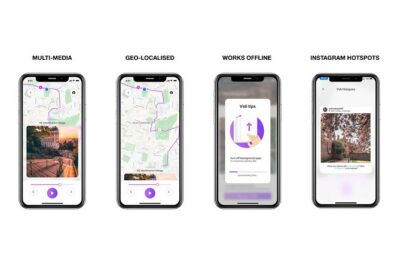
Beacon Hill has layers, and this tour plays them in order. You’ll use your phone for location-based audio about African-American history, hitting standout Underground Railroad-related stops around Beacon Hill. I especially like the freedom to pause and control your pace, plus the clear, stop-by-stop structure. One watch-out: the phone directions can get a little confusing if you hop off the route, so keep an eye on the on-screen next-stop cue.
This is a compact, 45 to 55 minute walk that starts at Charles Street Meeting House (70 Charles St) and ends at the African American Meeting House area (46 Joy St). For $9.75, you’re paying for a self-guided experience that turns quiet street corners into a guided story—without waiting around for a group.
If you’re the type who wants everything laid out with zero phone fuss, you’ll need to be ready to follow the app prompts and keep your screen usable outdoors.
In This Review
- Key things to know before you go
- Walking Beacon Hill with location-aware audio
- Start at Charles Street Meeting House, end by Joy Street
- John J. Smith House: how stations worked in practice
- 83 Phillips Street and John Sweat Rock’s milestones
- Lewis Hayden’s home: bravery in ordinary spaces
- Leonard Grime and the role of conductors
- Old Temperance Boarding House: the hidden logistics of safety
- Phillips School: Boston’s first integrated school and teacher
- Vilna Shul and immigrant help across communities
- John Coburn and the gaming house angle
- Charles Sumner’s Birthplace: abolitionism in the background
- Price and value: $9.75 for a guided-style story
- Timing, phone setup, and how to avoid route confusion
- How to get the most out of each stop
- Who this Underground Railroad audio walk is best for
- Should you book this Beacon Hill Underground Railroad audio tour?
- FAQ
- Do I need to download an app to use this tour?
- Where does the tour start and where does it end?
- How long is the walking tour?
- What language is the tour offered in?
- Can I pause, go back, or control the narration?
- Can I cancel for a full refund?
Key things to know before you go
- Phone narration that follows your location, so the story stays tied to what you’re seeing
- Short stop list (45–55 minutes), ideal when you have limited time but want real context
- Underground Railroad landmarks in Beacon Hill, including homes tied to key people
- You control playback with pause, go back, and a focus mode option for details
- Easy-to-miss route moments can happen—use the on-screen next-stop arrow to recover fast
- A very low price point ($9.75) for a guided-style audio walk
Walking Beacon Hill with location-aware audio

The big idea here is simple: your phone becomes your guide. Instead of downloading a bunch of content and guessing where you are, the tour is designed to trigger the right narration as you move through Beacon Hill.
That matters, because Beacon Hill can feel like a maze of narrow streets and turns. When audio stays connected to the next point, you spend less time figuring things out and more time reading the story off the sidewalk. And because it’s self-guided, you can linger at a view or a street sign without the pressure of keeping pace with strangers.
You’ll hear narration tied to the people connected to escape routes and safe places. The tour style also includes multiple voices, which makes it easier to stay engaged for the full walk—especially if you’re taking it at night or late afternoon.
You can also read our reviews of more tours and experiences in Boston.


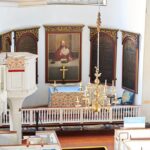
Start at Charles Street Meeting House, end by Joy Street
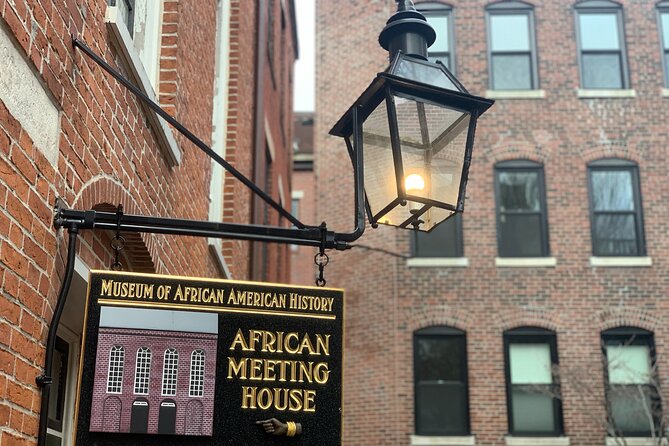
You begin at Charles Street Meeting House, 70 Charles St. This is a good launchpad because it puts you right in the working geography of Beacon Hill. You finish at 46 Joy St, in the area associated with the African American Meeting House, the oldest extant black church building in America.
That start-to-finish flow is one reason the walk feels satisfying: you don’t just bounce around randomly. You get a beginning point, a story sequence, and a real landing spot. You also get the convenience of staying flexible—since it’s self-guided, you’re not locked into a strict group schedule.
The tour is designed for normal walking. It’s a private experience for your group, and service animals are allowed. If you’re near public transportation, this is doable even if you’re mixing it with other stops around Boston.
John J. Smith House: how stations worked in practice
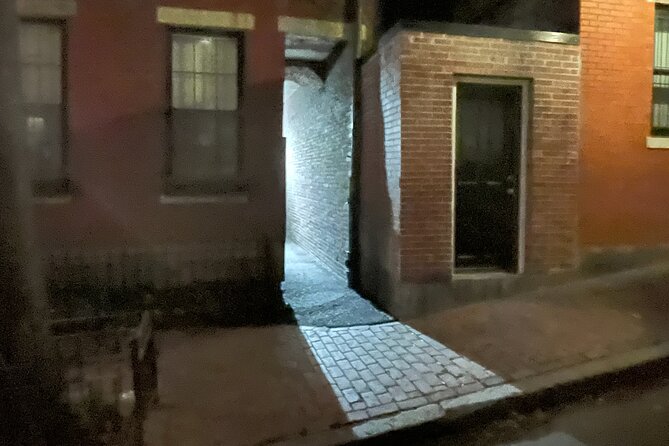
One of the first stops focuses on the John J Smith House and the Underground Railroad story connected to John J Smith. This is the kind of stop that helps you understand the system beyond slogans.
When you hear how an Underground Railroad station operated, you start to see the escape network as practical and human-scale, not just mythical. It’s less about secret tunnels and more about people, timing, and safe places within an actual neighborhood grid.
This is also where the tour’s “walk, then listen” approach really pays off. You’re not reading an essay in a museum. You’re standing in the area where the story took shape—then you hear how that mattered for the people passing through.
83 Phillips Street and John Sweat Rock’s milestones
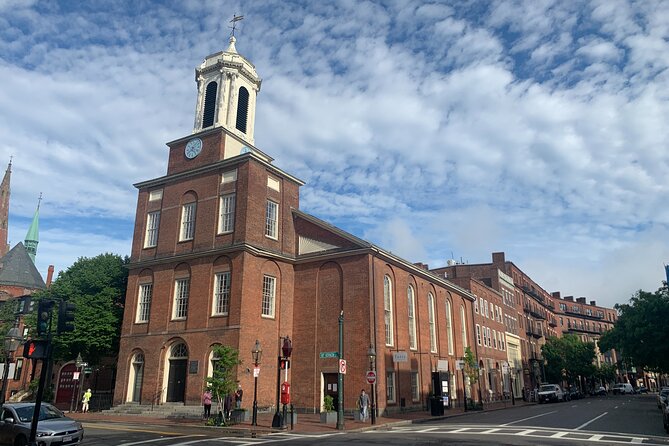
Next up is 83 Phillips Street, connected to John Sweat Rock. The narration highlights his “firsts” in history, which gives the stop extra bite.
Why this works: the Underground Railroad story isn’t only about escape routes. It’s also about what happened after freedom—who got opportunities, who pushed boundaries, and who had to fight for recognition. That’s where learning feels less like a single sad episode and more like an ongoing struggle for education, work, and rights.
Beacon Hill is compact, so you’ll move quickly between streets. The audio pacing matters here: the story stays coherent without demanding you sprint. Still, keep shoes comfortable, because even a short walk in Beacon Hill can include hills and uneven sidewalks.
Lewis Hayden’s home: bravery in ordinary spaces
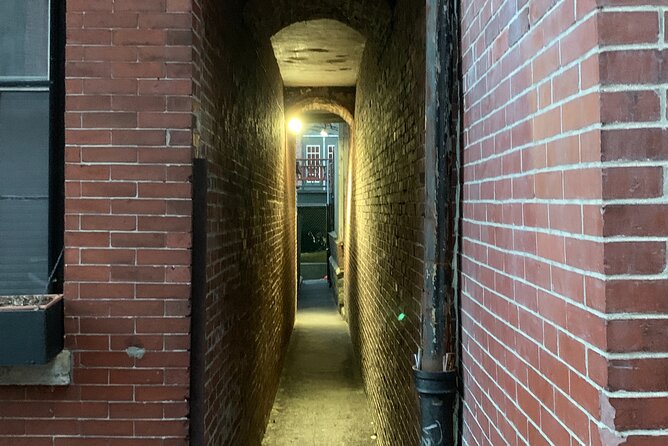
The tour then brings you to the station master Lewis Hayden’s home. This section is built around how he saved countless runaways.
What I like about this stop is the way it puts bravery into a specific address. Hayden isn’t presented as a distant hero. You hear the case for why his home mattered and what it took to keep people safe.
This is one of the stops where narration style helps. The multi-voice approach keeps you from zoning out, and the pacing makes it easier to absorb details without losing the big thread of the story.



Leonard Grime and the role of conductors
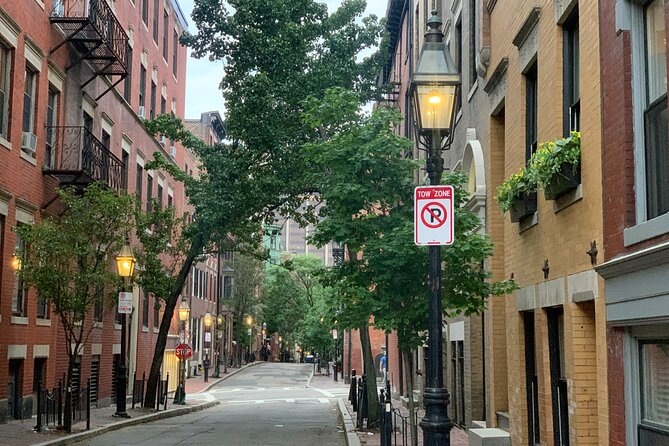
You’ll also stop by a site associated with Leonard Grime, described as a conductor on the Underground Railroad.
Conductor stories are important because they fill the gap between the people hiding others and the people guiding escapes forward. You start to understand the network as a chain of responsibilities: someone has to move the person onward, someone has to arrange safety, and someone has to keep things from breaking down.
If you like history that explains systems—how work actually got done—this part will feel satisfying. It’s not just names. It’s roles.
Old Temperance Boarding House: the hidden logistics of safety
Another key stop is the Old Temperance Boarding House. The tour presents it as part of the Underground Railroad story.
Boarding houses sound ordinary. That’s the point. You learn how escape depended on places that could blend in and still provide shelter. The Underground Railroad often relied on discretion, and this type of location fits that pattern.
This is also where the “walking tour with audio” format becomes more than entertainment. You start connecting the idea of safe harbor to real buildings and the social fabric around them.
Phillips School: Boston’s first integrated school and teacher
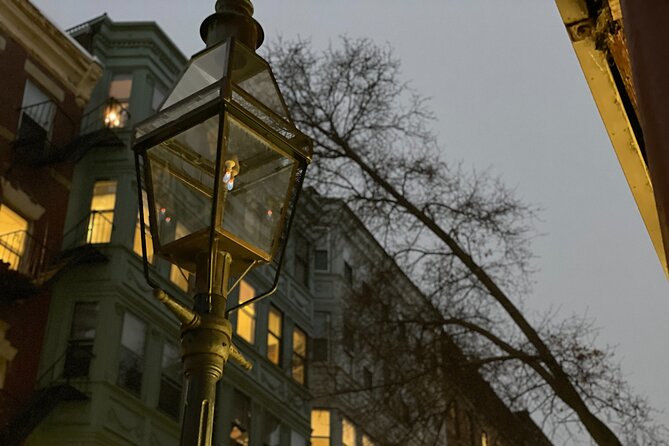
The tour includes the old Phillips School site. Here, you’ll hear that it was the first integrated school in Boston and that it also had the first African American teacher to teach at an integrated school.
This stop changes the emotional register. You move from escape routes toward education and integration—freedom’s long work. It’s also a reminder that safety and justice aren’t only about getting someone to the next stop. They’re about building a society where people can study, learn, and take part.
If you’re interested in African-American history beyond the Underground Railroad headline, this is the moment where the story widens.
Vilna Shul and immigrant help across communities
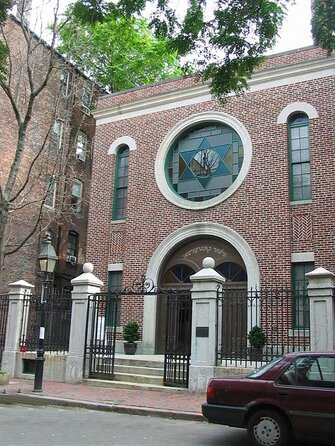
You’ll pass the historic Vilna Shul, described as the oldest immigrant synagogue in Boston. The tour connects the Jewish community to support that helped on the Underground Railroad.
I like this inclusion because it shows the Underground Railroad as a network with multiple communities contributing. It’s not one isolated group. It’s a web of people making moral choices in the face of serious risk.
Beacon Hill has a layered population history, and this stop helps you see that the story of abolition in Boston wasn’t limited to one neighborhood type. It spread through communities.
John Coburn and the gaming house angle
The route also ties in a site that was once the house of John Coburn and his gaming house, with Coburn described as a station master.
This is a fascinating contrast. When you hear how social spaces could relate to covert movement, you get a more realistic picture of how Underground Railroad operations blended into the everyday world.
It can also be a good mental check for you: if you think only specific “secret-looking” sites played a role, this section pushes you toward a more grounded understanding.
Charles Sumner’s Birthplace: abolitionism in the background
Near the end, the tour stops by the abolitionist Charles Sumner’s Birthplace. This provides context by linking the Underground Railroad story to the wider abolition movement.
That matters because Underground Railroad history can feel like a single-track narrative. Adding an abolitionist figure gives you a bigger frame. Even if the Underground Railroad is the main story here, it didn’t exist in a vacuum.
You’ll finish with a sense that these people and efforts were part of a larger push toward freedom and human rights.
Price and value: $9.75 for a guided-style story
At $9.75 per person, this audio tour sits in the budget-friendly category. The value is not just the low price—it’s what you get for that price.
For under ten bucks, you’re effectively buying:
- a structured narrative tied to specific locations
- multi-voice narration for engagement
- self-pacing, so you can pause for photos or reading
- a short walk that fits between other sightseeing plans
If you compare this to a traditional guided tour, you’re also saving time. You can start when it fits your day instead of coordinating with a group. The flip side is that you carry the job of following the phone prompts.
Net: if you’re comfortable using your phone outdoors and want a focused, low-cost way to learn, this price feels fair.
Timing, phone setup, and how to avoid route confusion
Most people can do this walk, but smooth navigation depends on one thing: keeping your attention on the app.
A few practical tips based on the tour experience format:
- Use your phone data or an offline-ready setup if you already know your device has trouble in spots with weak signal.
- When you hear narration, don’t start walking full speed. Let the audio finish the current point.
- If you get off track, look for the next-stop arrow on the screen. That cue helps you jump back onto the correct route faster than rewinding and hoping.
Also, the tour includes extra “go deeper” style content. If you choose those options, expect the audio flow to feel less linear for a moment, because you’re switching between layers of the story. It’s still workable. Just treat it like optional extras rather than the main timeline.
For comfort, wear comfortable shoes. Beacon Hill’s streets can be a little relentless, even on a short walk. Bring water if you’re out in warm weather, and consider a snack if you’ll be walking more later.
How to get the most out of each stop
This isn’t a museum tour where you stand still. It’s a street tour where details arrive while you’re moving. To make it stick, I’d do this:
Pause at each marked site and let the narration land before you take off for the next block. When you stop at the John J Smith House, Phillips School, or the Vilna Shul area, you’re not just collecting facts—you’re building an understanding of how different parts of society supported freedom.
If you like history with names and roles, this tour delivers because it keeps returning to station masters, conductors, and abolitionist links. If you prefer broader context, the Charles Sumner stop helps widen the picture without adding extra walking time.
And if you’re the type who enjoys details, use the option to pause and rewind when you want to catch a specific person or moment.
Who this Underground Railroad audio walk is best for
This tour fits best if you:
- want a short, structured walk in Beacon Hill
- prefer learning on your own schedule
- enjoy phone-based storytelling that’s tied to where you are
- want a focused look at African-American history connected to the Underground Railroad network
It’s especially good for people pairing it with other Beacon Hill sights. Since it’s roughly 45 to 55 minutes, it works well as a mid-morning activity or an afternoon break.
If you’re traveling with a group and want everyone to move together but not at the exact same pace, self-guided format helps. It’s private for your group, which takes away the awkward “wait for the slowest person” problem.
Should you book this Beacon Hill Underground Railroad audio tour?
Book it if you want a low-cost, guided-feeling history walk that brings African-American stories to life across real Beacon Hill locations. For $9.75, you get a well-structured route, phone-controlled narration, and a sequence of stops that explains people, roles, and how help actually worked.
Skip it (or plan to be extra patient) if you hate troubleshooting phone apps in cold or poor-signal weather, or if you want paper map-style navigation with zero screen interaction. The experience depends on your phone experience and your willingness to follow on-screen cues.
FAQ
Do I need to download an app to use this tour?
Yes. You access the tour through the WalknTours app using the code shown in your Viator ticket area (there’s a View Ticket button with the instructions).
Where does the tour start and where does it end?
It starts at Charles Street Meeting House, 70 Charles St, Boston, MA 02114, and ends at 46 Joy St, Boston, MA 02114 (near the African American Meeting House).
How long is the walking tour?
Plan on about 45 to 55 minutes.
What language is the tour offered in?
The tour is offered in English.
Can I pause, go back, or control the narration?
Yes. The format supports pausing and going back so you can review parts of the narration.
Can I cancel for a full refund?
Yes. You can cancel up to 24 hours in advance for a full refund.