REVIEW · FLORENCE
Florence Walking Tour with Audioguide on Your Smartphone
Book on Viator →Operated by TouringBee · Bookable on Viator
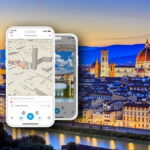
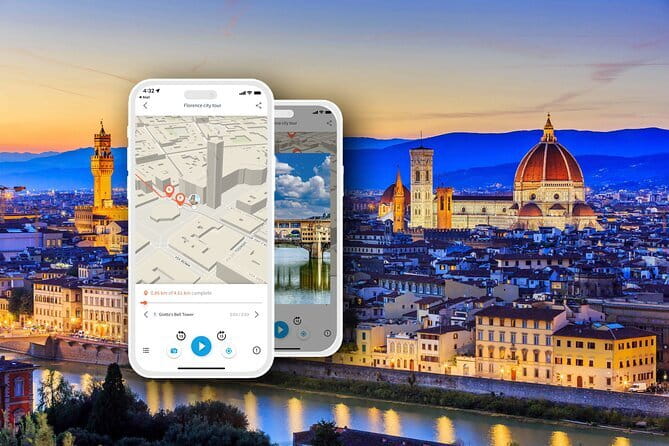
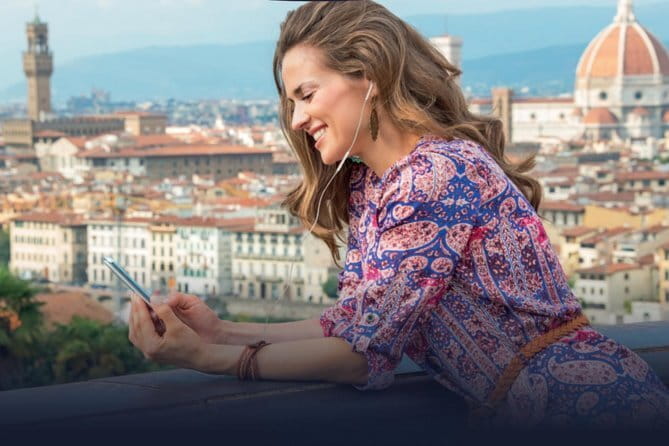
Florence explains itself, one stop at a time. This smartphone walking tour uses audio recorded by a professional historian, so famous churches and palaces feel like they have a narrator in your ear. I also like that you get an offline map with GPS navigation, which helps you stay on track without constant phone-thumbing.
At just $7.14 per person for roughly 2 hours 30 minutes, it’s one of the cheaper ways to cover a lot of key Florence stops without waiting on a group schedule. One thing to consider: this is self-guided, so you’ll need to download the app, activate your purchase, and use your own headphones—and GPS direction can be fussy in tight, dense streets.
If you want Florence at your pace, with stories tuned to what you’re actually looking at, this is a solid plan—especially if you like art, religion, politics, and a bit of science mixed in.
In This Review
- Quick Hits Before You Go
- How This Smartphone Audio Tour Actually Feels on Your Feet
- Starting at Santa Maria Novella: A Gothic Welcome Without the Shock
- San Lorenzo and the Medici Power Show: Where Art Meets Rule
- Palazzo Medici: Spotting the Stories Hidden in Plain Sight
- Santa Maria del Fiore and Giotto’s Bell Tower: The Duomo Complex Fast Plan
- Piazza della Repubblica to Renaissance Palaces: A Walk Through Power Centers
- Mercato Nuovo and Palazzo Vecchio: Art, Food, and the Government Machine
- Casa Museo di Dante and Santa Croce: Literature and Mourning in One City Block
- Museo Galileo and La Casa di Galileo Galilei: Science With Real Instruments
- Uffizi Gallery and Ponte Vecchio: The Two Biggest Magnets—Handled Smartly
- Villa Bardini and Forte Belvedere: Finishing With Views That Actually Count
- Price and Value: Why $7.14 Makes Sense (and When It Might Not)
- What to Know About the App Setup (So You Don’t Lose Time)
- Should You Book This Florence Audioguide Walk?
- FAQ
- Is there a human guide with this tour?
- Do I need to bring headphones?
- Is there an offline map?
- How long is the Florence walking tour?
- Where does the tour start and where does it end?
- What language is available?
- Can I get a refund if my plans change?
Quick Hits Before You Go

- 30 historian-recorded audio spots help you connect the dots across the route
- Offline GPS map means you can follow the walking path even if service is spotty
- Headphones required and you supply your own earbuds, since no audio hardware is included
- Major landmarks are grouped tightly so you can hit cathedral-to-bridge-to-museums in one stretch
- No human guide means you move faster when you want, slower when you don’t
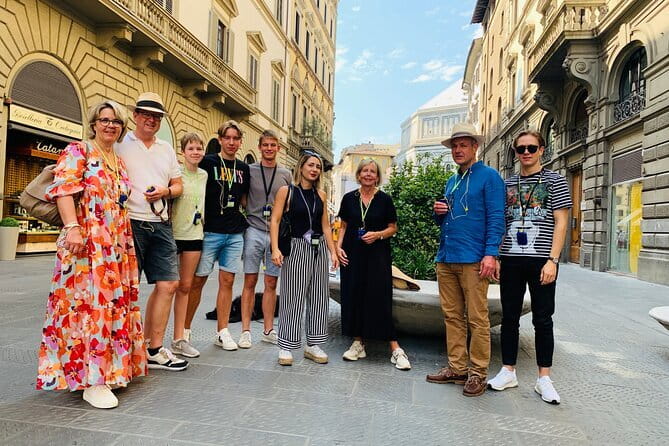
- Small group cap of 20 (though the experience is self-guided)
How This Smartphone Audio Tour Actually Feels on Your Feet
This is a self-guided Florence walk built around audio cues, not a live escort. You’ll start at Santa Maria Novella (Piazza di Santa Maria Novella, 18) and end back at the same meeting point. The total walk is listed at about 2 hours 30 minutes, with audio stops that keep things moving.
What makes it work is the structure: you follow a route on your phone, and the app tells you what to notice at each stop. So instead of wandering with a vague plan and hoping you see the right details, you get a guided checklist—like looking for a rose window here, a specific chapel there, and the story behind a Medici power move.
This format shines when you’re the type who pauses often. Florence reward time is real: you’ll stop at doors, façades, and courtyards, then listen to what matters.
You can also read our reviews of more tours and experiences in Florence.

Starting at Santa Maria Novella: A Gothic Welcome Without the Shock

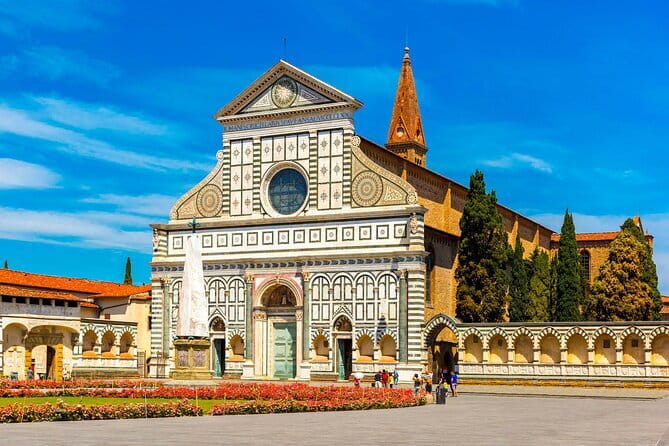
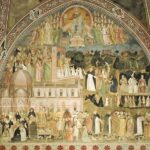
You begin at Basilica of Santa Maria Novella, a church that signals right away you’re in a city where architecture is political and artistic at the same time. The tour’s audio focuses on the 13th-century Gothic façade, including its decorative façade details and the rose window. Then it shifts inside, where you can look for notable artworks and the calmer rhythm of the cloisters.
Practical note: churches can vary in how open they feel day to day, but this is one of the best “first anchors” for a Florence walk. If you’re arriving early or your brain is still rebooting from travel, the audio helps you snap into the local visual language quickly.
San Lorenzo and the Medici Power Show: Where Art Meets Rule
Next you’ll head to Basilica di San Lorenzo, one of Florence’s most important churches. The audio guide highlights how the building was founded centuries earlier and later reshaped in the Renaissance era, including the role of Filippo Brunelleschi. Inside, the focus lands on chapels and works tied to major patrons.
The big draw here is the Medici connection, especially the Medici Chapels and masterpieces connected to artists like Michelangelo. Even if you don’t go deep into every chapel, the narration helps you understand why these spaces mattered: this wasn’t only worship—it was a message.
If you’re someone who likes Florence beyond the postcard Duomo dome, San Lorenzo is a strong second stop.
Palazzo Medici: Spotting the Stories Hidden in Plain Sight
From the churches, the route swings into Medici territory with Palazzo Medici. The audio points you to what to notice on the façade—like the look of the stonework and the grand arches—and then transitions inside to rooms with frescoes and decorative detail tied to Medici wealth.
One standout is the narration calling attention to the Chapel of the Magi, described as a more tucked-away highlight. This is the kind of stop that feels better with audio, because the palace isn’t just one view—it’s layers.
Plan to slow down slightly here. Palazzo visits reward patient looking.
Santa Maria del Fiore and Giotto’s Bell Tower: The Duomo Complex Fast Plan
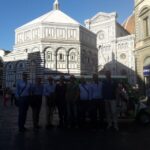
The tour includes a stop at Cathedral of Santa Maria del Fiore, with an estimated 10 minutes and listed as free admission. The audio calls out Brunelleschi’s dome—not just the famous size claim, but why it’s such a big deal in brick dome history. It also points your attention to the color-rich façade materials and sculpture program, plus what you can see inside like stained glass and frescoes.
Then you’ll tackle Giotto’s Bell Tower right by the cathedral. The climb is described as 414 steps, and it’s listed at about 10 minutes. The audio helps you treat the bell tower as more than a stair treadmill. You get prompted to look at the façade reliefs and the bigger payoff: panoramic views over Florence, including clear sight lines toward the Duomo.
Practical reality: climbing can add fatigue quickly. If you’re taking this in warm weather or you’re not great with stairs, pace yourself. You don’t need to race to get value from the narration.


Piazza della Repubblica to Renaissance Palaces: A Walk Through Power Centers
From the cathedral zone, you move into the center city rhythm at Piazza della Repubblica. The audio frames it as a historical place with older roots (it was once a Roman forum), and then shows you how it lives now, with cafes and shops around you. The guide also points out the Arch of Triumph that marks the square’s modern shape.
After that, you’ll cover Palazzo Strozzi, a big Renaissance presence with a courtyard you can actually enjoy even on a quick stop. The audio notes that it’s a cultural venue with rotating exhibitions. Even if you don’t time an exhibit, the building itself gives you a lesson in symmetry and proportion.
You also stop at Palazzo di Parte Guelfa, tied to the medieval Guelf faction. The audio steers you toward the courtyard and fresco details, and it’s a reminder that Florence politics weren’t abstract—they were plastered on buildings.
Mercato Nuovo and Palazzo Vecchio: Art, Food, and the Government Machine
Next up is Mercato Nuovo, often easier to enjoy than a formal museum because it’s all about senses. The narration sets it up as a food market area in the San Lorenzo district, with produce, cheeses, and local specialties. If you want a break from marble and murals, this is where the walk turns human: smell, taste, and quick conversations (and yes, you can snack without guilt).
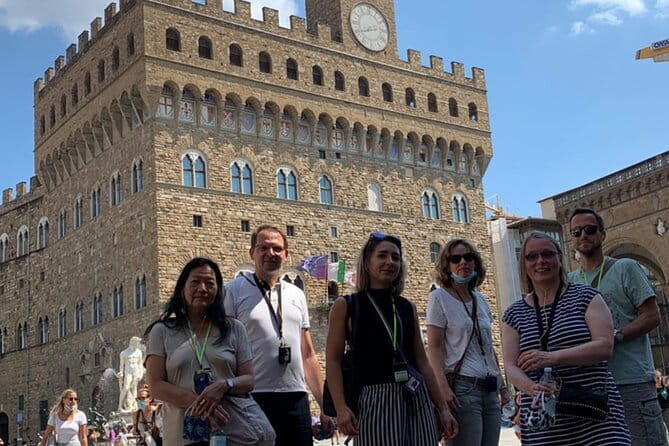
Then the route steps into civic authority at Palazzo Vecchio, a fortress-like seat of Florentine government. The audio emphasizes the tower, the ornate Salone dei Cinquecento, and the panoramic view option from climbing the tower. This is one of those stops where audio matters because the building’s “power look” can feel intimidating—until someone explains the why.
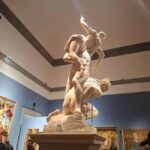
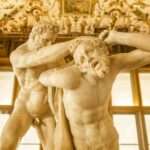
Right in the same square area, you’ll also encounter Loggia dei Lanzi, an open-air sculpture gallery. The narration points out major works you can see in the colonnade, including Cellini’s Perseus and Giambologna’s Rape of the Sabine Women. This is a good place for a slower walk and a photo burst—just don’t block other people trying to get through.
Casa Museo di Dante and Santa Croce: Literature and Mourning in One City Block
Florence doesn’t treat poets as side characters, and the route proves it with Casa Museo di Dante. The audio frames it as a look into Dante Alighieri’s world and includes how his life fed into the themes of the Divine Comedy. You’ll see exhibits tied to manuscripts, drawings, and artifacts connected to him—small, but focused.
Then you head to Basilica di Santa Croce, a Gothic church that also functions like a “who’s who” for major Italian figures. The audio calls out frescoes by artists such as Giotto, and it highlights the famous reputation as the resting place for figures like Michelangelo, Galileo, and Machiavelli.
If you’re not a museum person, Santa Croce might convert you. It’s architectural drama plus cultural memory.
Museo Galileo and La Casa di Galileo Galilei: Science With Real Instruments
Here’s where the tour quietly gets interesting: it doesn’t only do art and religion. It includes Museo Galileo, which the audio describes as a walk through scientific instruments and artifacts from Renaissance eras to modern times. Expect interactive exhibits and explanations of Galileo’s impact on astronomy and physics.
The route also includes La Casa di Galileo Galilei, described as his birthplace museum with personal artifacts and exhibits such as telescopes and celestial maps. This pairing works well because you’re comparing “the man’s life” to “his ideas in action.” Even if you don’t feel like a science student, the audio’s job is to help you notice what’s worth noticing.
Uffizi Gallery and Ponte Vecchio: The Two Biggest Magnets—Handled Smartly
If you want the top-tier art hits, the route includes the Uffizi Gallery. The audio highlights key names and major works such as Botticelli, Michelangelo, Leonardo da Vinci, and Caravaggio. It also points to landmark paintings like The Birth of Venus and Primavera.
Important practical note: Uffizi is a ticketed museum, and entrance fees aren’t included. So treat this as a stop built around your ability to enter if you’ve arranged tickets and time. If you don’t, you can still use the audio for context outside and at the gallery approach—but you won’t see the paintings without admission.
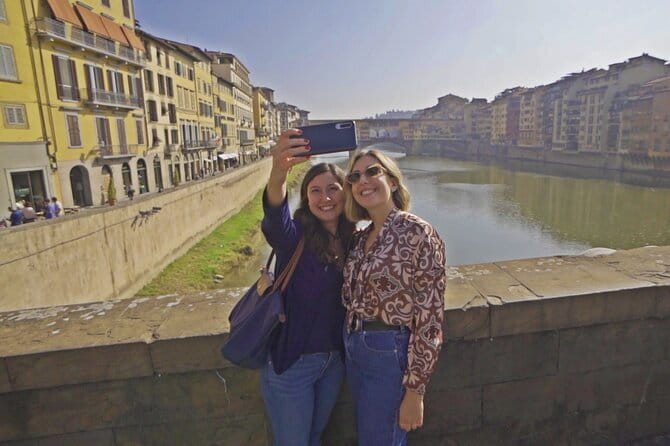
Then you cross Ponte Vecchio, listed as about 20 minutes with free admission. The audio focuses on the bridge’s age and its goldsmith shops, plus the classic views over the Arno. After that, it brings in the Vasari Corridor, designed by Giorgio Vasari, as a secretive elevated passage connecting Medici buildings so the family could move discreetly.
This is a great pairing in audio form because one stop shows everyday Florence trade. The other reminds you that power often moved like a hidden hallway.
Villa Bardini and Forte Belvedere: Finishing With Views That Actually Count
You’ll end with skyline and hillside viewpoints, which is exactly when Florence feels most dramatic. The route includes Villa Bardini, described as a hillside villa with gardens, a terrace view, and art exhibitions featuring classical and contemporary work. Even if you don’t time an exhibition, the terrace view is the payoff, and the audio helps you understand why this kind of viewpoint mattered.
Finally, there’s Forte Belvedere (or San Giorgio Firenze), listed at about 15 minutes with free admission. The audio frames it as a hillside fortress built in the late 1500s under the Medici period, and it highlights courtyards and the sweeping views over the city and surrounding Tuscan countryside. It also notes the site can host art exhibitions and cultural events, so if something is on, you might catch a bonus.
If you finish with your legs tired, that’s normal. The last stops are made for slowing down and letting the view do the talking.
Price and Value: Why $7.14 Makes Sense (and When It Might Not)
At $7.14 per person for about 2.5 hours, you’re paying for audio content, a route map, and a self-paced way to hit big names without booking a full guided group day. You’re not paying for staff time, and you’re not paying for entrance tickets. That’s the key trade-off.
This tour is best value if you:
- like learning while walking and don’t want to wait on others
- are comfortable navigating with your phone and headphones
- plan to explore a mix of interiors and exterior details (when open)
It’s less ideal if you:
- hate apps and prefer paper maps
- want a strict, escorted timeline with someone answering questions
- need phone directions to be spot-on at every turn (GPS can be less reliable in dense areas)
What to Know About the App Setup (So You Don’t Lose Time)
This experience depends on the app working on your device and on your comfort using it. One review-related lesson you should take seriously: figuring out which app to download and how to start listening can take a bit of time. The good news is that the experience includes clear step-by-step instructions by email, which helps once you’re past that first hurdle.
Also, one directional problem has popped up: GPS direction can fail or lag. That doesn’t mean the audio disappears, but it can cost you time when you’re trying to find the next stop. If you’re picky about directions, give yourself extra buffer time and don’t assume the phone will always point perfectly.
Bottom line: test your setup before your walk starts. Download everything you can, charge your phone, and pack spare batteries if you’re traveling with an older model.
Should You Book This Florence Audioguide Walk?
I’d book it if you want a low-cost way to connect Florence’s biggest landmarks to stories you can understand while you’re actually looking at them. The mix of churches, Medici palaces, civic power spots, Dante, science museums, and Ponte Vecchio makes it feel like you’re covering more than the usual greatest-hits loop.
I’d skip (or at least reconsider) if you strongly prefer a live guide, or if you’re the type who gets stressed when your phone and GPS don’t behave. This tour works best when you’re flexible, headphones-ready, and happy to wander with guidance from a historian’s narration rather than a person.
FAQ
Is there a human guide with this tour?
No. It’s a self-guided tour. You’ll download the audio app, activate your purchase, and follow the route using the mobile map.
Do I need to bring headphones?
Yes. Headphones are not included, so you’ll need to use your own.
Is there an offline map?
Yes. The tour includes an offline map with GPS navigation to help you follow the route.
How long is the Florence walking tour?
It’s listed at about 2 hours 30 minutes.
Where does the tour start and where does it end?
It starts at the Basilica of Santa Maria Novella (Piazza di Santa Maria Novella, 18). It ends back at the same meeting point.
What language is available?
The tour is offered in English, and your access is available for 1 year in your preferred language.
Can I get a refund if my plans change?
Yes. You can cancel for a full refund up to 24 hours in advance of the experience start time.