REVIEW · FLORENCE
Florence: Uffizi Entry Ticket with AudioGuide
Book on GetYourGuide →Operated by Italy Wonders · Bookable on GetYourGuide
One of the best ways to tackle the Uffizi. This Uffizi Gallery ticket comes with priority entrance and an easy smartphone audio guide, so you can focus on art instead of lines. In two hours, you can get your bearings, hit the big-name masterpieces, and still move at a pace that feels human.
Two things I like a lot: you get skip-the-ticket-line entry (time is everything in Florence), and the audio guide lets you wander without waiting for a group to catch up. You’re not locked into a script, which matters in a museum as big and crowded as this one.
One drawback to plan around: it’s mostly self-guided. If you want a full-on live guide, double-check what you’re booking, because the included format here is an audioguide on your phone rather than a constant docent talk.
In This Review
- Key things to know before you go
- Priority Uffizi entry: what you gain beyond “skip the line”
- The audio guide on your phone: how to use it smart
- Inside the Uffizi: the masterpieces you’ll be chasing
- Meeting point at the Andrea Obgagna statue: don’t lose time here
- A realistic plan for a 2-hour visit
- Price and value: is $84 a smart use of money?
- Things that can derail your Uffizi entry (and how to prevent it)
- Who this tour suits best (and who might want another option)
- Should you book this Uffizi entry with audio guide?
- FAQ
- How long is the Uffizi ticket valid?
- Does this include skip-the-ticket-line entry?
- Where do we meet the host?
- What’s included in the experience?
- Is a live guide included?
- What languages is the audio guide available in?
- What should I bring?
- Is luggage allowed?
- Is it wheelchair accessible?
Key things to know before you go
- Priority entrance helps you avoid the longest standstill moments at the door
- Smartphone audio guide means you control the pace and choose what to linger on
- 2 hours from first activation keeps your planning simple, but don’t start late
- Exact ID name match is strict so bring your passport or ID and match spelling exactly
- No large bags or luggage means pack light for smoother entry
- Languages include English, Spanish, French, Italian, German, and Chinese
Priority Uffizi entry: what you gain beyond “skip the line”
The Uffizi is one of those famous museums where the real bottleneck is the entrance, not the art. This ticket is set up to fix the first problem fast: pre-purchased admission plus priority entrance. Practically, that means you spend less time hovering and more time doing what you came for—looking.
Once you’re inside, the experience shifts from logistics to choice. Instead of rushing room to room just to stay with a group, you can slow down in front of the works that grab you. That’s the biggest hidden value of priority entry here: it buys you breathing room once the museum opens up to your eye.
Now, do note what this format implies. Because you’re not tied to a constant live guide, you’ll want a game plan for your two-hour visit. The Uffizi can feel like information overload if you try to see everything. A better approach is to aim for a handful of must-sees, then let the rest be bonus.
You can also read our reviews of more tours and experiences in Florence.



The audio guide on your phone: how to use it smart
This experience includes a smartphone audio guide app, and it’s available in Chinese, German, English, Spanish, Italian, and French. That’s great if you’re traveling with mixed language needs or if you simply want the cleanest commentary for your own learning style.
Before you leave for the museum, I’d treat audio like a tool, not an accessory. Bring headphones (the listing explicitly says to bring them) and make sure your phone is charged. Also, because the ticket validity is 2 hours from first activation, don’t start the audio too early just because you’re eager. Wait until you’re at the point you actually want to begin.
Here’s the rhythm that works best:
- Start with the big storyline artworks first, so you learn the “why” behind them early.
- Use the audio to choose depth. If a painting doesn’t click, you can move along. If it does, you’ll have context for what you’re looking at.
- Keep an eye on the clock near the end. When your 2 hours are up, you’ll likely want to have your final highlights already in motion.
For families, the audioguide approach can be a win or a challenge. In one case, a guide was able to hold attention for a group of teens with history that landed well. In another situation, the kids needed more engagement than an audioguide can provide on its own. My advice: if you’re traveling with younger kids, consider whether they’ll actually enjoy listening while walking or if you may need a more interactive guide experience.
Inside the Uffizi: the masterpieces you’ll be chasing
You’re booking the Uffizi for a reason, and you’ll likely recognize the names right away. The highlights here point to the museum’s strongest pulls: works connected to Michelangelo, Da Vinci, and Botticelli.
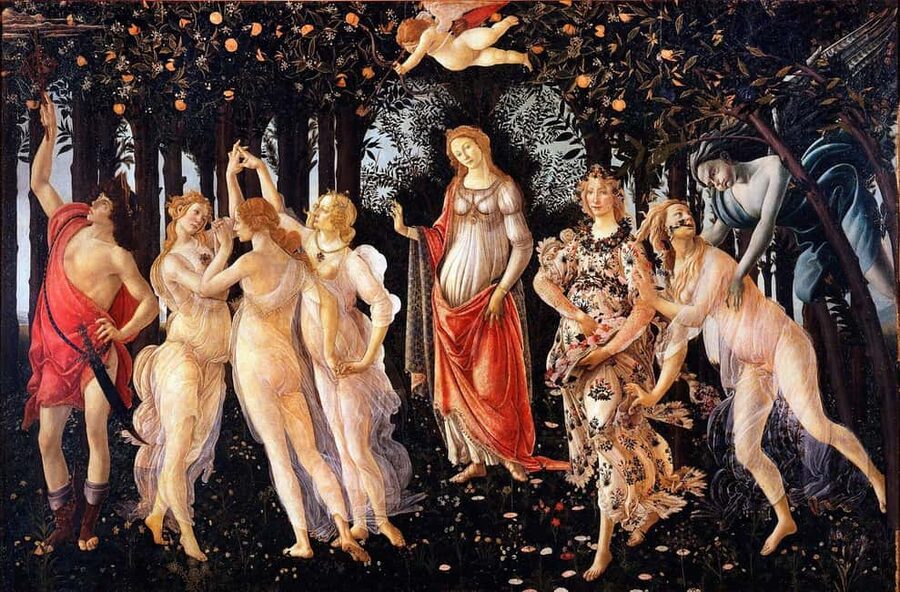
Among the most famous crowd-magnets you should expect to see are Birth of Venus and Primavera. Even if you’ve seen reproductions online, the scale and visual detail can hit differently in person. Botticelli’s work is also perfect for an audio format because you often want context: symbolism, myth references, and what was going on when the paintings were commissioned.
You’ll also encounter major Renaissance masterpieces attributed to the heavy hitters. In practical terms, this matters because the Uffizi isn’t only about one style. You’ll move through different artistic aims—ideal beauty, religious themes, and the Renaissance fascination with classical ideas.
One more reality check: the Uffizi is famous for a reason, so you’ll still see crowds in front of the headline works. Priority entry helps, but it doesn’t magically empty galleries. Your best advantage is pacing. Use the audio to get information while you stand in those lines of sight, and then step aside when you want a calmer view of other rooms.
Meeting point at the Andrea Obgagna statue: don’t lose time here
The meeting point is specific, and it’s worth taking seriously because late arrivals don’t get refunds. You meet the host in front of the Andrea Obgagna statue in Piazzale Degli Uffizi (the first statue on the left). It’s located in the corner between Piazzale degli Uffizi street and Via della Nina street.
Here’s how to make this smooth:
- Go early enough to find the exact statue. If you arrive stressed, you’ll waste minutes.
- Use your phone’s map to orient yourself, but don’t assume one statue looks like the next. The instruction is precise: first statue on the left.
- If you feel unsure, it’s better to ask around before you start wandering toward the museum entrance.
Some people have hit confusion with meeting points, even when the tour team worked to fix it. Still, you’ll enjoy the experience more when the first 10 minutes are stress-free.
A realistic plan for a 2-hour visit
This ticket gives access for 2 hours from first activation, and that’s a strong clue about how the experience is meant to be enjoyed. You’re not being sold an all-day museum marathon. You’re being sold focused time with enough structure to make it worthwhile.
A practical two-hour strategy:
- Start with your top two must-sees (for most people, that’s Birth of Venus and Primavera).
- Use the audio guide for the “why” behind what you’re seeing, not just the date.
- After the highlights, choose another cluster of works rather than trying to zig-zag everywhere.
If you try to see everything, you’ll start skipping details. If you pick a few and let them sink in, the Uffizi feels like a coherent story instead of a photo-op.
Also, remember that the audioguide makes you flexible, but it doesn’t make you immune to crowd flow. Some rooms will bottleneck. You’ll get the best results by expecting it and building in short pauses rather than fighting the crowd.




Price and value: is $84 a smart use of money?
At $84 per person for priority entrance and an audio guide, this isn’t the cheapest way into the Uffizi. So the real question is value: what does this package protect you from?
You’re paying for:
- Priority entrance, which can be the difference between starting strong and arriving drained
- Pre-purchased entrance, which reduces guesswork at the ticket desk
- A smartphone audioguide, so you’re not stuck reading tiny labels while tired and squeezed between people
If you can’t stand long lines or you hate the feeling of wasting a precious morning in Florence, priority entrance usually pays off fast. If you’re the kind of visitor who wants total control over pace, the included audioguide supports that style.
On the other hand, if you already plan to arrive super early and you’re happy to fend for yourself through the queues, the savings might feel less dramatic. And if you want a lot of live explanation—especially for children—you may find this format offers less than a full guided tour.
Bottom line: for most first-timers who want the biggest artworks with minimal friction, $84 feels like a fair trade for time and guidance.
Things that can derail your Uffizi entry (and how to prevent it)
This is where I’d be strict, because Uffizi entry rules here are unforgiving. The tour requires that the names provided EXACTLY MATCH the names on the passports or ID cards for all participants, including children. Nicknames don’t count. Missing names don’t count. Incorrect first or last names can lead to denied entry.
So before you travel, do this once:
- Check every booking name against every passport/ID.
- Don’t assume middle names are optional. If it’s on the ID, it should match the booking as written.
- If minors are included, remember the rule here: minors must be 17 or younger on the day of the activity.
Also bring:
- Passport or ID card
- Headphones
- A charged smartphone
And don’t bring:
- Luggage or large bags
If you’re a light packer already, you’re in good shape. If you’re the “I travel with my whole house” type, you’ll probably regret it here. Plan to carry only what you truly need, so you don’t get slowed down by bag limitations.
Who this tour suits best (and who might want another option)
This setup is built for independent art lovers. It fits best if you:
- Want priority entry so your visit starts quickly
- Like exploring at your own pace
- Learn best with short audio explanations rather than standing in a live group lecture
It can also work well for teens and older kids, especially if they enjoy listening and have the attention span for artwork context. In one situation, a guide managed to keep teenagers engaged while sharing historical facts in a way that landed.
But if you’re traveling with younger kids who get bored fast, expect the audioguide alone to feel thin. In another experience, the kids didn’t stay oriented once inside, and the content wasn’t a great match for their level. For families, the key is knowing your child: if they’ll actually enjoy audio and looking, go for it. If they need constant interaction, you might prefer a different style of tour with a more hands-on guide.
For adults who are on a tight schedule in Florence, this is a strong option because it’s clear and time-bound. You know what you’re buying: priority access plus audio for a 2-hour window.
Should you book this Uffizi entry with audio guide?
Yes, if you want an efficient first Uffizi visit with minimal friction. I’d book it if you’re a first-timer who wants the big masterpieces—especially Birth of Venus and Primavera—and you like the idea of learning at your pace without waiting for others.
I’d think twice if you:
- Need a lot of live, interactive guidance (especially for young children)
- Have trouble coordinating meeting points and start times
- Have any name mismatch risk between your booking and your ID (don’t gamble with strict entry rules)
If you fall in the first group, this ticket is a smart way to spend money where it counts: time saved at the entrance and easy context through audio. You’ll walk out with more than photos, because you’ll actually understand what you were looking at.
FAQ
How long is the Uffizi ticket valid?
The ticket is valid for 2 hours from the first activation.
Does this include skip-the-ticket-line entry?
Yes, it includes priority entrance and skip-the-ticket-line access.
Where do we meet the host?
Meet the host in front of the Andrea Obgagna statue in Piazzale Degli Uffizi (first statue on the left), in the corner between Piazzale degli Uffizi street and Via della Nina street.
What’s included in the experience?
Included are the pre-purchased entrance to the Uffizi Gallery and an audio guide app for your smartphone.
Is a live guide included?
No, a guide is listed as not included.
What languages is the audio guide available in?
The audio guide includes Chinese, German, English, Spanish, Italian, and French.
What should I bring?
Bring a passport or ID card, headphones, and a charged smartphone.
Is luggage allowed?
Luggage or large bags are not allowed.
Is it wheelchair accessible?
Yes, the experience is wheelchair accessible.