REVIEW · ROTTERDAM
Rotterdam: Steamship Rotterdam Audio Tour Entry Ticket
Book on GetYourGuide →Operated by ss Rotterdam · Bookable on GetYourGuide
Few ships let you walk inside history so literally. The SS Rotterdam is the former Holland-America flagship, now moored in Rotterdam, and it’s big enough that an audio guide really helps you pace it. You can also pick from three tour styles, from main-deck highlights to more technical spaces like the chart and radio rooms.
I like that this isn’t just a quick look. You get to roam multiple parts of the ship—upper deck, original passenger interiors, and classic command areas—then slow down with a drink on board. My one caution: the ship is spread out, and the self-guided flow can feel a bit disorienting until you find the right starting spot and checkpoints line up with your language.
In This Review
- Key things to know before you go
- SS Rotterdam in Maashaven: a ship you can actually walk through
- Pick your audio tour: Complete, Seabreeze Deluxe, or Steam and Chrome
- Finding your starting point fast: go to the gift shop area
- The main deck route: what 2 hours of audio touring feels like
- Bow views and “walking the voyage”: decks above and under the waterline
- Passenger interiors: where 1950s elegance still makes sense
- The ship’s command centers: chart room, radio room, captain’s cabin
- Optional engine room tour: the one add-on that changes the day
- Food and breaks on board: terrace time beats rushing
- How long should you plan, and what to expect with pacing?
- Staff and volunteers: why small human help matters here
- Who should book this SS Rotterdam audio tour?
- Should you book the SS Rotterdam audio tour?
- FAQ
- How long is the audio tour?
- What tour options are available?
- What languages is the audio guide offered in?
- Where do I meet for the tour?
- Is the SS Rotterdam tour wheelchair-friendly?
- Is the ticket valid for only one day?
Key things to know before you go
- Three audio routes: Rotterdam Complete Tour, Seabreeze Deluxe Tour, and Steam and Chrome Tour
- Classic command spaces: chart room, radio room, and the original captain’s cabin (depending on option)
- A 1–day ship experience that lasts about 2 hours for the main audio tour
- Optional add-on engine access: an extra guided engine room tour is offered and is worth planning for
- On-site help matters: the audio materials are found near the gift shop area, which can save you time
SS Rotterdam in Maashaven: a ship you can actually walk through
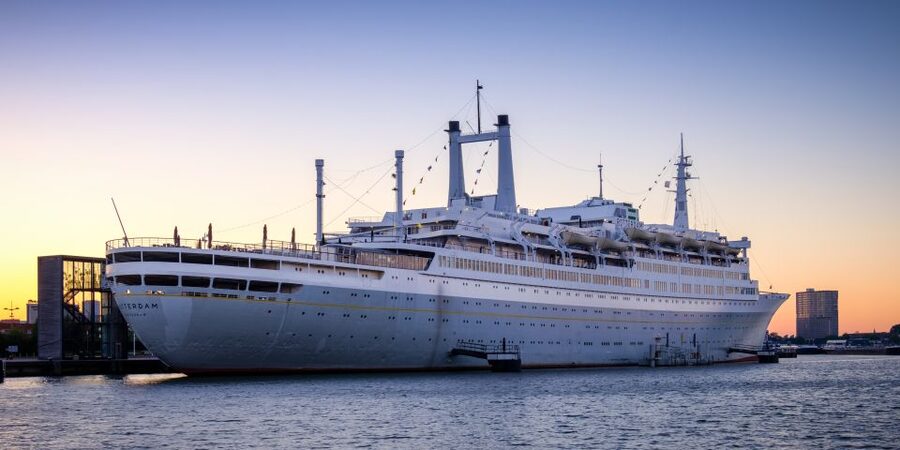
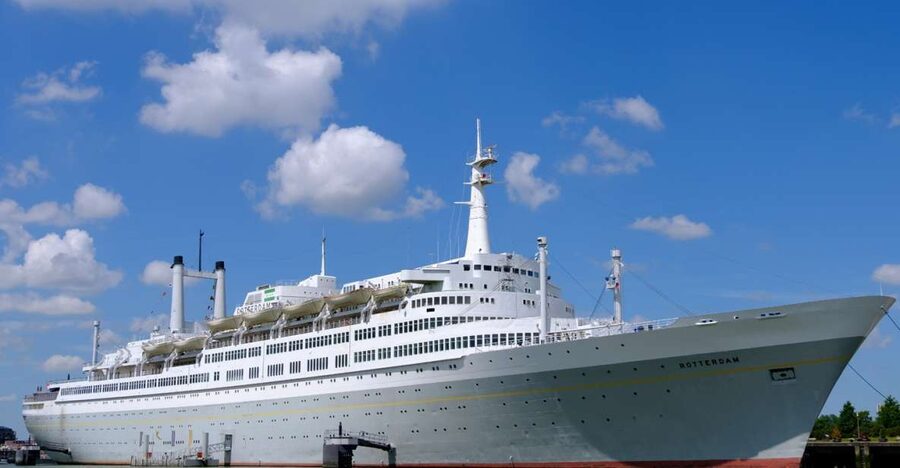
The SS Rotterdam is permanently moored in Rotterdam’s Maashaven, by Katendrecht. That matters because you’re not squeezing this experience between dock calls. You’re on a full-size oceanliner that’s designed so you can move from the grand spaces to the practical ones—without the pressure of a ship schedule.
The ship’s size is the point. It’s often described as the biggest oceanliner ever built in the Netherlands, and you feel that immediately once you step inside. You’re not just looking at rooms; you’re moving through the routes that show how an actual voyage life was laid out: public spaces up front, working areas behind them, and the bridge and control spaces that made decisions happen.
And because it’s now used as a hotel and conference center, the “ship life” story isn’t locked in a museum display case. You’ll see preserved details alongside how the building is still used today, which gives you that practical, real-world sense of how this design holds up.
You can also read our reviews of more tours and experiences in Rotterdam.

Pick your audio tour: Complete, Seabreeze Deluxe, or Steam and Chrome
Before you go, decide what you want the ship to teach you. The ticket lets you choose between three audio tour options, and each one changes what you’ll access.
Rotterdam Complete Tour
This is the best fit if you want the most complete sense of passenger life plus the big-ticket rooms. Expect to cover more of the ship’s major areas and follow a longer narrative arc through what life on board felt like when the ship was operating.
Seabreeze Deluxe Tour
Go with this if you want a strong mix of decks and interior highlights, with less emphasis on the most technical stops. It’s a good choice if you’re traveling with people who want history without feeling like the day becomes one long navigation exercise.
Steam and Chrome Tour
This option leans toward the “systems and ship mechanics” vibe. The name hints at the engine and metalwork world, and you’ll spend more time in the ship’s working atmosphere rather than only the passenger glamour.
A practical note: even if you choose one route, the ship is still the ship—stairs, decks, and corridors are part of the deal. If you love ships for their layout and function, any of the routes will feel satisfying. If you mainly want the easiest highlights, you might want to skim the differences and choose the route that matches your patience level.
Finding your starting point fast: go to the gift shop area
One theme that comes up with this kind of self-guided ship visit is simple: you need to know where to start. The good news is that on board, the audio guide setup is tied to the gift shop area. That’s where you’ll sort tickets and collect the digital audio guide in the language you selected.
If you walk in and wander, you can lose time. I’d treat the first 10 minutes as a mission:
- Locate the desk/gift shop zone where audio guides are provided
- Confirm which tour option you chose
- Take one minute to understand the first deck/checkpoint before you head deeper into the ship
This is especially important because some parts are accessed via different levels, and you’ll be moving between them. Once you’re oriented, the whole experience clicks.
The main deck route: what 2 hours of audio touring feels like
The duration of the audio tour is approximately 2 hours. In practice, that can expand if you pause for pictures, read details, or linger in rooms that catch your interest. On a ship like this, you’ll naturally stop more often than you expect.
The audio pacing helps, but it’s not always perfect at every checkpoint. A couple of visitors reported that the audio didn’t work in some places, and others noted information was only available in certain languages at specific stops. So if you’re traveling with a language preference, it’s smart to download or confirm your audio mode before you reach each major section—especially in quieter rooms where signals can be unpredictable.
Still, the self-guided format is a big advantage. You can move at your own speed. If one room hits you emotionally, you can stay. If another room feels like a quick pass, you can keep going without waiting for a group to catch up.
Bow views and “walking the voyage”: decks above and under the waterline
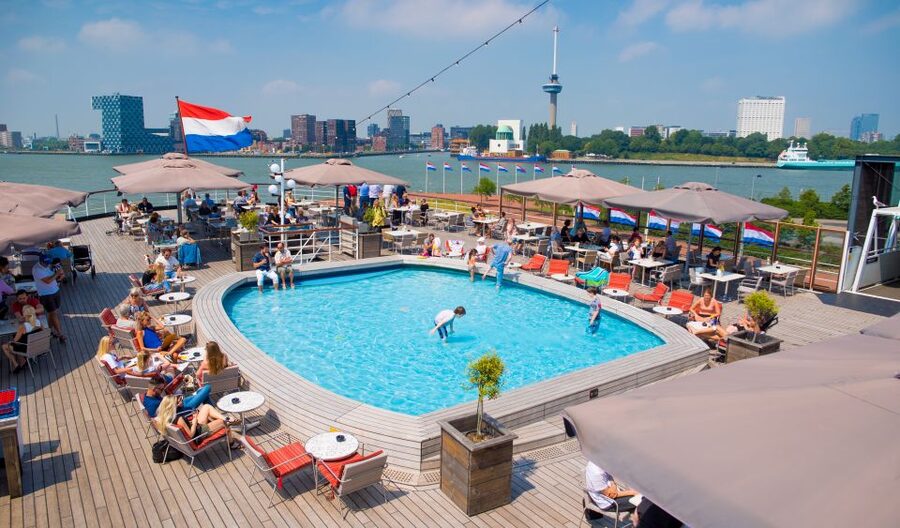
The tour is designed to take you beyond a single layer of the ship. You’re meant to roam the decks above and the spaces below the water line. That idea is powerful because it shows the difference between how a ship looks to passengers and how it actually supports travel.
One of the best early payoffs is the sense of scale around the monumental bow and the outdoor-feeling spaces near the front of the ship. It’s also where you get those “this was built for real ocean service” moments—like spotting the heavy windlasses and seeing the ship’s top structure up close.
As you move through, you’ll start noticing how the “public story” and the “technical story” are connected. Even if you never pay extra for the engine room, the overall route helps you understand that an oceanliner is not one experience—it’s many systems working together, connected by movement between compartments.
Passenger interiors: where 1950s elegance still makes sense
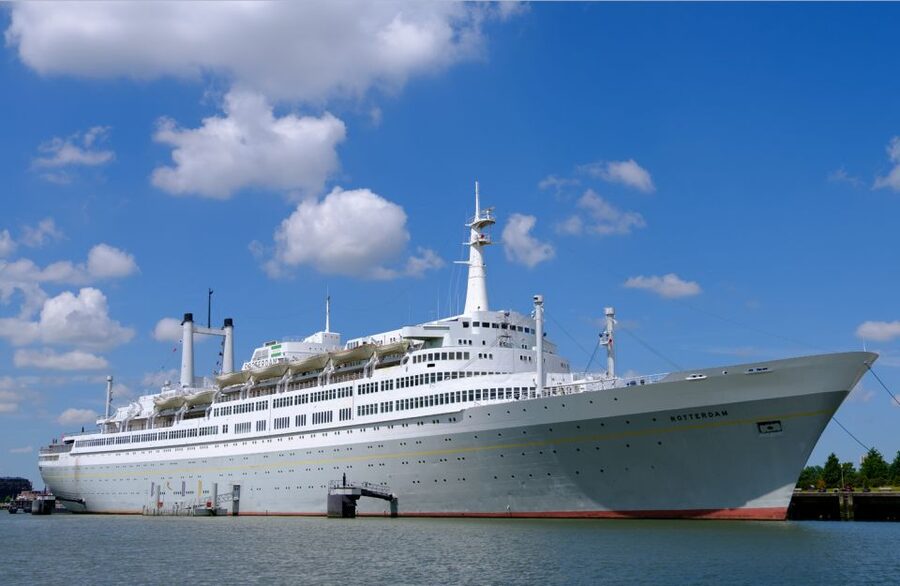
The ship’s interiors are part of the reason people love this stop. You’re walking through a luxury oceanliner layout from an era when ship design was meant to feel both stylish and reassuring at sea.
In the passenger areas, the look is very much about mid-century décor and classic styling. You’ll see the kind of layout where the ship channels you through rooms that feel curated for the voyage lifestyle: social spaces first, then the more private and functional areas, with the “feel” shifting as you go deeper.
This is also where the hotel-and-conference reuse becomes interesting. You’re not only seeing a preserved set of rooms. You’re seeing a structure that still works—so the design isn’t just sentimental. It’s functional in the present day too.
If you’re the kind of traveler who loves how buildings are arranged—how people move, how light hits corridors, how big rooms connect to smaller ones—these interiors will reward you.
The ship’s command centers: chart room, radio room, captain’s cabin
This is where the SS Rotterdam becomes extra fun, even for non-nerds. The classic command spaces turn a “tour of rooms” into a tour of decision-making.
Depending on the option you chose, you’ll visit areas such as:
- the chart room
- the radio room
- the original captain’s cabin
These rooms help you understand how communication and navigation worked before modern digital everything. Even if you don’t know ship terminology, you’ll recognize the logic: charts, radios, command furniture, and the sense that the captain and crew were watching the world move around them.
If you’re curious about leadership roles on ships—how information flows, who sees what, and when decisions get made—these rooms are the core. It’s the closest thing on this ship to getting a “behind the scenes” feeling without leaving the public tour path.
Optional engine room tour: the one add-on that changes the day
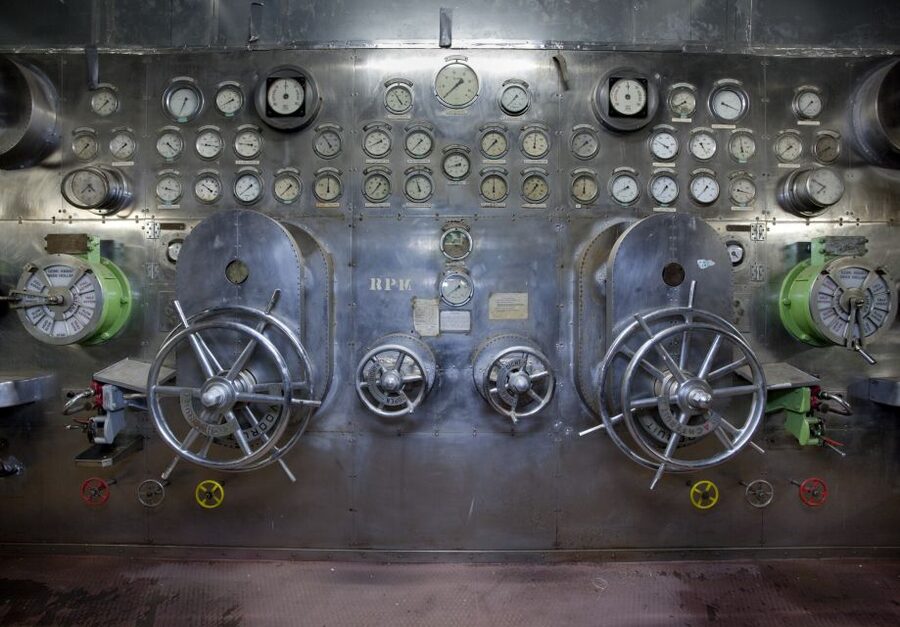
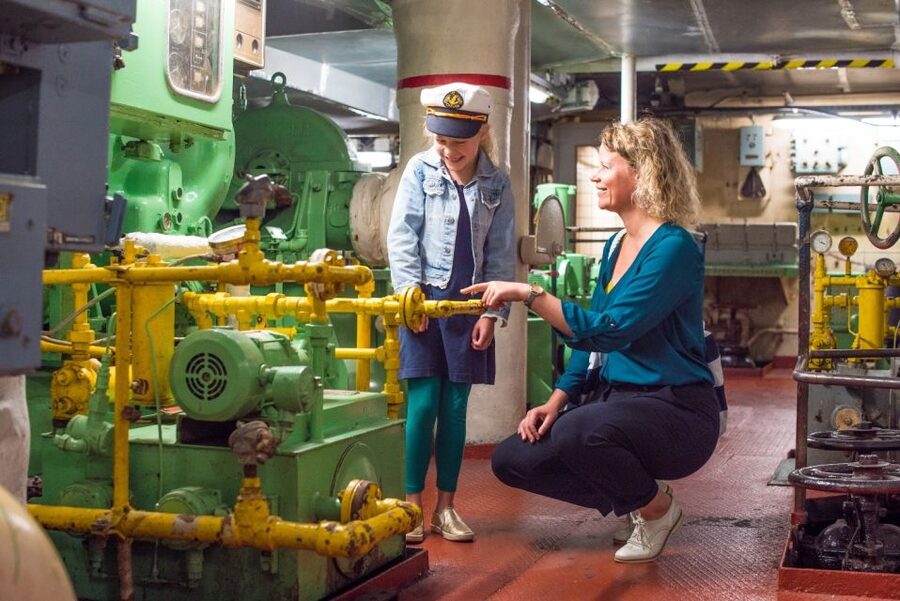
If you want the most technical experience, plan for the engine room tour as an extra add-on. At least one visitor paid extra for a 1-hour engine room tour, and that time made a noticeable difference in the overall day.
Here’s the practical value: the engine spaces turn “history you can see” into “history you can sense.” You stop thinking in terms of décor and start thinking in terms of power, engineering choices, and how a ship keeps moving for days at a time.
Also, some of the most memorable stories tend to come from the people who worked on these ships. One engine-room guide named Hans was described as wonderful and very knowledgeable about how the systems worked. Another experience highlighted a guide named Mimi, an 80-year-old former crew member from the ship’s early operating years, who brought the ship to life through real-world perspective.
If you’re even slightly into machinery, engineering, or how technology evolves, that extra hour is likely the part you’ll talk about later.
Food and breaks on board: terrace time beats rushing
A ship visit can become a sprint if you don’t build breaks in. The good news is the SS Rotterdam has a built-in pause option: the ship’s terrace in Rotterdam is a natural spot to take a breath after you’ve walked a chunk of decks.
One helpful tip from the on-board experience: after your touring, try lunch at the Lido area. Coffee and cake have also been singled out as worth grabbing. It’s simple, but it’s smart travel planning—food keeps you energized, and it gives your feet a reset.
Think of the meal as part of the route, not a random extra. The ship is a “walk-through” experience, so your energy management matters.
How long should you plan, and what to expect with pacing?
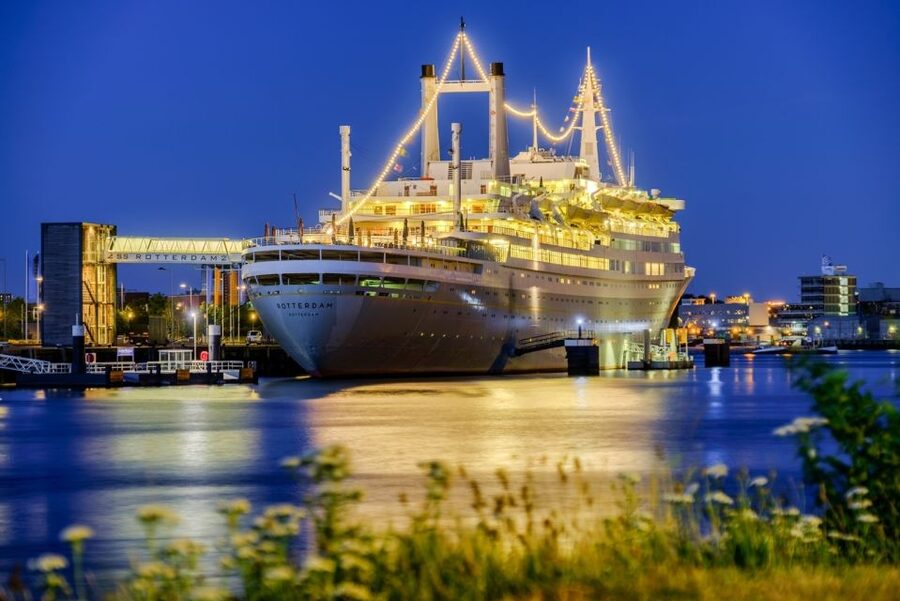
Your ticket includes an audio guide, and the main audio tour is about 2 hours. But there’s a big reason your total day might stretch closer to 3 hours: if you add the engine room tour, you’re adding another guided block.
One visitor described their full timing as roughly 2 hours for upper-part self-guided audio plus about 1 hour for the guided engine room tour. That’s a useful benchmark for planning your schedule in Rotterdam. If you want time for lunch and photo breaks, it’s reasonable to give yourself a bigger window than the audio length alone.
Also, the ship is not a flat walking loop. You’ll move between levels and deal with doors, stairs, and changing space sizes. If you’re prone to getting turned around in large buildings, treat the first visit to each level as orientation time. Once you understand the ship’s flow, it gets easier.
Staff and volunteers: why small human help matters here
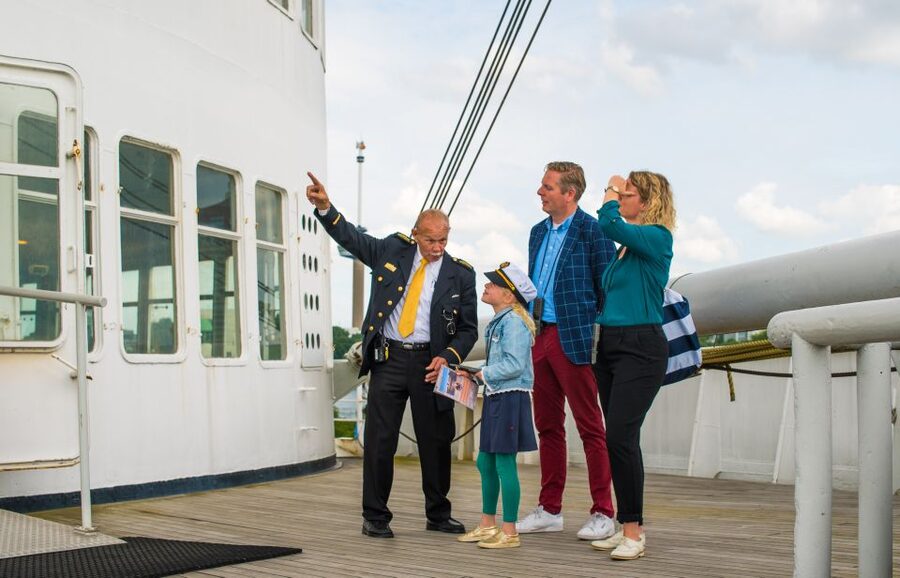
This is one of those places where volunteers and staff change your experience from okay to great. Multiple visitors emphasized that staff were friendly and that guides helped when people got stuck, especially around the start.
If you’re unsure where to go next during the self-guided part, don’t brute-force it. Ask at the nearest help point and get pointed to the correct deck start. That saves time and helps you avoid missing sections that should match your audio checkpoints.
And if you score an engine-room guide with real sailing/engineering background, you’ll likely get stories that turn static information into something you can picture.
Who should book this SS Rotterdam audio tour?
This tour is a strong match if you want:
- a mid-century oceanliner experience you can walk through at your own pace
- the mix of passenger interiors plus ship command spaces like the chart and radio rooms
- the option to add deeper engine room access if you care about how ships actually work
It’s also great for families with kids who like big machines and big ships, as long as everyone is comfortable walking indoors and moving between levels.
My caution is for people who want a super-easy, one-level museum-style stroll. The tour includes access to several parts of the ship, and the ship’s layout can feel disorienting until you’re oriented. If you’re short on time, pick the route that aligns with your interests rather than trying to force everything into one visit.
One more practical note: the activity is listed as wheelchair accessible, but it’s also marked as not suitable for wheelchair users. That contradiction is worth taking seriously. If mobility is an issue, contact the operator before you go and confirm what level access looks like for your specific needs.
Should you book the SS Rotterdam audio tour?
Yes—if you like ships, design, or you want an actual walk-through of how ocean travel felt. The price is often what surprises people in a good way: for about $16 per person, you get a structured audio visit to a major historic oceanliner plus the chance to choose your tour focus.
Book it if you’ll use the audio guide properly, and especially if you’re interested in the command rooms. Consider adding the engine room tour if you want the experience to move from “rooms with stories” to “systems with answers.”
Skip the engine add-on only if ship machinery doesn’t interest you at all, or if you want a short, relaxed visit. But if you’re the type who likes to understand how things work, the extra hour tends to be the part that makes the day feel complete.
If you want the best first step, plan to reach the ship and go straight to the gift shop area to sort your audio guide and get oriented before you wander.
FAQ
How long is the audio tour?
The audio tour is approximately 2 hours.
What tour options are available?
You can choose between the Rotterdam Complete Tour, the Seabreeze Deluxe Tour, or the Steam and Chrome Tour.
What languages is the audio guide offered in?
The audio guide is available in Dutch, English, French, and German.
Where do I meet for the tour?
The meeting point is ss Rotterdam, 3e Katendrechtse Hoofd 25, 3072 AM Rotterdam, Netherlands.
Is the SS Rotterdam tour wheelchair-friendly?
The information provided says wheelchair accessible, but it also notes it is not suitable for wheelchair users. If you need wheelchair access, you should confirm details directly before your visit.
Is the ticket valid for only one day?
Yes. The ticket is valid for 1 day, and you can check availability to see starting times.