REVIEW · ROME
Rome: Palazzo Barberini Galleria Corsini Ticket & Audioguide
Book on GetYourGuide →Operated by GetYourGuide Tours & Tickets GmbH · Bookable on GetYourGuide
One good-ticket, two grand palazzos, and some serious art. I love the chance to see Bernini and Caravaggio in the elegant setting of Palazzo Barberini, and I also like how the Corsini Gallery turns the whole visit into more than just paintings—it’s palace architecture you can wander through. The only real drawback: this is self-paced entry, so you won’t get a live guide explaining everything room by room.
You’ll redeem a smartphone voucher at the Palazzo Barberini ticket office, then spend your time moving at your own speed through both collections. Expect a strong mix of famous names—from Raffaello (Raphael) to Tintoretto, Tiziano, and El Greco—plus an audioguide app meant to keep you oriented. If you’re looking for a scripted group tour with lots of narration, you may want to plan for reading and listening on your own.
In This Review
- Key highlights worth your attention
- What you’re really buying: two Roman palazzo galleries for one clear price
- Palazzo Barberini: Bernini and Caravaggio inside a papal-era home
- Galleria Corsini in Palazzo Corsini: late-Baroque style you can walk through
- The audioguide app: how to use it without turning your brain off
- How to structure a one-day visit so you don’t feel rushed
- Staff help and self-paced entry: you’re in charge
- Who should book this Rome ticket—and who might want a different option
- Should you book this Palazzo Barberini + Corsini ticket?
- FAQ
- FAQ
- How much does the Palazzo Barberini and Corsini combo ticket cost?
- What attractions are included with this ticket?
- Is a guided tour included?
- Where do I exchange my smartphone voucher?
- How long is the ticket valid?
- Can I skip the ticket line?
- Is the experience wheelchair accessible?
- What audioguide is provided?
- What is the cancellation policy?
- Where does the visit end?
Key highlights worth your attention
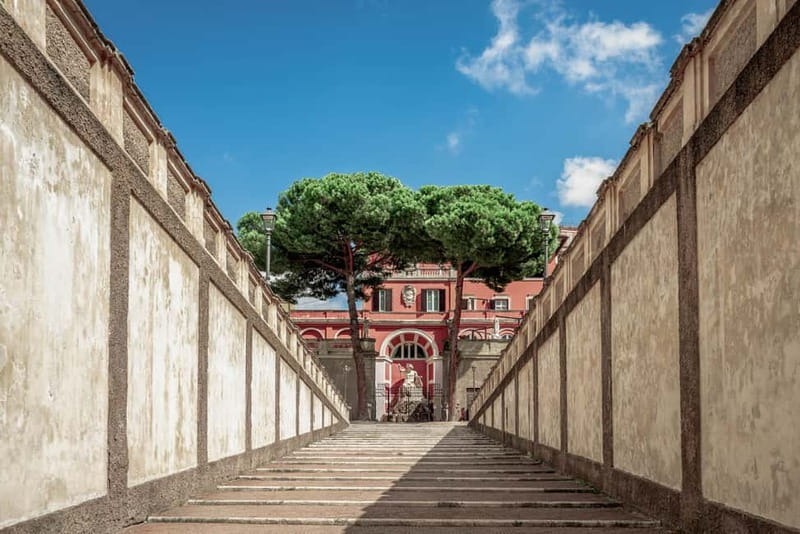
- Bernini and Caravaggio: two giants in one visit, set inside an old papal-era residence
- Two galleries, one ticket flow: you explore Galleria Barberini and Galleria Corsini without rushing a group pace
- Palace settings matter: Palazzo Barberini (Carlo Maderno; Pope Urban VIII link) plus Palazzo Corsini (Ferdinando Fuga)
- Wide artist checklist: from Raffaello and Caravaggio to El Greco, Rubens, Murillo, Ribera, and more
- Audioguide app support: download the app to access extra context while you roam
- Helpful on-site staff: the counter exchange is straightforward, and staff support gets praised
What you’re really buying: two Roman palazzo galleries for one clear price
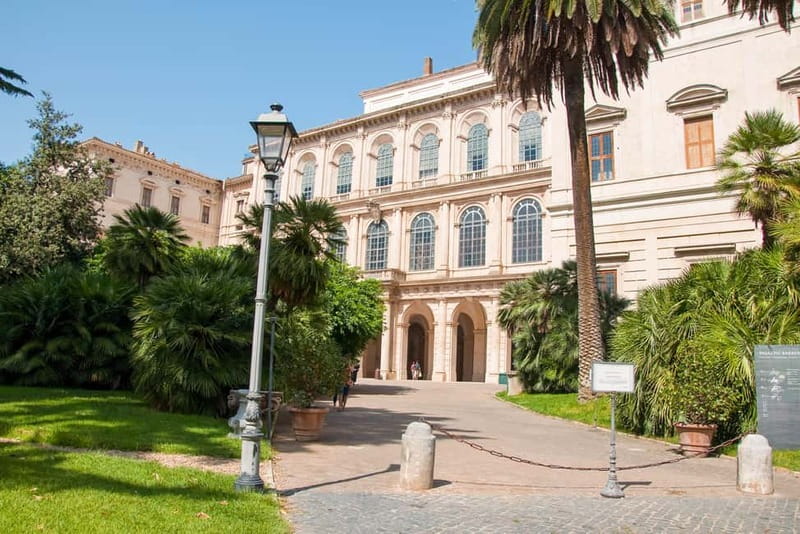
This ticket is built for people who want maximum art per hour—without paying for a full guided tour. For about $19 per person, you get entrance to both Galleria Barberini and Galleria Corsini, plus a digital audioguide via an app. You’re not choosing between “good museum” and “good building.” You’re getting both, back-to-back.
Here’s the practical value: the Barberini and Corsini collections don’t feel like random stops. They’re two different eras and styles of Roman art collecting, staged in two major palaces. That matters because you’re not just looking at frames on a wall—you’re in the kind of rooms where art was meant to be seen, talked about, and lived around.
Timing-wise, the activity is valid 1 day (check available starting times), but your ticket is also described as usable for one visit within 20 days after purchase. Translation: you’re choosing your visit window, then taking the time you need once you’re inside.
One more detail I think you should know up front: the listing notes skip the ticket line, but you’ll still need to exchange your smartphone voucher for a formal entry ticket at the Palazzo Barberini ticket office. So don’t plan a sprint. Plan a calm start, then let the art pace you.
You can also read our reviews of more tours and experiences in Rome.



Palazzo Barberini: Bernini and Caravaggio inside a papal-era home
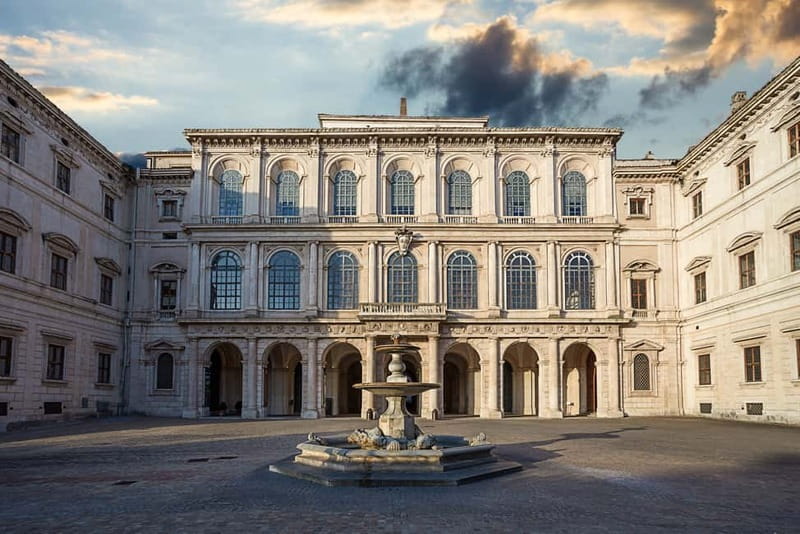
Your visit begins at Palazzo Barberini, where you exchange your smartphone voucher at the ticket office for an official entry ticket. Then you step into the Barberini Gallery inside the palace.
This building isn’t just a backdrop. It was designed for Pope Urban VIII, and the information you’ll see ties it to the Barberini family. The construction is linked to the sixteenth century, with architecture by Carlo Maderno, and it’s described as being on the old location of Villa Sforza. Even if you’re not a building-nerd, that context helps. You start looking at the rooms as part of a bigger story, not just a container for paintings.
Once inside, you’ll run into some of the most famous names in Italian art. The ticket highlights masterpieces and major works associated with Bernini and Caravaggio, and the artist roster goes broad from there. Based on what’s listed, you can expect to see work by van Dyck, Holbein, Beato Angelico, Lippi, Lotto, Preti, Poussin, El Greco, Raffaello (Raphael), Tiepolo, Tintoretto, Rubens, Murillo, Ribera, and Tiziano.
What I like about this lineup is the mix. You’re not stuck in one school, one mood, or one century. You can jump from Renaissance and religious themes into dramatic Baroque energy and then toward later styles—all while staying in one palace. The self-paced format means you can slow down for the works you actually care about, and skip past what doesn’t grab you.
Potential drawback for your planning: if you try to see everything like a checklist, you’ll feel rushed. The galleries are full of named artists and lots to look at. So choose a method: pick a handful of must-sees (for many people that means Bernini and Caravaggio), and treat the rest as “bonus stops” you earn by taking your time.
Galleria Corsini in Palazzo Corsini: late-Baroque style you can walk through
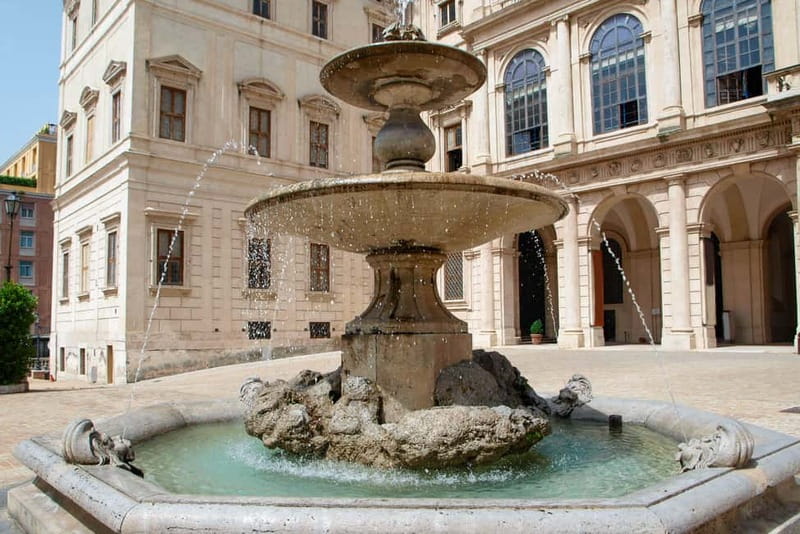
After the Barberini side, you’ll move to the Corsini Gallery in Palazzo Corsini. This part of the experience is about late-Baroque elegance. The palace is described as a late-Baroque building for the Corsini family, erected between 1730 and 1740. The design is credited to Ferdinando Fuga, and that’s a useful detail because it tells you the architecture belongs to the same century where taste and drama in art were getting more theatrical.
What you’ll “admire” here isn’t just the art. The palace itself is a centerpiece. Think of this stop as your reward for sticking around: the Corsini setting tends to feel like a real residence turned into a gallery. It gives you more vertical sense of space and visual impact than a plain museum room.
The ticket doesn’t promise the exact same style experience as the Barberini Gallery. Instead, it sets you up to compare two palace identities. Barberini is anchored to a papal-era link and Carlo Maderno’s architectural story. Corsini shifts to the Corsini family’s late-Baroque period and Ferdinando Fuga’s designs. If you enjoy noticing how rooms and ceilings shape what you feel when you look at paintings, this pairing makes a lot of sense.
And because the entry is self-paced, you can spend longer in the parts of the collection that click for you. Want calmer looking time? Slow down. Want to move fast through the architecture first, then return to art? You can. That freedom is the biggest practical advantage of this kind of entry ticket.
The audioguide app: how to use it without turning your brain off
The included digital app audioguide is your key to getting more out of every room. The info you’re given says you should download the app audioguide to access extra content during your visit. Since this is not a guided tour, the audioguide is doing a lot of the explanatory work.
Here’s how to get value from it:
- Listen when you’re standing still and can actually read the adjacent painting labels.
- Don’t feel obligated to press play for every stop. Use it like a flashlight—aim it at the works you’re most curious about, especially the big names like Caravaggio and Bernini.
- If you’re the type who likes context, use the app to understand why a painting is important, not just what it depicts.
I also like that the ticket format supports your pace. A live tour can be loud. The audioguide lets you keep your own rhythm, which is helpful in a palace where people naturally drift, pause, and cluster around the most famous works.
One note: because you’re swapping the voucher at Palazzo Barberini, plan for a smooth start. Your audioguide app experience depends on being ready after entry. If your phone battery is low, plug in earlier back in your hotel or café stop before you go.
How to structure a one-day visit so you don’t feel rushed
This ticket is valid for 1 day, but you choose when you actually go based on available starting times. In other words, don’t treat this like an all-day museum marathon unless you enjoy it. Instead, treat it like a focused “palace art sprint with pauses.”
A simple rhythm that works:
- Start with Palazzo Barberini since that’s where you redeem your voucher and begin. Give yourself enough time for the high-impact names. Bernini and Caravaggio are the kind of anchors that make the rest of the collection click.
- Then shift to Palazzo Corsini for the late-Baroque change of scenery. Aim to enjoy the building as much as you enjoy the paintings.
A common mistake with two-gallery tickets is trying to see every single work listed. That’s not the point. The ticket gives you a broad checklist—lots of artists. Your job is to find your personal “greatest hits.”
If you want a practical approach:
- Pick 3 to 5 works you truly want to see in each palace.
- Let the rest be discovery, using the audioguide where it feels most useful.
Also, be flexible. The experience describes that some areas might be unavailable due to events, and that’s the kind of reality you can’t fully control. If part of the palace is closed, you’re still getting value because the collection you can access still includes heavyweight names and major artists.




Staff help and self-paced entry: you’re in charge
This experience is built around entrance tickets and an app audioguide, not a live group guide. That’s a big distinction. The ticket explicitly lists what’s included: entrance to both galleries and the digital audioguide. A guided tour is listed as not included.
Still, the counter experience matters. The ticket exchange at Palazzo Barberini is the moment where staff support can make or break your first five minutes. Based on what people praise, the staff at the counter tend to be helpful—meaning you can get through the voucher exchange without drama, get your official entry ticket, and start enjoying the galleries.
Self-paced doesn’t mean do nothing. It means you decide:
- what you linger on,
- when you switch from listening to just looking,
- and when you take a breather to reset your eyes.
If you’re the kind of traveler who likes structure, you can create your own structure with the artists list. If you care most about dramatic Baroque, focus where Caravaggio and Bernini sit in your mind. If you enjoy a broader mix, use the audioguide to connect the dots across centuries.
Who should book this Rome ticket—and who might want a different option
This is a great fit if you want:
- Major art names without paying for a full guided tour
- A palace-hopping day where architecture is part of the point
- An easy, independent visit where you can pause when a work grabs you
- An audioguide setup to guide you through the collections
It’s less ideal if you want:
- a live lecturer-style walkthrough, with a guide narrating and corralling the group
- a strict, timed itinerary where every stop is managed for you
Price-wise, it’s also a smart choice because you’re paying once for two entries. That often works out better than buying separate tickets, especially if you’re already planning to hit both palaces anyway. At around $19, the value comes from combining collections and letting you choose your tempo.
Should you book this Palazzo Barberini + Corsini ticket?
If you like classic Roman masterpieces and you enjoy walking through grand rooms, I’d book it. The best reasons are simple: you get two major palace galleries, an audioguide app for context, and access to artwork tied to Bernini and Caravaggio plus a big roster of major artists. It’s one of those setups where the building helps the art land harder.
I’d skip it only if you’re looking for a fully guided tour experience. Since a guided tour isn’t included, you’ll be doing your own interpretation using the audioguide and your own attention. For most people, that’s a feature, not a bug.
FAQ
FAQ
How much does the Palazzo Barberini and Corsini combo ticket cost?
The price is listed at $19 per person.
What attractions are included with this ticket?
It includes entrance tickets to Galleria Corsini and Galleria Barberini, plus a digital app audioguide.
Is a guided tour included?
No. A guided tour is listed as not included.
Where do I exchange my smartphone voucher?
You exchange your smartphone voucher at the Palazzo Barberini ticket office for an official entry ticket.
How long is the ticket valid?
The activity is valid for 1 day (starting times depend on availability). The ticket is also described as valid for 20 days after purchase for one visit.
Can I skip the ticket line?
Yes, the ticket says it includes skip the ticket line (though you still exchange the voucher at the ticket office).
Is the experience wheelchair accessible?
Yes, it is listed as wheelchair accessible.
What audioguide is provided?
You’ll use a digital app audioguide. The info notes you should download the app to access more content during your visit.
What is the cancellation policy?
It’s listed as non-refundable.
Where does the visit end?
This activity ends back at the meeting point after your visit.