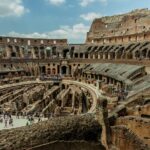
REVIEW · ROME
Rome: Panoramic sightseeing Bus Tour + City Highlights Audioguide
Book on Viator →Operated by Vox City International Ltd · Bookable on Viator
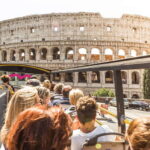
Rome’s best views start on wheels. This hop-on hop-off sightseeing bus is a simple way to catch Rome’s big moments with 8-language audio and on-the-spot digital guides.
I like that the ticket includes free Wi-Fi and earphones, so you’re not hunting for signal or scrambling with your own gear. I also like the added Vox City app audio for major targets like the Colosseum, Pantheon, and Castel Sant’Angelo, so you can listen as you pass or plan a quick stop.
The main thing to consider is logistics: boarding can be confusing if you’re not at the exact pickup point, and Rome traffic can slow the loop (even more so on hot days).
Key Points You’ll Care About
- Nine stops across central Rome, with hop-on flexibility
- Audio in 8 languages while you ride past major landmarks
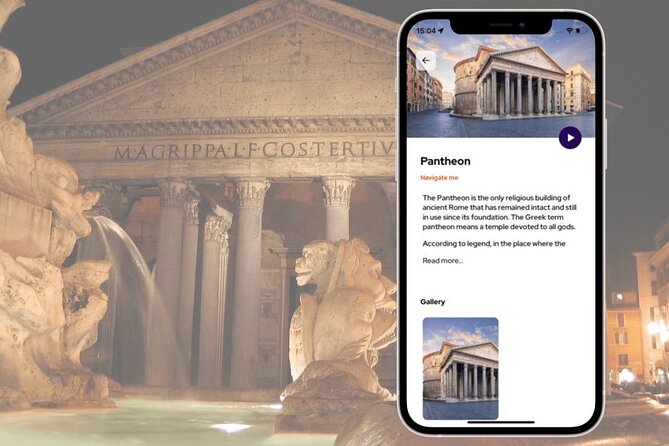
- Digital audioguides in the Vox City app for the Colosseum, Pantheon, and Castel Sant’Angelo
- Free Wi‑Fi and earphones included, which makes the ride smoother
- Pickup points are specific hotel/landmark addresses, so finding the right stop matters
In This Review
- What You Get for $22: Bus Views Plus Helpful Audio
- How the Vox City Audio Works (and When You’ll Use It)
- Stop-by-Stop: Via Marsala to Palatine Hill (Start Fast, Learn Names)
- Stop 1: Via Marsala, 5 (in front of Royal Santina Hotel)
- Stop 2: Largo di Villa Peretti, 70 (in front of the National Roman Museum)
- Stop 3: Piazza dell’Esquilino, 11 (in front of Bar Felici)
- Stop 4: Palatine Hill (50 m after the entrance of Parco Palatino)
- Circo Massimo to Teatro di Marcello: Seeing Roman Scale From the Road
- Stop 5: Via del Circo Massimo, 4189 (in front of Giuseppe Mazzini monument)
- Stop 6: Via del Teatro di Marcello, 34 (in front of Teatro Marcello)
- Along the Tiber: Ponte S. Angelo and Castel Sant’Angelo Audio
- Stop 7: Lungotevere Tor di Nona, 7 (in front of Ponte S.Angelo)
- West-Central Rome: Hotel Eden, Via Ludovisi, and Via Barberini End
- Stop 8: Via Ludovisi, 35 (in front of Hotel Eden)
- Stop 9: Via Barberini, 2
- Price and Value: Is It Worth $22?
- The Best Way to Use Hop-On Hop-Off in One Day
- Where This Can Go Wrong: Finding the Stop, Heat, Traffic
- Who This Fits Best (and Who Might Feel Frustrated)
- Should You Book This Panoramic Rome Bus Tour?
- FAQ
- How long is the Rome panoramic bus tour?
- What languages are available for the audio?
- Which attractions have digital audioguides in the Vox City app?
- Is Wi-Fi included?
- Are entrance tickets to the Colosseum, Pantheon, or Castel Sant’Angelo included?
- Where do I board the bus?
- What’s the operating time window?
What You Get for $22: Bus Views Plus Helpful Audio

For about $22 and roughly one day, you’re buying two practical things: a panoramic ride and an audio system that tells you what you’re seeing. That’s a decent value if your goal is orientation and context—seeing the skyline of Rome while learning what matters.
This is not an entrance-ticket package. The tour includes the bus ride and audio, but it does not include entry tickets for attractions. That can actually be good value. You can decide on the spot what’s worth paying extra for once you know where you are and how the day feels.
Also, the format is built for flexibility. You can hop on and hop off at stops along the way, then re-board later. In Rome, that matters because walking between sights can turn into a long, uneven slog—while a bus lets you “connect the dots” with far less time wasted.
How the Vox City Audio Works (and When You’ll Use It)
You’ll get two layers of audio help. First, there’s a multilingual audio commentary you can listen to during the bus ride. Second, there are digital audioguides in the Vox City app for the Colosseum, Pantheon, and Castel Sant’Angelo.
Here’s the smart way to use it:
- Listen on the bus when you’re moving between areas, so you understand the geography.
- When you hop off near a major stop, switch to the app guide for that specific site (if you want deeper narration where you’ll actually be walking around).
One practical note: the info provided says earphones are included, but headphones are not. If you’re picky about audio comfort, bring your own—otherwise, use the included earphones and you’re set.
You can also read our reviews of more tours and experiences in Rome.



Stop-by-Stop: Via Marsala to Palatine Hill (Start Fast, Learn Names)
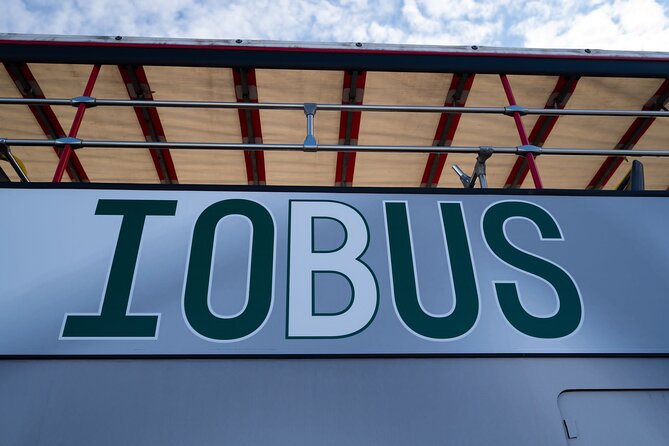
This is one of the best parts of the experience: you’re placed right into the Rome you came for, with a sequence that builds toward the ancient core. The stops are also very concrete—street addresses and landmark fronts—so you can plan where you’ll get on.
Stop 1: Via Marsala, 5 (in front of Royal Santina Hotel)
This first pickup is at a hotel storefront area, which usually makes it easier to spot the right place. I like starting here because it’s a low-stress way to begin your Rome day without committing to a long walking plan right away.
Use this first segment to do two things:
- Get comfortable with how the loop works.
- Start matching street names you’ll see later on maps and signs.
Stop 2: Largo di Villa Peretti, 70 (in front of the National Roman Museum)
At the National Roman Museum stop, you’re positioned near one of Rome’s big collections. Even if you don’t enter, the bus audio can help you understand the kind of stories Rome tells through archaeology and artifacts.
A good move here is to decide early whether you want museums today or later. If you’re short on time, you can stay on the bus and save the museum ticket for another day when you’re fresh.
Stop 3: Piazza dell’Esquilino, 11 (in front of Bar Felici)
This stop is playful in a very practical way: it’s a food-and-street-life reference point. If you’re arriving hungry, this is a natural moment to grab a quick bite before you aim for ancient Rome.
It also helps you understand Rome beyond the postcard zones. Esquilino is one of those areas where the city feels like a real neighborhood, not just a museum outdoor gallery.




Stop 4: Palatine Hill (50 m after the entrance of Parco Palatino)
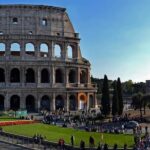
Now you’re moving into the big ancient setting. Palatine Hill is one of the places where Rome stops being abstract. Even if you don’t buy a ticket for deeper access, you’ll understand why people associate Palatine with power and legend.
The drawback to keep in mind: the tour includes getting you close, but entrances are not included, so if you hop off with plans to go in, you’ll need to budget time and money for separate tickets.
Circo Massimo to Teatro di Marcello: Seeing Roman Scale From the Road
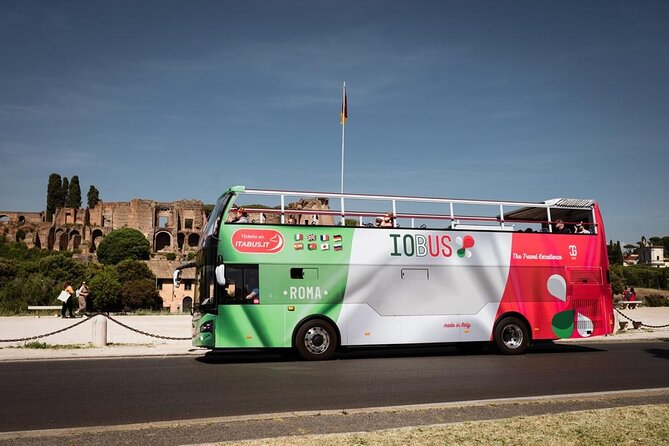
This middle stretch is great for understanding how Rome’s ruins relate to modern streets. You’re not stuck looking down one single viewpoint. You get more of the “spread” of the city, and the audio helps connect the dots.
Stop 5: Via del Circo Massimo, 4189 (in front of Giuseppe Mazzini monument)
This is your angle toward the Circus Maximus area. Even from outside, you can get a sense of scale—Rome loved huge venues, and the city still reflects that mindset.
If you want to hop off, keep your time tight. These areas can be time-consuming once you start walking. Use the audio while you’re still on the move, then decide whether you want to explore more.
Stop 6: Via del Teatro di Marcello, 34 (in front of Teatro Marcello)
Teatro Marcello is a classic Rome “oh wow” location. The bus ride gives you a wider view of the surrounding urban scene, while the audio narration can give meaning to what you’re seeing.
This is a good stop if you like wandering among ruins without committing to a major ticketed attraction right away. You’ll also get a better sense of where this fits compared with Palatine.
Along the Tiber: Ponte S. Angelo and Castel Sant’Angelo Audio
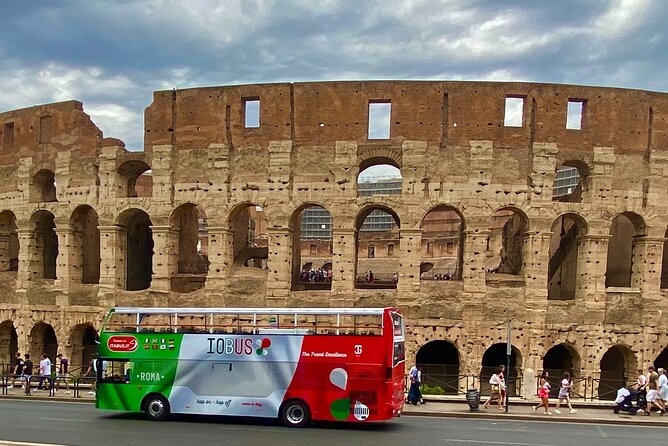
This is the segment that adds a scenic pulse. The riverfront atmosphere makes the whole day feel more like a Rome story than a checklist.
Stop 7: Lungotevere Tor di Nona, 7 (in front of Ponte S.Angelo)
Ponte Sant’Angelo is one of those bridges you’ll recognize immediately. From this pickup point, you’re close to the river views and the energy of the area.
Also, this is where the included digital guide for Castel Sant’Angelo becomes relevant. If you plan to spend time here on foot (even briefly), the app audio can make the experience more than just a photo stop—especially when you want background as you walk.
West-Central Rome: Hotel Eden, Via Ludovisi, and Via Barberini End
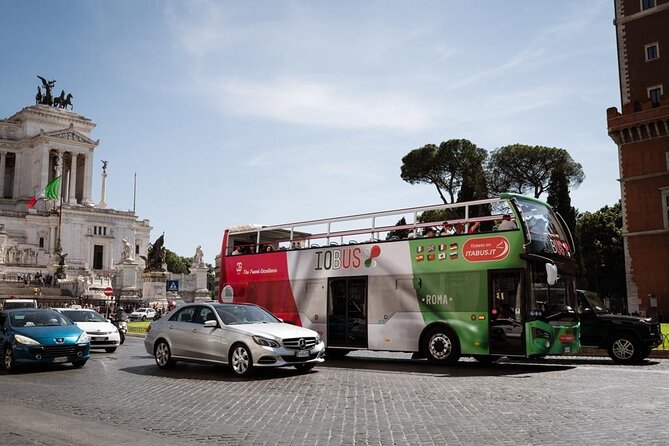
The last stretch helps you round out your day. Instead of ending in the middle of nowhere, it places you in central streets with options for continuing on your own.
Stop 8: Via Ludovisi, 35 (in front of Hotel Eden)
This stop has a “stay in the city” feel. It’s not only about ruins—it’s also about Rome as a living place with hotels, streets, and everyday movement.
If your feet are tired, this is a decent moment to stay on the bus and let the audio carry you while the day cools down.
Stop 9: Via Barberini, 2
Ending near Via Barberini keeps you close to central Rome streets. From here, you can continue exploring on your own schedule instead of being dumped in an awkward transit gap.
A practical tip: plan your re-entry strategy early. If you want the smoothest experience, pick your hop-on priorities early (for example, Palatine-adjacent time or a Castel Sant’Angelo-focused moment), then let the rest be audio and views.
Price and Value: Is It Worth $22?
At $22, you’re not paying for museum entry. You’re paying for time-saving transportation and guided context while you sightsee. For many people, that’s the sweet spot in Rome.
Here’s the trade-off:
- If you want to do lots of ticketed stops, you’ll still pay extra for entrances. The bus just helps you choose and navigate.
- If you want a flexible day where you learn Rome’s big story and don’t feel stuck, this is strong value because it includes audio support and a hop-on structure.
The free Wi‑Fi is also not just a perk. It helps you avoid that stressed moment when you’re trying to figure out what the Vox City app is asking for while standing on a curb with Roman traffic acting like it has its own schedule.
The Best Way to Use Hop-On Hop-Off in One Day
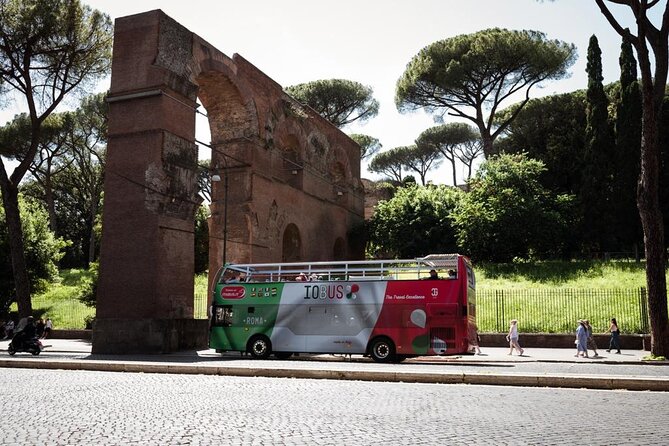
This tour is at its best when you treat it like a moving orientation tool, not a rigid appointment.
My recommended approach:
- Ride the loop once fully with the audio on. Let the city names and sights click into place.
- Then hop off only at the top one or two priorities you care about most (for many people, that tends to be ancient Rome highlights and riverfront landmarks).
- Re-board and finish the loop so you get the big-picture views again.
This also helps if you’re traveling with different interests. One person might want to linger around Palatine Hill, while the other just wants the audio ride and a shorter walk. The bus keeps both plans compatible.
Where This Can Go Wrong: Finding the Stop, Heat, Traffic
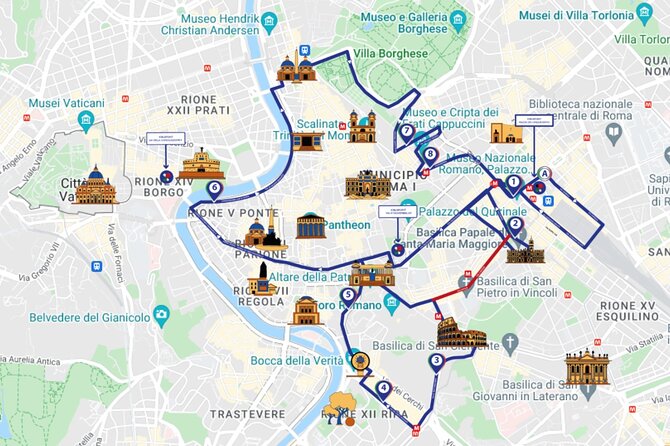
A hop-on bus lives or dies by the boarding experience. And Rome is Rome—traffic and delays happen.
Here’s what you should plan for:
- Finding the exact pickup point matters. Each stop is tied to a specific address or landmark front. If you’re off by even a short distance, you might end up boarding the wrong bus or missing the one you need.
- Traffic can slow everything down. Accidents and congestion can interrupt the pace, even if the route is well planned.
- Comfort on board isn’t guaranteed. One key concern raised is that there may be no air-conditioning once you’re on board. If you’re going in hot months, dress for sun and heat, and consider when in the day you’ll ride.
To reduce stress: arrive at the stop early, check you’re at the correct address, and keep your day flexible.
On a brighter note, the provider is listed as Vox City International Ltd, and their staff have been described as helpful when a passenger needed support after forgetting an item. That kind of follow-through can matter more than you think in a big city.
Who This Fits Best (and Who Might Feel Frustrated)
This tour is a good fit if you want:
- A low-effort way to learn Rome’s main sights without buying multiple tickets before you know where you want to spend time
- Audio in multiple languages, so you can follow the story without reading every sign
- A day plan that doesn’t punish you with nonstop walking
It might not be the best fit if:
- You hate logistical tasks like matching vouchers to exact boarding points
- You’re extremely time-sensitive and can’t tolerate slowdowns from traffic
- You’re hoping for an air-conditioned, fully ticketed day where everything is handled for you
Should You Book This Panoramic Rome Bus Tour?
I’d book it if your goal is to get your bearings and understand Rome while still keeping the freedom to choose what you do next. The included audio (8 languages plus Vox City app guides for the Colosseum, Pantheon, and Castel Sant’Angelo) turns the bus ride into more than just sightseeing—it becomes context you can use all day.
Skip or rethink it if you’re likely to get stressed by curbside logistics, or if you need total reliability down to the minute. With a city full of traffic, the smartest travelers build in slack.
Bottom line: for $22 and about one day, it’s a practical way to see a lot of Rome’s highlights while learning what you’re looking at.
FAQ
How long is the Rome panoramic bus tour?
It runs for about 1 day (duration listed as approx.).
What languages are available for the audio?
The bus tour includes an audio guide in 8 languages.
Which attractions have digital audioguides in the Vox City app?
The Vox City app includes digital audioguides for the Pantheon, Colosseum, and Castel Sant’Angelo.
Is Wi-Fi included?
Yes. The tour includes free Wi‑Fi.
Are entrance tickets to the Colosseum, Pantheon, or Castel Sant’Angelo included?
No. Entrance tickets are not included.
Where do I board the bus?
There are nine specific stop locations with street addresses (including Via Marsala 5 near Royal Santina Hotel, and Via Barberini 2 as one of the stops). You’ll choose the stop closest to your plans.
What’s the operating time window?
The tour is listed as running 9:00 AM to 6:00 PM, Monday through Sunday, within the date range shown.
—
If you tell me your travel month and whether you want more walking or more riding, I can suggest the best stop(s) to prioritize for a smooth one-day loop.