REVIEW · ROME
Rome: City Sightseeing Hop-on Hop-off Bus with Audioguide
Book on GetYourGuide →Operated by Sightseeing Experience · Bookable on GetYourGuide
Rome goes by faster when you can choose your stops. This City Sightseeing loop is a simple way to see big-name sights, with audio commentary and a relaxed hop-on, hop-off rhythm. I like that you can get off to walk, then hop back on when you want, without cramming your whole day into one fixed plan. One thing to plan around: special events can change the route and some stops may not be guaranteed at every moment.
If you want an easy first pass at Rome, the 100-minute loop is a helpful unit of time. I also like the onboard extras, like Wi‑Fi on the open bus and headphones provided for the open-top experience. And with tickets valid for 24, 48, or 72 hours, you can repeat sections until the city feels less overwhelming.
A bonus is the Jubilee Line being included with your City Sightseeing ticket, operated by Vatican & Rome Open. The audioguide covers eight languages, so you can follow along even if your Italian is still… in progress.
In This Review
- Key highlights
- Why this Rome hop-on hop-off bus is a smart use of limited time
- How the loop works (and how to plan your day like a pro)
- Stop-by-stop: what each area is best for
- Santa Maria Maggiore: start with a church stop and an easy win
- San Giovanni in Laterano: another major baseline before the big-ticket sights
- Colosseum: the photo moment, even when you can’t hop off
- Circus Maximus: long views and good “Rome at ground level” energy
- Piazza Venezia: connect the dots between monuments
- Largo di Torre Argentina: a stop with a story you can feel
- Piazza Navona: the perfect break between major anchors
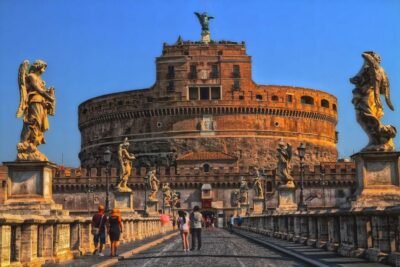
- Vatican City / Castel Sant’Angelo: where the views feel big
- Villa Borghese: a calmer pause in the route rhythm
- Piazza di Spagna and the Trevi Fountain area: crowds, yes, but worth it
- Piazza Barberini and back toward Roma Termini
- Jubilee Line inclusion: how it helps without overpromising
- Audio guide, Wi‑Fi, and headphones: the onboard perks that matter
- Price and value: is $15 per person actually a deal?
- Who this bus suits best (and who should choose something else)
- Should you book this Rome hop-on hop-off bus?
- FAQ
- How long is the full loop?
- How long is my ticket valid?
- Where do I start the tour?
- Can I hop on and hop off during the ride?
- Is the Jubilee Line included?
- Is the audioguide included, and what languages are available?
- Are attraction tickets included?
- What if I need to cancel?
Key highlights
- Hop on, hop off at Rome icons without buying separate local transport tickets
- 100-minute loop that helps you pace a half day or spread sightseeing across 1–3 days
- Audioguide in 8 languages plus a sightseeing app to support your wandering
- Open-top comfort perks like headphones and Wi‑Fi on the open bus
- Jubilee Line included on the City Sightseeing ticket for extra routing freedom
- Easy value for short trips with 24/48/72-hour pass options
Why this Rome hop-on hop-off bus is a smart use of limited time

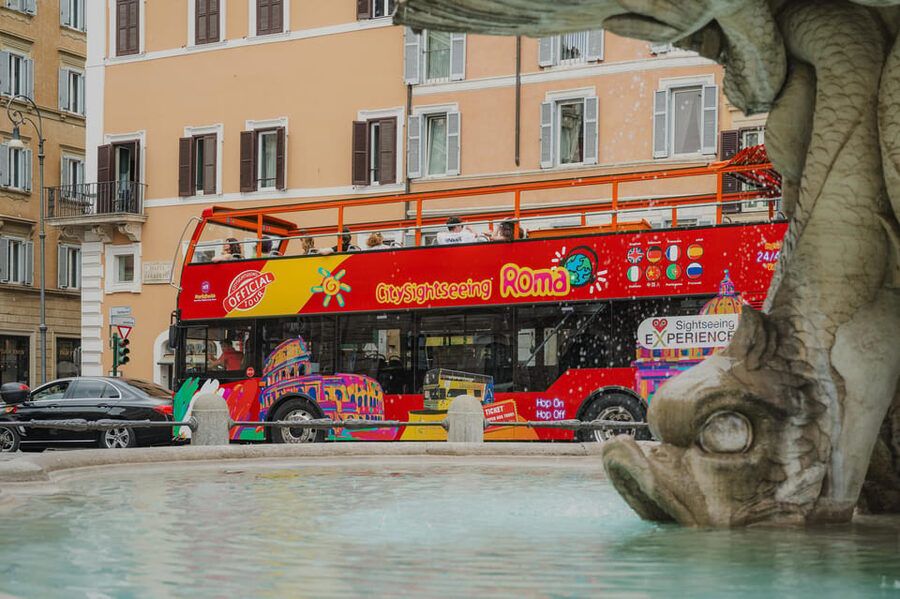
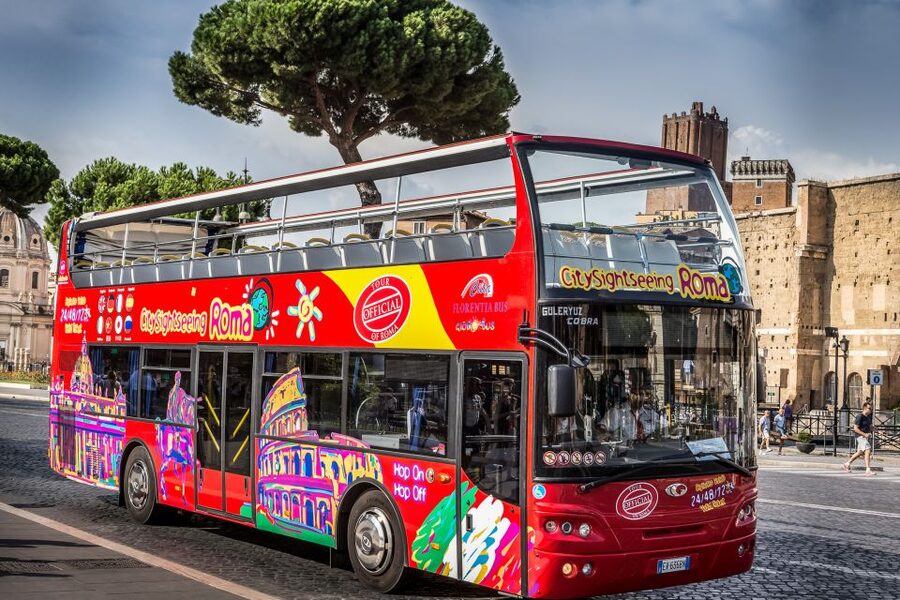
This isn’t a museum. It’s motion, views, and quick orientation. The open-top, double-decker setup matters in Rome, because you get the skyline lines and landmark silhouettes in one sweep. Then, when something catches your eye, you can jump off and turn your curiosity into a short walk.
The big win here is flexibility. A 24-, 48-, or 72-hour ticket lets you choose how much time you give the city on your terms. If you only have a day, you can do the loop, hop off at 1–2 places, and come back for another look. If you have two or three days, you can revisit areas without treating it like a chore.
The second thing I like is the built-in audioguide system. It gives you a running explanation as the bus passes major landmarks. That helps you understand what you’re seeing through the windshield instead of just collecting photos.
Now for the realistic part: you’re still in Rome, and Rome isn’t always predictable. The route can change, and some stops may not be guaranteed due to special events. So if your must-do is time-sensitive, I’d treat the bus as a strong plan-A for getting there, not as a promise that every drop-off works perfectly on the exact day.
You can also read our reviews of more tours and experiences in Rome.


How the loop works (and how to plan your day like a pro)

Your City Sightseeing ticket is designed for hop-on hop-off use. That means you can leave the bus at the stop closest to a sight, then board the next bus when you’re ready.
The full loop takes 100 minutes, which is long enough to see a lot of Rome in one ride but short enough that you won’t feel stuck. For planning, it helps to think in blocks:
- One-loop block: an orientation ride plus quick photo stops
- Hop-and-walk block: get off, explore on foot, then return later
- Repeat block: with a 48 or 72-hour ticket, you can come back for anything you missed
You’ll see a steady pass of major areas, including Santa Maria Maggiore, San Giovanni in Laterano, the Colosseum area, Circus Maximus, Piazza Venezia, Largo di Torre Argentina, Piazza Navona, Castel Sant’Angelo/Vatican City region, and then out toward Villa Borghese, Piazza di Spagna, and Piazza Barberini.
Also note the route’s structure: you can start at any stop of City Sightseeing Rome Line A, with the listed starting point as Via Marsala, 7. That flexibility is more useful than it sounds. If you’re staying near one part of central Rome, you can start closer to your first stop and cut down on backtracking.
One practical tip: check the stop names in the app before you commit to walking far. The bus is designed for short jumps between areas, not deep treks across the whole city.
Stop-by-stop: what each area is best for
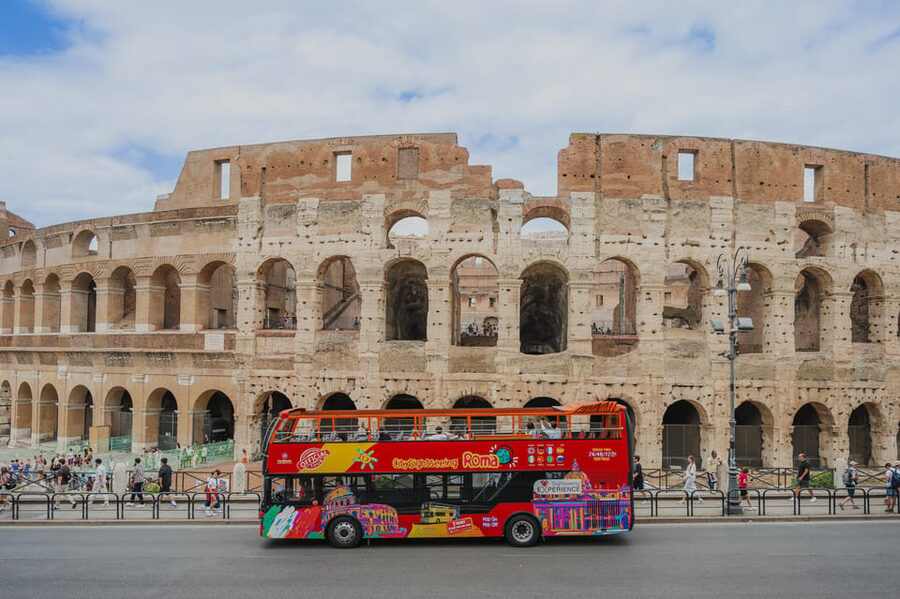
This route is built around Rome’s greatest hits, but each stop has a different “best use.” Here’s how I’d think about it once you’re standing on the curb with your hop-on pass.
Santa Maria Maggiore: start with a church stop and an easy win
When the bus passes Basilica Papale di Santa Maria Maggiore, it’s a clean way to jump into Rome’s church-and-square rhythm early. This is the kind of stop that works well if you want something meaningful without needing a long walk or complicated planning.
If you hop off here, aim for a slow circuit around the area and keep your expectations realistic. You’re not trying to conquer Rome in one stop. You’re setting your footing, learning the streets around you, and building momentum.
San Giovanni in Laterano: another major baseline before the big-ticket sights
Next up is Basilica di San Giovanni in Laterano. Like Santa Maria Maggiore, it’s a strong “get your bearings” stop. It also helps break up the day so you aren’t going from plaza to plaza only in the hottest tourist corridors.
If you’re following the audioguide, this section usually gives you useful context for what Rome was built on. That means when you reach later stops, you’ll recognize more of what you’re seeing instead of treating everything like a postcard.




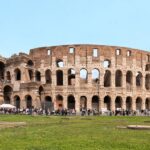
Colosseum: the photo moment, even when you can’t hop off
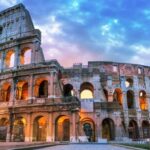
The Colosseum stop is the headline. It’s where your inner movie-poster brain lights up.
Here’s the catch I’d plan for: some situations can limit getting off directly at the Colosseum stop due to special events. Even if you don’t get off, the bus route still gives you a chance at photos from the road.
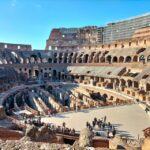
If your goal is to go inside, remember that attraction entry tickets aren’t included. The bus helps you arrive and see the area clearly, but you’ll still need separate tickets and time for security and queues if you want the full experience.
Best strategy: if you can hop off, do a short walk around the perimeter area, get your photos fast, then decide if you’re ready to commit time to entry. If you can’t hop off, just enjoy the views and save your deep dive for another day.
Circus Maximus: long views and good “Rome at ground level” energy
When you pass Circus Maximus, you get a classic open area feeling even though modern Rome sits on top of ancient layers. This stop is often a good mid-route reset: you can get your legs moving, then continue on while the bus carries you to the next concentration of sights.
I like using this section as a break after the most intense stops. It’s a reminder that Rome isn’t only vertical monuments and crowded squares.
Piazza Venezia: connect the dots between monuments
Piazza Venezia is a powerful crossroads. It’s a stop that helps link your mental map of central Rome. If you like to walk in straight lines and then turn, this is a practical place to pick a direction.
Even if you don’t hop off, the audioguide helps make sense of what’s around you. Rome can look like one big tangle of streets until someone gives you structure. This is where the structure starts clicking.
Largo di Torre Argentina: a stop with a story you can feel
At Largo Argentina, you’re in the middle of a very “Rome-feels-like-Rome” moment. This stop is great for short wandering because the area has enough pull that you’ll want to look around, not just take one photo and move on.
This is also a good place to step off briefly if you notice the bus getting crowded. Give yourself 20–40 minutes on foot, then re-board when you’re ready.
Piazza Navona: the perfect break between major anchors
Piazza Navona is one of the most pleasant stops to use as a break. It’s easy to spot, and it naturally invites you to slow down. If you’re tired from walking, you can simply take in the square and then return to the bus when you’re ready.
Keep your plan flexible. The hop-on hop-off style is meant for this: you decide how long you stay, not the timetable.
Vatican City / Castel Sant’Angelo: where the views feel big
The bus heads toward Vaticano (Castel Sant’Angelo). This is the area where Rome’s scale ramps up. Even from the bus, you get a good sense of how the city transitions into the Vatican district.
If you’re planning a longer stop here, do it with separate attraction tickets in mind. The bus gets you there and gives you the corridor views, but inside-the-attraction time is separate.
Also, remember that this area connects to the included Jubilee Line on your ticket, which can help you link routes depending on your day’s wandering.
Villa Borghese: a calmer pause in the route rhythm
Villa Borghese is where you get a more relaxed “Rome breath” compared with the densest sight cluster stops. This is an excellent place to step off if you want a slower pace and want to stretch your legs before the Spanish Steps/Trevi area.
Even if you don’t spend hours here, a short visit can make the day feel less like a checklist.
Piazza di Spagna and the Trevi Fountain area: crowds, yes, but worth it
The route includes Piazza di Spagna (Fontana di Trevi) in the listed stop set, plus Piazza Barberini on the longer itinerary. This section is classic Rome: you’ll recognize it even if you’ve never been.
Just plan smart. This is where crowds concentrate, so hop off with a clear goal: photos, a quick walk, then back to the bus. If you try to linger too long without a plan, you can lose track of time.
Piazza Barberini and back toward Roma Termini
Piazza Barberini is a useful last-mile sight stop before you loop back toward the bus base area. The itinerary also passes Roma Termini (a major transport hub), which is helpful if you’re planning to connect to trains later.
If you’re using the 48 or 72-hour option, this area is also a good “I’ll come back tomorrow” location. The bus keeps you anchored while you roam around the city in between.
Jubilee Line inclusion: how it helps without overpromising
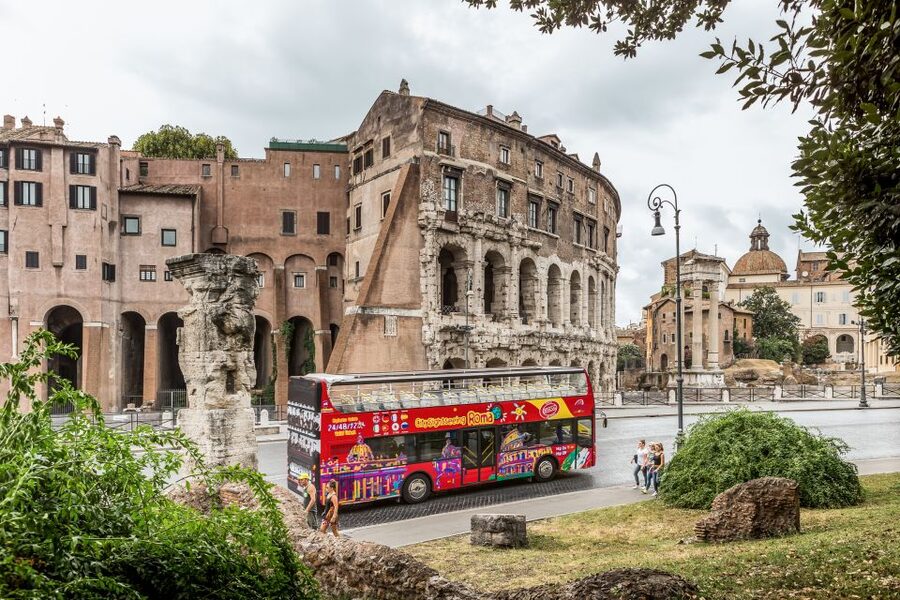
One of the standout elements of this ticket is that it includes the Jubilee Line, operated by Vatican & Rome Open. That’s valuable because the Vatican region can be a little tricky to piece together when you’re trying to see a lot of Rome.
What you should expect: your City Sightseeing ticket gives you access to that line as part of the overall plan. What you should not assume: that every transfer will be perfectly timed for your exact walking schedule, especially on a day with special events.
Use the Jubilee Line as a tool. If you notice that your hop-off choices are pulling you into the Vatican side of town, this inclusion can help you reduce friction and keep your day moving.
Audio guide, Wi‑Fi, and headphones: the onboard perks that matter
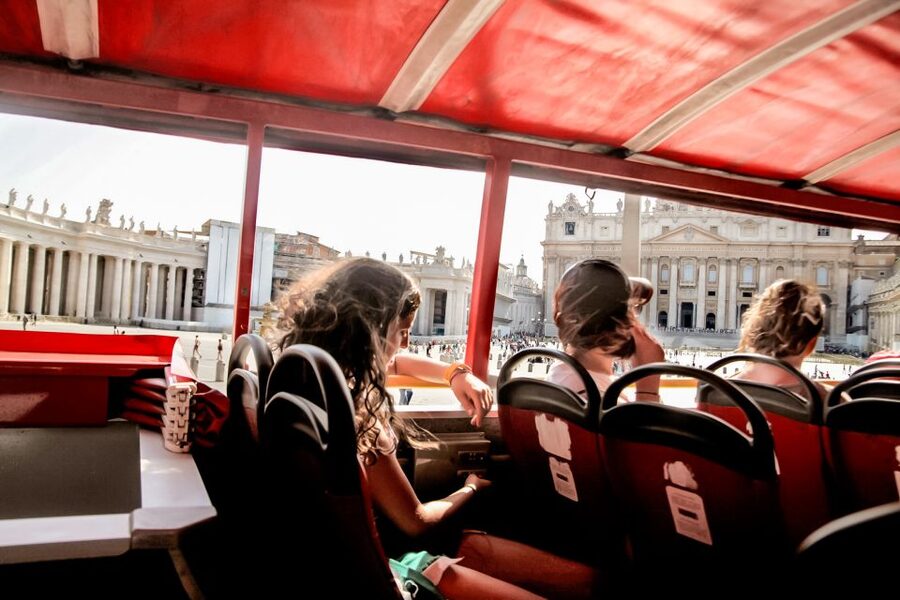
The onboard experience is built around audio. You get audio commentary in 8 languages: Spanish, Chinese, English, French, German, Italian, Russian, and Portuguese. That’s a big deal for first-timers because the guide’s explanations help you connect landmarks to the city’s layout.
You also get a sightseeing app, plus Wi‑Fi on the open bus and headphones (on the open bus). These are small comforts that make the loop feel less like a waiting game.
One note from real-world experience: the commentary can be interrupted at times and may not always finish as expected. That doesn’t ruin the loop, but it’s a reason to stay flexible. If a segment cuts off, you can still follow along visually and catch up later by watching for the next major landmark name on the route.
A practical habit: keep one glance on the stop list so you don’t miss your window to hop off.
Price and value: is $15 per person actually a deal?
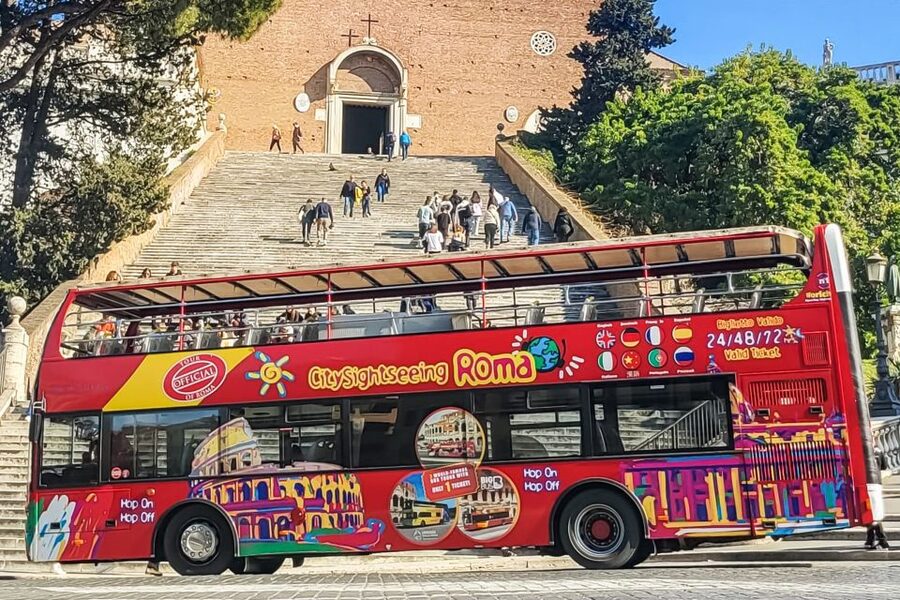
At around $15 per person, this is priced like a practical sightseeing tool, not a premium tour. The value comes from how you use it:
- If you only ride once with no hopping off, it’s still a decent way to get an orientation view.
- If you use it for multiple days (48 or 72 hours), the price starts to feel like a transport bargain compared with paying for separate trips every time you want to reposition.
- If you treat it as a connector between walking time, it saves your energy and reduces decision fatigue.
Also remember what’s not included. Attraction tickets, food, and drinks are on you. This bus is mainly for getting around and understanding what you’re seeing from stop to stop.
So the best value isn’t in paying less. It’s in spending your sightseeing energy better.
Who this bus suits best (and who should choose something else)
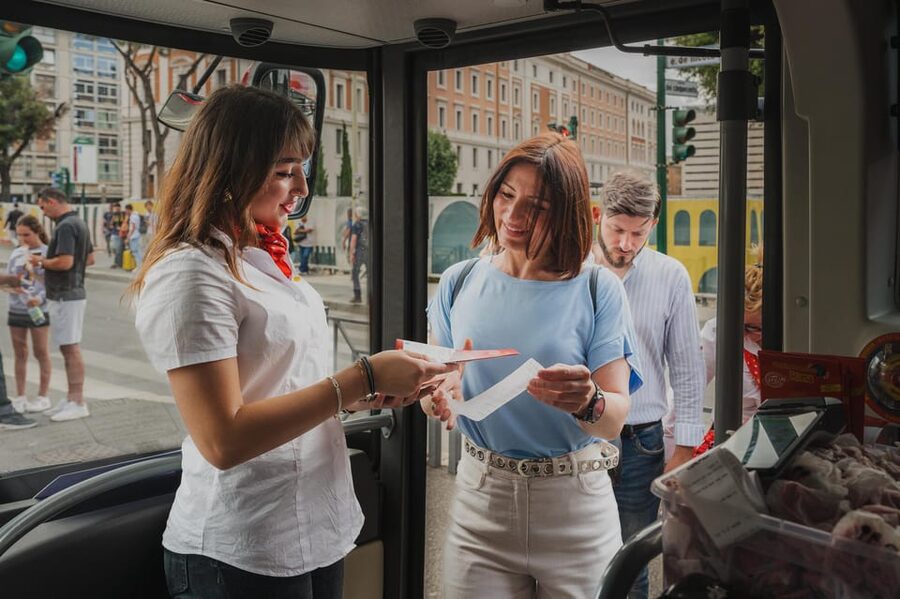
This works especially well if you:
- Want an easy way to cover big sights in a short timeframe
- Prefer choosing your own walking time over joining a strict schedule
- Like having audio context as you move through different parts of central Rome
- Are booking for 1–3 days and want a simple transport backbone
It might be less ideal if you:
- Want a fully guided experience that includes entry into major attractions (you still need separate tickets)
- Care most about getting off at a specific stop without any chance of route disruption (special events can affect stop access)
- Need uninterrupted commentary for every landmark segment (interruptions can happen)
If your travel style is “see a lot, then go deeper on one or two places,” this bus is a strong match.
Should you book this Rome hop-on hop-off bus?
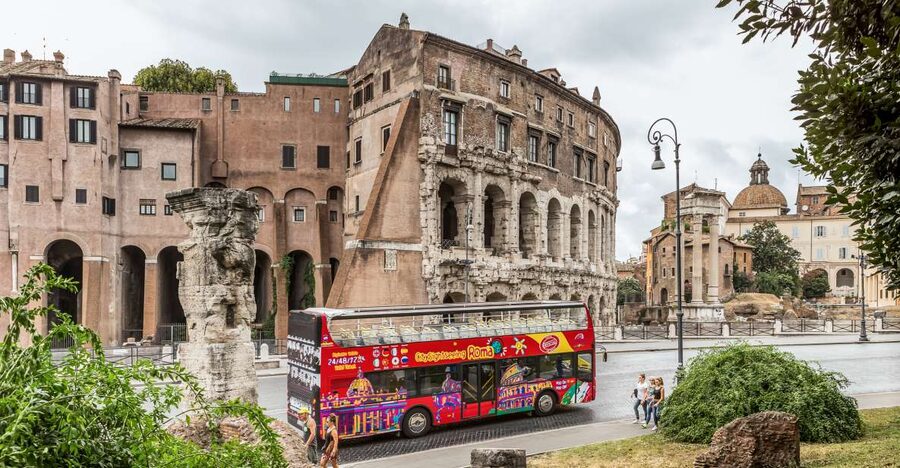
I’d book it if you’re trying to get your bearings fast and you want a flexible plan that works with real Rome crowds and street navigation. The hop-on, hop-off format plus 8-language audio makes it a comfortable way to understand what you’re passing—especially on a first visit.
Skip it (or pair it differently) if your priorities are mostly inside-the-attraction time. This bus can deliver you to the right area, but it doesn’t replace timed entry planning or ticketed experiences.
If you do book, plan your day with the 100-minute loop in mind, choose 1–3 “real walking” stops per day, and treat the Colosseum and Vatican zones as areas where flexibility matters.
FAQ
How long is the full loop?
The full loop takes about 100 minutes.
How long is my ticket valid?
Your City Sightseeing ticket is valid for 1–3 days, with options for 24, 48, or 72 hours.
Where do I start the tour?
You can start at any stop of City Sightseeing Rome Line A. The listed starting location is Via Marsala, 7.
Can I hop on and hop off during the ride?
Yes. With the hop-on hop-off ticket, you can leave the bus at the stops and board the next bus when you want to continue.
Is the Jubilee Line included?
Yes. The Jubilee Line is included exclusively with your City Sightseeing ticket, and it is operated by Vatican & Rome Open.
Is the audioguide included, and what languages are available?
Yes. The audio guide is included with commentary available in Spanish, Chinese, English, French, German, Italian, Russian, and Portuguese.
Are attraction tickets included?
No. Attraction tickets are not included, and food and drinks aren’t included either.
What if I need to cancel?
Free cancellation is available up to 24 hours in advance for a full refund.