REVIEW · BRUGES
Bruges: Choco-Story Museum with Audio Guide and Tastings
Book on GetYourGuide →Operated by Choco-Story Brugge · Bookable on GetYourGuide
Chocolate history feels like a snack tour.
This Choco-Story museum in Bruges turns the long story of cacao into something you can see, hear, and taste, with an audio guide in 11 languages and a free tasting finish.
I especially like the way it walks you through chocolate’s path from early uses to the way Belgium is known for it today. Second, the museum leans on interactive bits, so it doesn’t feel like you’re trapped reading label after label.
One thing to plan for: the end of the experience can get busy. When the demo and tastings land at the same time, you may feel a little crowd pressure in that final stretch.
In This Review
- Key things to know before you go
- Getting oriented at Wijnzakstraat 2 (and what the 90 minutes really feels like)
- How the museum tells chocolate’s story without making it boring
- Inside the three-part experience: history, ingredients, and the science-to-snack link
- Part 1: From early cacao use to the European love affair
- Part 2: Ingredients and the production process (the part many people skip)
- Part 3: A collection-heavy stroll with interactive breaks
- The chocolate demonstration and the free tastings: where the whole experience pays off
- A practical tip: plan your pace toward the end
- Price and value: is $18 a fair deal for Bruges?
- Who this tour suits best (and who might not love it)
- Small details that make or break your experience
- Should you book Choco-Story Brugge?
- FAQ
- How long does Choco-Story Brugge take?
- Is the visit guided, or is it self-paced?
- Are tastings included?
- What languages are available for the audio guide?
- Is there a kids version of the audio guide?
- Do you see a chocolate-making demonstration?
- Is the museum suitable for wheelchair users?
- Are pets allowed?
- Can I cancel for free?
Key things to know before you go
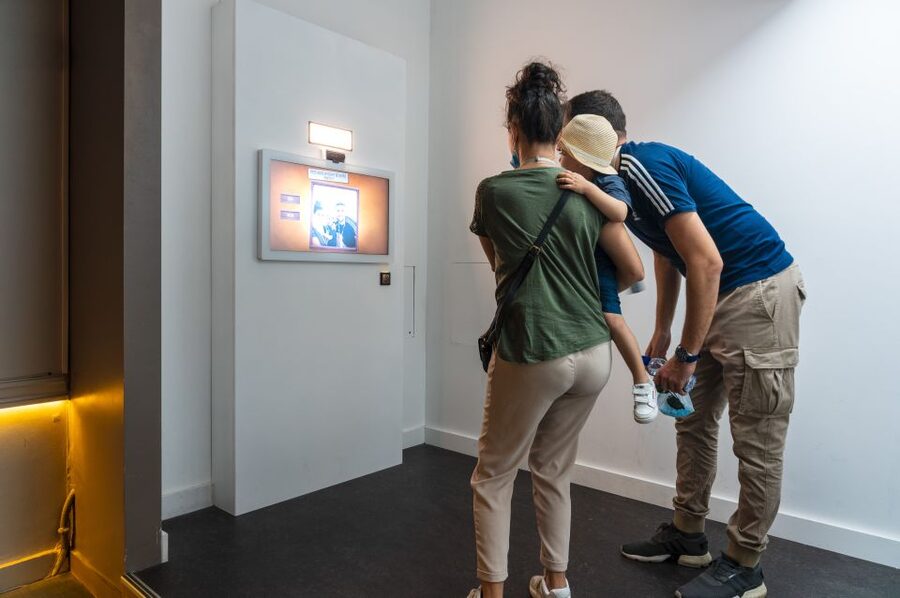
- Audio guide in 11 languages, plus a kid version
- Free tastings included in the ticket
- Chocolate-making demonstration at the end (short, but hands-on)
- 500+ chocolate-related objects, with a bigger collection described as nearly 1,000 items
- Interactive games and quizzes that break up the museum timeline
Getting oriented at Wijnzakstraat 2 (and what the 90 minutes really feels like)
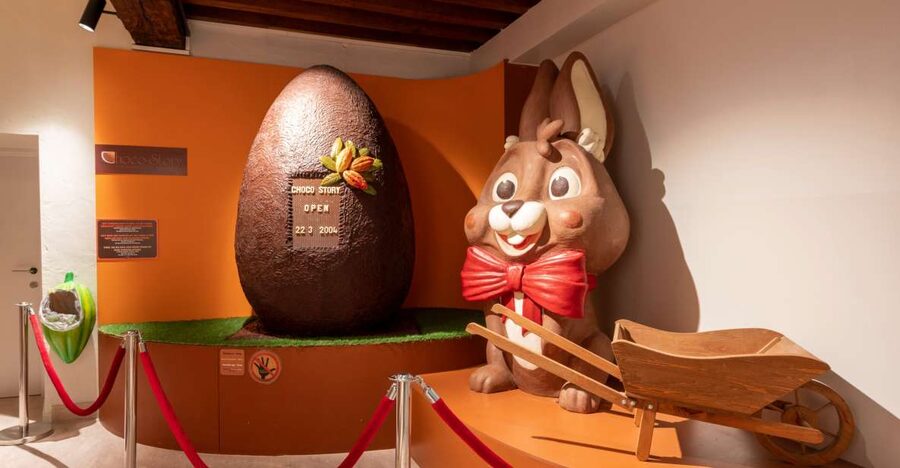
Choco-Story Brugge is at Wijnzakstraat 2, right where you can fold it into a day in the historic center. The total visit is set at about 90 minutes, which is a good length for a chocolate-focused stop in a city where you’ll already be walking a lot.
Most of the museum experience is driven by the audio guide. You’ll listen as you move through the museum’s sections, tapping into the story where you see the museum’s triggers. The audio comes in a wide range of languages (Chinese, English, French, Dutch, German, Spanish, Italian, Japanese, Arabic, Russian), and there’s also a kids version. That matters because it usually means your family won’t all be stuck in the same adult voice at the same time.
You’ll also want to save a little patience for the final act. A chocolate-making demonstration happens at the end, and then you get the tasting window. In busy times, that timing can bunch people together.
You can also read our reviews of more tours and experiences in Bruges.


How the museum tells chocolate’s story without making it boring
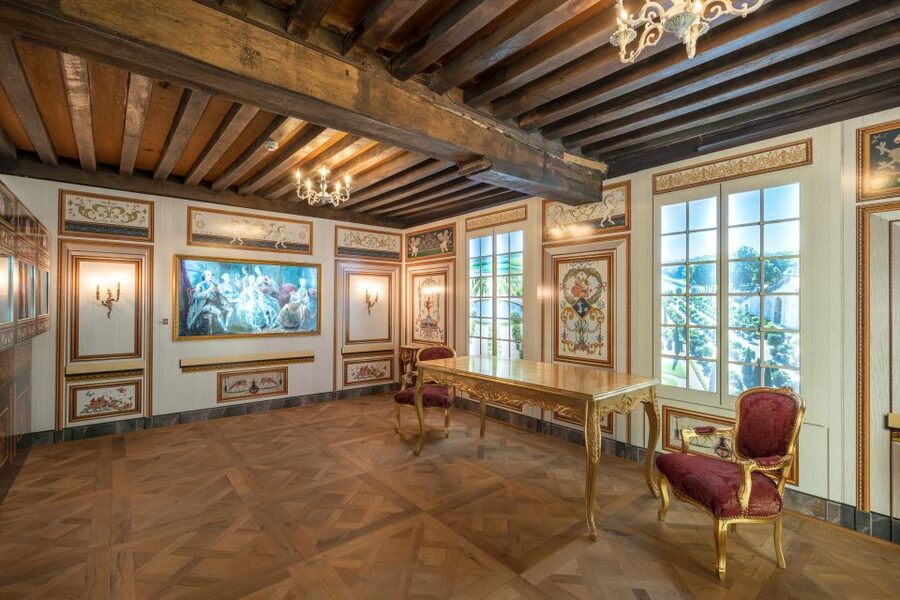
This isn’t a one-note museum about chocolate bars. It’s structured like a timeline you can follow at your own pace, covering origins, key shifts in production, and the reasons chocolate became a global obsession.
The museum is described as having multiple parts that cover the evolution of chocolate from its beginnings to how it changed over time. It also focuses on how chocolate gets made, including the role of raw ingredients and how production processes developed. If you like your chocolate questions answered with real-world details (not just marketing talk), that production angle is one of the big reasons people come back smiling.
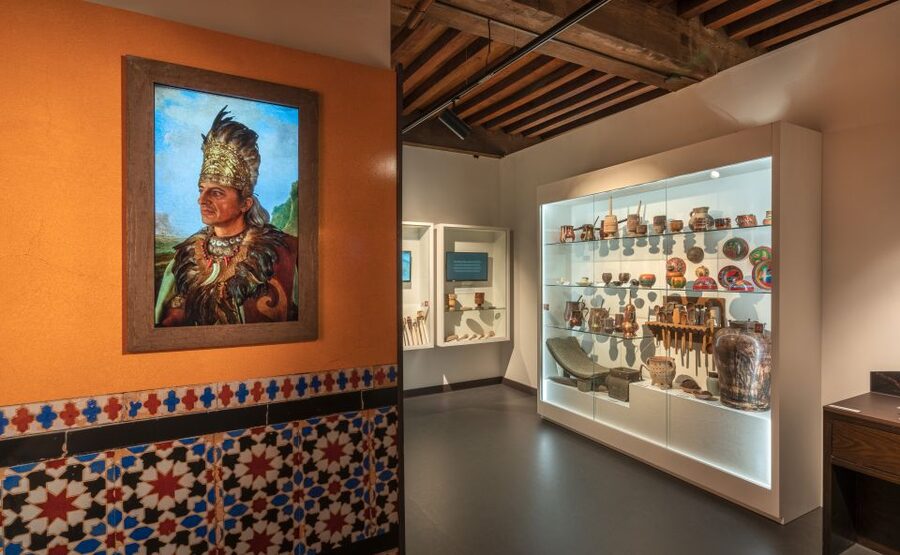
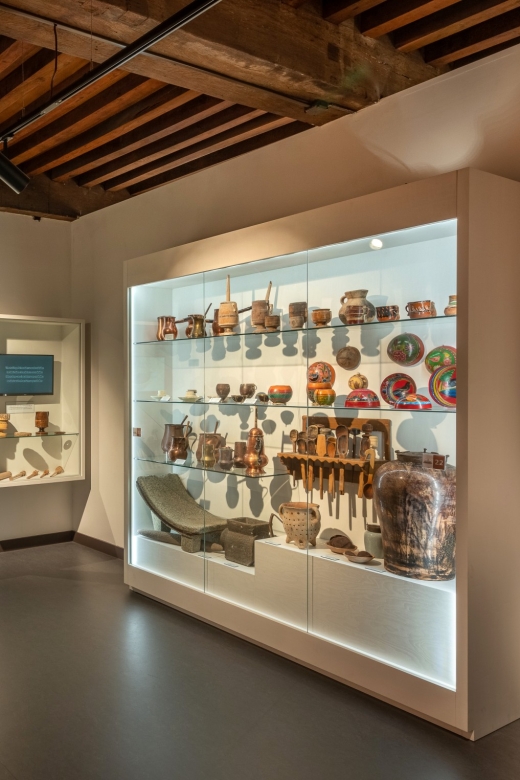
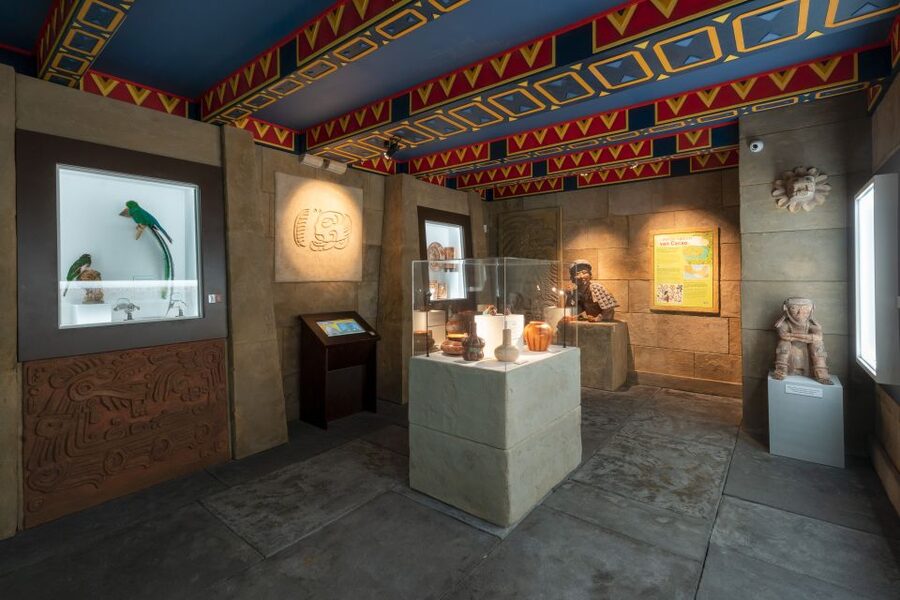
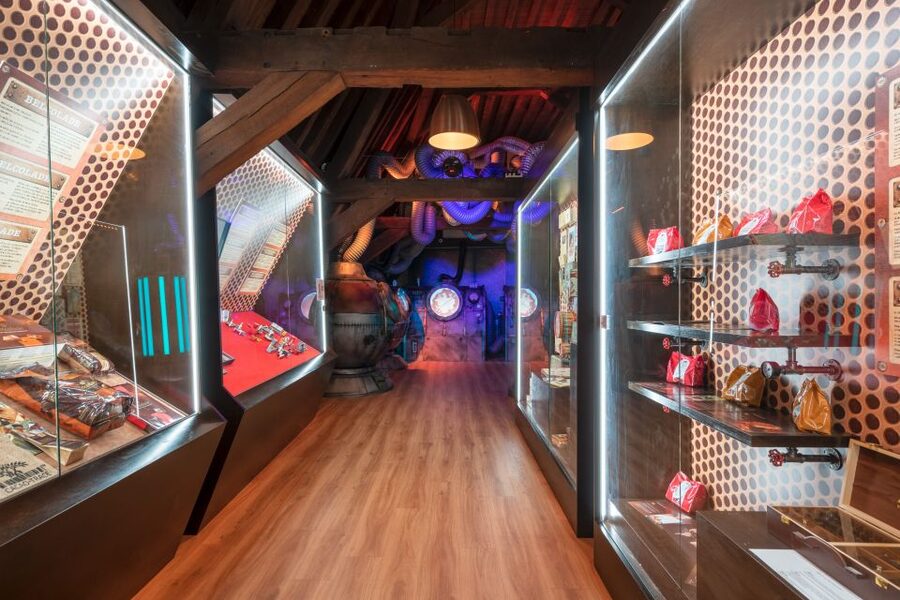
A lot of the good stuff here is the mix: you’re learning while you’re looking at objects. The collection is extensive—reported as 500+ objects connected to chocolate, and also described as a bigger, near-1,000-item collection. That scale helps because you’re not moving through the same “fact display” over and over. You’ll see artifacts and historical pieces, then you’ll move from that into chocolate-making and modern production ideas.
Inside the three-part experience: history, ingredients, and the science-to-snack link
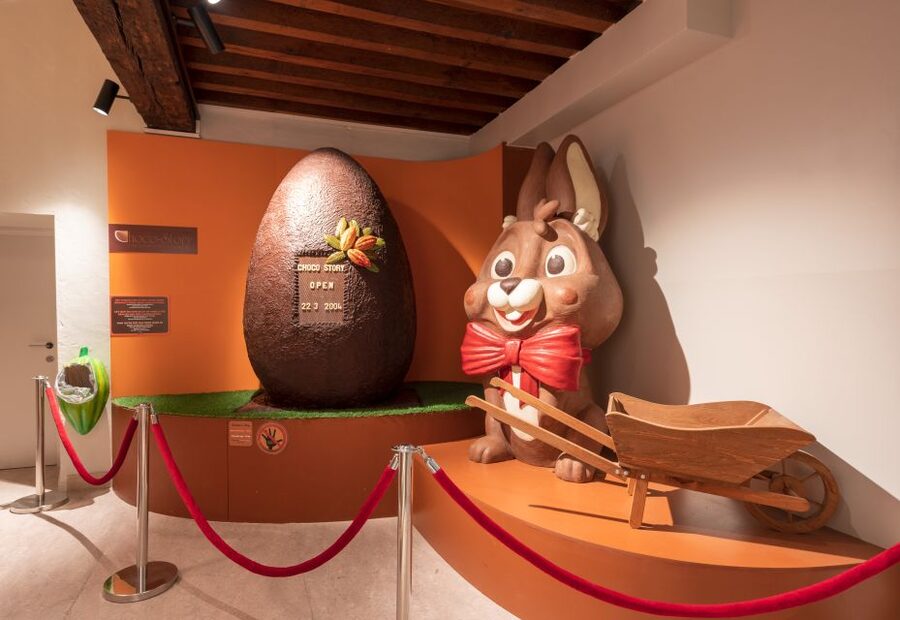
The museum’s layout is built around three sections, so you’re not stuck in one long room of the same vibe. Here’s the flow in plain terms, based on what the experience is designed to cover:
Part 1: From early cacao use to the European love affair
You start with the broader story of chocolate—how cacao was used centuries ago and how it arrived in Europe. The museum frames chocolate not as a sudden invention, but as something with a long chain of influences. Expect the early “what was cacao used for” context, plus how chocolate thinking evolved over time.
If you enjoy when history connects to everyday life, this opening works. Chocolate isn’t treated like a random treat. It’s shown as a product that moved through trade, taste, and changing methods.
Part 2: Ingredients and the production process (the part many people skip)
This section zeroes in on how chocolate is made and why ingredients matter. You’ll learn about raw materials and the development of production—how you go from cacao inputs to the chocolate you recognize.
This is where the story becomes useful for your next chocolate stop. Once you understand the basics of ingredients and process, tasting becomes less about guessing and more about noticing.
Part 3: A collection-heavy stroll with interactive breaks
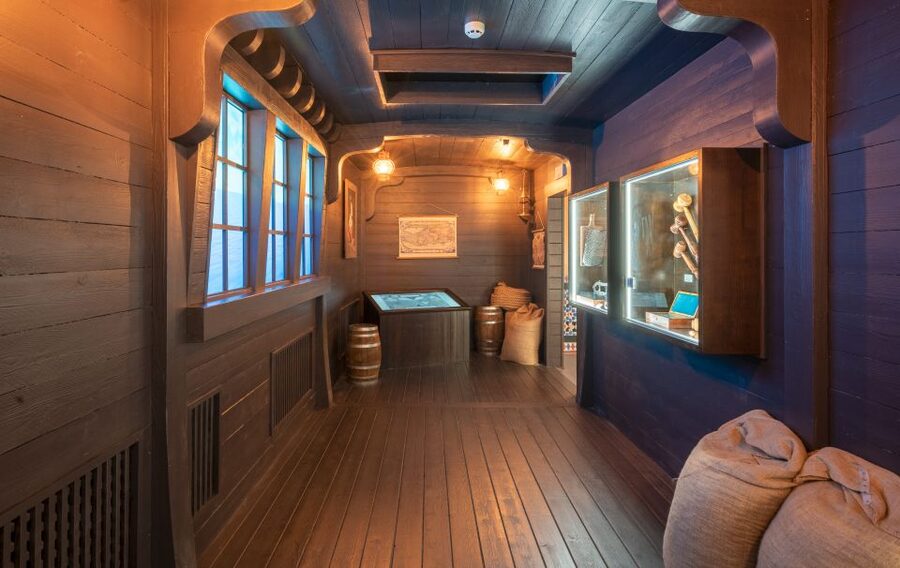
The museum also leans hard on interactive pieces. People often mention interactive games, quizzes, and hands-on style moments that keep kids interested without putting adults to sleep. There are even quiz-style moments and playful features along the way, including things like tasting-related suggestions later on.
This is a smart design for a city day. Bruges is easy to overbook. A museum that breaks up learning with short activities gives you a reason to pause, catch your breath, and keep moving.
The chocolate demonstration and the free tastings: where the whole experience pays off
The finish is the part most people remember: a chocolate-making demonstration, followed by free tastings.
The demo is described as revealing the secret of silky chocolate, with an opportunity to taste what’s made in the museum. In practice, the demo often gets described as a short production moment—focused enough that you can watch it from start to finish, but not so long that you feel trapped waiting around.
You’ll also get tastings at the end, and multiple reviews describe the tasting as a highlight—sometimes mentioning different types or flavors. Some people mention chocolate buttons, praline-style filled sweets, and flavors such as amber in the tasting mix. A common theme is that you can keep sampling during the tasting window, with guidance not to take items out.
A practical tip: plan your pace toward the end
If you’re the type who stops to read every label, you can still do this in 90 minutes, but you’ll feel rushed near the demo. If you want the full experience, I’d aim to be in the final museum sections with a buffer so you’re not sprinting when the crowd gathers.
Price and value: is $18 a fair deal for Bruges?
At around $18 per person for about 90 minutes, this is priced like a focused attraction rather than a long guided tour. So the value question is simple: are you getting enough “wow” and enough learning to justify it?
Here’s why many people feel it’s worth it:
- You get an audio guide experience rather than a basic self-guided wall of text.
- Tastings are built in, not added at the register.
- There’s a live demonstration component, which turns the museum from passive into active.
- The story covers both history and how chocolate gets made, which gives you more than one angle on the theme.
The main cost-to-consider issue is time. If you’re only interested in the very last step (demo plus sweets), you might feel like the earlier history part is too much. But if you like understanding the product behind the taste—ingredients, process, and where cacao came from—then the price-to-time ratio lands pretty well.
Who this tour suits best (and who might not love it)
I’d put Choco-Story Brugge on the “good match” list for:
- Families with kids: the kids audio version and interactive bits help a lot.
- Chocolate lovers who want context: you’ll learn not only what chocolate is, but how it becomes what you eat.
- Rainy-day planners: this is a reliable indoor plan that won’t eat your whole day.
You might want to think twice if you:
- Want a long, detailed cooking lesson. The demo is described as short.
- Dislike crowded moments. The end area can bunch people up.
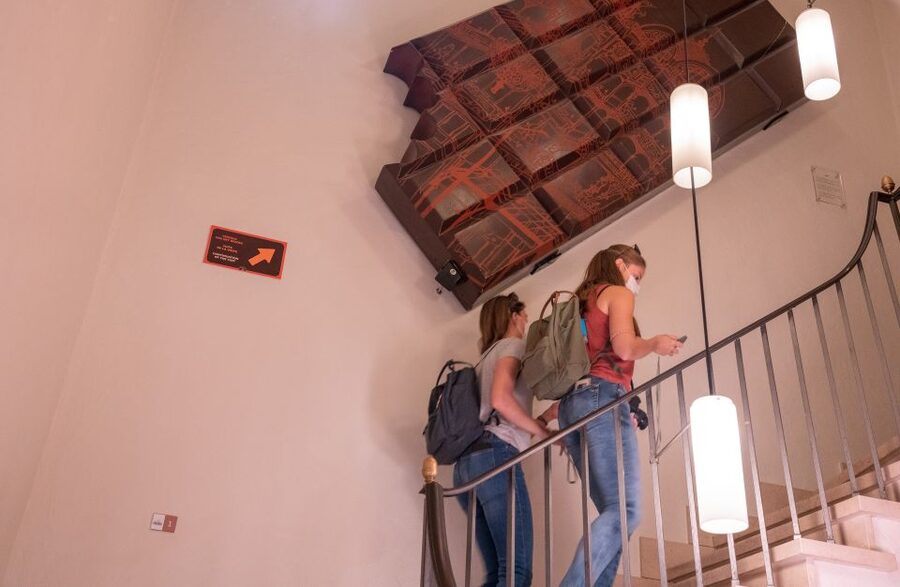
- Need wheelchair access. The experience is not suitable for wheelchair users, and the museum includes stairs.
Small details that make or break your experience
A few patterns show up in how people experience this museum:
- Crowds can slow you down. It’s fine to walk at your own pace, but the final demo and tasting area can become a queue zone.
- Audio guide navigation matters. Some people describe needing to pay attention to how prompts work across the exhibits. If you’re prone to skipping, you may miss sections of the story that explain what you’re looking at.
- Tasting variety isn’t guaranteed. If a specific tasting item is on your must-try list, keep expectations flexible during busy times.
Should you book Choco-Story Brugge?
Yes, if you want a structured chocolate experience that balances history, how-it’s-made basics, and free tastings in a time window that fits a Bruges day. I’d book it especially if you’re traveling with kids, or if you enjoy learning while you snack.
Hold off only if you’re hoping for a long live workshop or if you know stairs and crowds will stress you out. Otherwise, this is an easy win: you get the story, you see the process, and you leave with chocolate in hand.
FAQ
How long does Choco-Story Brugge take?
The experience is scheduled for about 90 minutes.
Is the visit guided, or is it self-paced?
It includes an audio guide. You follow along through the museum with the audio support, and there is also a chocolate demonstration.
Are tastings included?
Yes. You get free chocolate tastings in the museum.
What languages are available for the audio guide?
The audio guide is available in Dutch, English, French, Spanish, Arabic, German, Italian, Russian, Chinese, and Japanese.
Is there a kids version of the audio guide?
Yes, the audio guide includes a kids version.
Do you see a chocolate-making demonstration?
Yes. The experience includes a chocolate demonstration.
Is the museum suitable for wheelchair users?
No. It is not suitable for wheelchair users.
Are pets allowed?
No. Pets are not allowed.
Can I cancel for free?
Yes. Free cancellation is available up to 24 hours in advance for a full refund.