REVIEW · ROME
Vatican & Sistine Chapel Ticket with Optional Audio Guide
Book on GetYourGuide →Operated by City Wonders Ltd. · Bookable on GetYourGuide
The Vatican is a maze of marble. This skip-the-line ticket helps you reach the art faster, then keeps you moving with a map and multilingual audio guide. One thing to keep in mind: it is not a full guided tour inside, so you’ll be navigating on your own after security.
I like that the “skip-the-line” part is practical: you get an escorted entrance to the right place, not just a ticket and hope. I also like the pacing flexibility—your time is your time once you’re in the museums and heading toward the Sistine Chapel. The main drawback is that the audio app can feel a bit tricky to match to what room you’re in, so you may need to pause and figure it out as you go.
Four quick things that matter
- Real skip-the-line entry, focused on getting you past the biggest queue
- Mobile audio app in 7 languages, so you can set your own tempo
- Orientation map that includes Sistine Chapel help points
- Self-paced museum time, with plenty of chances to slow down
- Optional buffet breakfast inside the Vatican courtyard for an easier start
In This Review
- Skip-the-Line Entry: What Your $46 Buys You
- Where to Meet (and How to Not Miss Your Time)
- Security and the Staff Escort: The Part You’ll Feel Immediately
- Vatican Museums Layout: Using the Map Like a Pro
- Pinacoteca, Etruscan Rooms, and Courtyard Breaks
- Gallery of Maps: The Spot People Miss When They Rush
- Sistine Chapel: How to Spend Time Without Stress
- The Audio Guide App: Helpful, But Plan for Friction
- Optional Breakfast Inside the Vatican Courtyard
- Accessibility Notes You Should Actually Take Seriously
- Who This Skip-the-Line Ticket Fits Best
- Price and Logistics Reality Check
- Should You Book This Ticket?
Skip-the-Line Entry: What Your $46 Buys You
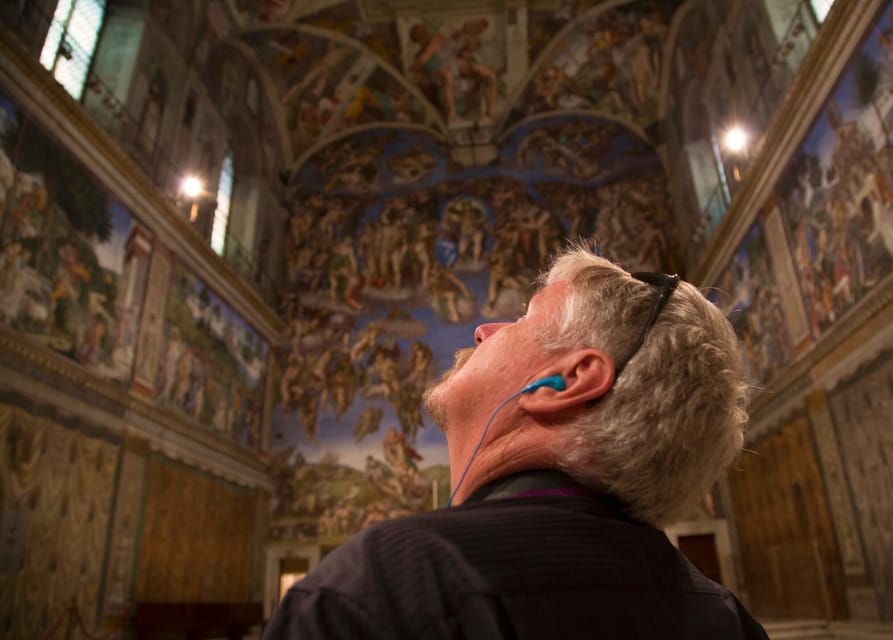
At about $46 per person, you’re paying for two things: a reserved entry slot and someone to help you access it without wrestling the ticket lines. Yes, it costs more than walking up and buying directly. But when queues can run long, paying to lose less of your day is usually money well spent.
What you should expect is straightforward. This is a skip-the-ticket-line setup, plus a staff member who guides you to the correct entry flow until you’re through the main check area. After that, you’re on your own with the museums and Sistine Chapel.
Value-wise, this works best if you plan to move efficiently and want the freedom to roam. If you prefer a full “walk with a guide and get the story out loud” experience, you might feel under-served because this isn’t that kind of guided tour.
Where to Meet (and How to Not Miss Your Time)
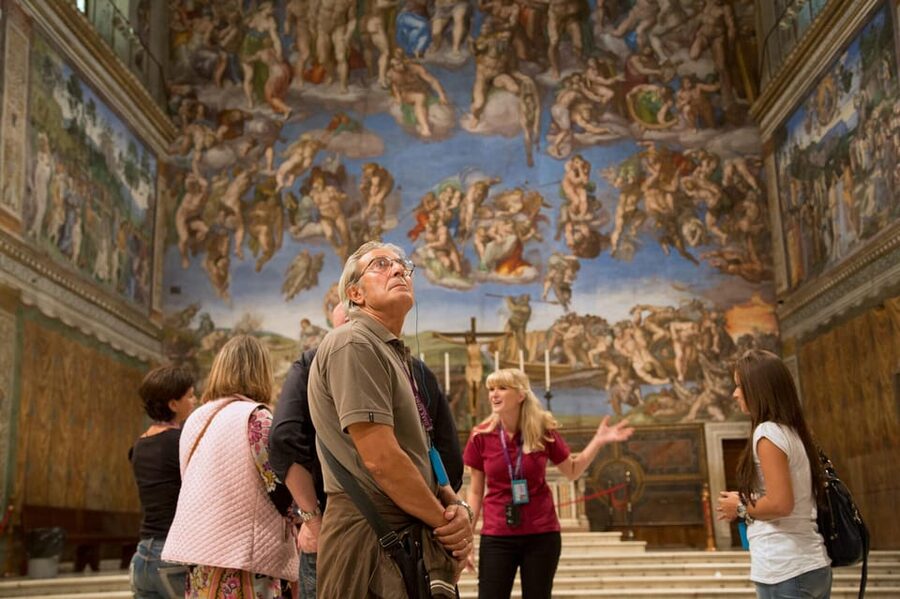
Meet your host at the bottom of the steps across the street from the Vatican Museums entrance, next to Caffè Vaticano, on the corner of Viale Vaticano and Via Tunisi. Your City Wonders coordinator will be wearing a blue City Wonders polo shirt or jacket so you can spot them quickly.
Two practical details matter here. First, your voucher is valid only for the specific entry time you selected. Second, you still have to go through airport-style security on arrival. In high season, security waits can be up to 30 minutes, even with the skip-the-line ticket.
So the smartest mindset is this: you’re skipping the worst part (the ticket queue), but you’re still arriving to a busy site. Getting there prepared, and moving promptly once directed, is what turns “chaos” into a clean start.
You can also read our reviews of more tours and experiences in Rome.


Security and the Staff Escort: The Part You’ll Feel Immediately

The “escorted entrance” is short, but it’s exactly the part most people struggle with. A staff member meets you at the meeting point, then walks you through the entry process enough to put you in the correct line for security.
One reason this ticket gets strong marks is that it reduces uncertainty. When you’re standing in crowds and trying to figure out which line goes where, you lose time. Having a person point you to the right path helps you get moving and start seeing artwork sooner.
Also note what you are not getting. The ticket does not include a guided tour through the galleries. You will not be “herded” with a live guide giving explanations every step of the way.
Vatican Museums Layout: Using the Map Like a Pro
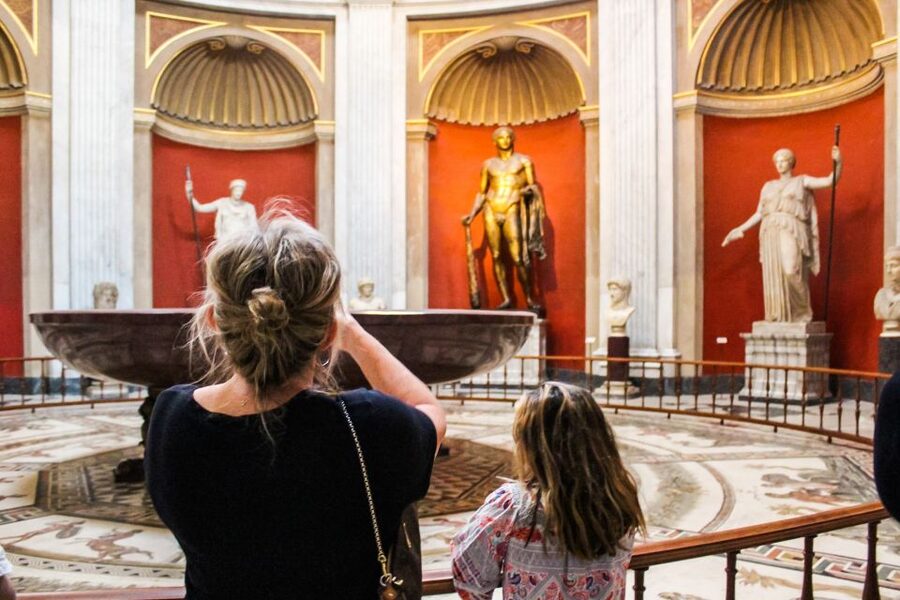
Inside the Vatican Museums, you get a map of the museum complex, including information to help you locate the Sistine Chapel. You also get help setting your orientation so you don’t spend the first hour wandering in the wrong direction.
The map is especially useful for prioritizing. The Vatican Museums spread out like a small city, and it’s easy to burn time without realizing it. With the map in hand, you can pick the major stops you actually came for, then branch out to whatever catches your eye.
Highlights you can look for include stops such as:
- Pinacoteca (picture gallery)
- Etruscan Museum
- Pinecone Courtyard
- Gallery of Maps
Even if you don’t know what every room holds, you’ll benefit from using the map as a navigation tool, not just a souvenir. Think of it as your route plan for a self-guided visit.
Pinacoteca, Etruscan Rooms, and Courtyard Breaks
This type of ticket is best when you want structure without a lecture. You can spend time where you feel something, then move on when your eyes start to glaze over.
In this museum set-up, the Pinacoteca gallery and the Etruscan Museum are included parts of the experience, which matters because they add variety. You’ll get a mix of painting and antiquities rather than only moving through one style of art.
Then there are the courtyard moments. The Pinecone Courtyard is one of those “stop and reset” places. Even if you’re not there for a specific painting, courtyards help you catch your breath, adjust your route, and decide whether you’re going fast or taking it slowly that day.
The main consideration here is pacing. Museums like this can become “collecting rooms” instead of actually seeing. I’d plan a rhythm: one big hall, one photo break, then another focused stretch.
Gallery of Maps: The Spot People Miss When They Rush
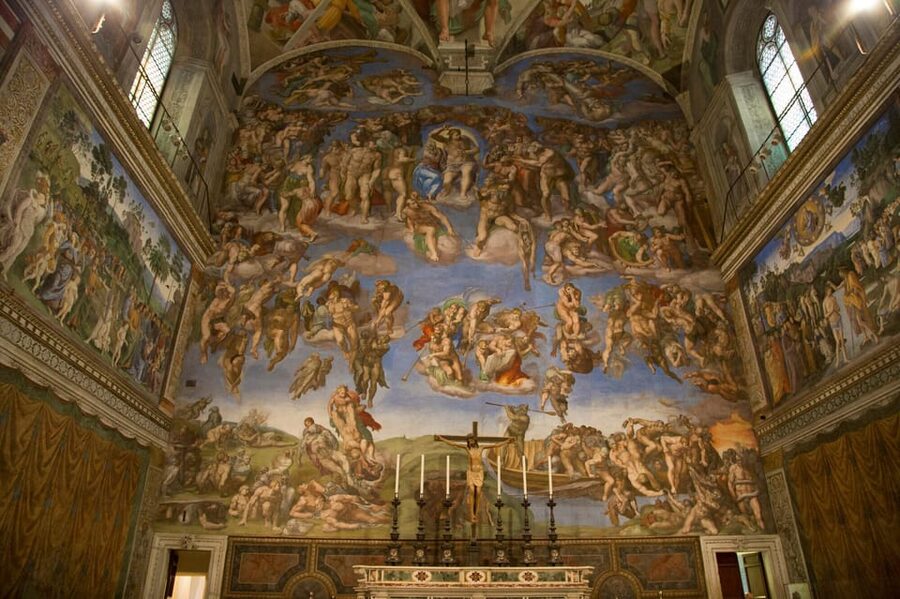
The Gallery of Maps (included in the museum area you’ll access) is one of those rooms that rewards you for slowing down. If you walk in like you’re on a mission, it’s easy to skim it and forget it.
What I like about having an audio option here is simple: it helps you stay oriented while you look. With a self-paced approach, you can linger at details without feeling like you’re falling behind a group schedule.
If you’re the type who likes to understand what you’re staring at, this is where the audio guide can pull its weight. If you tend to tune out narration, just give yourself time in the room to look without rushing.





Sistine Chapel: How to Spend Time Without Stress
The ticket caps the experience at entry access, not museum time. The big promise is that you can spend all the time you want inside the Sistine Chapel area after you reach it.
That means timing strategy becomes your job. If you arrive early, you’ll likely feel less pressure from crowds and be able to settle in. If you arrive later, you may need more patience and careful movement. Either way, keep expectations realistic: this site gets crowded and operates under strict rules.
Practical advice: once you enter Sistine Chapel viewing space, plan to stand still longer than you think. The art rewards stillness. If you’re constantly re-positioning, you’ll lose the whole effect.
Also remember the format. You have access and the map help you find your way. This part of the day is not a guided walkthrough. You’ll be processing on your own, with audio optional.
The Audio Guide App: Helpful, But Plan for Friction
Your audio guide comes as a mobile app option on your phone, with languages including Chinese, German, English, French, Italian, Polish, and Spanish. That’s a strong range, and it’s convenient because you don’t have to rent another device.
Where it can get frustrating is simple: audio guides work best when the content matches where you are standing. Some people find it hard at first to match which track plays in which room, especially when you’re surrounded by signage that doesn’t make the next stop obvious.
My suggestion is to treat the audio guide like a flexible companion, not a GPS. If a track doesn’t feel right, pause, locate the room landmarks using the map, then continue. A self-paced visit should still feel guided by your own attention, not by guessing.
Also, you don’t need to use every minute. Even brief audio listening at key works can give you context without draining your energy.
Optional Breakfast Inside the Vatican Courtyard
There’s an upgrade option that includes a buffet breakfast inside the Vatican courtyard. If you like starting the day calmly, this can be a smart move because it reduces the “hangry scramble” before you even reach the museums.
The value isn’t about getting a huge meal. It’s about buying time and comfort. A good breakfast can help you last through hours of walking and standing, and it can also improve your mood when crowds pick up later.
The only consideration is that breakfast doesn’t replace your need to plan your museum route. You still need to decide what matters most, and you still need to follow directions to reach the right entrances.
Accessibility Notes You Should Actually Take Seriously
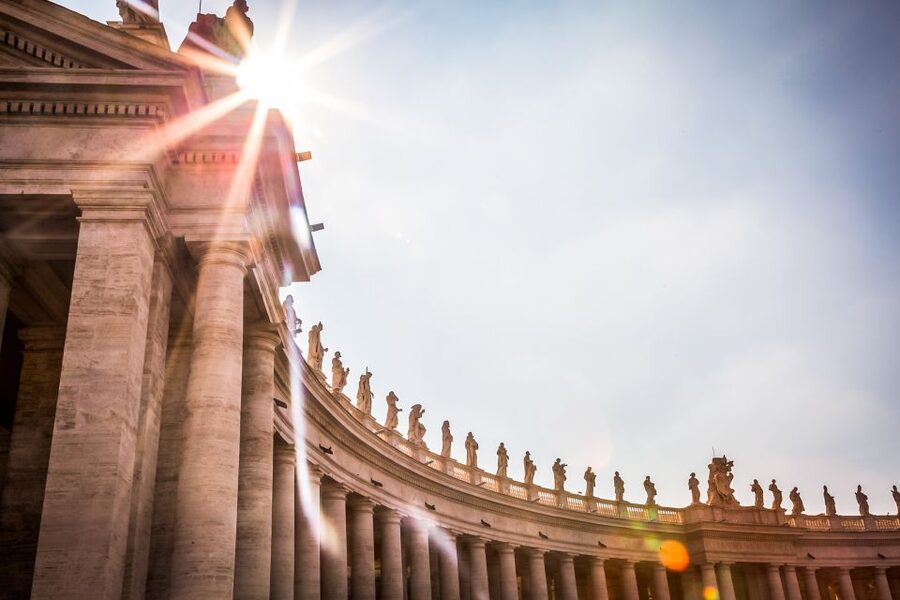
This ticket comes with clear limits. It is not suitable for wheelchair users, and it can’t accommodate guests with wheelchairs, strollers, baby carriages, or anyone needing special assistance.
That matters because the Vatican Museums are complex, security involves queues, and entry flows can involve stairs and crowded bottlenecks. If you’re traveling with someone who needs mobility support, you’ll want to look for an option designed specifically for accessibility.
Even if you don’t need wheelchairs yourself, it’s worth noting the restrictions upfront so your plan doesn’t fall apart at check-in.
Who This Skip-the-Line Ticket Fits Best
This experience is a strong match for people who want:
- Skip-the-ticket-line entry to save real time
- Self-paced wandering without a full live guided tour
- Audio support in your language or a language you can manage
- An easy way to reach the Sistine Chapel without getting lost in the complex
It may be less ideal if you:
- Want a continuous live guide explaining every room
- Know you prefer highly structured group movement
- Are counting on the audio app to feel perfectly “room-to-track” right away
If you’re traveling with kids, this format can also work well because self-pacing gives you room for breaks. You can slow down for questions, then move again when everyone’s ready.
Price and Logistics Reality Check
Let’s be honest about cost. You’re paying more than face-value museum admission because you’re buying the service layer: reserved access, a reservation fee, and staff help to access the right lines.
If you were going on an ultra-busy day, the math usually works in favor of this ticket. If you go early and have a flexible schedule, you may reduce the benefit because queues might not be as brutal as you fear.
But there’s another side to the value equation: stress reduction. For a place as huge as the Vatican Museums, “less confusion” often turns into “more art seen.” And at $46, that’s not an outrageous trade if you’re trying to have a good day instead of a struggle.
Should You Book This Ticket?
I’d book this if your priorities are time-saving and independence. The combination of skip-the-line entry, a map, and the audio app is a solid way to see the Vatican without committing to a full guided tour.
I’d think twice if you need step-by-step live guiding the whole way through, or if you’re traveling in a way that falls under the accessibility limits (wheelchairs, strollers, and baby carriages are not accommodated).
Best call strategy: choose an entry time that fits your energy, bring your plan (even a simple one), and use the map to move with purpose. Then let the art slow you down when you find something you actually want to see.