REVIEW · KEY WEST
Cruise Through Key West’s Black History Audio Tour
Book on Viator →Operated by BeachBunny's Original Tours of Key West · Bookable on Viator
Key West history has layers you can hear. This low-cost Black history audio experience links the island to the Bahamas, explains Key West’s Civil War role in defeating the Confederacy, and walks you through real, moving sites tied to African and Black life. You’ll also get stories like Manuel Cabaza’s fight against the local KKK, plus a chance to visit places that once had strict segregation rules.
I love the clear, easy-to-follow audio narration and the way it lets you move at your own speed instead of marching with a group. I also like that you get historic photos and restaurant menus along the way, so the stops feel connected and not random.
One possible drawback: the route can feel spread out, and the written directions don’t always match GPS. If you hate second-guessing, keep your phone map handy, and consider using a golf cart to hop between sites faster.
In This Review
- Key Points You’ll Feel on This Route
- Why a Key West Black History Audio Tour Works So Well
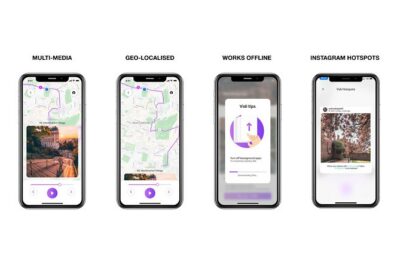
- Getting Set Up: Mobile Ticket and How to Use the Audio
- Start at Mallory Square, End at Truman Waterfront Park
- Stop 1: Simonton Street Beach and a Gulf of Mexico Reset
- Stop 2: Higgs Beach African Graves and the Story of 250 Burials
- Stop 3: West Martello Tower, a Union Fort Turned Garden
- Manuel Cabaza vs. the KKK: When the Audio Gets Personal
- The Oldest Black Church and Coffee Butler’s Music
- WWII Battleship Time, Waterpark Fun, and Food on Your Terms
- Price and Value: Why This $8 Audio Tour Is a Smart Use of Time
- Transportation and Timing: Walk, Drive, or Rent a Golf Cart
- Who This Tour Fits Best
- Should You Book This Key West Black History Audio Tour?
- FAQ
- How much does the Key West Black History audio tour cost?
- How long does the tour take?
- Is this tour self-guided or guided by a person?
- Where do I start and end the tour?
- Is the audio accessible on a mobile device?
- What’s included in the tour price?
- Is private transportation included?
- Can I get a refund if I cancel?
- Are service animals allowed?
- Is it only for my group?
Key Points You’ll Feel on This Route
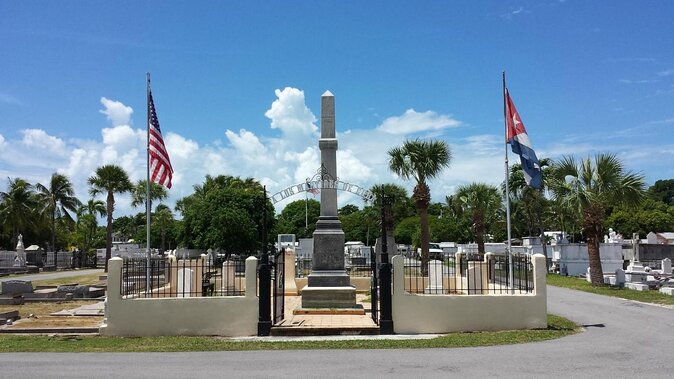
- Mobile audio tour format means you set the pace and pause when stories hit.
- Stops include key sites like Higgs Beach African Graves and West Martello Tower.
- You’ll hear real names and conflicts, including Manuel Cabaza and the local KKK.
- Food moments matter here, with conch salad and key lime pie worked into the experience via menus.
- Family-friendly options show up too, including time near a retired WWII battleship and a waterpark.
Why a Key West Black History Audio Tour Works So Well
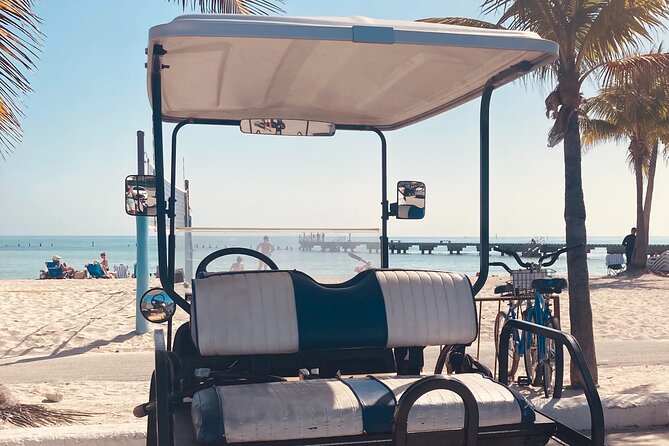
Key West is compact, but its story isn’t. This tour is a practical way to get beyond postcard Key West and into the human history that shaped the island.
The biggest win is the structure. Instead of one lecture that runs start to finish, you get short, specific stop-by-stop segments. That matters because some parts of Black history here are heavy. You don’t want to be trapped in a long talk while you’re trying to process what you’re seeing. The audio format lets you linger at the Higgs Beach African Graves, then keep moving when you’re ready.
And it doesn’t treat history as only the past. It ties together themes: Key West’s connection to the Bahamas, conflict during the Civil War era, and how communities survived and pushed back against oppression. You’ll leave with a better sense of how the island’s geography and segregation-era rules shaped daily life.
You can also read our reviews of more tours and experiences in Key West.



Getting Set Up: Mobile Ticket and How to Use the Audio
This experience runs on a mobile ticket. You’re given audio narration for the route, and you’ll listen as you go from stop to stop. One review emphasized that the narration is easy to understand and that the device experience is straightforward, which is exactly what you want when you’re outside in the sun and trying not to wrestle with technology.
Here’s how to make it smooth:
- Plan for you to start listening right when you arrive at the first area so the first story sets the tone.
- If you’re the type who likes to read plaques, pause the narration briefly to take in the wording.
- If you’re driving yourself around, keep a consistent rhythm so you don’t lose where you are in the story.
This is private in the sense that it’s only for your group, not a shared, guided group. That’s helpful if you want to talk, take photos, or move faster or slower without feeling watched.
Start at Mallory Square, End at Truman Waterfront Park
Your route begins at Mallory Square and ends at Truman Waterfront Park on Southard St. That matters because it anchors your tour in two of the most central areas of town.
In practical terms, you can plan your day around it:
- If you like starting with morning shade and calmer streets, you can set off early in your time window.
- If you prefer finishing near water views and easy wandering, you’ll land near Truman Waterfront Park.
You’ll also appreciate that the meeting area is close to public transportation. Even if you don’t rent a car or golf cart, you’re not stuck far from the action.
Stop 1: Simonton Street Beach and a Gulf of Mexico Reset

The first stop is Simonton Street Beach. It’s a quick moment—think photo, breath of sea air, and if conditions allow, a chance to take a dip in the Gulf of Mexico.
Why this stop works at the start: it gives you a physical break before the tour turns serious. You get a sensory reset—salt air, sunlight, and the sound of waves—so your brain isn’t overwhelmed the instant the audio begins.
Also, this is a smart time to get oriented. Simonton Street Beach sits in the heart of the walking-drivable network. If you’re using a golf cart (more on that later), you’ll want to get a feel for the spacing of the route early.
Stop 2: Higgs Beach African Graves and the Story of 250 Burials
Next up is Higgs Beach African Graves, and this is the emotional center of the tour.
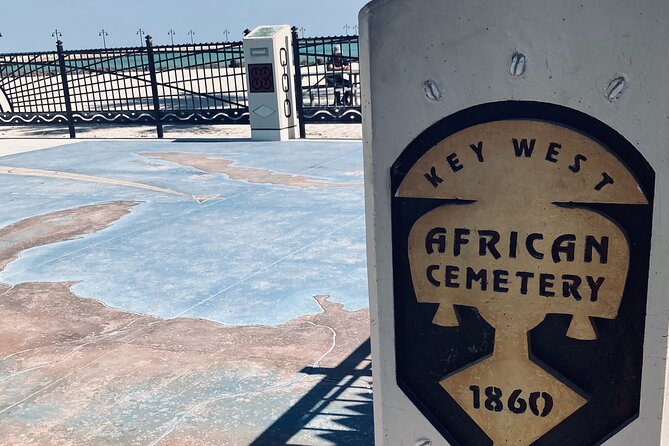
You’re guided to learn why 250 Africans are buried in Key West. You’ll also be encouraged to take a moment to read the display plaques. That’s where the audio format shines: you can listen, then step into the text without missing the meaning.
There are a few powerful threads you’ll hear tied to this area:
- The broader connection between Key West and the Bahamas.
- The fact that these burials are part of the island’s real history, not a vague background detail.
- The way segregation-era rules shaped Black spaces, including the existence of a “blacks only” beach.
One practical consideration: give yourself enough time here. If you rush, you’ll miss what makes it moving. If you slow down, you may lose time elsewhere on the route. That trade-off is worth it at Higgs Beach.


Stop 3: West Martello Tower, a Union Fort Turned Garden

West Martello Tower is next, and it’s a different flavor of learning—less street-level story, more “how the built environment tells history.”
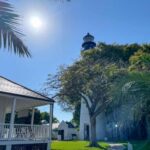
This Civil War fort was built for the Union and later became a site that’s now a beautiful botanical garden. You’ll see the structure and you’ll also learn how it fits into Key West’s military past.
Why I think this stop is essential: it helps you zoom out. The Black history stories on the route are personal and specific. The tower adds context—how power, war, and control showed up in architecture and geography.
Also, because it’s a garden now, it’s a calmer break in the middle of the day. You get a chance to step away from intense subject matter and still keep the learning going.
Manuel Cabaza vs. the KKK: When the Audio Gets Personal
One of the most striking parts of the experience is the story of Manuel Cabaza and his battle with the local KKK. This is the kind of narrative you don’t just “listen to.” You remember it.
It also changes how you look at everything else. Once you hear a story like this, the tour stops feel less like sightseeing and more like chapters in a fight for safety, dignity, and community control.
Practical tip: when you reach this segment, take your headphones off for a second and look around. The streets won’t explain the story on their own, but your brain will start connecting the words to the spaces.
The Oldest Black Church and Coffee Butler’s Music
The tour also includes time tied to the island’s oldest black church and the story of its place in the community.
One review highlighted the AME Zion church, and that’s exactly the kind of detail you’ll appreciate when you’re trying to understand the roots of Black religious life in Key West. Even if you’re not a history buff, churches are where community identity shows up in physical form: names, traditions, and continuity.
Then you’ll hear about Coffee Butler, a local singer, and you’ll carry that cultural thread forward. This matters because Black history isn’t only about struggle. It’s also about art, voice, and the ways people made life livable.
If you’re traveling with kids, this is where you can shift from “serious listening” to “story listening.” Music and performance stories tend to land better with younger ears.
WWII Battleship Time, Waterpark Fun, and Food on Your Terms
Later in the route, you’ll learn about Coffee Butler and visit a retired WWII battleship. After that, the plan also includes a mention of a waterpark, which is a practical detail for families.
You’re mixing two kinds of travel needs here:
- Adults want meaning and context.
- Kids want a break and a physical activity.
The tour balances that because it isn’t only about one kind of attraction. It’s part history walk, part Key West day.
And don’t skip the food component. The experience specifically points you toward conch salad and key lime pie as local favorites. You also get restaurant menus included, so you’re not stuck at the stop staring at a blank screen wondering where to go.
A simple approach that works: pick your food when the story segment tells you to, not after you’re tired and hungry. Menus included makes this easier, especially if you’re trying to avoid decision fatigue on a hot day.
Price and Value: Why This $8 Audio Tour Is a Smart Use of Time
At $8, this is priced like a snack. It feels more like a bargain when you consider what you’re getting: multiple stops, audio narration, plus historic photos and restaurant menus built into the experience.
Where the value really shows up is in flexibility:
- You don’t have to coordinate schedules with a live guide.
- You can spend extra time at Higgs Beach when the plaques matter to you.
- You can move faster if your group is on a mission.
Also, because the tour is private for your group, you avoid the “someone asked a question in the back and now the whole thing slows down” problem.
The one cost you should plan for is transportation. Private transportation isn’t included, so you’ll be relying on walking, public transport access near the route, or your own rental choices.
Transportation and Timing: Walk, Drive, or Rent a Golf Cart
The route can take about 1 to 4 hours depending on how long you linger, how much you pause for photos, and whether you’re walking all the way.
One review gave a strong practical tip: renting a golf cart can make the route much easier. That makes sense. Even if Key West is “walkable,” the experience covers several distinct areas, and the emotional-heavy stops deserve time where you’re not rushing.
Here’s how to decide:
- If you like slow travel, read plaques, and don’t mind heat, walking can work. Plan on the longer end of the time range.
- If you’re trying to fit this into a busy Key West day, a golf cart can save your energy for the parts that matter.
Also note the navigation hiccup: written directions don’t always line up perfectly with GPS. If you’re using a map app, you’ll probably be fine, but don’t assume the directions will always be spot-on.
Who This Tour Fits Best
This tour is a good match for you if:
- You want a self-paced way to learn Black history in Key West without committing to a long group lecture.
- You like learning with your feet moving, stopping for plaques, photos, and cultural sites.
- You want local food moments (conch salad and key lime pie) built into the experience.
It may not be your best choice if:
- You strongly prefer fully guided, live interpretation.
- You dislike audio tours and would rather read everything at your own pace without narration prompts.
Families can also do well here, since the route includes family-friendly elements like time near a waterpark and active sightseeing options.
Should You Book This Key West Black History Audio Tour?
If you care about Key West beyond the surface level, I’d book it. For $8, you get structured learning across major sites tied to African burial history, Civil War-era context, and stories about local resistance and Black community life. The audio format keeps it accessible, and the included photos and menus make it feel like a real day out, not just a scavenger list.
My main “wait” advice is transportation and pacing. If you don’t want to think about spacing between stops, consider arranging an easier way to move (like a golf cart). And if you’re someone who needs precise directions, keep GPS open.
FAQ
How much does the Key West Black History audio tour cost?
It costs $8.
How long does the tour take?
The duration is approximately 1 to 4 hours.
Is this tour self-guided or guided by a person?
This is an audio tour you can follow at your own pace, accessed through a mobile ticket.
Where do I start and end the tour?
You start at Mallory Square, Key West, FL, and you end at Truman Waterfront Park on Southard St, Key West, FL.
Is the audio accessible on a mobile device?
Yes. The tour uses a mobile ticket and provides audio narration as part of the experience.
What’s included in the tour price?
Included items are historic photos and restaurant menus.
Is private transportation included?
No. Private transportation is not included.
Can I get a refund if I cancel?
No. This experience is non-refundable and cannot be changed for any reason.
Are service animals allowed?
Yes, service animals are allowed.
Is it only for my group?
It’s private in the sense that only your group participates.