REVIEW · BRAGA
Peneda Gerês National Park: Self-Guided Electric Bike Tour
Book on GetYourGuide →Operated by TOBOGÃ · Bookable on GetYourGuide
Peneda-Gerês is the kind of park that rewards slow curiosity. This self-guided electric bike tour lets you move with ease while still feeling the mountain air, passing from the Lima River area to stone villages like Soajo and Lindoso. I love the combination of real trail time and “stop-and-look” moments at historic places, plus the fact that the route is built around a strong downhill rhythm even when you’re climbing up toward Soajo. One thing to keep in mind: it’s outdoors and self-paced, so if you struggle riding for about 5 hours on mixed terrain, this won’t feel relaxing.
What also makes this tour worth your attention is the way it threads everyday Portugal into the big scenery: a monastery in Ermelo, the granaries and stone structures in Soajo, and the 13th-century defensive castle in Lindoso. I especially like that you’re not just riding past viewpoints; you’re actually visiting places with culture you can see and understand in a short time. The only drawback is practical rather than scenic: the route guidance can be hit-or-miss on a GPS screen, so I recommend you start with clear directions and stay alert when the trail changes.
You’ll end back at Tobogã Base, after a roughly 50 km ride with big elevation change (about 1,300 m), designed around an e-bike so the effort feels manageable without turning the day into pure sightseeing.
In This Review
- Key points at a glance
- Why a 50-km, 1,300-m ride feels right in Peneda-Gerês
- Tobogã Base and the Lima River crossing at Touvedo Dam
- Ermelo monastery: a calm stop that adds real context
- Soajo: granaries, stonework, and the village feel you came for
- Lindoso’s 13th-century castle and reservoir viewpoints
- GPS, terrain variety, and how to keep it fun (not stressful)
- What to bring: water refills, snacks, and weather reality
- The e-bike setup: KTM power plus included protection
- Price and value: is $94 a fair deal?
- Who this tour suits best (and who should skip it)
- Should you book Peneda-Gerês Electric Bike Tour?
- FAQ
- How long is the Peneda-Gerês electric bike tour?
- Where does the tour start and end?
- How far do you ride?
- Is the ride mostly flat?
- What bike is included?
- What gear is included in the price?
- Are food and drinks included?
- Can I refill water during the ride?
- What should I bring?
- Is the tour suitable if I can’t ride a bike?
- What’s the cancellation policy?
Key points at a glance
- 50 km with ~1,300 m elevation change across changing terrain, paced for an e-bike
- Soajo village visit with its granaries, stone storage structures, and local food like Soajo-style goat
- Lindoso’s 13th-century castle plus reservoir views and old granaries
- Lima River crossing at Touvedo dam and a route that links water, forest, and villages
- E-bike KTM Macina Kapoho 7973 (2024) with helmet, gloves, sunglasses, and insurance included
- GPS-based self-guided ride that’s easy to follow most of the time, but not always perfect
Why a 50-km, 1,300-m ride feels right in Peneda-Gerês
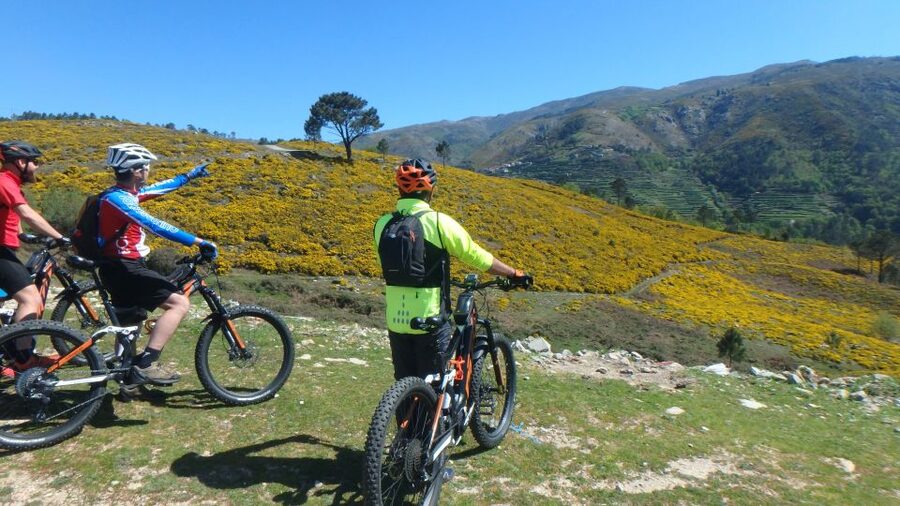
Peneda-Gerês National Park isn’t a “one big postcard” kind of place. It’s a working landscape of rivers, forests, and small villages where the architecture makes sense because people lived here for centuries. This tour matches that reality. You cover about 50 km and experience around 1,300 m of elevation change, which is enough to feel like you did something outdoors, but not so much that you’re guessing whether your legs will survive.
The e-bike matters because you can keep your focus on the route and the stops rather than white-knuckling every hill. You still feel the mountain: different ground surfaces, turns, and climbs, especially as the day works up toward Soajo. But the motor helps you keep a steady pace so you can actually enjoy the villages and viewpoints instead of arriving stiff and tired.
I also like that the tour is structured as self-guided. That means you can take a little longer when the view is worth it, or move on faster if you’re hungry for the next village. Just remember the trade-off: you’re responsible for staying on course, which is why the GPS quality (and your phone battery) really matters on a self-guided day.
You can also read our reviews of more tours and experiences in Braga.
Tobogã Base and the Lima River crossing at Touvedo Dam
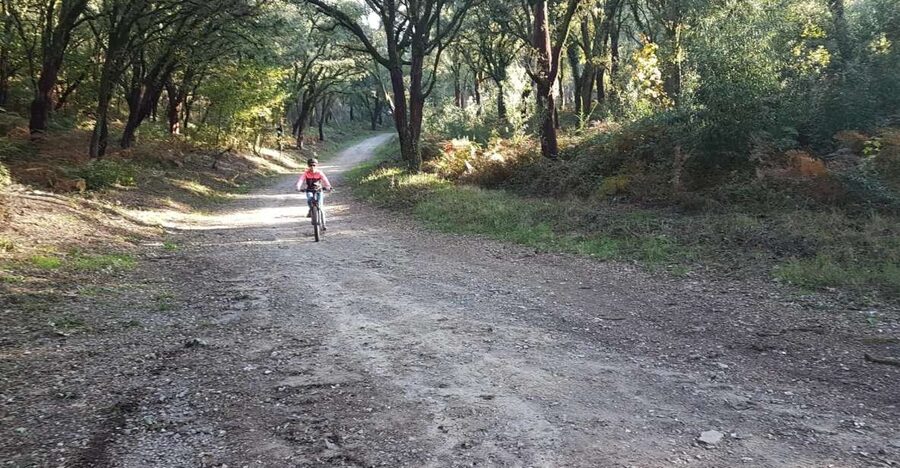
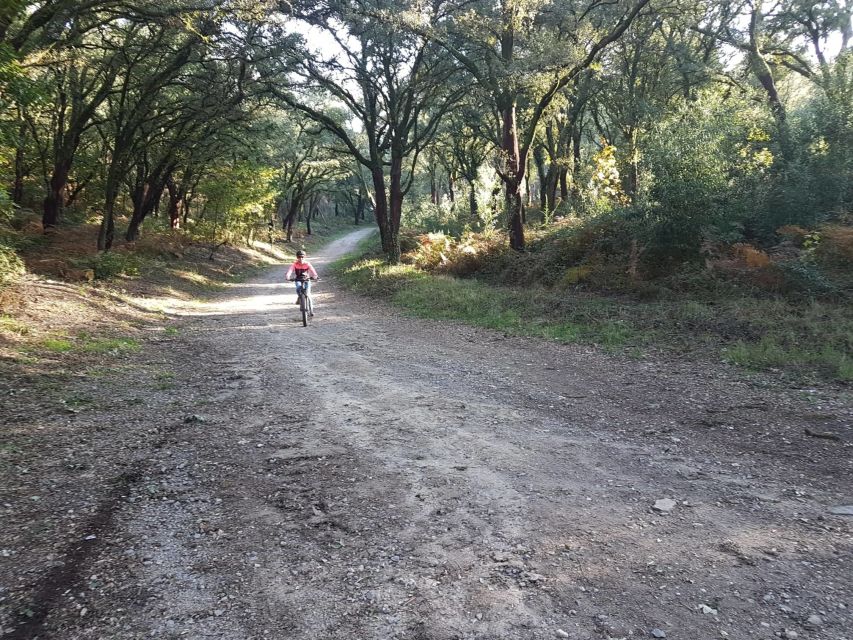
Most great rides start with a simple, organized launch—and this one does. You begin at Tobogã Base near Entre Ambos-os-Rios, and early on you cross the Lima River at the Touvedo dam. That first water moment sets the tone: the park isn’t only about heights; it’s about how rivers shape movement and settlement.
In practical terms, this is when you’re most likely to settle into the bike’s rhythm. You’ll be working with the provided KTM Macina Kapoho 7973 (2024), plus the included helmet, gloves, and sunglasses. If you’re new to e-bikes, this is a good stage to get comfortable with braking and cadence before the terrain gets more varied later.
One more thing I’d plan for: the park can have periods of disturbance from wildfires. You’ll get good information at the start about what’s been happening and how it affects the route and scenery you’ll see. Don’t skip the pre-ride briefing—ask how conditions look right now and what to expect out there.
Then, once you’ve crossed and found your pace, the day starts turning from water-and-dam drama into village-and-valley riding.
Ermelo monastery: a calm stop that adds real context
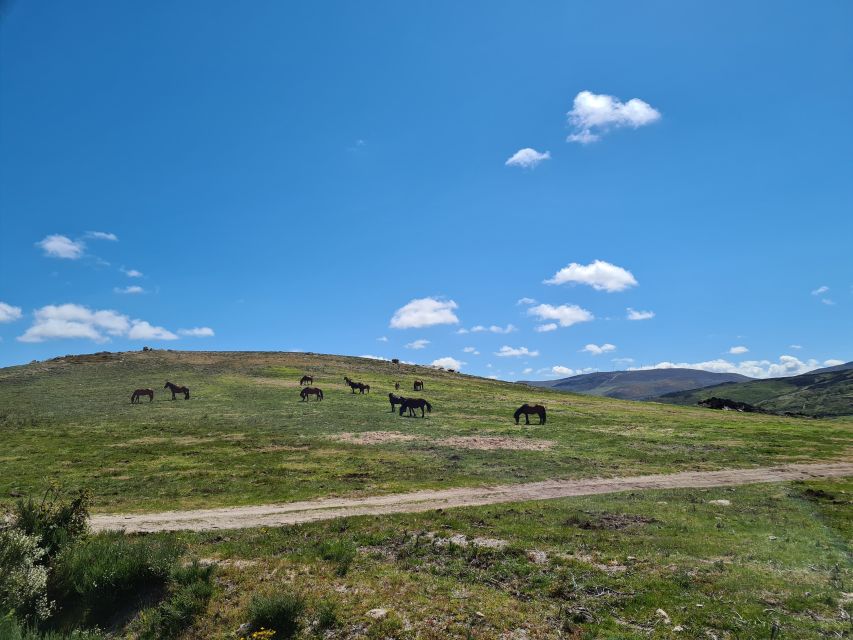
After the early momentum, the route brings you through Ermelo, including a stop near its monastery. This isn’t just a quick photo break; it’s a useful moment to reset your brain from “riding mode” to “place mode.” When you’re cycling through Peneda-Gerês, it helps to anchor what you’re seeing. Ermelo gives you that anchor.
The monastery area also gives you a bit of breathing space—exactly what you want partway through a 5-hour outing. By this point, you’ve already felt changes in terrain, and you’ll appreciate a stop where you can look around slowly rather than rolling forward all the time.
In terms of pacing, this kind of stop keeps the ride from feeling like a nonstop commute. It also helps you understand the park as a human space, not just an outdoor playground.
Soajo: granaries, stonework, and the village feel you came for
The ride’s big emotional payoff is Soajo. The route climbs up to this mountain village, and once you arrive, you’ll see why it’s considered one of the most iconic villages in Peneda-Gerês.
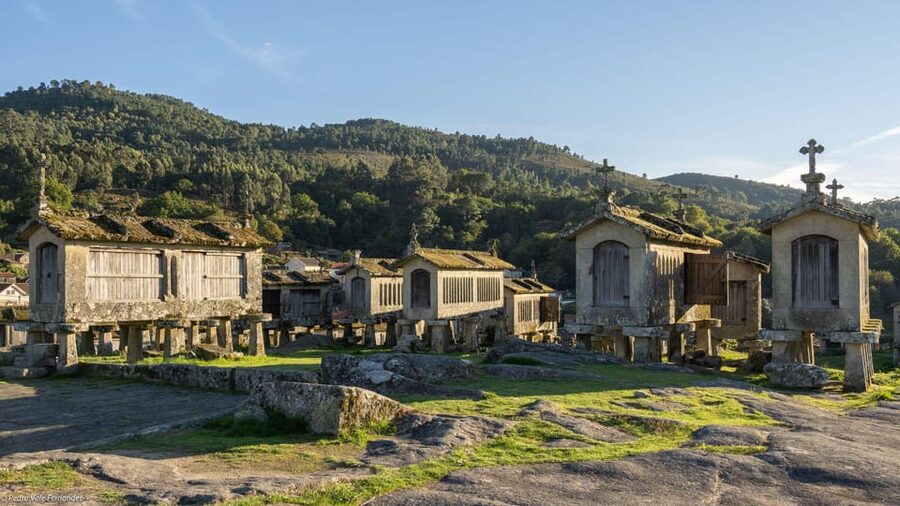
What stands out most is the architecture and the reason behind it. Soajo is known for its granaries—stone structures used to store cereals—that have become one of the village’s symbols. When you see those buildings, the place becomes easier to understand. They’re not decoration. They’re functional history.
Soajo also has living traditions you can sense in what people make and eat. You’ll be able to connect the dots between local crafts and the local kitchen, including the mention of Soajo-style goat. Even with limited time, a stop here gives you that “I get it now” feeling—because the culture isn’t isolated behind a museum sign. It’s part of the village’s everyday structure.
There’s another benefit to visiting Soajo by bike. You experience it as part of a journey rather than a standalone day trip. The climb toward the village gives you a sense of arrival, and the downhill energy afterward makes the day feel like a loop with momentum, not a series of disconnected stops.
Lindoso’s 13th-century castle and reservoir viewpoints
After Soajo, the tour takes you to Lindoso, one of the more striking mountain villages of Alto Minho. Here the main attraction is the 13th-century castle, built to help defend Portugal during conflicts with a neighbor. It’s the kind of fortification that makes sense in a mountain setting—you can almost imagine why someone would choose that location for protection.
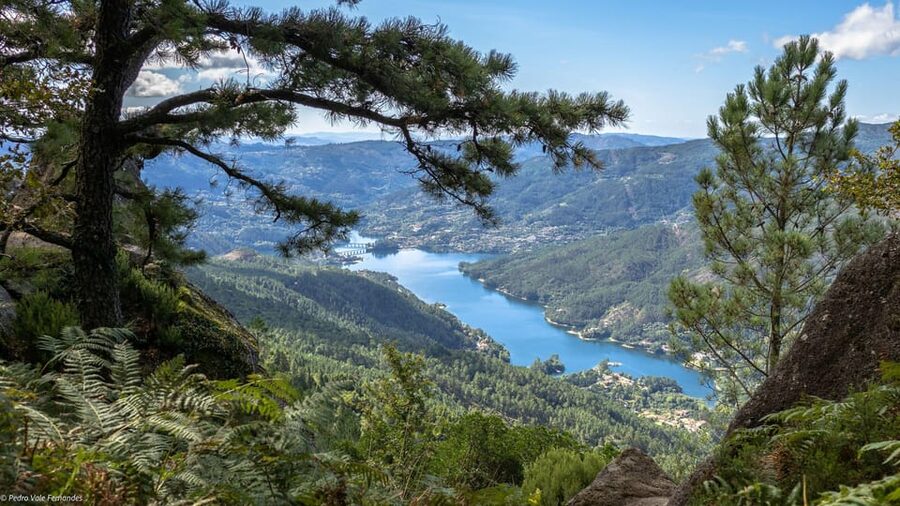
Equally important, Lindoso also offers views tied to the Lindoso Reservoir. Those reservoir perspectives help you read the terrain as a whole. You’re not only looking at stone walls; you’re looking at how water and mountains work together in this region.
You’ll also see the old granaries again in Lindoso. That repetition is actually useful. It reinforces the theme of storage, survival, and long-term farming traditions in mountain life. After Soajo’s granaries, Lindoso’s version feels like a related chapter instead of a random stop.
If you like history without turning your day into a lecture, Lindoso is a good fit: you get defensive architecture, strong village atmosphere, and a view that gives your ride a satisfying finish.
GPS, terrain variety, and how to keep it fun (not stressful)
This is a self-guided electric bike tour. That’s great for freedom, but it means navigation is part of the experience. The route is described as easy to follow for many people, and it’s set up to help you stay on track. Still, don’t assume GPS will be perfect in every corner.
Based on the practical feedback I’d use for planning, here’s what you should do to reduce stress:
- When you start, confirm how you’re meant to follow the route and what to do if the GPS hesitates.
- Keep an eye on changing ground types. This ride includes different terrain, and you’ll feel the difference even with e-bike assistance.
- Build a little mental flexibility. If a small detour or confusion happens, it shouldn’t wreck the day—just stay calm and refocus on getting back to the route.
There’s also a useful heads-up about the ride texture. Some segments may feel smoother than you expected if you’re chasing pure rough trail the whole time. One person even wished for more unpaved road in the final stretch. So if you’re the type who wants dirt and ruts the entire way, set your expectations for mixed terrain rather than a single “all trail” style.
The upside is that the terrain variety keeps the ride interesting, and the scenery remains strong throughout.
What to bring: water refills, snacks, and weather reality
This tour is outdoors for about 5 hours, and it rides through different types of terrain. Plan clothing for movement, not for looking cute in photos. You’ll be cycling, so bring weather-appropriate clothing and be ready for changing conditions.
You’ll also want sunscreen. Even in a mountain area, sun can sneak up on you when you’re moving and stopping intermittently.
Food and drink are where people often get caught. Food and drinks are not included, and there are only a few snack bars along the route, so bring snacks. Also bring a bottle of water. The good news: there are drinkable springs water during the way, so you can refill instead of carrying everything from the start.
This is one of those “small planning” decisions that makes the whole day smoother. With snacks and a refill plan, you won’t be stuck waiting for the next opportunity to eat or drink.
The e-bike setup: KTM power plus included protection
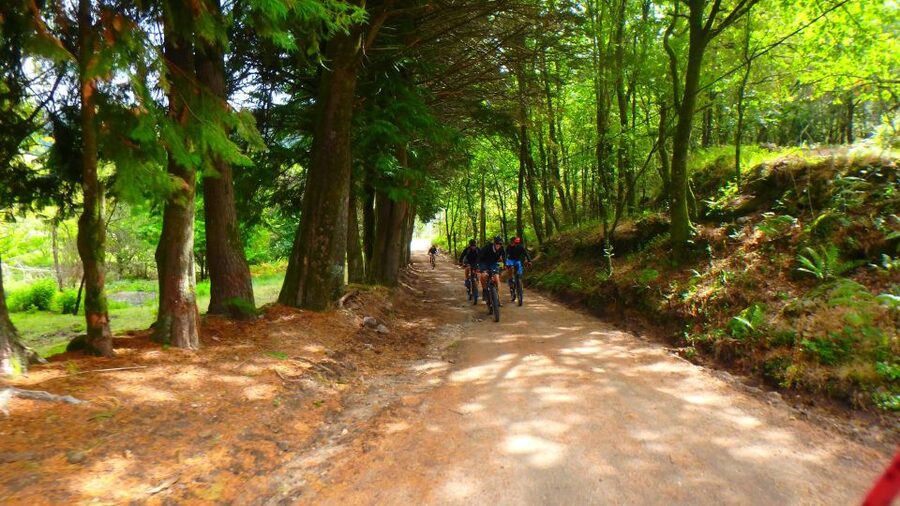
The included bike is a big deal for value and comfort: a KTM Macina Kapoho 7973, 2024. An e-bike like this helps you handle climbs and changes in surface without turning the day into a leg-cramping workout.
You don’t have to source safety gear. The tour includes helmet, gloves, and sunglasses, plus insurance. That’s the kind of practical inclusion I appreciate on tours like this. It reduces hassle and ensures you’re riding with gear designed for the kind of ride you’ll be doing.
The operator also notes that you should ride a mountain e-bike comfortably for about 5 hours on different terrain types. That’s the closest thing to a fitness requirement, and it’s a realistic one. If you can ride a bike confidently, you’re in the right zone. If you’re shaky at balance, you’ll feel it more here because the terrain changes.
And if you’re wondering about the pacing: because it’s self-guided, you can slow down where you want photos or time to absorb a village, and speed up when you’re eager to cover distance.
Price and value: is $94 a fair deal?
At $94 per person, this tour sits in a reasonable range for a half-day e-bike experience in a national park area, especially because the price covers more than just the bike rental. You get:
- the electric bike (specific model listed),
- safety gear (helmet, gloves, sunglasses),
- insurance, and
- a route designed for a full 50 km ride with big elevation change.
What’s not included is also clear: food and drinks and transfer. So you’ll add a bit for snacks, water, and whatever you do before or after. But that’s normal for a self-guided cycling day.
For value, the key question is: do you want to experience Soajo and Lindoso without spending a whole day driving between places? If yes, biking is efficient. It adds an active element, and you arrive in the villages as part of the route instead of as a passenger from a bus. That’s where the $94 starts to feel like more than “just a rental”—it’s a planned way to see the park.
Who this tour suits best (and who should skip it)
This tour is best for you if you:
- can ride a bike confidently (it’s not suitable if you can’t),
- want a self-guided format with GPS-based navigation,
- like villages and cultural stops, not just viewpoint chasing,
- are comfortable riding for about 5 hours on mixed terrain.
It’s also a good option if you like independence. You can spend time in Soajo’s granary architecture or linger near Lindoso’s castle when the light is good, then move on without waiting for a group schedule.
If you’re someone who gets overwhelmed by navigation or GPS changes, consider taking extra care at the start. The route is described as easy to follow, but not perfect on every device. Give yourself time and stay flexible.
If you’re looking for a fully guided ride where someone constantly stops and explains details at each point, this won’t match that expectation because it’s self-guided.
Should you book Peneda-Gerês Electric Bike Tour?
I’d book it if you want a half-day that mixes real cycling effort with two standout village stops—Soajo for its granaries and Lindoso for its 13th-century castle—while still feeling supported by an e-bike setup and included protective gear.
I’d think twice if you dislike navigation tasks or you’re not comfortable riding for 5 hours on mixed surfaces. Also, bring snacks and expect some segments to be less rough than a hardcore trail fan might want.
Overall, this is a strong value way to get into Peneda-Gerês National Park without renting a car and without turning the trip into a museum day. The best part is the sense of moving through the park like a local: water, stone villages, and mountain air, all in one loop.
FAQ
How long is the Peneda-Gerês electric bike tour?
The tour lasts 5 hours.
Where does the tour start and end?
It starts and ends at Tobogã Base, located at Entre Ambos-os-Rios.
How far do you ride?
The route is about 50 km.
Is the ride mostly flat?
No. The route includes major elevation change, with the course dropping about 1,300 meters, and it also includes a climb to Soajo.
What bike is included?
You ride a KTM MACINA KAPOHO 7973, 2024.
What gear is included in the price?
Included equipment is helmet, gloves, and sunglasses, plus insurance.
Are food and drinks included?
No. Food and drinks are not included.
Can I refill water during the ride?
Yes. There is drinkable spring water during the way, so bring a bottle to refill.
What should I bring?
Bring snacks and weather-appropriate clothing. It’s also advisable to bring sunscreen.
Is the tour suitable if I can’t ride a bike?
No. It is not suitable for people who can’t ride a bike.
What’s the cancellation policy?
You can cancel up to 24 hours in advance for a full refund.