REVIEW · ROME
Pompeii: Entry Ticket w/ Guide and Transfers or Audio Guide
Book on GetYourGuide →Operated by Show Me Italy · Bookable on GetYourGuide
Pompeii feels like a time machine in stone. What makes this experience really work is the mix of on-site entry plus a guide or audio option, so you’re not just looking at ruins—you’re learning how this city functioned right up to the eruption. I also like that the day can be easy on logistics, especially if you choose the round-trip transport from Rome instead of wrestling trains and buses on your own.
One heads-up before you go: this is not a gentle walk. It’s not suitable for wheelchair users or people with mobility impairments, and the tour won’t wait for latecomers—so you’ll want to arrive early and pack light.
In This Review
- Key things to know before you book
- Pompeii’s main “wow” moment: what you’re actually seeing
- Guide vs audio: choose the pace that fits your brain
- The Pompeii route that makes the day feel complete
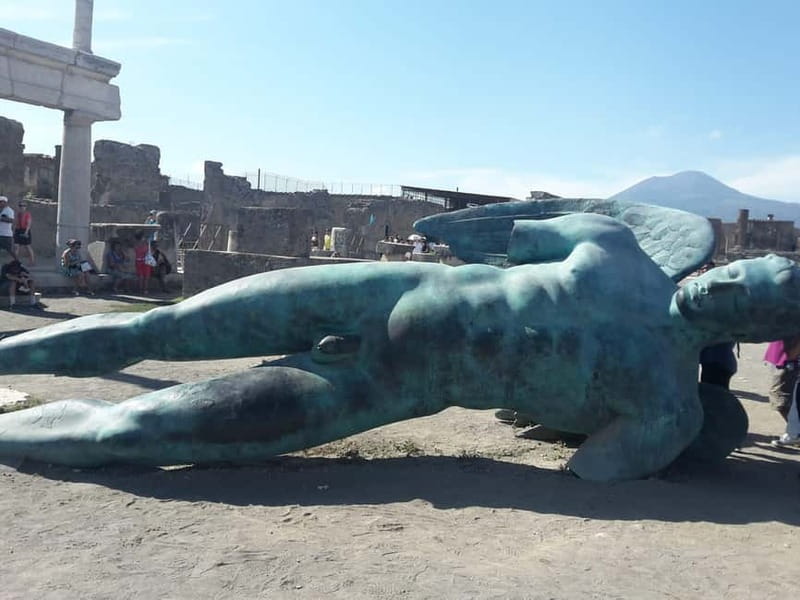
- The Forum: Roman public life in one concentrated place
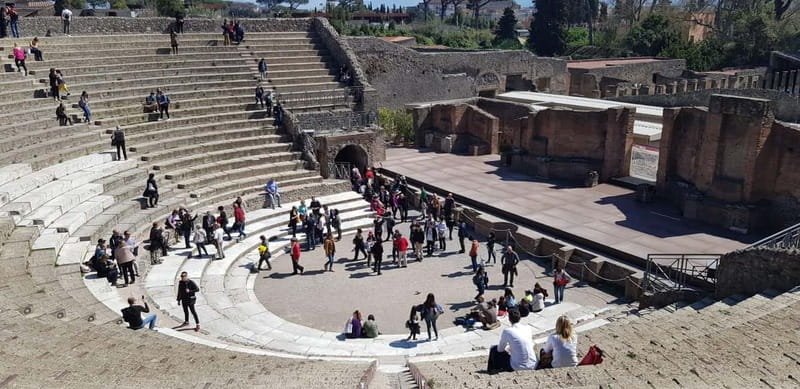
- The amphitheater: where spectacle was the point
- Houses and villas: what wealth looked like
- The plaster casts: the emotion you can’t fake
- Daily life glimpses: baths, bakeries, and shops
- Transfers from Rome: when it’s worth outsourcing the logistics
- Practical on-the-ground tips so the day goes smoothly
- Value and price: why this one can be a bargain
- Who this Pompeii experience is best for
- A quick “should you book?” decision test
- FAQ
- How long is the Pompeii experience?
- Do I need to book a guided tour, or can I use audio instead?
- Is round-trip transportation from Rome included?
- Where does the tour start and end?
- What languages are available for the host or guide?
- Is hotel pickup included?
- Does the tour run in bad weather?
- What if I’m late to the meeting point?
- Is this experience suitable for wheelchair users?
- Are there limits on what I can bring?
Key things to know before you book
- Guide-led or audio-paced visits let you pick the learning style that fits your day
- Forum and amphitheater are big anchors, so you get the famous highlights without guessing
- House of the Vettii, Villa of the Mysteries, and plaster casts cover everything from wealth to tragedy
- Round-trip Rome transfers can make this a smoother day trip for couples and solo travelers
- Rain or shine means you plan for weather, not schedule changes
Pompeii’s main “wow” moment: what you’re actually seeing
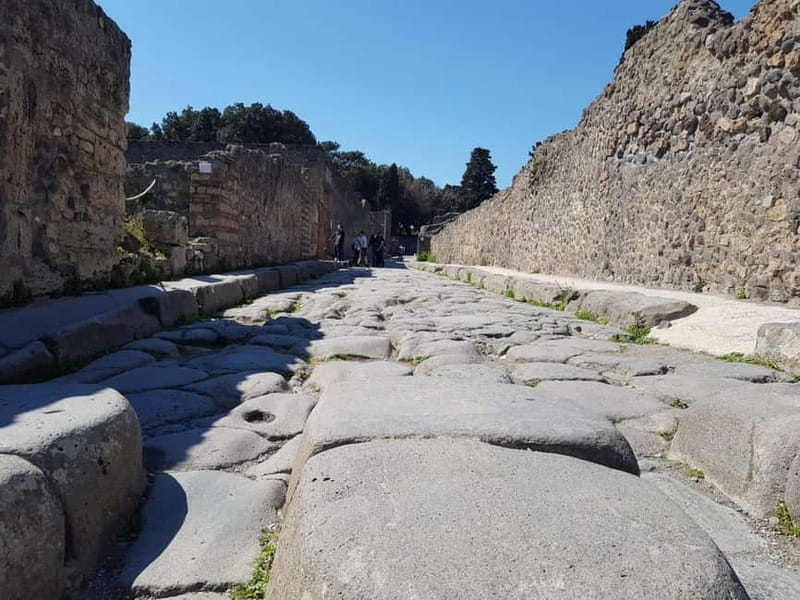
Pompeii isn’t a museum you wander through. It’s a real city, and the buildings are frozen where life stopped in 79 AD when Mount Vesuvius erupted. That’s why even a short visit hits hard: you’re standing in the same spaces where people lived, argued, ate, worked, and worshiped.
What I like about this ticket style is that it comes with structure. You’ll get access to Pompeii Archaeological Park, and then (depending on the option you choose) you’ll either have a guide to connect the dots or an audio guide that helps you read the site as you move.
The result is that you don’t just see columns and streets. You start to recognize how a Roman city was laid out—public life in the forum, entertainment at the amphitheater, and private wealth in the homes with frescoes and mosaics.
You can also read our reviews of more tours and experiences in Rome.



Guide vs audio: choose the pace that fits your brain
The biggest decision here is simple: a guided tour or an audio guide.
If you pick the guide option, you’re buying more than narration. A good guide turns Pompeii’s maze of streets into a story with cause-and-effect. You’ll hear context about the eruption and about daily life before it, plus you’ll get help noticing details you might miss on your own—things like the tone of a space, the purpose of a building, and how different areas connected.
If you pick audio, you’re choosing freedom. You can linger when something catches your attention—say, a doorway, a painted wall, or a particular room—without the pressure to keep up with a group pace. Audio works well when you like self-directed exploration and you’re comfortable using cues like signs and numbered stops.
A practical note: the tour is designed around not being late. So even if you choose audio, you’ll want to treat this like a timed day where you arrive on schedule, get your bearings fast, and then follow the planned flow.
The Pompeii route that makes the day feel complete
The experience is built around core Pompeii sights, not random wandering. You’ll see major public spaces and also the more intimate places that show everyday life.
Here are the anchors you can expect to hit during a typical visit:
The Forum: Roman public life in one concentrated place
The forum is the heart of political and social activity. It’s where public decisions were made and where people would have gathered. Standing there, it’s easier to understand why Pompeii feels so human: this wasn’t a silent ruin, it was built for crowds and conversation.
The forum also helps you understand scale. Once you grasp the forum’s role, the rest of the city makes more sense—the amphitheater isn’t just entertainment, it’s part of a culture with rituals and routines.
The amphitheater: where spectacle was the point
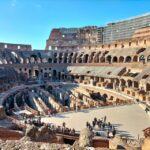
Next, you’ll get to the amphitheater, the place where gladiators fought. Even if you don’t love combat, this space helps you picture mass entertainment in the Roman world.
The amphitheater is one of those stops where the architecture does the storytelling. Seating patterns, sightlines, and the building’s shape all support what the space was made for.






Houses and villas: what wealth looked like
This is where Pompeii gets visually addictive. You’ll get stops at major residential highlights like the House of the Vettii and the Villa of the Mysteries.
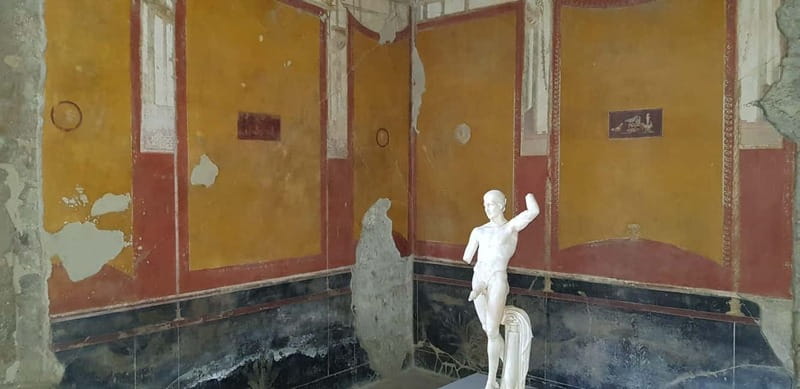
- In wealthy homes, you can spot the style of the era through frescoes and mosaics. These aren’t just decorations; they show what people valued and how they wanted visitors to feel.
- The Villa of the Mysteries is especially compelling because it gives you a sense that private spaces had their own “theater”—symbolism and storytelling painted into rooms.
If you’re the type who likes to connect art to daily behavior, these home stops are where the day really clicks.
The plaster casts: the emotion you can’t fake
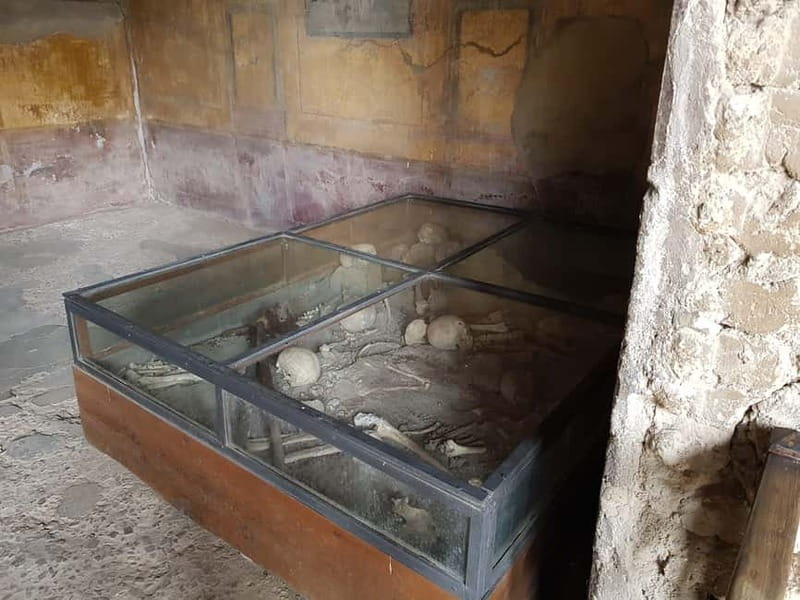
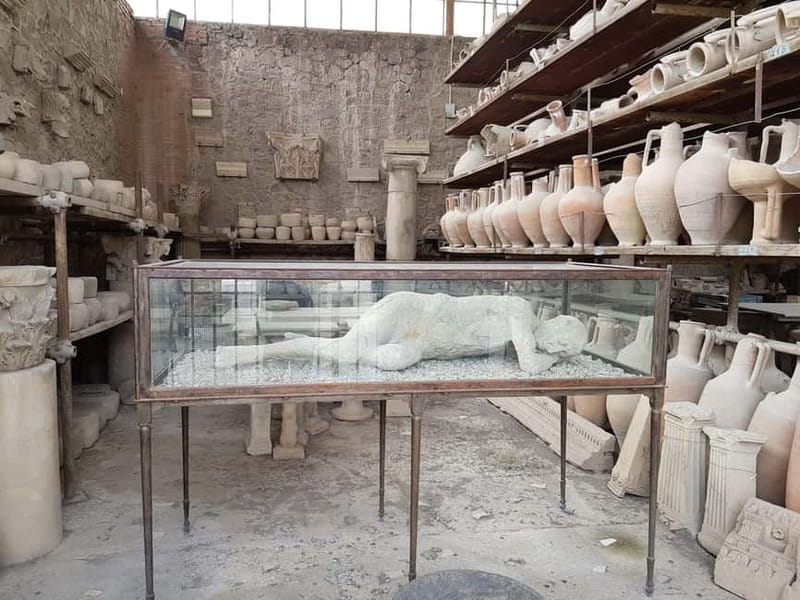
Then there are the plaster casts—the heartbreaking impressions of people caught in the eruption. This part changes the tone of the visit, and it should. After seeing street corners and homes, these casts force a hard, direct reminder: this was not a natural disaster that happened far away. It happened to real people right there.
This stop is one of the most frequently highlighted features because it doesn’t let Pompeii stay abstract. It turns history into something you can’t shrug off.
Daily life glimpses: baths, bakeries, and shops
Along the way, you’ll also see areas connected with baths, bakeries, and shops. These details matter because they fill in the gaps between the “big monuments” and what people did every day.
That mix—public life, private life, and routine needs—is why Pompeii doesn’t feel like a single attraction. It feels like a full city snapshot.
Transfers from Rome: when it’s worth outsourcing the logistics
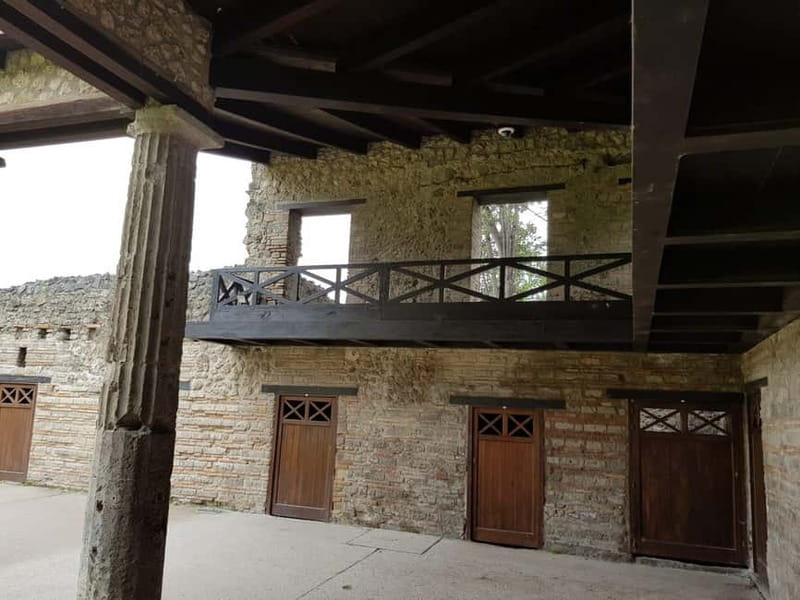
If you choose the option with transportation, this is set up for an easy day trip from Rome. You get round-trip transfers and you travel comfortably by bus or train through the Italian countryside.
Why does this matter? Because Pompeii is popular. The site is easier when you’re not spending your energy figuring out last-mile connections, ticket kiosks, and timing. Transport also helps you stay on schedule—especially when the tour won’t wait for latecomers.
The trade-off is that you’re then following a group rhythm. You don’t decide every minute. But if you’re going for maximum Pompeii time with minimum hassle, transfers usually win.
Duration is flexible on the schedule side. The experience can range from about 2 to 12 hours, depending on the starting times available. So when you book, check the specific time slot you’re signing up for and match it to your energy level.
Practical on-the-ground tips so the day goes smoothly
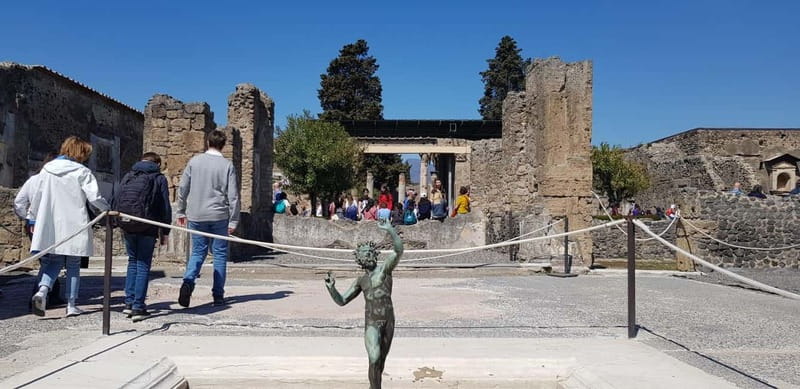
Pompeii is outdoor, uneven, and full of steps. Even if your focus is history, your body still has to do the work.
Here’s what I’d plan for, based on how this experience is run:
- Go light on luggage. Oversize luggage and large bags aren’t allowed. Pack small.
- Don’t count on in-vehicle food. Food and drinks aren’t allowed in the vehicle, so plan your eating around breaks on site.
- Arrive early. The tour won’t wait for latecomers. Meeting points can vary by option, so confirm your exact location before you leave.
- Bring rain gear. Tours run rain or shine unless officials close the monument for safety reasons.
Also keep expectations realistic about mobility. This experience isn’t suitable for wheelchair users, and mobility impairments are a mismatch with how the park is accessed.
Value and price: why this one can be a bargain
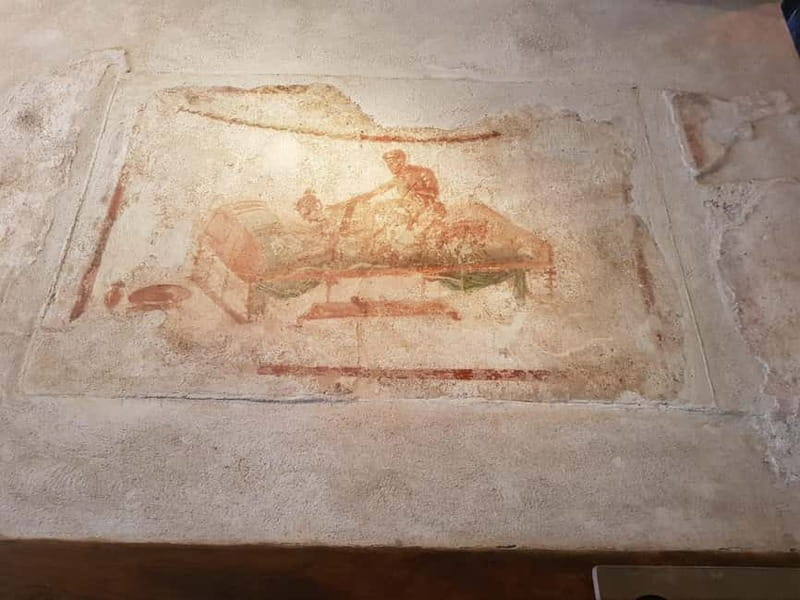
The listed price here is $5.55 per person. That figure is shockingly low for something tied to entry, and it’s often why people are tempted. But the real value depends on which option you pick.
If you choose the version that includes a guide, you’re paying for time and expertise on top of entry. A guided walk can be worth it because Pompeii can be overwhelming at first glance. The guide helps you make sense of what you’re seeing fast.
If you pick the audio guide, you’re trading some human context for independence. Audio can still add huge value by pointing you at what matters in each spot, so you don’t just roam randomly.
If you choose round-trip transfers, you’re paying for convenience. In Rome, convenience has a real cost, especially when you factor in time, fatigue, and the risk of getting behind schedule.
Overall, the best value angle here is that you’re not forced into one style. You can tailor the experience—guide for context, audio for pace, transfers for ease.
And the quality signal is strong: the experience has a 4.1 rating from 57 reviews, with praise commonly tied to smooth transport, friendly help, and how engaging the visit feels in the moment.
Who this Pompeii experience is best for
This setup tends to work for different travel styles, for a few clear reasons.
Couples usually like it because it pairs iconic sights with time to look around. You’re not stuck in a classroom—though a guide can be extremely helpful—so you can still enjoy the views and the “wow” moments together.
Solo explorers also tend to do well. Pompeii can be intimidating to navigate alone, and the organized entry + on-site guidance (or audio structure) reduces decision fatigue.
Families can be a good match if you choose the right format. A guide can keep the story moving and help kids connect the dots between the ruins and real people. Audio works too, but it’s better if your kids are comfortable listening and walking.
If you want the day to be educational, emotional, and not chaotic, this is a smart way to do it.
If you need wheelchair access or step-free routing, this probably isn’t your best fit.
A quick “should you book?” decision test
Book it if:
- You want Pompeii highlights like the forum, amphitheater, major homes, and the plaster casts without planning every turn.
- You like the idea of learning through a guide or through structured audio stops.
- You’d rather spend your energy on the ruins than on navigating transportation from Rome.
Skip it (or rethink) if:
- You have mobility limitations that make uneven walking hard.
- You’re the type who needs the tour to wait while you arrive late—this one won’t.
If your ideal Pompeii day includes a bit of guidance and a clear route through the biggest emotional and architectural stops, this is the kind of day trip that earns its place on a Rome itinerary.
FAQ
How long is the Pompeii experience?
The duration can range from about 2 to 12 hours, depending on the starting time available.
Do I need to book a guided tour, or can I use audio instead?
You can choose either a guided tour option or an audio guide option. Audio is available in English.
Is round-trip transportation from Rome included?
It’s included if you select the option with transfers from Rome. Otherwise, you make your own way to Pompeii.
Where does the tour start and end?
The meeting point can vary based on what option you booked, and the activity ends back at the meeting point.
What languages are available for the host or guide?
The host or greeter language options include English, French, Spanish, and German.
Is hotel pickup included?
No hotel pickup and drop-off is included.
Does the tour run in bad weather?
Yes, tours generally run rain or shine unless officials close the monument for safety reasons.
What if I’m late to the meeting point?
The tour will not wait for latecomers.
Is this experience suitable for wheelchair users?
No. It’s not suitable for wheelchair users and not suitable for people with mobility impairments.
Are there limits on what I can bring?
Oversize luggage and large bags aren’t allowed, and alcohol and drugs aren’t allowed. Food and drinks also aren’t allowed in the vehicle.