REVIEW · PARIS
Paris: Rodin Museum Ticket & Optional Digital AudioGuide App
Book on GetYourGuide →Operated by Global Tours And Tickets · Bookable on GetYourGuide
Rodin feels bigger than life here. I love that you can study Rodin’s most famous works in full detail while soaking in the Hôtel Biron setting. I also love the simple freedom to take your own photos in the museum and garden areas, which makes it feel more like your own art day than a strict tour. Add the digital audio guide app, and you can slow down where you want and speed up where you don’t.
One thing to plan for: this is self-guided with a digital app that’s not run by the museum, so museum staff can’t help you if the audio guide link or content doesn’t work. Also, the audio experience may miss some outdoor garden context, so keep your expectations realistic and use your eyes outside.
In This Review
- Key things I’d put on your radar
- Rodin at the Hôtel Biron: what makes the setting matter
- Ticket value for about $23: what’s covered and what’s on you
- A practical 1-day game plan (since there’s no guided route)
- Entering the museum: what to do the moment you walk in
- The Thinker and The Gates of Hell: how to see the detail people miss
- Early plasters and later works: watching Rodin’s process in real time
- Camille Claudel’s connection: why her presence adds depth
- Garden time and photo rules: making the outdoor part worth it
- The digital audio guide app: languages, setup, and limits
- Practical tips that save time and frustration
- Who this Rodin museum visit is best for
- Should you book this Rodin Museum ticket and digital audio guide?
Key things I’d put on your radar
- Hôtel Biron as the backdrop: Rodin’s former 18th-century home and studio changes how his sculpture feels.
- Photo freedom: you can take pictures in both the museum and garden areas.
- Self-guided pace: you decide how long to linger with over 6,000 sculptures on view.
- Iconic anchors: The Thinker and The Gates of Hell are front-and-center.
- Early plasters to late works: watch how the style shifts from start to finish.
- Audio guide limits: it’s an independent service, and it may not cover every garden stop.
Rodin at the Hôtel Biron: what makes the setting matter
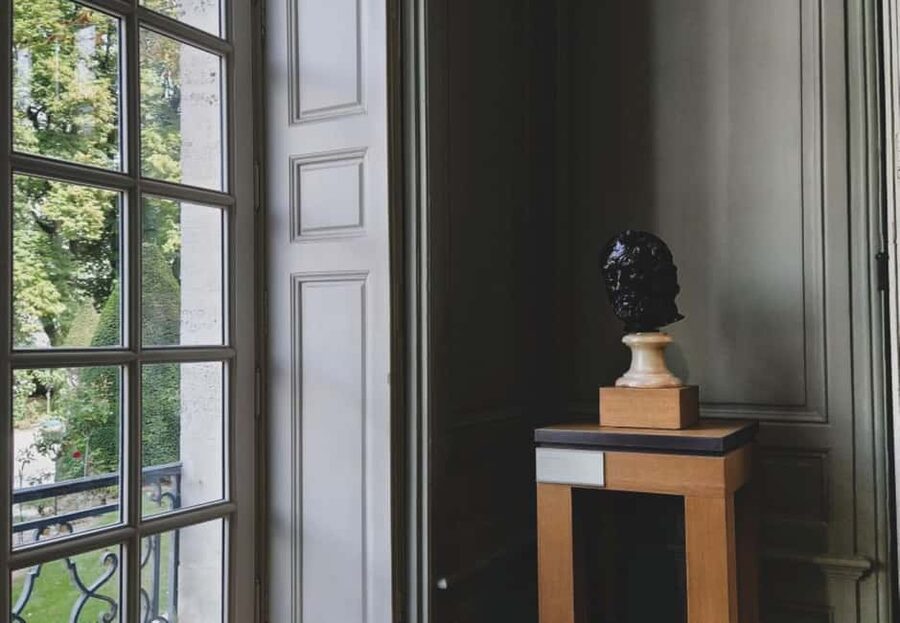
The Musée Rodin experience isn’t just about famous sculptures. It’s also about where they live. The museum is housed in Hôtel Biron, Rodin’s former 18th-century home and studio. That matters because you’re not walking through a blank gallery box. You’re moving through rooms that feel built for making art, with garden space that matches Rodin’s working rhythm.
This layout encourages a specific kind of visiting. You’ll want to pause often. Not because someone tells you to, but because the building invites you to look closer: a sculpture isn’t floating by itself. It’s surrounded by architectural details, light, and sightlines that make scale and texture easier to judge.
And since this visit is self-guided, you can build your own pattern. Some people will sprint to the headlines and then come back. Others will do the opposite and live in the details first. Either way, the Hôtel Biron setting gives you a natural reason to slow down.
You can also read our reviews of more tours and experiences in Paris.



Ticket value for about $23: what’s covered and what’s on you
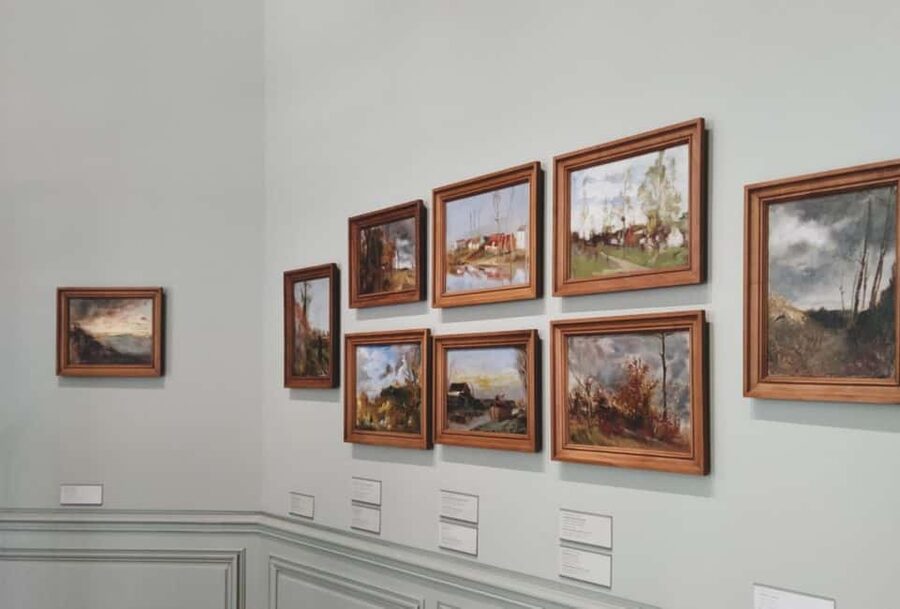
For the price you’re paying, you mainly get two things: admission to Paris Musée Rodin and access to a digital audio guide app. That’s a good deal if you like art history explanations, because Rodin’s work can reward careful looking.
What’s not included is equally important. Earphones/headphones are not included, so bring your own. Also, the audio guide isn’t described as covering temporary exhibitions. If you’re hoping the app will give you strong guidance for every special display, it might not.
Here’s how I think about value for this kind of museum day. Rodin is the sort of artist where the difference between a quick look and a meaningful one is often context: what you’re seeing, why it’s interesting, and how Rodin approached forms. The digital audio guide is there to supply that context in a language you can follow. But it only works if you’re ready with a charged smartphone and headphones.
If you’re a careful planner, you’ll probably feel like you got your money’s worth quickly. If you show up with low battery and no earphones, the experience will be less smooth than it should be.
A practical 1-day game plan (since there’s no guided route)
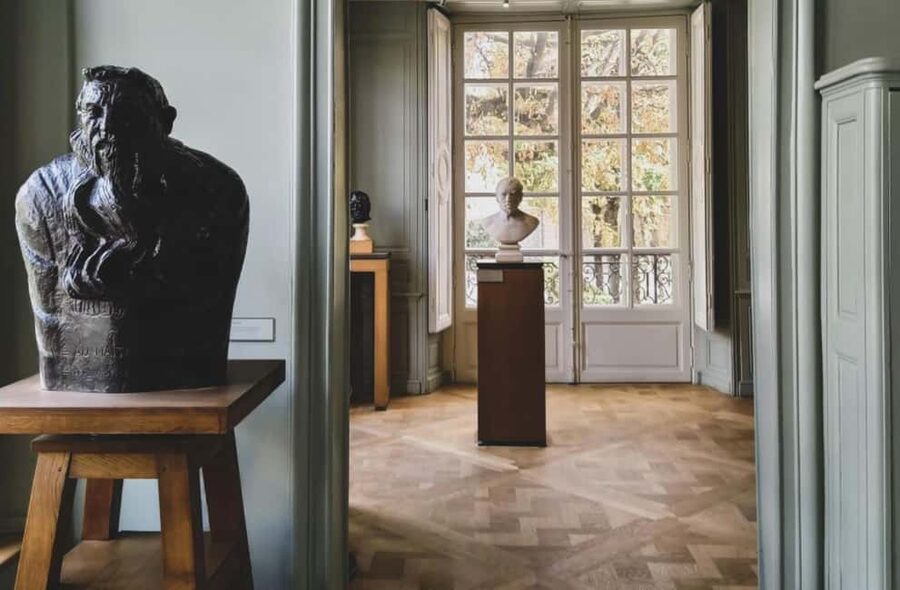
This ticket is valid for 1 day. Once you enter, you stay inside—no leaving and coming back with the same ticket. That means you should treat the visit like one continuous block, not a “pop in for 20 minutes and escape for coffee” situation.
Your best approach is to arrive with a simple structure:
- Start with the iconic sculptures first, so you know you’re hitting the big targets.
- Then shift to the deeper materials and development stages—especially the early plasters and later works.
- Finish with the garden, where Rodin’s forms and silhouettes keep changing as you move.
Timing matters. The museum is open Tuesday to Sunday from 10:00 AM to 6:30 PM. Last entry is 5:45 PM, and rooms close at 6:15 PM. If you want time to actually look (not just walk), plan to be inside well before late afternoon.
Since there’s no meeting point, you go straight to the address: Musée Rodin, 77 Rue de Varenne, 75007 Paris, France. You’re basically walking in under your own steam, with your phone ready and your eyes open.
Entering the museum: what to do the moment you walk in

When you get inside, your goal is to get comfortable with what you’re looking at fast. Rodin’s sculpture can feel “obvious” from photos, but up close you notice things like the surface transitions and the way parts seem to grow out of each other.
Before you even settle into the first room, do two quick things:
- Make sure your headphones work and your phone is charged enough to last through the day.
- Pull up the audio guide link so you’re not fumbling later.
One more key point: this is self-guided, and the digital audio guide is an independent service. Museum staff can’t assist you with it. If the app isn’t loading, you’ll need to contact the provider directly.
Once you’re rolling, let the museum guide your pacing. The collection includes over 6,000 sculptures displayed across the Hôtel Biron rooms and garden areas. That number is large enough that you’ll get more satisfaction if you “choose your themes” instead of trying to see everything.
The Thinker and The Gates of Hell: how to see the detail people miss
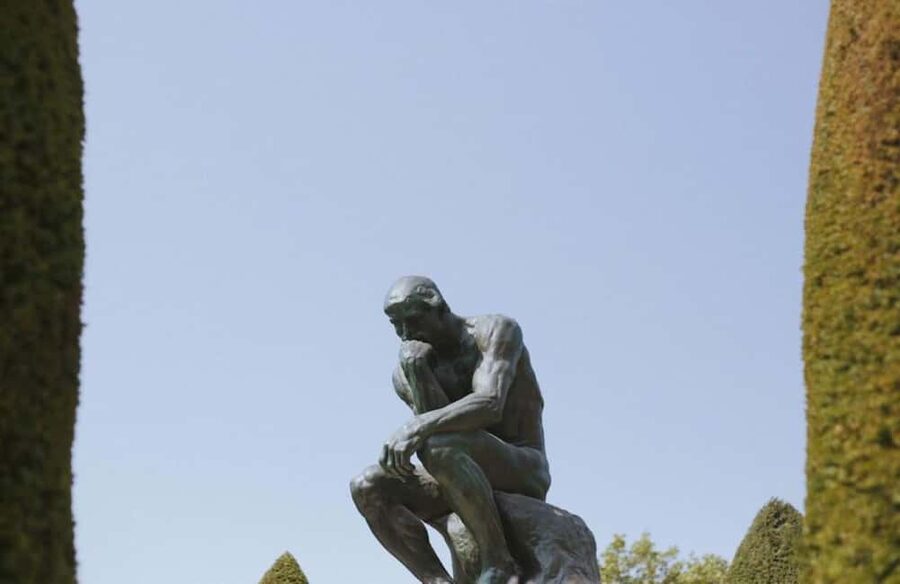
Rodin’s best-known works are called iconic for a reason. The Thinker is one of those pieces where even when you think you know it, the proportions and facial tension land differently in person. The same goes for The Gates of Hell, which can feel abstract in photos. Here, you can follow the movement and density of forms more clearly.
How to get the most out of these highlights:
- Stand close enough to see how the surface changes, not just the overall silhouette.
- Walk to different angles rather than treating the sculpture like a single-photo subject.
- Spend longer than you think. Rodin rewards patience.
This is also where the audio guide helps most. The app is described as offering in-depth narratives on artworks, personal anecdotes about Rodin, and commentary on technique and historical context. That’s useful because it helps you interpret what you’re seeing instead of just “recognizing” it.
If you’re the type who usually skips labels, this is a good time to stop. Even short explanations can reframe your attention: what looks rough might actually be part of a finished idea, and what looks unfinished might be intentionally staged.






Early plasters and later works: watching Rodin’s process in real time
One of the strongest parts of the Musée Rodin visit is the chance to see early plasters alongside later works. That’s not a small detail—it’s the difference between seeing the final outcome and understanding how Rodin got there.
Early plasters reveal an artistic start. You can often sense the thinking inside the form: the questions Rodin was working through, how he refined gesture, and how he built up and revised ideas in a physical way. Then, when you move into later pieces, you can compare what changed and what stayed consistent in his approach.
If you like process, this is where you’ll feel the museum pays off. Rodin’s modern reputation makes him sound like an instant innovator, but seeing development materials helps you understand innovation as work—repeated, tested, and sharpened.
You can use the audio guide to connect the dots. The app’s commentary on technique and historical context is meant to support this kind of comparison. If you prefer slow looking without constant narration, use the audio guide as a “spotlight” when you reach something that interests you most.
Camille Claudel’s connection: why her presence adds depth
Rodin didn’t work in isolation. The museum includes pieces by his muse and protégé, Camille Claudel. Having her work present changes how you read Rodin’s world. Instead of seeing only Rodin’s genius as a solo story, you see a creative relationship with its own emotional and artistic weight.
This matters because Claudel’s inclusion adds another layer to the “why” behind the sculpture. You’re not just tracking a single career arc. You’re noticing how ideas move through people—how influence and mentorship can show up in shape, mood, and subject matter.
In a self-guided museum, it’s easy to let one artist dominate your mental space. With Claudel included, you’re more likely to notice shifts in tone and emphasis, and you may leave with a clearer picture of Rodin’s working environment.
If you’re short on time, don’t automatically skip the sections that feel less famous than The Thinker. This is exactly where the museum can surprise you, because Claudel’s presence gives context to what Rodin created around him.
Garden time and photo rules: making the outdoor part worth it
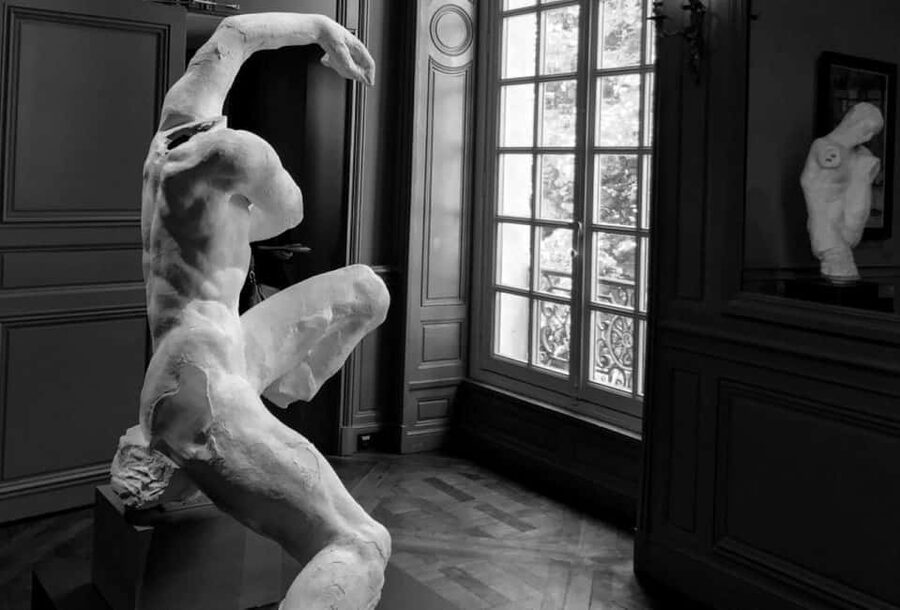
The museum grounds include garden areas, and one of the nicest surprises here is that you can take your own photos freely in both the museum and garden areas. That’s a big practical advantage. You’re not stuck waiting for a permission moment or hoping your phone magically captures what your eyes are seeing.
Plan to include outdoor time, even if you think you’ll “only be inside for the big sculptures.” In the garden, the way shadows move can change how forms read. Rodin’s work often plays with tension and rhythm, and outdoors those rhythms feel less like a museum exhibit and more like sculpture living in space.
One caution from real-life audio use: the digital audio experience may not cover every outdoor stop. So if you want a guided narrative in the garden, don’t assume you’ll get it. Use the audio guide for what it covers well in the indoor rooms, then treat the garden as your own visual walk.
A charged smartphone also helps here, because you’ll want enough battery for photos and any last audio notes you pull up near the end.
The digital audio guide app: languages, setup, and limits
This is a downloadable digital audio guide app, available in many languages, including English, German, French, Italian, Japanese, Spanish, Chinese, Korean, Dutch, Portuguese, Hindi, Arabic. That list is long enough that most visitors can work in a language they actually understand.
Access is through a link. The link is sent a day before your visit and also appears on your GetYourGuide voucher. Because this isn’t an official museum audio guide, museum staff can’t help you with the app.
That independence is the main trade-off. It means the experience can be great when everything works. But if your link doesn’t load or your phone battery is low, you’ll need to handle it on your side. Keep it simple:
- Bring your own earphones/headphones.
- Make sure your phone is charged.
- Start the audio guide early, not after your first highlight.
Also, the audio guide is said to provide detailed artwork narratives and context, but it may not include information about temporary exhibitions. So if there’s a special installation on the day you go, treat it as a bonus rather than a guaranteed audio-supported tour stop.
Practical tips that save time and frustration
Because this is self-guided, small details matter more than you might think.
First, plan around the no re-entry rule. Once you go in, you can’t leave and re-enter with the same ticket. That means you should decide in advance whether you need a snack run. If you do, do it before you enter.
Second, check your day and timing. The museum is closed Mondays, plus it’s closed May 1, January 1, and December 25. If you’re traveling and trying to fit in “one museum day,” pick dates with these closures in mind.
Third, remember the age and ID rules. Visitors under 18 and EU residents under 26 can enter for free with a valid ID. Children must be accompanied by an adult, and unaccompanied minors are not allowed.
Finally, keep your expectations aligned with the format. This isn’t an in-person guide. It’s you plus a digital app. If you like independent travel—quick decisions, your own pace—this will feel like a win.
Who this Rodin museum visit is best for
I’d recommend this experience if you’re:
- A sculpture fan who wants to see surface detail and form changes up close.
- The type who likes museums at your own pace, not in a rush.
- A photographer (or just a phone person) who wants to capture the work in both rooms and gardens.
You might want to think twice if:
- You strongly prefer human interpretation and dislike independent audio formats.
- You’re going to rely on the audio guide for everything in every outdoor area, because the garden coverage may be incomplete.
- You forget headphones. The museum provides nothing here for audio listening.
If you’re on a tight schedule, the ticket gives you a full day window to move at a reasonable pace. And because the collection includes over 6,000 sculptures, you’ll likely appreciate having some audio context to keep you from feeling lost.
Should you book this Rodin Museum ticket and digital audio guide?
Yes, I think it’s a solid booking—especially if you’re comfortable with a self-guided museum day. The value comes from three practical wins: you get admission, you get a detailed digital audio guide in many languages, and you can take photos throughout the museum and garden areas. That combination makes the experience feel flexible, not rushed.
Book it if you’re aiming for thoughtful looking at The Thinker, The Gates of Hell, and the development from early plasters to later works. Skip or reconsider if you need staff help with the audio guide, or if you expect the app to perfectly cover every garden nook and every temporary exhibit.
If you go in with a charged phone and your own headphones, you’ll be set for a strong, artsy day in Paris.