REVIEW · MILAN
Milan Walking Tour with Audioguide on Your Smartphone
Book on Viator →Operated by TouringBee · Bookable on Viator
Milan can feel like sensory overload. This self-guided smartphone audio tour helps you pace the day with clear stops, plus offline maps when phone signal gets flaky. I liked the well-written narration by a professional historian that keeps moving without rambling. One real drawback: navigation between stops can be a little fiddly in crowds or light rain, so you’ll want to pre-check your setup before you start.
You’ll cover a smart mix of Milan icons and quieter art corners in about 2.5 hours, all at your own pace. The route ends right back where you begin, which makes planning simple. You do need your own headphones, and entrance tickets are not included, so some highlights are more about looking and learning from the outside unless you book sites separately.
In This Review
- Key Highlights You’ll Actually Feel on This Walk
- How the TouringBee Milan Audio Walk Works (No Human Guide)
- Piazza del Duomo: Getting Oriented in Milan’s Center
- Duomo Cathedral: What to Watch For
- Royal Palace + Galleria Vittorio Emanuele II: Power, Style, and Glass
- Leonardo da Vinci in Piazza della Scala: Art, Science, and a Quick Photo Stop
- La Scala and the Nearby Museum Stops: Music Meets Masterpieces
- Poldi Pezzoli Museum: A More Personal Art Experience
- Grand Hotel et de Milan: History With a Pulse
- Museo Bagatti Valsecchi: A Renaissance Revival House
- Pinacoteca di Brera: Big Names, Strong Displays
- Santa Maria del Carmine Frescoes and Sforza Castle: One “Wow” Then Another
- Sforza Castle: Size, Views, and a Museum Core
- Garibaldi Monument, the Stock Exchange, and Roman Remains in the Same Day
- Palazzo Litta and Santa Maria delle Grazie: The Finish Strong
- Price and Value: Why This $8.33 Walk Can Be a Smart Deal
- Practical Tips to Make This Tour Feel Easy
- Who This Walking Tour Fits Best
- Should You Book This Milan Audioguide Walk?
- FAQ
- How long is the Milan walking tour?
- Is it offered in English?
- Is this tour guided by a person?
- Do I need to bring headphones?
- Do I need internet connection during the walk?
- Where do I start, and where does the tour end?
- What’s included in the audio experience?
- Are entrance tickets included?
- Do I need to pick a specific time slot?
- Can I cancel for a full refund?
Key Highlights You’ll Actually Feel on This Walk
- Offline route map on your phone to reduce stress when you’re stuck in foot traffic
- 24 audio recordings narrated by a professional historian for concise, scene-setting context
- Clear stop-by-stop pacing so you don’t wander aimlessly or skip the important details
- A landmark ID approach with illustrations to help you spot what the audio is pointing at
- A long reach for content: you get 1 year of access in your chosen language
- Support when tech fails: the operator has been responsive when people got stuck setting up the app
How the TouringBee Milan Audio Walk Works (No Human Guide)
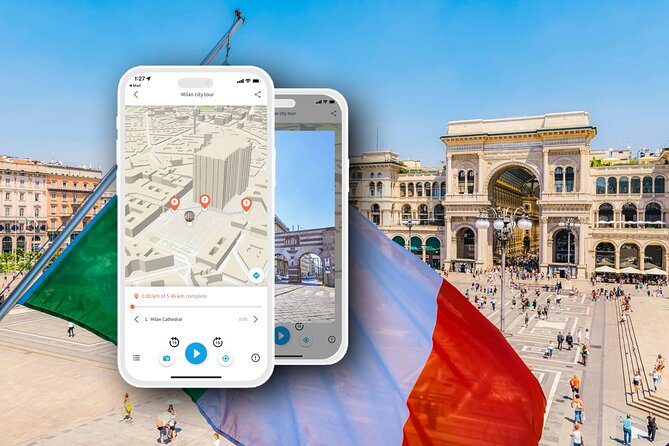
This is a true self-guided experience. You download the TouringBee app (iPhone or Android), activate your purchase, and follow the route using the on-screen map. There is no human guide—just audio, instructions, and GPS help.
What I like about this setup is the flexibility. The audio guide is available anytime, and the date/time shown at checkout are only approximate. That means you can start when the crowds look manageable, not when a guide blows a whistle.
You’ll also want to treat this like a mini tech mission. Bring your phone fully charged, download the tour data before you leave your hotel if possible, and pack your own headphones—smartphones and headphones aren’t included.
You can also read our reviews of more tours and experiences in Milan.


Piazza del Duomo: Getting Oriented in Milan’s Center

Your walk starts in Piazza del Duomo, the city’s main square and a natural place to “reset” your sense of direction. From here, Milan Cathedral (Duomo di Milano) is the big visual anchor, and the surrounding streets feel like the city’s living hub.
The audio at this point does two useful things. First, it helps you look deliberately at what you’re seeing—Gothic façade details, statues, and the overall scale. Second, it gives you nearby context so you understand why this square is such a magnet for locals and visitors.
Duomo Cathedral: What to Watch For
At the cathedral stop, you’re guided to pay attention to the exterior decoration, then what you can expect inside: soaring ceilings and stained glass. If you’re the type who likes a payoff view, the rooftop focus matters too, since the audio points you toward panoramic angles and close-up views of the spires.
Keep one practical note in mind: entrance fees are not included. You can still appreciate a lot from the outside, but if you want to go inside or access the rooftop, plan on buying tickets separately.
Royal Palace + Galleria Vittorio Emanuele II: Power, Style, and Glass

After Duomo, the route shifts into an art-and-architecture stretch that feels very “Milan.” The Royal Palace of Milan stop frames the building as a historic cultural center—grand halls and elegant rooms tied to Milanese nobility.
What’s useful here is the way the audio balances story and practical sightline cues. Even if you don’t have time to wander deeply inside every room, you’ll know what you’re looking at and why the space matters.
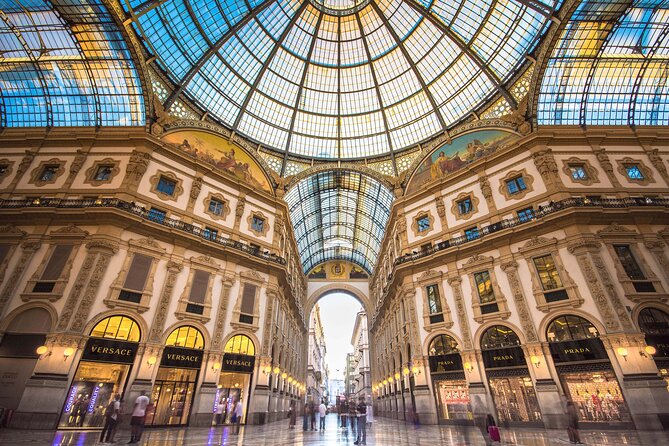
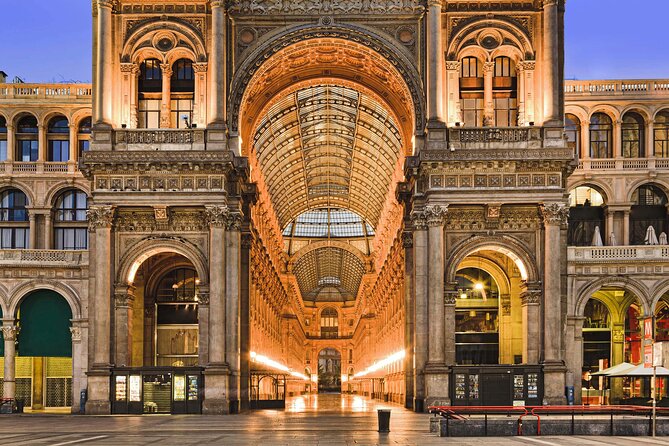
Then you land in Galleria Vittorio Emanuele II, the famous 19th-century shopping arcade under a dramatic glass dome. This is one of those places where the building itself is the attraction. Expect guidance on the mosaic details and the overall architecture, not just retail browsing.
Again, entrances are your call. You can enjoy the arcade’s look and layout without paying anything, but if you plan to go into museums or paid spaces along the way, remember the tour price doesn’t include those tickets.
Leonardo da Vinci in Piazza della Scala: Art, Science, and a Quick Photo Stop
The next landmark is the Monument to Leonardo da Vinci in Piazza della Scala. The statue composition—Leonardo with disciples—makes a strong “idea museum” moment without requiring you to stand in a long line.
This stop works well inside a walking tour because it’s a short reset. You listen, you look at the sculpted details, and you move on.
Also, it’s placed in a helpful position near the theater district. If your feet are getting tired, this is a gentle moment: short, meaningful, and easy to photograph from multiple angles.


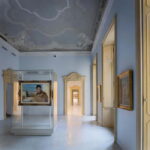

La Scala and the Nearby Museum Stops: Music Meets Masterpieces
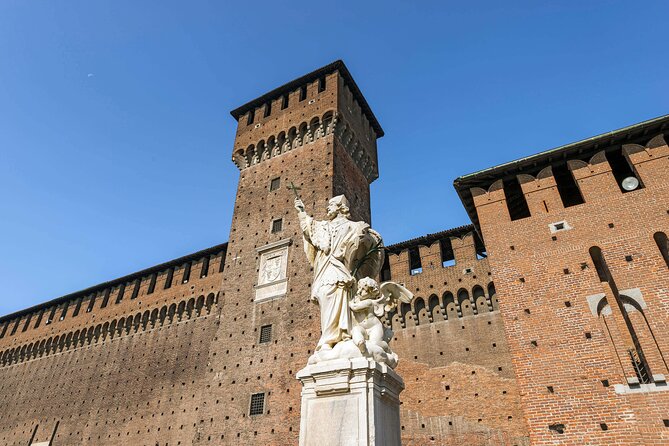
From there you reach La Scala Opera House, Milan’s legendary opera venue. The audio points out the elegant neoclassical façade and then shifts toward what people go for once inside: the opulent interior and the famously good acoustics.
Two practical pointers help here. First, if you don’t have opera tickets, you can still learn a lot from the audio about the venue’s identity and why it holds attention. Second, if you do plan a visit to related spaces, note that entrance tickets are not included in the tour price.
Poldi Pezzoli Museum: A More Personal Art Experience
Next on the route is the Poldi Pezzoli Museum, housed in a historic mansion. Here the audio steers you toward Renaissance and Baroque paintings and decorative arts, plus antique weaponry—an unusual mix that makes the museum feel human, not just academic.
If you like art that’s a bit less like a warehouse, this kind of stop can be the best payoff. You get to slow down and actually look.
Grand Hotel et de Milan: History With a Pulse
The walk then touches Grand Hotel et de Milan, described in the audio as a symbol of elegance. This is less about touring a room and more about understanding Milan’s modern prestige and how famous figures once connected to this address.
It’s also a nice “Milan realism” stop. You get to see how the city’s luxury side sits right next to its art side.
Museo Bagatti Valsecchi: A Renaissance Revival House
The Museo Bagatti Valsecchi is another standout on the route because it’s a home turned museum. The audio highlights restored rooms and decorative objects, so you’re not only looking at paintings—you’re stepping into how a 19th-century aristocratic life might have felt.
This stop rewards you for lingering. If you move too quickly, you’ll miss the atmosphere the audio is trying to get you to notice.
Pinacoteca di Brera: Big Names, Strong Displays
Finally, you reach Pinacoteca di Brera, Milan’s premier art gallery on this walking route. The audio points you toward works by artists like Raphael, Caravaggio, and Titian, plus the quieter extras: a courtyard and a historic library.
If you love paintings, this is your main art “anchor.” But don’t feel pressured to rush. Even if you only catch a few rooms, the audio context helps you understand what you’re seeing.
Santa Maria del Carmine Frescoes and Sforza Castle: One “Wow” Then Another
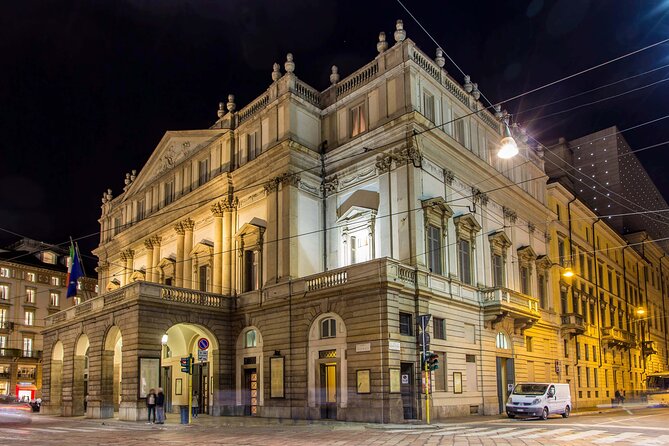
The route continues to Chiesa del Carmine (Santa Maria del Carmine). This is framed as a Renaissance art stop, and the audio specifically flags the famous fresco connection tied to Leonardo da Vinci.
If church interiors are your thing, this is where you’ll feel the tour doing more than pointing. It pushes you to look for the details that make frescoes matter.
Sforza Castle: Size, Views, and a Museum Core
Then comes Sforza Castle, one of Milan’s most iconic fortress structures. The audio encourages you to roam the grounds and take in panoramic city views, plus museum areas with Renaissance art and ancient artifacts.
This stop is a good reminder that Milan isn’t just a museum city. You can feel the scale of history here, not only read about it.
Garibaldi Monument, the Stock Exchange, and Roman Remains in the Same Day
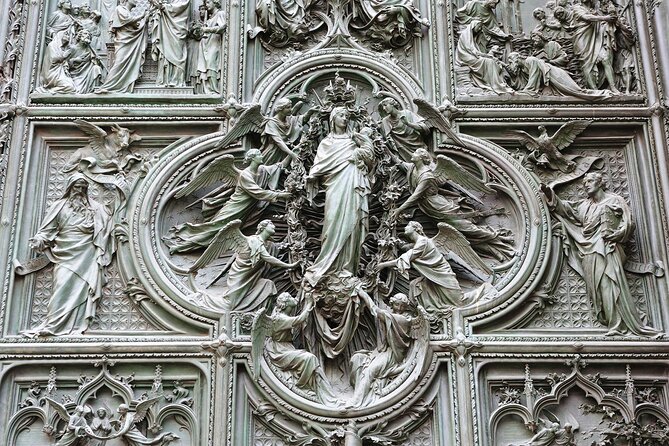
Next up: Monumento a Giuseppe Garibaldi, set in Piazzale Cimitero Monumentale. The audio focuses on the equestrian Garibaldi statue as a symbol of Italian unification, and it’s positioned as a reflective pause amid city movement.
After that, the route hits the Italian Stock Exchange in Palazzo Mezzanotte. This is a modern contrast: architecture tied to finance and a reminder that Milan runs on more than art and fashion.
Then you transition to ancient Roman traces—an imperial palace area with remnants of Roman baths and other structures near the city center. This stop is for history-minded walkers who like seeing layers of time without leaving town.
If you’re not a Roman-museum person, you can still enjoy it as a quick reality check: Milan’s story didn’t start with the Duomo.
Palazzo Litta and Santa Maria delle Grazie: The Finish Strong

The later part of the route brings you to Palazzo Litta, described in the audio as a Baroque masterpiece. You get a sense of its architecture and also learn about art exhibitions and cultural events hosted there.
Then the final major stop is Monastery of Santa Maria delle Grazie, the home of Leonardo da Vinci’s The Last Supper. The audio emphasizes why this site is unforgettable—and it also points you toward planning ahead. Tickets for The Last Supper are something you must book in advance.
That’s the key way this tour ends: with a “don’t treat it casually” landmark. Even if you just position yourself and listen, you’ll arrive with the right frame of mind.
Price and Value: Why This $8.33 Walk Can Be a Smart Deal
At about $8.33 per person for roughly 2 hours 30 minutes of guided content, this is priced like a bargain map plus expert commentary. You’re not paying for a guide’s time. You’re paying for a structured route, professional narration, and navigation help.
The value sweet spot is this: you get 24 historian recordings and an offline map, which means you can learn without needing perfect timing or tickets at every stop. For a city like Milan, where “sightseeing” can become a ticket scramble, that flexibility matters.
The trade-off is also clear. Since entrances aren’t included, you’re not buying a full museum day. You’re buying the ability to understand what you’re looking at, plus the route logic to move efficiently.
Practical Tips to Make This Tour Feel Easy
Here are the things that can make or break a self-guided audio walk like this one.
- Download and activate early so you aren’t fighting with Wi-Fi at the start.
- Bring your own headphones—no exceptions here.
- Use zoom on the app map to see street names if you need extra help, especially in crowded areas or light rain.
- Have a backup if your phone GPS seems off. A second map app can help you confirm you’re heading to the correct landmark.
- Plan for stop-and-listen time. The route is spread across many iconic sights, so build in a relaxed pace rather than sprinting between them.
One useful note from real-world use: the biggest navigation trouble tends to happen around major landmarks (like the Duomo area) when crowds block easy visual cues and the map needs you to zoom in to reveal enough detail.
Who This Walking Tour Fits Best
This tour is a good match if you want control. If you like learning while you walk, don’t mind using your phone, and want a route that hits major Milan landmarks without committing to a live guide schedule, you’ll probably enjoy it.
It’s also a solid option if you’re traveling light. Since the audio guide works with your device and includes offline support, you can move fast between points without constantly looking up addresses.
If you’re the type who prefers face-to-face answers and guided pacing, you might find the lack of a human guide limiting. Still, the narration is designed to keep the experience moving, and support is available when tech setup goes wrong.
Should You Book This Milan Audioguide Walk?
Yes, if you want a structured Milan day that costs little, teaches a lot, and lets you go at your own speed. The combination of 24 historian audio tracks, an offline route map, and landmark illustrations is the real reason this works.
I’d say book it with one caution: bring your own headphones, charge your phone, and expect that navigation can take extra effort in the Duomo core if weather or crowds make the map hard to read. If you’re comfortable using your phone for directions, this is a smart way to see more of Milan for less than the price of a single guided museum hour.
FAQ
How long is the Milan walking tour?
It runs for about 2 hours 30 minutes.
Is it offered in English?
Yes. The tour is offered in English.
Is this tour guided by a person?
No. It is self-guided with an audio guide app and no human guide.
Do I need to bring headphones?
Yes. Smartphones and headphones are not included, so you’ll need your own headphones.
Do I need internet connection during the walk?
The tour includes an offline map with the route for GPS navigation, which helps if your signal is weak.
Where do I start, and where does the tour end?
You start at Piazza del Duomo and the activity ends back at the meeting point.
What’s included in the audio experience?
You get 24 audio recordings narrated by a professional historian, an audio guide app for iPhone and Android, illustrations to identify landmarks, and 1 year access in your preferred language.
Are entrance tickets included?
No. Entrance fees and tickets are not included.
Do I need to pick a specific time slot?
The audio guide is available anytime. The date and time during checkout are approximate.
Can I cancel for a full refund?
Yes, cancellation is free up to 24 hours in advance for a full refund.