REVIEW · LISBON
Lisbon: National Tile Museum E-Ticket & Audio Guide
Book on GetYourGuide →Operated by Clio Muse Tours Portugal · Bookable on GetYourGuide
Tiles with a movie-star grin. I love the Mickey Mouse tile panel and how the audio guide turns Portuguese tile history into short, repeatable stories. I also like the skip-the-line e-ticket that helps you get inside faster. One possible drawback: you’ll need a compatible smartphone and you may want your own headphones to hear everything clearly.
This is a self-guided visit built for your pace. You get an English offline audio guide plus text and maps, and you can spend about 1–2 hours moving through key rooms. The museum is wheelchair accessible and your entry is limited to small-group timing (up to 10 participants), so it stays fairly relaxed.
In This Review
- Key Highlights Worth Booking For
- E-Ticket Entry: Fast Access to Lisbon’s Tile Stories
- How the Offline Audio Guide Works on Your Phone (and What to Bring)
- The Highlights Route: From a 16th-Century Tile to the Dona Leonor Chapel
- A quick timing strategy
- Mickey Mouse, the Diamond Pattern, and Other Panels You’ll Actually Remember
- Mudéjar Patterns and the Dona Leonor Chapel: Where the Museum Becomes More Than Art
- Price and Value: Is $16 Worth It for an Audio-Guided Museum Visit?
- Who This Works For (and Who Might Prefer a Live Guide)
- Should You Book This National Tile Museum Audio Option?
- FAQ
- What is included in the National Tile Museum e-ticket and audio guide option?
- How long does the visit take?
- Is the audio guide available offline?
- Do I need to bring headphones?
- What kinds of phones are compatible?
- Is the museum wheelchair accessible?
- How do children tickets work?
Key Highlights Worth Booking For
- E-ticket entry with skip-the-line service so you’re not stuck waiting at the main door as long
- Offline phone audio + text + maps you can use without roaming
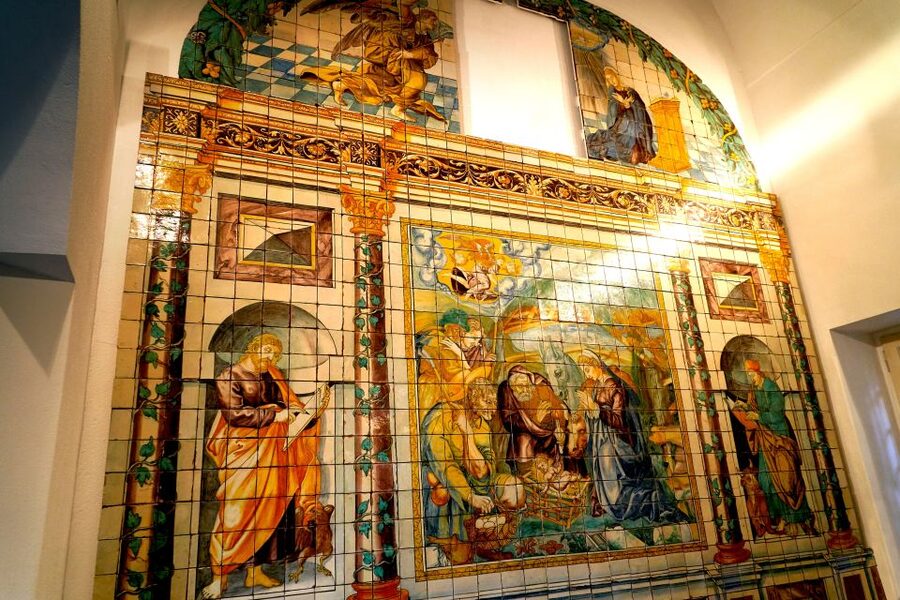
- Iconic panels including the Mickey Mouse panel and a Diamond-patterned panel
- Mudéjar patterned tiles and the Dona Leonor Chapel for truly atmospheric tilework
- A 16th-century tile focus that anchors the museum’s big timeline
- Flexible audio playback (you can repeat sections), with a tip to use the room-advance controls if the order feels confusing
E-Ticket Entry: Fast Access to Lisbon’s Tile Stories
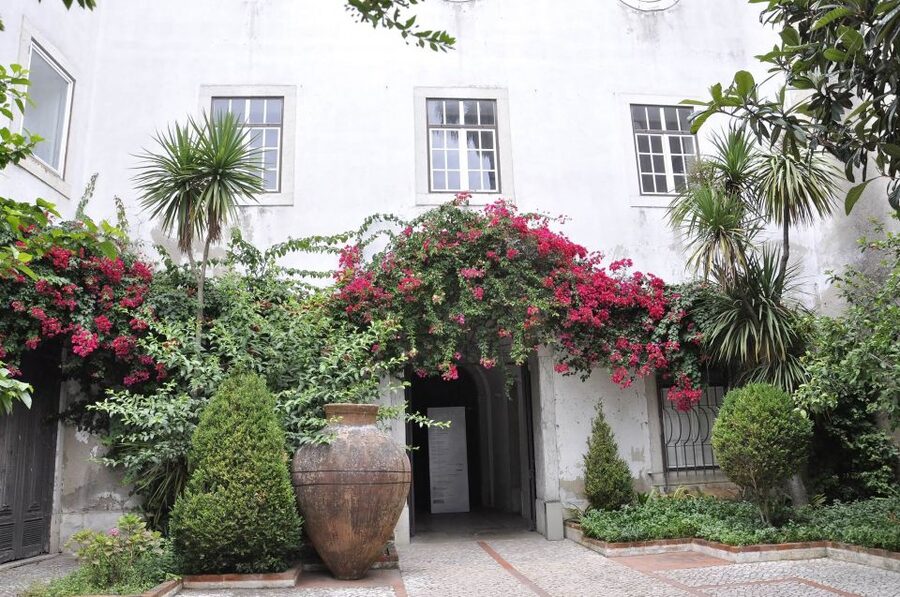
The National Tile Museum experience starts with something practical: your ticket is sent by email, and it’s designed for quick museum entry. Instead of coordinating with a live guide, you show up, follow the onsite flow, and go straight in. That matters in Lisbon, because queues happen at the entrance and you don’t want your schedule eaten alive.
In plain terms, you’re buying yourself time. The visit is listed for 1–2 hours, so you don’t need a whole half-day plan. The museum visit is also wheelchair accessible, which is a big plus if you need step-free movement throughout the space.
A small-group format (limited to 10 participants) is built into this option, which helps the experience feel calmer than some big attraction setups. Still, the visit itself is self-paced, so the group size mainly affects the “when” of entering, not how you experience the tiles once you’re inside.
If you hate fuss, this is a solid fit. You download the app and audio guide content, press play when you’re ready, and you move on.
You can also read our reviews of more tours and experiences in Lisbon.



How the Offline Audio Guide Works on Your Phone (and What to Bring)
This is a smartphone-first visit, with an audio guide in English. After booking, you receive an email with instructions to access and download your audio guide. Make sure you check your spam folder, because that’s where email confirmations sometimes hide.
You’ll want to plan for device needs. You need an Android (version 5.0 and later) or an iOS smartphone. It’s not compatible with Windows Phones, older iPhone models (like iPhone 5/5C or older), older iPod Touch models, or older iPads (including iPad Mini 1st generation). Also, plan for about 100 to 150 MB of storage space on your phone.
Two practical “don’t get stuck” notes:
- Headphones are not included. The audio guide is included, but you’ll need your own headphones or earbuds to listen comfortably.
- The audio guide content is offline, which is great news for a museum where signal can be spotty. You also get offline text and maps, so if you need a pause or a quick reread, you can.
One small caution from real-world use: the audio experience can feel a little out of sequence if you start at the very beginning every time. The fix is simple—look for the ability to advance to the room you’re standing in, so you hear the right description in the right place. When you do that, the stories land better and you feel less like you’re chasing a timeline.
Also, the app is meant to be easy to navigate, and the best part is you can replay sections as many times as you like. If a tile panel makes you stop, you don’t have to rush away to “finish” the tour.
The Highlights Route: From a 16th-Century Tile to the Dona Leonor Chapel

You’re not locked into a rigid itinerary here. The value is that you can create a route that matches your interest level: architecture-first, art-first, or history-first.
Here’s how the museum experience typically plays out once you’re inside, and what to look for as you go:
Start with the anchors. The audio guide is structured to lead you through major exhibits, including a 16th-century tile. Think of this as your baseline: it helps you understand why tiles mattered and how the museum connects medieval and later production to later styles up through more modern times.
Then move into the big storytelling stops. The audio guide doesn’t just describe what you’re seeing. It frames the tile industry as a long-running craft tradition in Portugal, with stories that connect specific rooms and panels to the bigger cultural picture. You’ll hear brief but interesting anecdotes that make the panels feel less like isolated art and more like a living record.
Finally, lean into the chapel moment. The museum route highlights the Dona Leonor Chapel. This is one of those spaces where the tiles feel like they’re doing more than decoration. You’ll likely want to slow down, because chapel tilework tends to reward quiet attention—patterns, borders, and the way light falls on glazed surfaces.
The museum also includes Mudéjar patterned tiles, which are worth seeking out even if your eyes glaze over at the idea of “yet another tile pattern.” Mudéjar tilework is visually distinctive, and the audio helps you connect that look to the story of how Portuguese tile styles evolved.
A quick timing strategy
If you have 60 minutes, focus on: the main icon panels, the Mudéjar section, and the Dona Leonor Chapel. If you have closer to 2 hours, listen to the background stories fully for a couple of key rooms and then skim the rest.
You can absolutely skip sections. The audio guide is built for that kind of flexibility.
Mickey Mouse, the Diamond Pattern, and Other Panels You’ll Actually Remember

Let’s be honest: when you hear National Tile Museum, your brain might picture traditional patterns only. The standout fun part is that the museum includes wildly memorable “wow” panels, including the Mickey Mouse tile panel and a Diamond-patterned panel.
Why does this matter beyond the novelty?
Because it shows you that azulejo tile design isn’t frozen in time. The tiles can reflect changing tastes, symbols, and storytelling goals—even while the craft and production tradition remain deeply rooted.
When you stand in front of these panels, give yourself 30 seconds before pressing play. Look first. Then start the audio and listen for the story behind the panel. It turns a face-on photo moment into something you can talk about later.
One extra benefit: the museum’s walls and displays also provide information if you run into audio hiccups. In one case, the onsite labels were clear enough to still make the visit worthwhile when audio didn’t work as expected. So even if your phone is acting up, you’re not totally stuck.






Mudéjar Patterns and the Dona Leonor Chapel: Where the Museum Becomes More Than Art
If you love pattern, you’ll enjoy the Mudéjar patterned tiles more than you expect. Tiles can be impressive at a distance, but the Mudéjar sections reward close watching: repeating geometric motifs, border work, and the way sections feel “designed” rather than random.
Then there’s the Dona Leonor Chapel, which adds an emotional layer. Chapel spaces come with an intensity—people tend to lower their voices without realizing it. Even on a self-guided visit, the audio guide helps you understand what you’re looking at and why it’s placed there.
Here’s a practical tip: if you tend to get lost in details, use the offline maps and text so you can confirm where you are. The museum layout plus an audio guide can feel like a team game—your job is to stay oriented.
And if you want a break, there’s a courtyard/garden area with tables and chairs near the cafeteria where you can stop and rest. Even short breaks make a museum visit feel longer in a good way, not rushed.
Price and Value: Is $16 Worth It for an Audio-Guided Museum Visit?
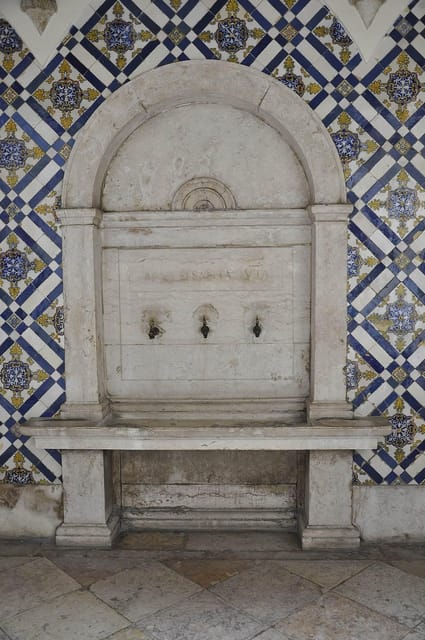
At $16 per person, this option sits in the “easy yes” category if you want a structured visit without the cost of a live guide. The real value isn’t only the entry ticket. It’s the bundle:
- National Tile Museum adult entry
- Skip-the-line service
- Smartphone audio guide in English
- Offline content including text, audio narration, and maps
That combination matters if you’re traveling independently and don’t want to spend time figuring out what’s important. The audio guide is the part that turns a room of tiles into a connected story from Portugal’s medieval past to later periods, up to the modern day.
What’s not included is also important for value. You should budget for your own:
- Headphones (not provided)
- Smartphone (not provided)
If you’re already comfortable using your phone for museum audio and you’re happy paying for convenience, $16 is a fair price for the package. If you hate phone-based experiences or don’t have a compatible device, you might not get the full benefit—though the onsite labels can still help.
Who This Works For (and Who Might Prefer a Live Guide)
This experience is ideal for you if you:
- Love art and want the story behind what you’re seeing
- Like moving at your own pace instead of following a group
- Are comfortable using an offline audio app in a museum
- Want a visit that fits into about 1–2 hours
It’s also a great match for families with kids, since children up to 12 enter free (and you won’t have to hunt down a separate ticket option for them within this setup).
It may be less ideal if you:
- Don’t have a compatible Android or iOS phone for the audio guide
- Prefer a live docent who can answer questions on the spot
- Expect a fully guided route that never changes, because this is self-paced
One small logistics note you’ll appreciate: you book per device, not per participant. So if you’re traveling as a group, plan who will handle the phone audio first.
Should You Book This National Tile Museum Audio Option?
Yes—if you want a smart, low-stress way to see the best-known tile moments in Lisbon with storytelling that keeps you interested without forcing you to stand in one place. The mix of skip-the-line entry and an offline audio guide makes it practical, and the highlights are genuinely memorable: Mickey Mouse, the Diamond pattern, Mudéjar motifs, and the Dona Leonor Chapel.
Book this especially if you like structure but still want freedom. You can replay sections, skip what doesn’t grab you, and focus on what pulls your attention.
Skip it (or be cautious) if you don’t have compatible phone hardware, don’t plan to bring headphones, or you’d rather rely purely on wall labels and a slower visual walk.
If you do book, do one thing before you go: download the audio guide content as instructed, and give your phone a quick check for enough storage. That one prep step turns a smooth museum visit into a stress-free one.
FAQ
What is included in the National Tile Museum e-ticket and audio guide option?
The ticket includes adult entry to the National Tile Museum, skip-the-line service, a smartphone audio guide in English, and offline content (text, audio narration, and maps).
How long does the visit take?
The visit is listed for about 1–2 hours. Exact starting times depend on availability.
Is the audio guide available offline?
Yes. The audio guide content is provided with offline access, along with offline text and maps.
Do I need to bring headphones?
Yes. Headphones are not included, and the activity includes the audio guide for your phone.
What kinds of phones are compatible?
You need an Android (version 5.0 and later) or iOS smartphone. It is not compatible with Windows Phones, older iPhone models (like iPhone 5/5C or older), older iPod Touch (5th generation or older), or older iPads (including iPad 4th generation or older, and iPad Mini 1st generation).
Is the museum wheelchair accessible?
Yes, the museum is wheelchair accessible.
How do children tickets work?
Children up to 12 years old have free entrance. Free or reduced admission tickets do not include skip-the-line privileges and can only be acquired on-site.