REVIEW · MILAN
Milan: City Sightseeing Hop-On Hop-Off Bus with Audio Guide
Book on GetYourGuide →Operated by Sightseeing Experience · Bookable on GetYourGuide
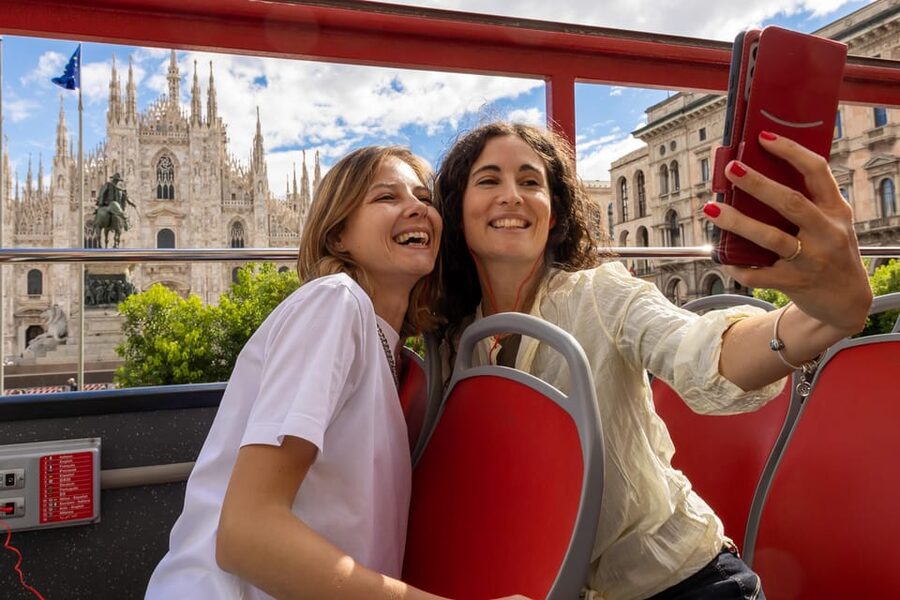
Milan looks different from an open-top seat. This hop-on hop-off bus gives you 4 connected routes and lively audio so you can see the big names and hop off when something grabs you.
I like that the stops line up with Milan’s most useful “anchors” for first-timers: the Duomo area, Sforza Castle/Cenacolo corridor, and the canal-side scene in Navigli. You also get onboard Wi‑Fi, a map, and an audio guide you can follow in multiple languages without needing to keep checking your phone.
One thing to plan for: Milan traffic can slow buses, and audio can occasionally misbehave. If you’re counting on every stop, build in a little wiggle room and keep an ear open for staff help at major stops.
In This Review
- Key highlights that make this bus worth your time
- How the Milan hop-on hop-off bus works: 4 routes, endless “yes, stop here”
- Where to board: Foro Bonaparte for Lines A/C/D and Piazza Duomo for Line B
- Line A: Castello to Duomo to Moscova (the best “first day” storyline)
- Line B: Duomo to Porta Venezia and Stazione Centrale (for rail access and broader city views)
- Line C: Sforza Park to San Siro and the modern north (great when you want more than the postcard center)
- Line D: Cenacolo to Navigli to Brera (art streets and canal evenings)
- Audio guide details: what you learn beyond the buildings
- Timing and how many days you need: 1 day can work, 2 days feels right
- Comfort and practical extras: Wi‑Fi, onboard help, and the real-life Milan commute
- Common hiccups: audio issues, crowded transfers, and finding stops fast
- Price and value check: $26 for coverage that saves you time (and taxis)
- Should you book this Milan hop-on hop-off bus?
- FAQ
- How long is the Milan hop-on hop-off bus ticket valid?
- What buses and stops are included?
- Where is the first stop for each line?
- Is audio guide included, and in which languages?
- What’s included with the ticket besides the bus ride?
- Can I get a refund if my plans change?
Key highlights that make this bus worth your time
- 4 routes, one ticket: mix and match to cover central Milan plus the modern districts and San Siro area
- Duomo, Sforza Castle, and Cenacolo focus: the stops you’ll actually want on Day 1
- Audio in 10 languages: plus a separate children’s track
- Neighborhood hopping: Brera, Navigli, Porta Venezia, and City Life are all built into the loops
- Onboard Wi‑Fi and a map: helpful when you’re planning your next walk
- Sometimes you’ll swap seats/headphones: audio glitches happen, but staff support is on the ground
How the Milan hop-on hop-off bus works: 4 routes, endless “yes, stop here”
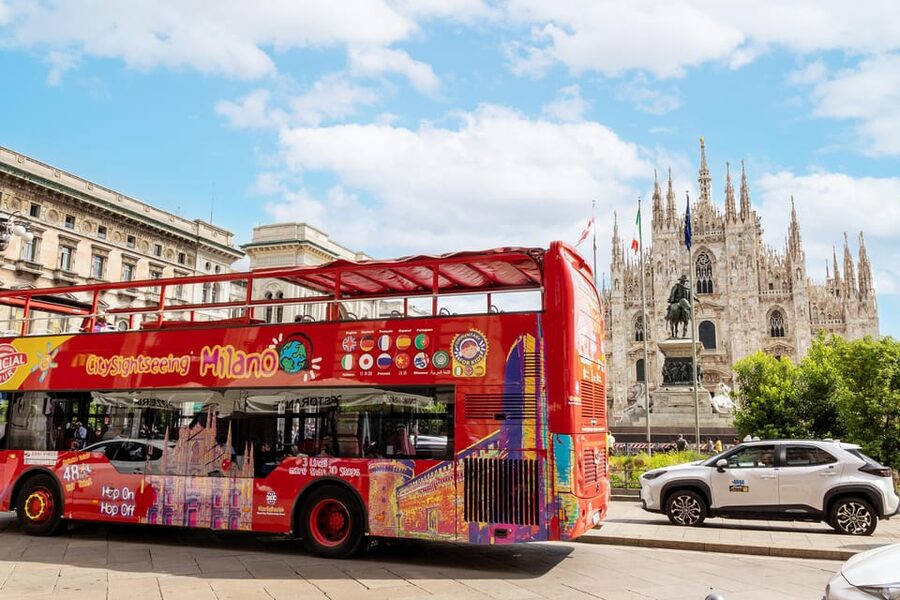
This is an open-top panoramic hop-on hop-off bus system. You don’t ride it like a one-time “sit and look” tour. You ride it like a moving map: get on, follow the audio, jump off to explore, then re-board when you’re ready.
What makes this setup practical is that the ticket connects 4 separate but linking bus loops. In plain terms: you can cover more ground without backtracking across Milan’s busy streets. The routes overlap in the center (especially around Duomo and Monte Napoleone), so you can adjust even if you change your plan on the fly.
Plan to use the bus in two ways:
1) First pass for orientation: see the city layout and decide what needs a second visit.
2) Second pass for time: pick a few neighborhoods, museums, or viewpoints and spend longer there on a later ride.
Also note what’s not included: attraction tickets aren’t part of the bus ticket. The bus gets you close—entry is still usually on you.
You can also read our reviews of more tours and experiences in Milan.


Where to board: Foro Bonaparte for Lines A/C/D and Piazza Duomo for Line B
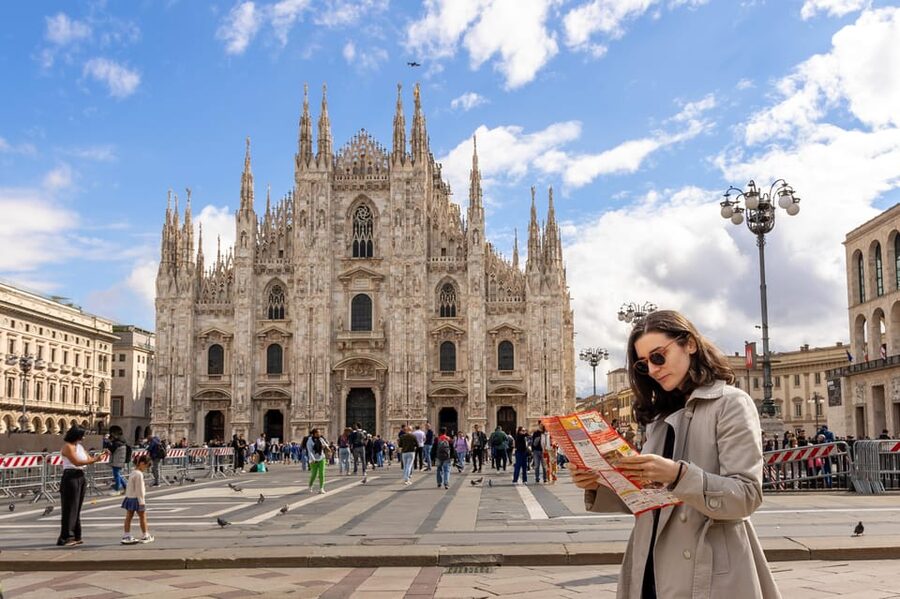
Your meeting point matters more than most people think—because Foro Bonaparte is big and busy. For Lines A, C, and D, your first stop is Foro Bonaparte. For Line B, your first stop is Piazza Duomo.
If you arrive near Duomo, Line B can be the easiest way to start right away. If you’re closer to Foro Bonaparte or you want to begin with Sforza Castle and the west/central corridor, Lines A and C are a clean launch point.
A practical tip: when you’re standing at Foro Bonaparte, don’t waste time trying to match one tiny photo on a sign. Look for the staff presence at the bus stop area and use the map on your phone or the included paper map to confirm you’re at the right place for your line.
Line A: Castello to Duomo to Moscova (the best “first day” storyline)
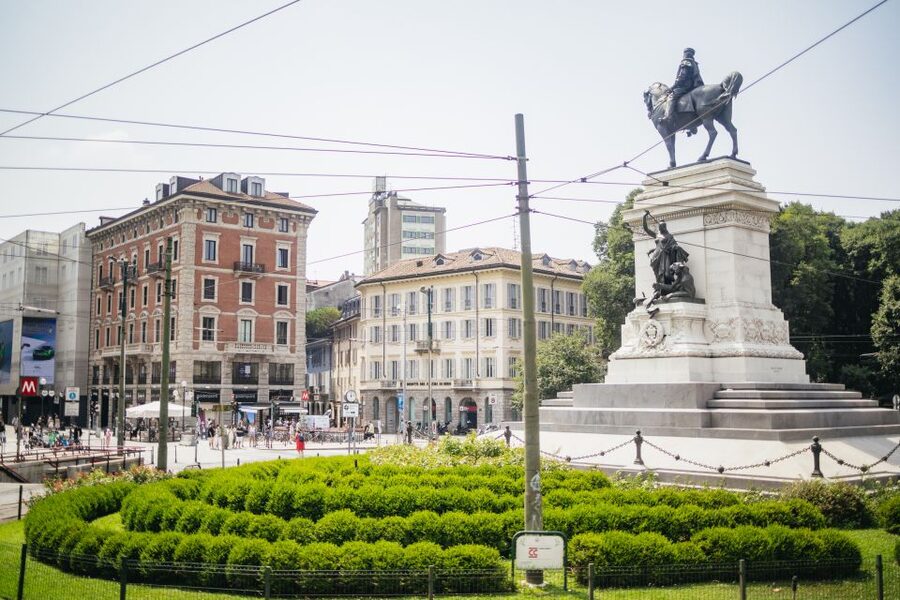
Line A strings together several of Milan’s most recognizable areas, so it’s a strong choice when you want the classics fast.
Here’s the stop-by-stop logic:
- Castello: this is your gateway to Castello Sforzesco—great for photos and a good starting point for exploring on foot.
- Cadorna: a useful stop for reaching central-west streets without walking forever.
- Cenacolo: this is the neighborhood for the famous Last Supper area (the audio also points you toward major landmarks here).
- Corso Magenta: a classic central corridor where you can hop off for shops, side streets, and quick wandering.
- Duomo: you’re right at the heart of the city’s most dramatic views. Even if you don’t go inside, this stop is the one you’ll want for orientation.
- Monte Napoleone: high-end shopping streets nearby make this a good “window-shopping plus architecture” moment.
- Manin: another central pivot point for walking connections.
- Moscova: a nice way to push beyond the strict Duomo core and move toward other central districts.
Line A shines because it ties together the Sforza/Cenacolo zone and Duomo in one ride. If you only have time for one loop, you often end up planning a second one anyway, but this is usually a solid first choice.
Line B: Duomo to Porta Venezia and Stazione Centrale (for rail access and broader city views)
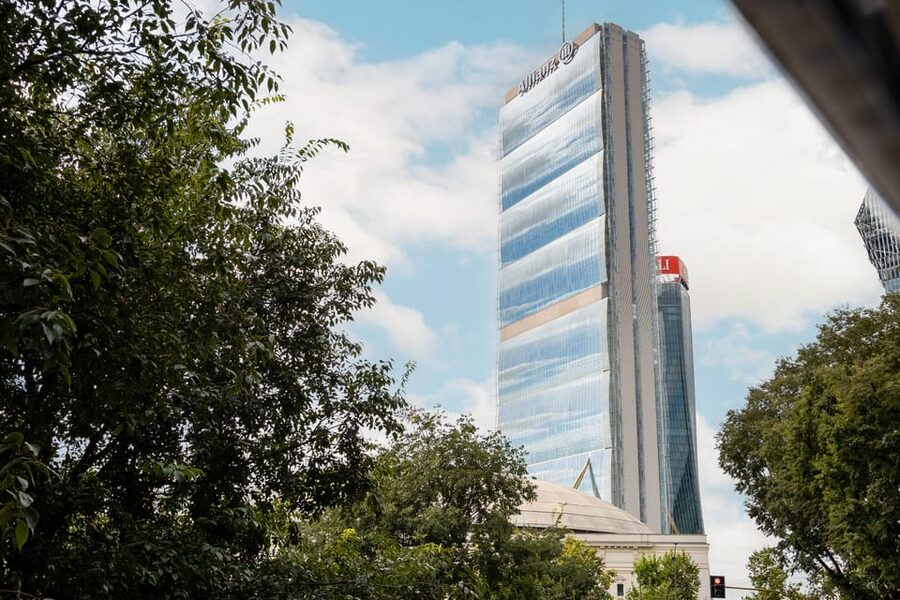
Line B starts at Duomo and spreads out toward major city infrastructure and neighborhoods, so it works well if you’re coming in or out of Milan by train and you want variety without changing your whole plan.
Key stops:
- Duomo: start here if you want the center first.
- Monte Napoleone: the luxury-shopping strip and the “Milan style” energy.
- Manin: a central connector.
- Repubblica: a great area for a break and regrouping.
- Palazzo Lombardia: modern skyline views and a contrast to Milan’s older core.
- Stazione Centrale: one of the biggest practical reasons this line is useful—easy re-boarding and transit connections.
- Buenos Aires: a neighborhood stop that helps you get beyond the tightest tourist pockets.
- Porta Venezia: good for local-feeling streets and architecture you won’t see from the Duomo area alone.
- San Babila: another convenient central location to hop off or back on.
If Duomo is your must-do, you’ll probably keep returning to it. Line B keeps things efficient while pushing you into areas many people skip.
Line C: Sforza Park to San Siro and the modern north (great when you want more than the postcard center)
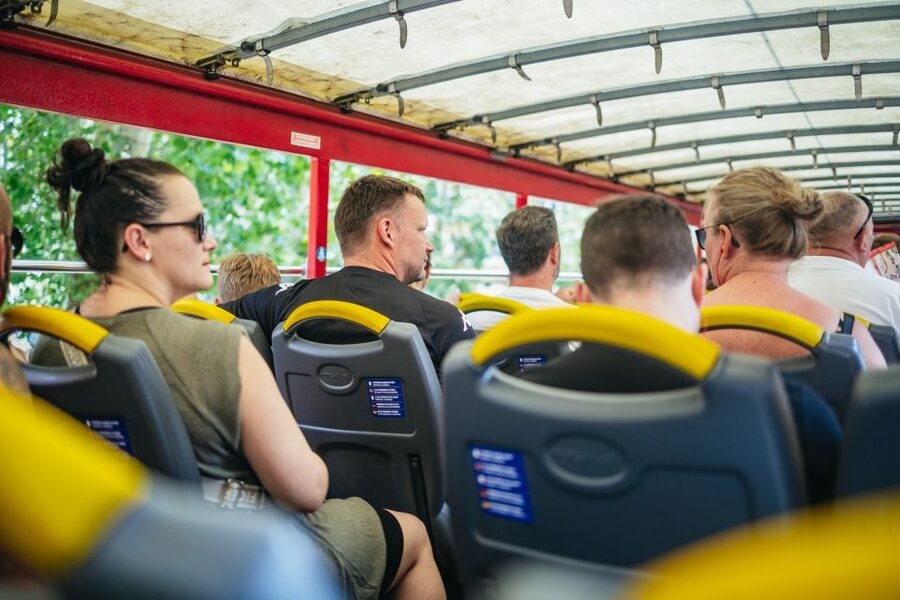
Line C reads like a trip across Milan’s “today” and “sports-and-parks” side, and it also brings you back through classic sights.
Stops that matter most:
- Castello: yes, it repeats—this is good. It lets you re-start without hunting down your original route.
- Triennale: a cultural stop area, useful if you like modern design and museum-type visits.
- Arco della Pace: a bold photo stop and a good marker for walking routes around the park areas.
- City Life: the modern skyline shift—more contemporary architecture, less old-center feel.
- Casa Milan: the football connection for sure. Even if you’re not going inside, it’s a recognizable stop.
- Mico – Congress Centre: modern meeting-center surroundings and a change of pace.
- Lotto – Montebianco: another strategic stop for transit and neighborhood access.
- Lido: a district hop that keeps the loop moving through less tourist-dense blocks.
- Ippodromo: the sports venue area energy begins to show up again.
- Stadio San Siro: the big one. If you want to see San Siro from the outside, this is your main bus entry point.
- Lotto – Monterosa and Buonarroti: handy connectors to get you oriented in the north-west side.
- Pagano: another useful link stop.
- Conciliazione: a re-positioning stop that helps you connect back toward park zones.
- Parco Sempione: one of the best stops to finish with a walk. This is where the city can feel calmer after heavy sights.
Line C is a smart pick if your Milan plan includes San Siro or you want a fuller picture than just Duomo and La Scala area vibes.


Line D: Cenacolo to Navigli to Brera (art streets and canal evenings)
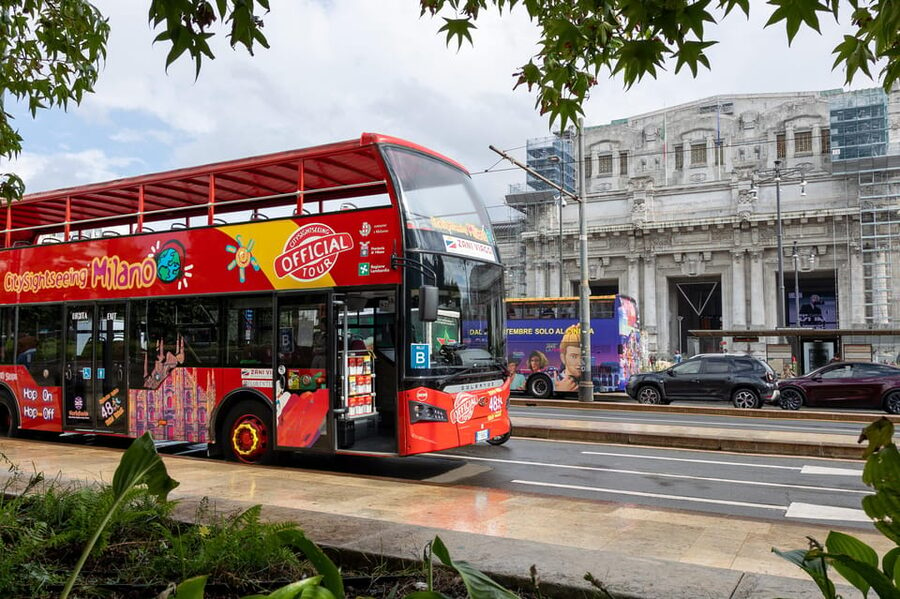
Line D is the loop that adds character. It connects the Cenacolo/Sforza side with Navigli and then continues into the Brera area, which is one of the best neighborhoods in Milan for wandering.
Stops you’ll feel right away:
- Castello: start point for the Sforza side.
- Cadorna: central-west connector.
- Cenacolo: Last Supper area again, helpful if you want time here without repeating the whole day.
- Navigli: the canals. This is one of the most fun stops because it turns your bus ride into an evening plan.
- Piazza XXIV Maggio: a nearby hub that’s handy when you want to explore on foot from the canal area.
- Duomo: the loop brings you back to the center so you can re-group.
- Monte Napoleone: again, a quick hop for fashion streets and photo views.
- Brera: art-gallery streets and classic Milan walking.
If your timing is tight, Line D is often the one I recommend last, because it’s the easiest to turn into a “finale” loop—especially if you want the canal atmosphere and the Brera stroll.
Audio guide details: what you learn beyond the buildings
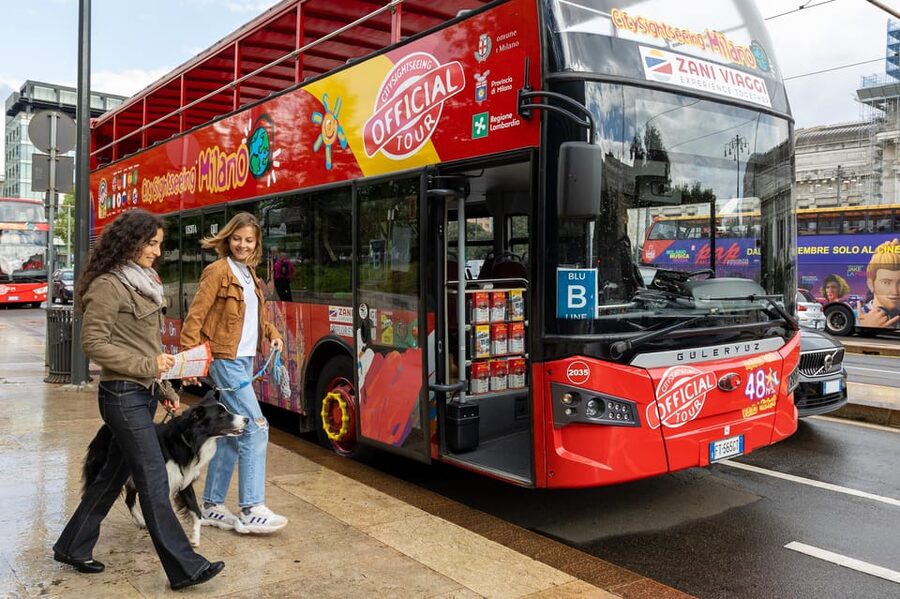
The audio guide is part of the value here. It’s available in 10 languages via the onboard audio system: Spanish, Chinese, English, French, German, Italian, Russian, Portuguese, Japanese, and Arabic. There’s also a special children’s audio commentary.
What I like is that the commentary isn’t only about architecture. It covers Milan’s food culture too, including the recipe for Cotoletta alla Milanese and the history of panettone. It also touches major landmark themes like the Opera House and Castello Sforzesco, which helps you understand why these places matter rather than treating them as checkboxes.
Two practical tips for the audio:
- Bring your attention to the first big landmark you ride past. The audio is most useful when you’re anchored to what you’re seeing outside.
- If you notice audio missing or weak, don’t panic. There are multiple reports of passengers fixing the problem by switching to working headphones or adjusting seats.
Timing and how many days you need: 1 day can work, 2 days feels right
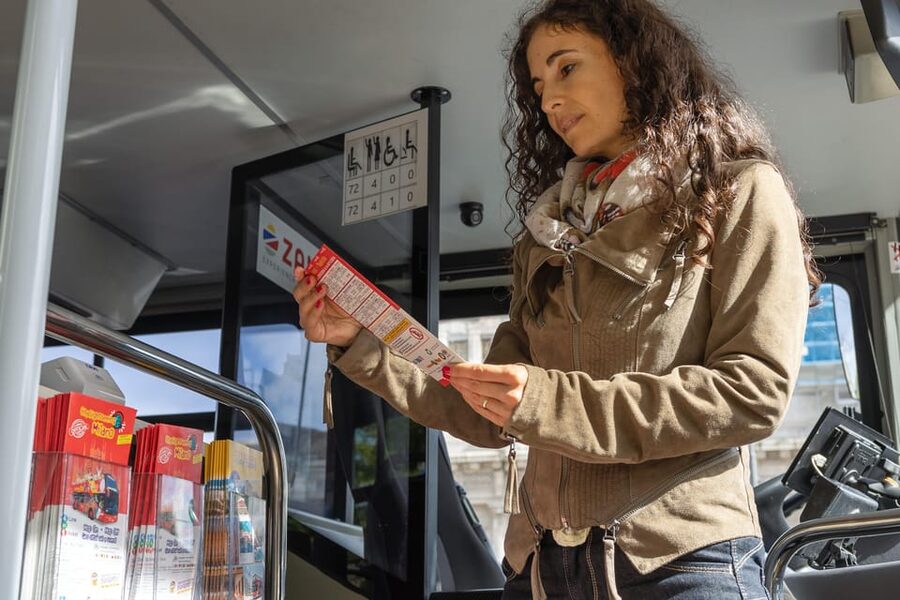
The ticket is designed for 1 to 3 days, and that range matters because hop-on hop-off works best when you stagger your stops.
If you have one full day, go for the loop that matches your priorities:
- Want classics and maximum “wow per minute”? Lean toward Line A (Castello, Cenacolo, Duomo).
- Want Duomo plus broader neighborhoods and train-area convenience? Try Line B.
- Want sports and parks as part of your Milan story? Use Line C.
If you have two days, you can do something smarter:
- Day 1: use one or two lines to cover big landmarks and get your bearings.
- Day 2: return to the neighborhoods that actually grabbed you—Navigli/Brera on Line D is often the payoff.
A few people felt 48 hours was more than they truly needed, while others said two days or more helped them avoid rushing. So here’s my balanced take: if your Milan stay is short, you can make it work in a day, but 2 days tends to turn the ride into a relaxed planning tool instead of a sprint.
Also watch for disruptions during major winter events: the Green Line Stop n. 2 may close during the Winter Olympic period, and on Saturday February 21, Stop Castello can be suspended. If you travel close to those dates, check before you go so you don’t build your plan around a stop that might be unavailable.
Comfort and practical extras: Wi‑Fi, onboard help, and the real-life Milan commute
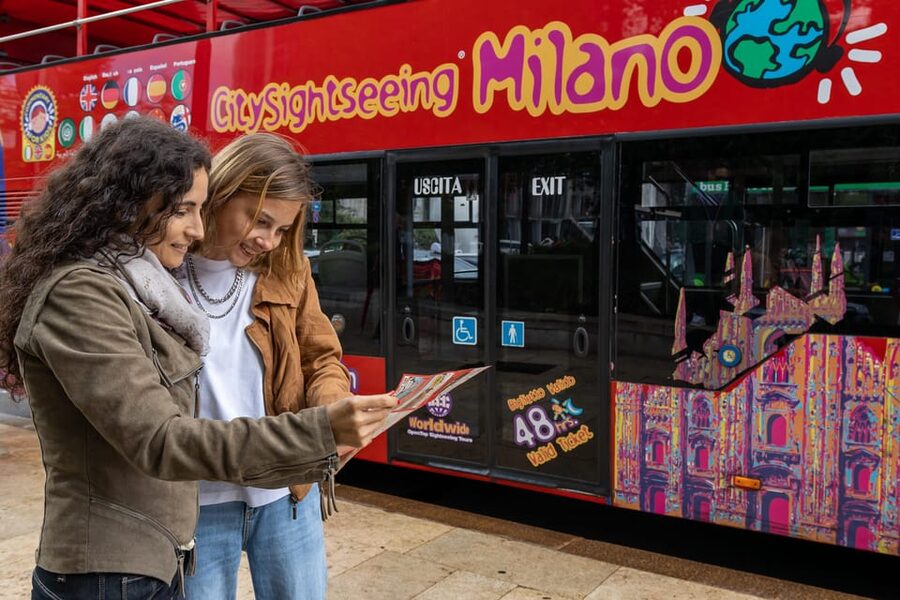
This bus is built for comfort and convenience:
- Wi‑Fi onboard means you can pull up walking directions, look up hours, or map your next hop without burning data.
- A city tour map helps you plan stops without constantly re-checking your phone.
- You’ll have staff presence at major stops, which makes a difference if you’re unsure where you should board next.
The ride itself is panoramic, and the open-top feel can be great for skyline and landmark angles, especially when Milan skies cooperate.
But be honest about the commute reality. Milan traffic is chaotic, and that affects the timing between buses and the time you might spend at transfer points. One of the most useful things you can do is treat this as flexible sightseeing, not a strict timetable for museum entry times.
One more small perk from the real world: a passenger noted water being provided on board, which can feel like a thoughtful bonus on a long sightseeing day.
Common hiccups: audio issues, crowded transfers, and finding stops fast
Most of the experience reads as smooth: frequent buses, easy-to-spot stops, and professional coordination. Still, the weak spots show up in a few patterns.
1) Audio problems
Some passengers reported that headphones or audio plugs didn’t work in certain seats, or that some speakers failed. The fix was usually switching to a working audio unit or moving seats. My advice: keep an eye on your audio early in the ride, not after you’ve already passed your target.
2) Crowds when changing lines
When you transfer, buses can be packed. If you’re traveling with kids or you want a specific kind of seat for views, give yourself extra time at interchange stops.
3) Stop-finding at Foro Bonaparte
Foro Bonaparte is large. If the signage isn’t perfectly obvious, you can lose time searching. Use the included map and aim for the staff area rather than wandering the plaza guessing.
4) Repetition between lines
Some sights overlap, so you might see similar landmark zones across multiple lines. That’s not automatically bad—it’s how the system gives you flexibility—but it can reduce the novelty if you ride every loop nonstop.
Price and value check: $26 for coverage that saves you time (and taxis)
The price listed is about $26 per person, with durations from 1 to 3 days. The real value isn’t just the ticket cost. It’s what you avoid spending:
- walking miles in the heat or cold
- repeated taxi rides across busy streets
- time lost trying to stitch together multiple neighborhoods on foot
You also get more than transportation: multilingual audio, Wi‑Fi, and a map. Plus, there’s a free walking tour in the mobile app in 5 languages, which can turn a bus day into a more satisfying neighborhood walk day.
There are two value caveats:
- Attraction tickets aren’t included, so you still need separate entry for museums or timed sights.
- If you plan to see just one area, you might not need multiple days—one loop can do a lot.
One seasonal perk worth knowing: if you buy the 72-hour weekend rate valid Saturday and Sunday between June and September, the Milan Night Tour is included. If that timing matches your trip, it’s a strong add-on for extending your sightseeing without extra ticket purchases.
Should you book this Milan hop-on hop-off bus?
Book it if you want an easy, low-stress way to cover Milan’s main neighborhoods and landmarks without building a complicated routing plan. It’s especially useful for first-time Milan visits, short trips where you need quick orientation, or anyone who wants to mix sightseeing with breaks in neighborhoods like Navigli and Brera.
Skip it or plan a more focused alternative if:
- you only care about one or two tightly grouped sights and don’t want extra time riding loops, or
- you’re the type who hates any chance of delay from traffic.
My practical “go/no-go” test: if your schedule is short and you want flexibility, this bus is a good buy. If your plan is already locked and everything is walkable for you, you might find a smaller, more targeted plan better fits.
FAQ
How long is the Milan hop-on hop-off bus ticket valid?
The ticket is valid for 1 to 3 days, depending on the option you choose. You’ll want to check availability for your exact dates and starting times.
What buses and stops are included?
Access includes 4 bus lines (Lines A, B, C, and D) with many designated stops across Milan, including Duomo, Castello area, Cenacolo, Navigli, Brera, and Stadio San Siro.
Where is the first stop for each line?
For Lines A, C, and D, the first stop is Foro Bonaparte. For Line B, the first stop is Piazza Duomo.
Is audio guide included, and in which languages?
Yes. The bus includes a multilingual audio guide available in 10 languages (Spanish, Chinese, English, French, German, Italian, Russian, Portuguese, Japanese, Arabic), plus a special audio commentary for children.
What’s included with the ticket besides the bus ride?
The ticket includes onboard Wi‑Fi, a city tour map, and a free walking tour in the mobile app in 5 languages.
Can I get a refund if my plans change?
Yes. There is free cancellation up to 24 hours in advance for a full refund.