REVIEW · MILAN
Milan: Natural History Museum Entry Ticket & Audio Guide
Book on GetYourGuide →Operated by Vox City International · Bookable on GetYourGuide
Forty-plus audio stops make Milan’s past talk. This Natural History Museum visit pairs entry tickets with an easy smartphone audioguide, guiding you through fossils, minerals, plants, and animals in a calm, elegant setting.
I particularly like the way the audio tour is built around short “you are here” moments, so you can keep moving instead of getting stuck reading labels. The biggest trade-off: you need to show up ready with a charged smartphone and your own headphones, since those are not included.
In This Review
- Key things to know before you go
- A beautiful museum setting in Indro Montanelli Gardens
- Entry tickets without the usual hassle
- The phone audio guide: 40+ stops you can follow on your own
- Headphones are required (plan for it)
- What you’ll do inside the museum (a smart 2-hour rhythm)
- 1) Start with the museum’s story
- 2) Paleontology: fossils with context, not just facts
- 3) Mineralogy: formations explained in plain language
- 4) Zoology: diversity you can actually track
- 5) Botany and conservation: why it matters today
- Bonus feel: architecture and garden views
- Price and value: why $12 can be a good deal
- Reliability tips: keeping your visit smooth
- Who this museum audio experience is best for
- Should you book the Milan Natural History Museum audio ticket?
- FAQ
- How long is the Natural History Museum experience?
- What is included in the ticket price?
- Which languages are available for the audio guide?
- Do I need headphones?
- How do I access the e-ticket and audio guide?
- Where is the museum?
Key things to know before you go

- Skip-the-line entry: You use an e-ticket on your phone to get in faster.
- 40+ audio points with a digital map: You can follow a simple route across the museum.
- Multilingual audio guide: English, Italian, and French are included, with German available from 15th April.
- Topic coverage that makes sense: Paleontology, mineralogy, zoology, and botany are all woven into the experience.
- Museum + garden views: You’re visiting a historic building set by the Public Gardens of Milan.
- Self-guided Milan add-on: The included materials also cover a self-guided tour of Milan in the same app.
A beautiful museum setting in Indro Montanelli Gardens
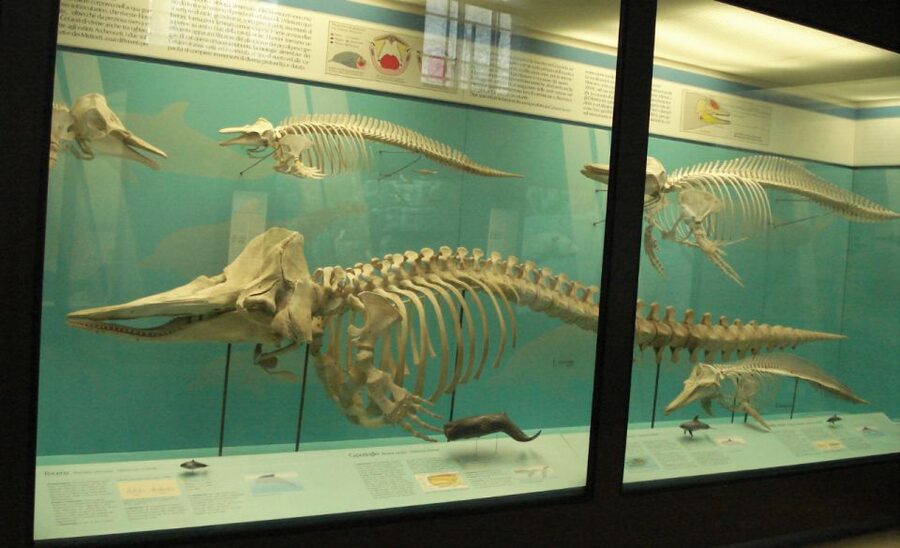
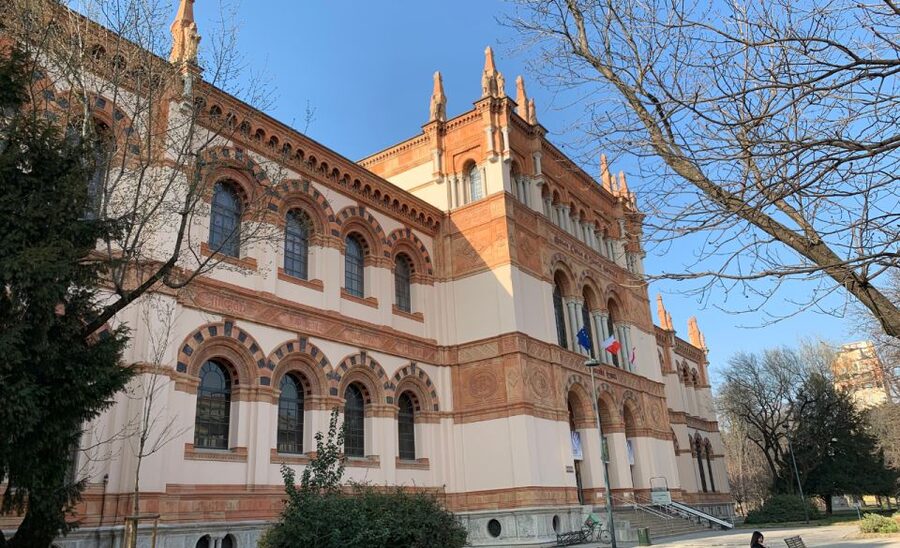
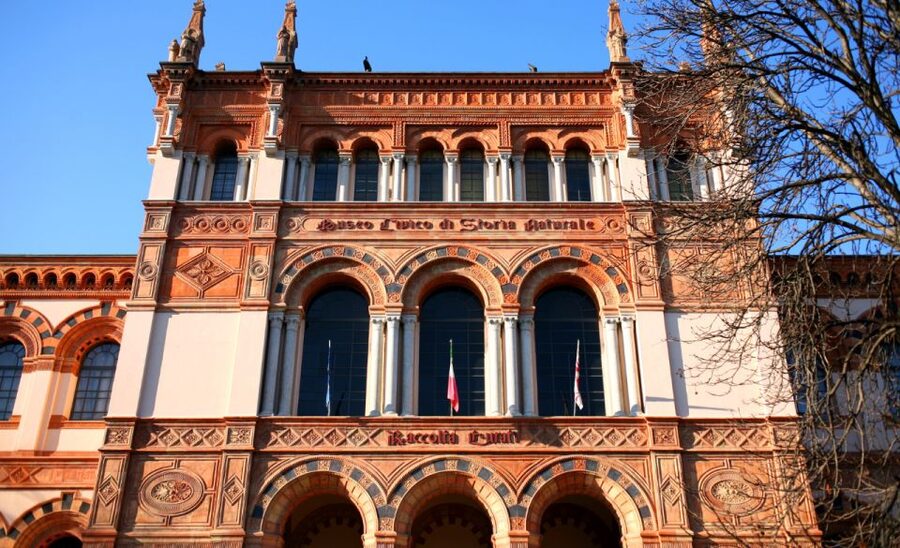
You’re not walking into a random building off a side street. The Natural History Museum sits in Indro Montanelli Gardens, at Corso Venezia 55, so even before you reach the doors you get that “Milan feels calmer here” effect. The museum is housed in a historic structure, and the experience leans into that—architecture and collections share the spotlight.
What I like about this kind of museum visit is that it does not force a lecture-style pace. With the audio guide, you can slow down for the displays that grab you (fossils and minerals tend to be the obvious favorites) and skim the rest without feeling lost. And because the museum’s story runs from its 19th-century foundation to today, it feels less like a static room of objects and more like a timeline you can move through.
You can also read our reviews of more tours and experiences in Milan.


Entry tickets without the usual hassle
This is a straightforward ticketing setup designed for a smooth arrival. You don’t wait in the kind of line that eats your whole afternoon. Instead, you get an e-ticket you show on your mobile device at the venue.
Here’s the practical part that matters: the e-ticket is sent via WhatsApp within 24 hours of your travel date. That means you’ll want to (1) have the right phone number tied to your booking and (2) keep an eye out for the message window so you’re not scrambling the day of your visit.
Once you’re there, entry is based on the e-ticket shown to staff, and the audio guide download is tied to your voucher QR code. In other words, your phone is the key tool for both getting in and getting your audio tour running.
The phone audio guide: 40+ stops you can follow on your own
The heart of the experience is the audio tour on your smartphone. You’ll get 40+ audio points (more than enough to keep a 2-hour visit interesting) plus a digital map to help you navigate the halls.
This matters because Natural History Museums can feel like a maze if you’re just wandering. The audio points act like signposts. Instead of staring at a wall of labels, you follow a sequence of stories. That’s especially useful when you’re moving between big categories such as:
- paleontology (fossils and deep time)
- mineralogy (how minerals form and what they reveal)
- zoology (animals and life’s diversity)
- botany (plants and the role they play in ecosystems)
The guide also frames the museum’s mission in a way that’s easy to absorb: evolutionary stories, scientific understanding, and the role of conservation efforts. You don’t need a science degree to enjoy it—you just need a working phone, the audio loaded, and a willingness to let the stories guide your route.
Headphones are required (plan for it)
Headphones are not included. So treat this like any other smartphone audio situation: bring your own. If you show up with no headphones, you may still be inside the museum, but you’ll lose the point of the experience.
I also recommend bringing a power bank if your phone battery runs down fast. You’re using maps, audio, and a camera/QR function, all on one device.
What you’ll do inside the museum (a smart 2-hour rhythm)

The experience is designed for about 2 hours, which is a sweet spot. Long enough to see the major themes, short enough that you won’t feel exhausted by the end.
Here’s a helpful way to think about your route once you’re inside:





1) Start with the museum’s story
The audio guide begins by helping you understand how this institution fits into the bigger picture. It covers the museum’s foundation in the 19th century and brings you through to the present. That “then to now” framing helps you interpret what you’re looking at. Fossils and specimens don’t just sit there; they connect to how science has evolved and how museums preserve evidence for future study.
2) Paleontology: fossils with context, not just facts
When the audio shifts into paleontology, you’ll get evolutionary stories and the kind of context that makes fossils feel like more than cool objects. The goal isn’t to memorize dates. It’s to understand how deep time and environmental change shaped the life you’re seeing represented in the exhibits.
If you like dramatic visuals—bones, shells, or large specimens—this is usually where people slow down most. I suggest you give yourself space here instead of trying to race to the next gallery.
3) Mineralogy: formations explained in plain language
Minerals can feel intimidating in a museum setting if you’re only reading labels. The audio guide helps translate what you’re seeing into stories about mineral formation and what certain structures can tell you.
Even if minerals aren’t your main interest, mineral rooms often have a unique visual rhythm: patterns, colors, and textures that invite a slower look. Use the audio points to time your pauses.
4) Zoology: diversity you can actually track
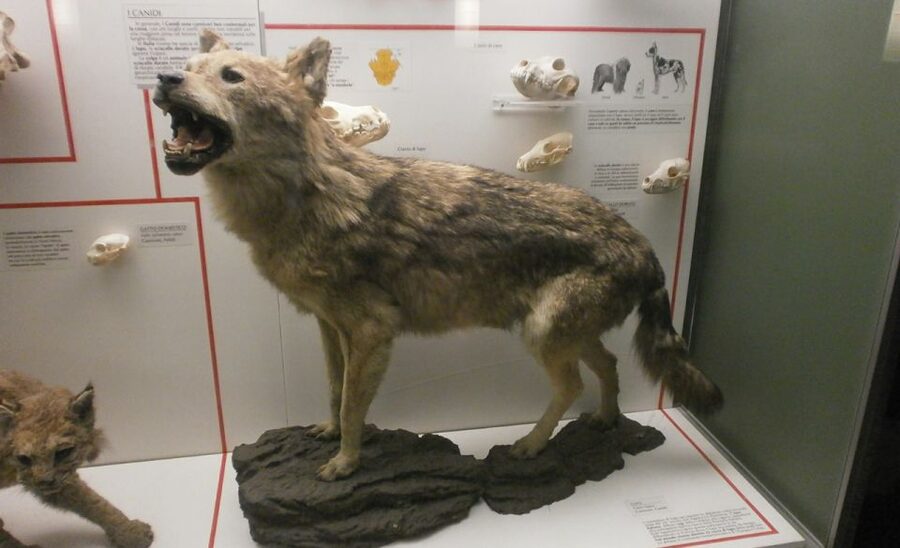
In zoology, the audio guide connects the idea of life’s diversity to the museum’s broader scientific mission. You’ll be nudged to notice differences without getting buried in too much detail.
This is where the navigation help matters. With a digital map and audio points, you can keep your place as you move between groups of specimens. If you’re easily distracted, this structured audio route is a lifesaver.
5) Botany and conservation: why it matters today
Botany in a museum can either be “plants on display” or a living lesson about ecosystems. Here, the audio guide aims for the second. It also connects the museum’s work to conservation efforts.
I like this segment because it gives you a reason to care beyond the walls. It turns the exhibits into something more relevant to your day-to-day reality back outside Milan.
Bonus feel: architecture and garden views
Because the museum sits within Indro Montanelli Gardens, you get a strong sense that you’re in a cultural building set inside a larger city green space. Even if the garden views are not the main focus of the audio, the setting makes the whole visit feel less like an indoor slog.
Price and value: why $12 can be a good deal
At $12 per person for entry plus an audio guide, this is priced like a practical city add-on rather than a full guided tour experience. That matters because you’re not paying for a group leader’s time. Instead, you’re paying for:
- museum entry
- a smartphone audio tour in multiple languages
- navigation support through a digital map
- and an included self-guided tour component for Milan
Is it worth it? For me, the value comes down to how you like museums. If you prefer to control your own pace and you’re happy to follow audio cues, this format usually lands well. If you expect a live docent who answers questions in real time, you’ll likely feel the absence of a guided tour.
Reliability tips: keeping your visit smooth
One thing I’m careful about with phone-based audio tours is the “setup moment” before you enter. The museum experience depends on you successfully downloading the audio via your voucher QR code.
Here’s what you can do to avoid common headaches:
- Scan the QR code and download the audio guide before you arrive if the voucher suggests doing so.
- Avoid clicking random replacement links if something looks off. Use the QR code route from your voucher.
- Make sure your smartphone has enough battery for the whole session.
There’s also a simple timing issue you should watch: the e-ticket arrives via WhatsApp within 24 hours. If you’re traveling in the middle of the day and your phone isn’t reachable, plan for that. In big cities, connectivity can be unpredictable.
Who this museum audio experience is best for
This is a great match if:
- you like museums but hate slow, crowded guided formats
- you want your pace set by your curiosity (fossils today, minerals tomorrow)
- you’re traveling in a pair or small group and want everyone to hear the same story without needing to stay glued together
- you prefer a calmer visit. One of the nicest notes from people who went on a Sunday was how quiet and peaceful it felt.
It may be less ideal if you:
- want a guided tour with a live person
- don’t bring headphones or your phone battery is unpredictable
- prefer to read everything on your own without any phone guidance
Should you book the Milan Natural History Museum audio ticket?

Yes, I’d book it if you’re looking for a structured yet flexible way to enjoy a serious museum in about 2 hours. The combination of skip-the-line entry and a 40+ stop audio guide is the sweet spot: you get guidance without losing your independence.
Skip it only if you know you’ll struggle with phone setup, or if you truly want a live guide. If your smartphone is charged and you bring headphones, this one is likely to feel like a smart, value-priced Milan afternoon.
FAQ
How long is the Natural History Museum experience?
The duration is listed as 2 hours. Check availability to see starting times.
What is included in the ticket price?
You get entry to the Natural History Museum plus a digital audio guide via an app in English, Italian, and French (German available from 15th April). A self-guided tour of the city of Milan is also included.
Which languages are available for the audio guide?
The audio guide includes English, Italian, and French. German is available starting from 15th April.
Do I need headphones?
Yes. Headphones are not included, so bring your own.
How do I access the e-ticket and audio guide?
You receive an e-ticket via WhatsApp within 24 hours of your travel date. For the audio guide, scan the QR code on your voucher to download it before you arrive.
Where is the museum?
The museum is at Indro Montanelli Gardens, Corso Venezia, 55. You can head there directly.