REVIEW · AMSTERDAM
Amsterdam: Red Light District 1-hour Smartphone Audio Tour
Book on GetYourGuide →Operated by Clio Muse Tours · Bookable on GetYourGuide
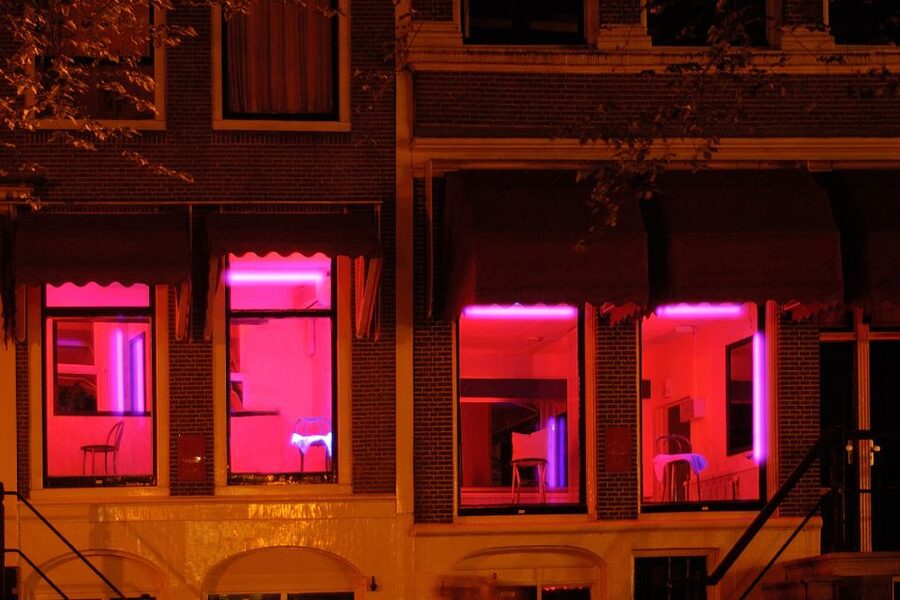
Windows glow, but the stories go further. This 1-hour smartphone audio tour guides you through Amsterdam’s Red Light District with a people-and-places focus, not window hopping. You start at Dam Square, then follow narration through lanes tied to sailors, merchants, residents, and travelers.
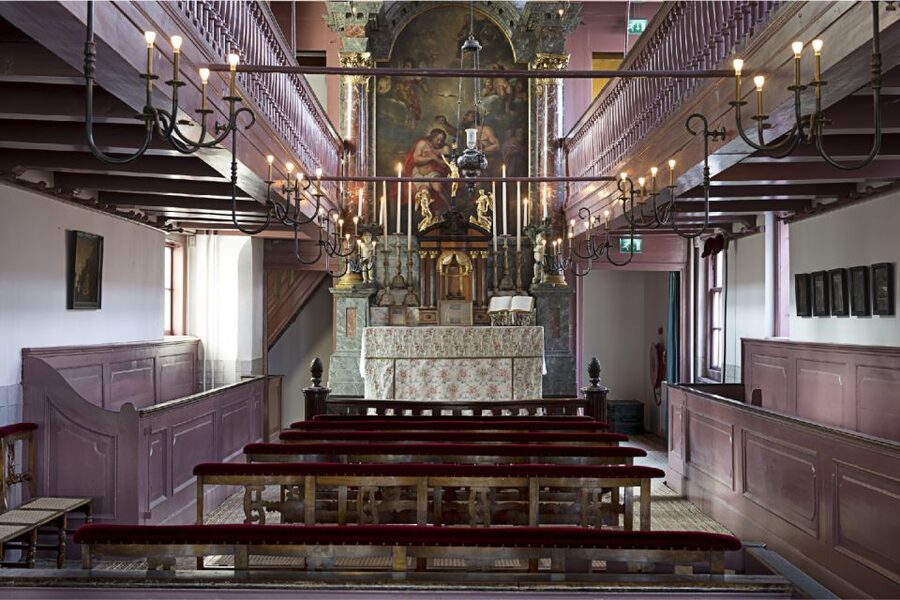
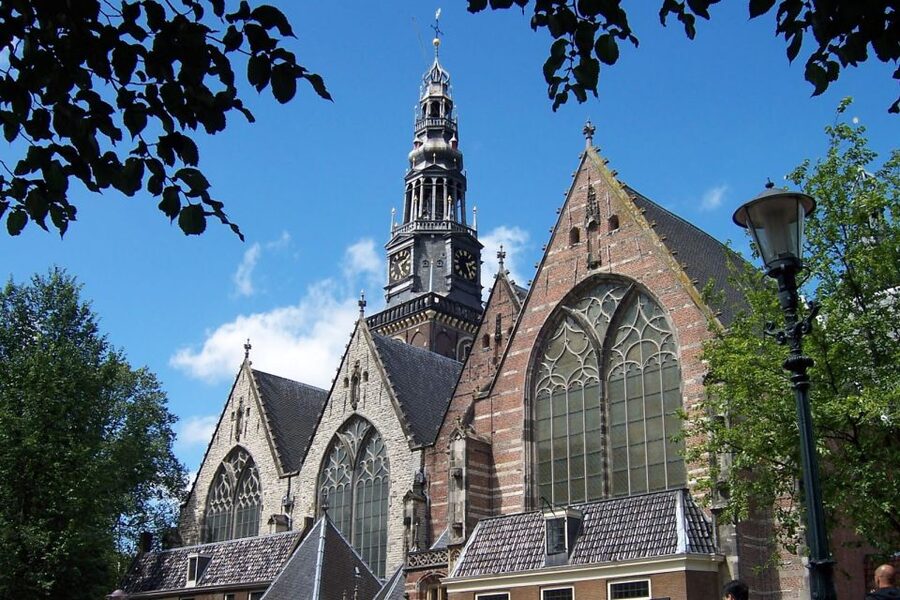
I especially liked two stops: Oude Kerk, Amsterdam’s oldest building, and the small statue called Belle that honors sex workers’ rights. The tour also makes room for unusual historic corners, like Ons’ Lieve Heer op Solder, so the area feels layered instead of one-note.
The main drawback is what the tour does not emphasize: it’s built for neighborhood heritage and key landmarks, so you may want more window-by-window specifics than you get. And since it’s self-guided, you’ll need to plan for a smooth download before you head in.
In This Review
- Quick Take: Why This Red Light District Audio Tour Works
- Starting at Dam Square: A Red Light District Walk With a Real Anchor
- Oude Kerk and Belle: Old Amsterdam Meets a Modern Rights Symbol
- Café In’t Aepjen and Bloedstraat: How Street Names Turn Into Stories
- Ons’ Lieve Heer op Solder: A Chapel Story That Feels Like a Secret
- Bloedstraat, Narrow Lanes, and the People of the Past
- Ending at Nieuwmarkt and Waag: The City’s Changing Identity in One Finish
- Price and Value: What $7 Buys (and What You Should Budget Extra)
- Phone-Ready Reality Check: Offline Audio, Storage, and Compatibility
- Who This Red Light District Audio Walk Is Best For
- Should You Book This Red Light District Smartphone Tour?
- FAQ
- Where does the audio tour start?
- Do I need a live guide to take the tour?
- Can I use the tour offline?
- What languages are available for the audio?
- Are tickets or entrance fees to sites included?
- Is the tour suitable for children, and what phones does it work on?
Quick Take: Why This Red Light District Audio Tour Works
- Dam Square start point: you begin where the city’s story truly kicks off, then walk the district from the inside out.
- Oude Kerk + Belle: you’ll connect the neighborhood’s reputation to older civic life and a modern rights symbol.
- Ons’ Lieve Heer op Solder: the audio points you toward a clandestine-feeling chapel story.
- Café In’t Aepjen + Bloedstraat: street names and old meeting spots make the area feel human, not just famous.
- Nieuwmarkt ending at Waag: the finish gives you a clear “how Amsterdam changed” note to carry with you.
- Offline-friendly setup: the tour includes offline content and an offline interactive map to limit roaming stress.
Starting at Dam Square: A Red Light District Walk With a Real Anchor
This tour has no meeting point and no live guide. That sounds scary until you realize it actually works well here: you start right at Dam Square, then you’re free to walk at your pace with the audio running on your phone.
Dam Square matters because it’s the birthplace area for Amsterdam itself. The narration starts with a simple idea: a humble dam on the Amstel River, and how that modest engineering choice helped shape the city that came after. Even if you’ve already seen Dam Square once, letting the audio frame it gives you a better mental map for what you’ll experience in the surrounding streets.
The practical beat: Dam Square is about a nine-minute walk from Centraal station. If you’re using transit, you can make this a smooth add-on. Aim to start when you’ll still have enough daylight (or at least comfortable evening light) to read the street details as you go—because a self-guided audio tour is only as good as the sights you take in between tracks.
You’ll also want headphones. The tour doesn’t provide them, and it’s not meant to be played as a loudspeaker background while you dodge crowds. Bring a charged phone too; the experience assumes you can keep the device going for your whole walk.
You can also read our reviews of more tours and experiences in Amsterdam.


Oude Kerk and Belle: Old Amsterdam Meets a Modern Rights Symbol
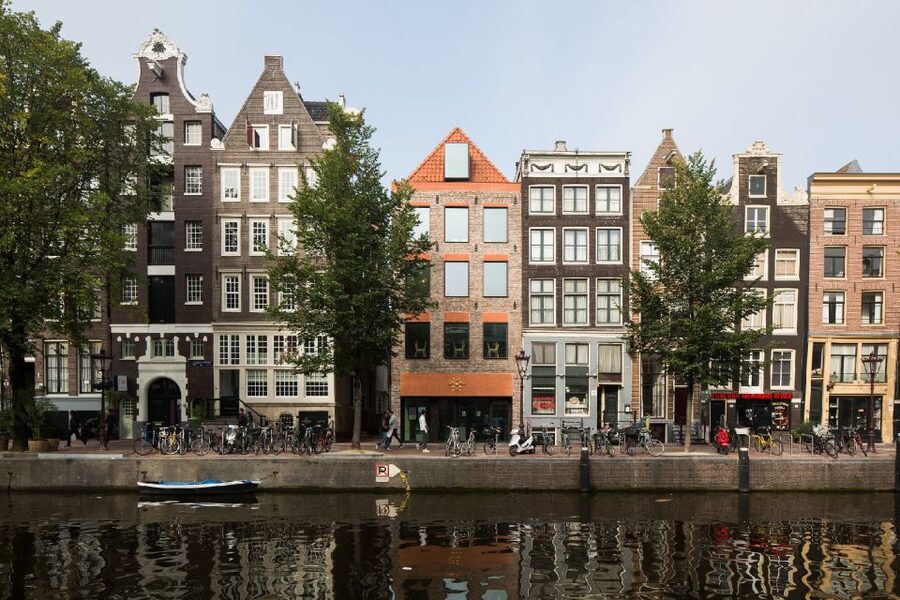
The audio’s first “identity shift” for many people is getting to Oude Kerk—Amsterdam’s oldest building. Whether you’re religious, skeptical, or just curious about architecture, the point is the same: this is the neighborhood’s older backbone. You’re not just learning the story people gossip about. You’re seeing the infrastructure of a city that existed long before today’s labels.
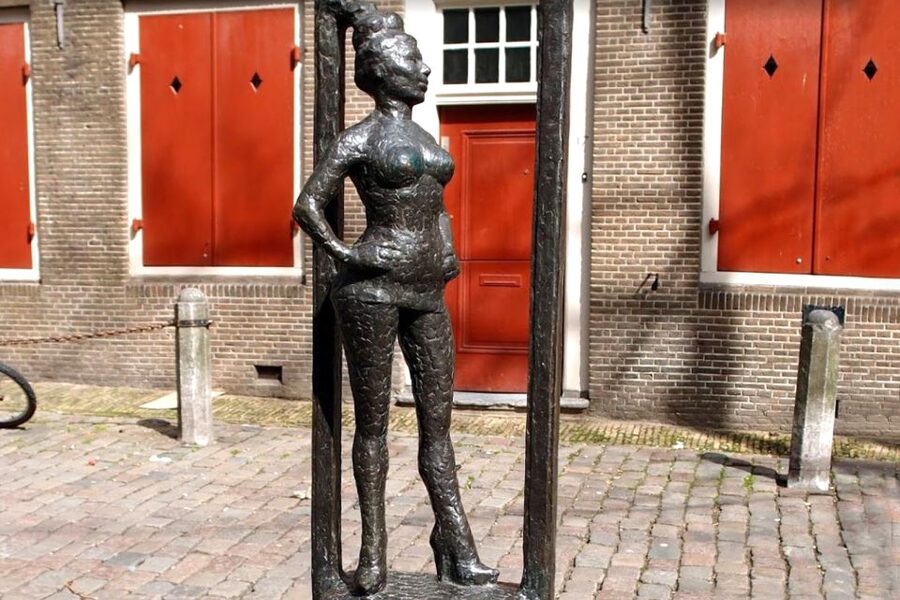
Next, the tour highlights Belle, a small statue honoring sex workers’ rights. That’s a smart choice because it brings the conversation into something you can actually stand near and look at. It also helps explain why the district’s reputation is complicated: the area isn’t only about one industry or one era. It’s been shaped by social rules, economic pressures, and public debate over time.
Here’s the respectful takeaway for you: if you’re visiting with open curiosity, the audio’s approach is to treat the neighborhood’s people and history seriously. It’s not asking you to sensationalize what’s happening in windows. Instead, it steers you to think about how Amsterdam has handled thorny topics in public life—then lets you look at what’s physically there now.
One practical note: this is still a street walk. The audio can guide you toward landmarks, but the tour doesn’t include admissions. So treat stops like Oude Kerk and Belle as moments to observe, not as guaranteed museum time unless you’ve planned it separately.
Café In’t Aepjen and Bloedstraat: How Street Names Turn Into Stories
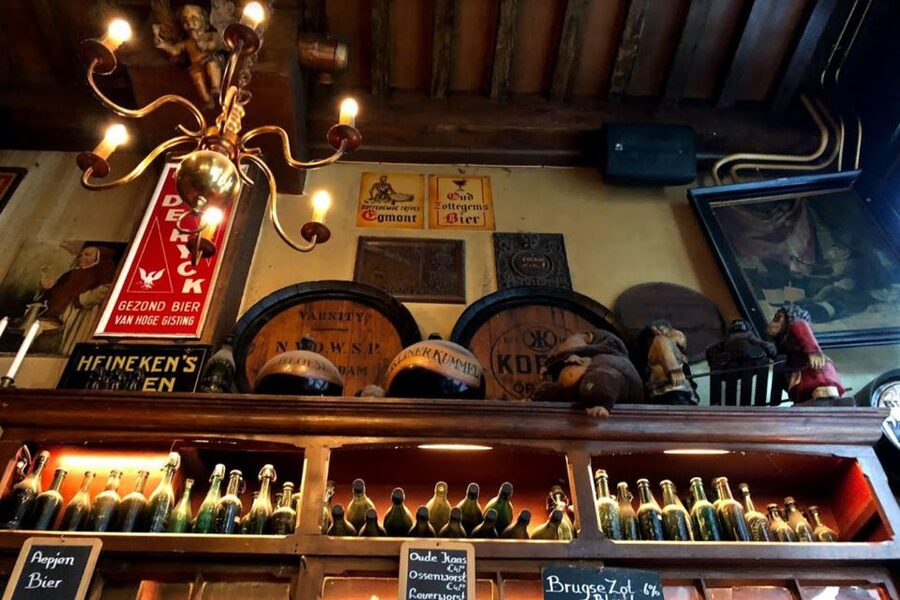
A good audio tour does two things: it tells you where to go, and it gives the place a voice. Here, the audio spends time on the texture of the district—small streets, old meeting spots, and those oddly memorable names that stick in your mind after you’ve left.
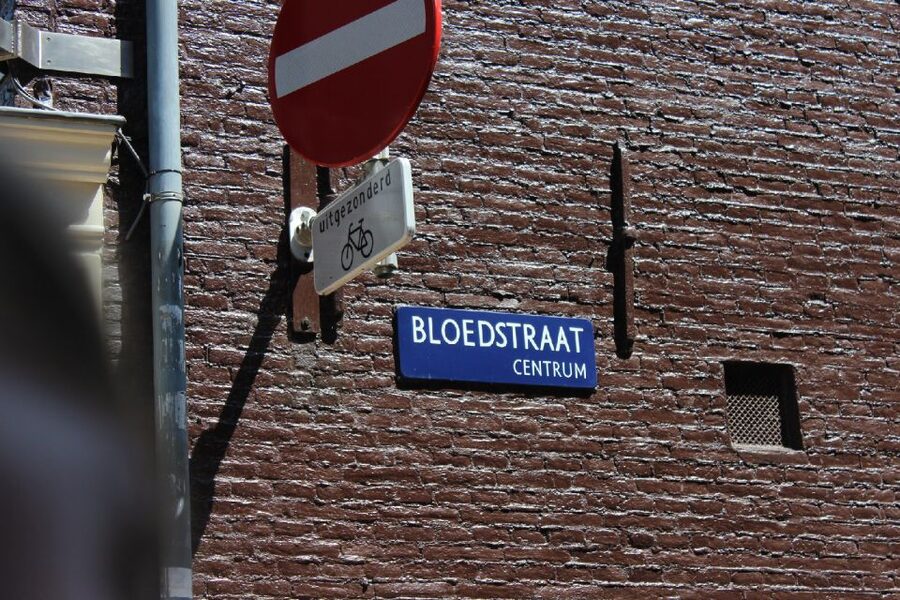
Two examples you’ll hear about are Café In’t Aepjen and Bloedstraat. The tour doesn’t pitch them as trivia. It uses them as stepping stones in the neighborhood’s everyday life: where locals might gather, where different kinds of people would move through, and how the district’s character formed.
If you’re hoping for a strictly chronological timeline, you may not always feel it like a textbook. Instead, you get a more human flow. One minute you’re hearing about sailors and travelers; the next, you’re reading the mood of the street around you. That’s part of the “fun and quirky storytelling concept” that’s built into the tour.
The drawback here is subtle: if your goal is to learn about the modern commercial side of the Red Light District in detail, this portion may feel more like atmospheric history than direct explanation. The tour is consistently angled toward heritage—churches, historic buildings, and the city’s evolution—so the street names are often more about context than specifics of current commerce.
Still, for the right traveler, this is a win. It turns a famous neighborhood into a place you can actually picture day-to-day life in, not just photograph.
Ons’ Lieve Heer op Solder: A Chapel Story That Feels Like a Secret
Then you reach one of the tour’s biggest “wait, what is that?” moments: Ons’ Lieve Heer op Solder, described in the audio as a clandestine chapel. The wording matters. It sets you up to pay attention as you move, because the story isn’t just about a building—it’s about hidden identity and how people found space for belief, life, and community in awkward places.
This is exactly the kind of stop that benefits from an audio format. Without narration, you might notice a historic-looking space and move past. With the audio, you’re nudged to connect dots: why Amsterdam’s architecture isn’t always what it seems from the street, and how faith and daily life sometimes overlapped in unexpected ways.
As a self-guided walk, you’re also in control of how long you linger. If you want extra time for photos or simply to catch the vibe, you can pause and let your ears catch up. If you’re on a tight schedule, you can keep moving.
Just remember: the tour doesn’t include site entry. So if Ons’ Lieve Heer op Solder is on your must-see list as an inside visit, you’ll need separate admission planning. The audio can still add meaning to what you see from outside and on your way in, but it won’t replace a ticket.
Bloedstraat, Narrow Lanes, and the People of the Past
One reason this audio tour feels better than a generic “famous place” loop is that it keeps returning to the people who used to navigate these streets. The narration follows footsteps of sailors, merchants, residents, and travelers. That focus changes your viewpoint fast.
Instead of thinking only about what Amsterdam is famous for, you start thinking about how the district functioned as a neighborhood in motion. People passed through. Trade and work shaped daily routines. Residents lived with the city’s changing moral and economic rules. All of that comes through in the way the audio encourages you to look at narrow alleys and hidden corners as part of a broader story.
You might notice the tour’s word choice is often more about layers than shock. It treats the Red Light District as something Amsterdam built, argued over, regulated, and adapted—over time—rather than as an isolated spectacle. That makes the experience better for first-timers who want to understand the context without stepping into voyeur mode.
If you’re a traveler who prefers a straightforward, no-mystery explanation of the modern industry, you may feel the audio holds back. But if you want context you can actually use while walking, this structure helps.



Ending at Nieuwmarkt and Waag: The City’s Changing Identity in One Finish
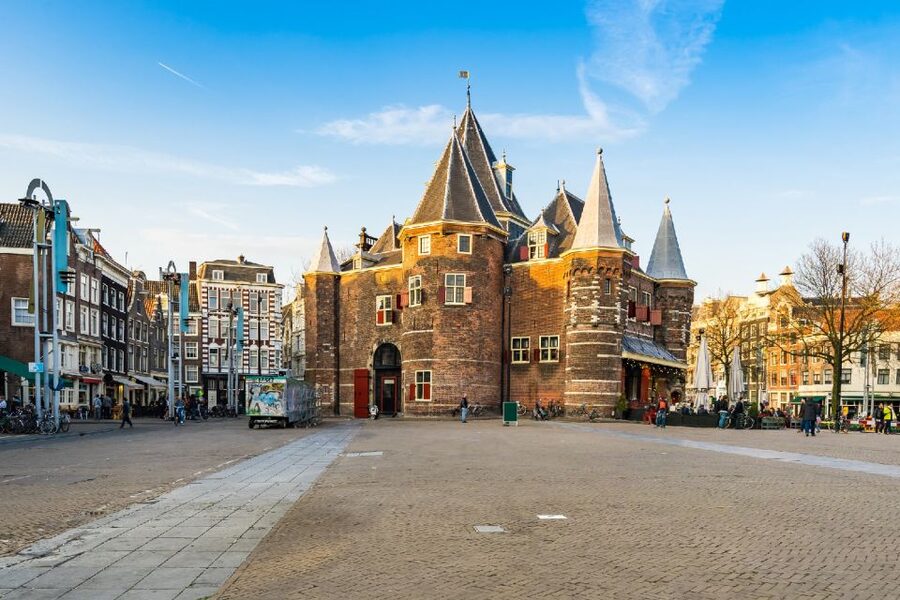
Every walking tour should end with a reason to stop. This one finishes at Nieuwmarkt, home to Waag—a striking building with a long job history. The audio tells you Waag started as a city gate, later became a guildhall, and now acts as a symbol of Amsterdam’s evolving identity.
That ending matters because it gives you a frame for the whole walk. You started at Dam Square with a foundation story. You moved through older buildings and rights-related symbolism. Then you end at a landmark that literally changed function as the city changed.
As you approach the Waag area, you’ll likely feel the district you just walked as something more than a headline. It becomes part of a shifting urban system: gates and guilds giving way to new ways of defining what the city is about.
This is also where the 1-hour concept starts to make sense. You get enough time to hit key points and still feel like you finished with something coherent, not just “I walked around and listened to facts.”
Price and Value: What $7 Buys (and What You Should Budget Extra)
At $7 per person, this is one of those “cheap enough to try” tours. The value comes from a few practical realities:
- You get the self-guided audio in English, German, and Italian.
- You get offline content plus an offline interactive map, so you can limit roaming anxiety.
- You’re not paying extra for a live guide on top of your walking time.
But there are also clear boundaries. The tour does not include entrance tickets or museum access to specific sites. It also doesn’t include food, drinks, headphones, or transportation. So if you plan to go inside buildings, you’ll want to budget separately.
One subtle value tip: the tour is “book per device, not per participant.” If you’re traveling with friends, make sure you understand how many phones you’ll have on hand. In a self-guided format, this matters more than you might expect.
If your goal is pure context and you’re comfortable walking and listening, $7 is a fair deal. If your goal is paid entry into multiple attractions, you’ll likely want to pair this with a couple of separately ticketed stops.
Phone-Ready Reality Check: Offline Audio, Storage, and Compatibility
This is where you can make or break your experience.
First, download ahead of time. Mobile signal can be weak in parts of the city, and the tour specifically warns that internet access may not be reliable outdoors. The good news: it includes offline content and an offline interactive map, so your phone can act like a small guidebook once you’ve saved it.
Second, the storage requirement is listed as 100–150 MB. That’s not huge, but it’s enough that you should check your free space before you assume it will work instantly.
Third, compatibility matters. You need an Android or iOS smartphone, and it is not compatible with Windows phones. It’s also not compatible with older iPhone models like iPhone 5/5C and older, or older iPod/iPad versions listed by the provider. If you’re carrying an older device, this is your moment to check before you arrive.
Finally, bring charged headphones-ready gear. No headphones are included, and a dead battery kills audio tours fast.
Who This Red Light District Audio Walk Is Best For
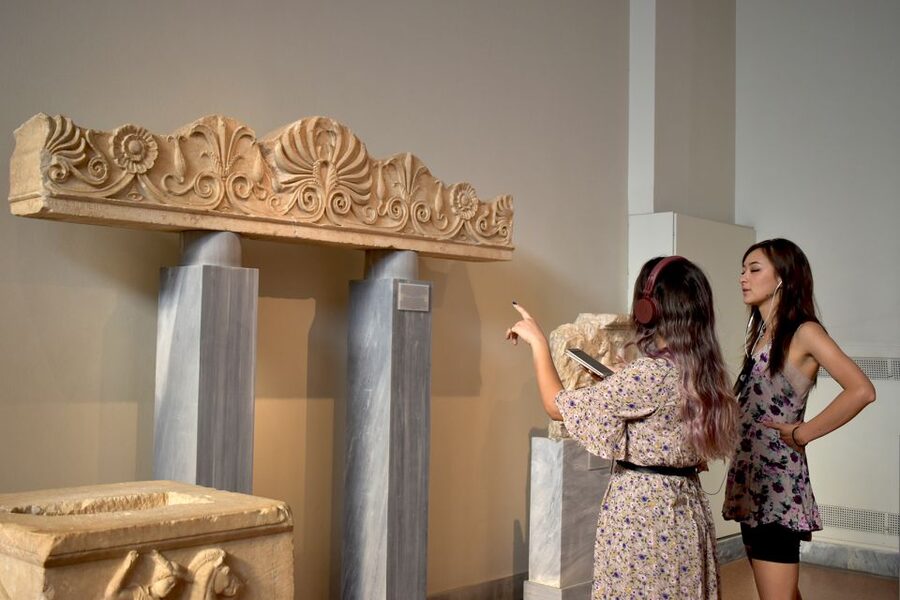
This tour is best for you if you want a Red Light District experience that’s about Amsterdam’s city life and how it changed—not just about the modern scene.
You’ll likely enjoy it if:
- You like history told through places, not through lectures.
- You’re comfortable walking on your own and using an audio track.
- You want to understand the district’s public story through landmarks like Oude Kerk, Belle, and Waag.
- You’re traveling with a budget and want a low-cost add-on.
It’s also built for adults: it’s not suitable for children under 18.
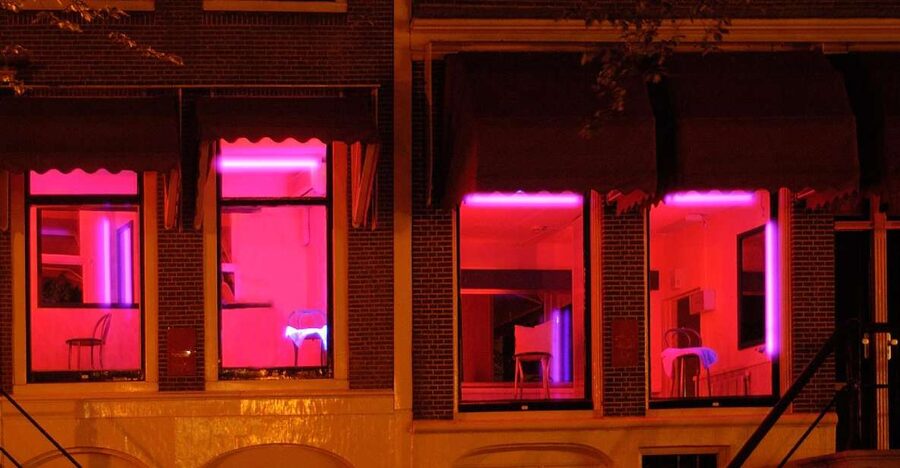
And if you’re the kind of traveler who wants lots of practical detail about prostitution or street-level specifics, you may feel the focus is too heritage-heavy. The tour signals that clearly: it’s designed to explore beyond the windows and emphasize neighborhood history instead.
Should You Book This Red Light District Smartphone Tour?
Book it if you want a guided-by-your-phone walk that gives you context, landmarks, and human stories without a live guide cost. For $7, it’s an easy way to turn a famous area into something you actually understand.
Skip or pair it with other planning if your main goal is in-depth, modern-window explanations or paid museum time. This tour is about what the neighborhood has meant over time—and that’s exactly what it’s good at.
If you go, do yourself one favor: download the offline audio before you arrive, then take your time with the key stops. Oude Kerk, Belle, Ons’ Lieve Heer op Solder, and Waag are the anchors that make the whole walk click.
FAQ
Where does the audio tour start?
The tour starts at Dam Square. There is no meeting point and no live guide.
Do I need a live guide to take the tour?
No. It’s a self-guided smartphone audio tour with narration delivered through your phone.
Can I use the tour offline?
Yes. The tour includes offline content and an offline interactive map to help you avoid roaming charges. The tour also notes that internet access or mobile signal might be unavailable or weak in public areas.
What languages are available for the audio?
The audio tour is available in English, German, and Italian.
Are tickets or entrance fees to sites included?
No. Tickets or entry to specific sites or museums are not included in this product.
Is the tour suitable for children, and what phones does it work on?
The tour is not suitable for children under 18. It requires an Android/iOS smartphone and is not compatible with Windows phones. It also lists incompatibility with older iPhone/iPad/iPod models (including iPhone 5/5C or older).