REVIEW · ROME
Pamphilj Gallery Skip The Line Tickets and Audio Guide
Book on GetYourGuide →Operated by Around City Florence · Bookable on GetYourGuide
A palace gallery feels like borrowed quiet. This experience puts you in the private Palazzo Doria Pamphilj collection fast, then lets you wander the wings and rooms at your own pace. I especially like how the audio guide turns a wall full of paintings into a story you can follow, without needing a live guide.
You also get a strong “greatest hits” mix of artists—Caravaggio, Titian, Raphael, Carracci, Bernini—plus Flemish, French (Lorrain), and Spanish (Velázquez) Baroque work. The result is a visit that feels art-first, not checklist-first.
One drawback to consider: 2 hours can feel a bit tight if you stop for every detail in reception rooms, gallery wings, and private apartments. Plan to choose what you linger on, or you’ll end up walking fast.
In This Review
- Key highlights at a glance
- Palazzo Doria Pamphilj: what you’re really walking into
- Skip-the-line entry and how the self-guided flow works
- The art hits: Caravaggio, Titian, Raphael, and Baroque power
- Flemish masters and the international palace feel
- Reception rooms, gallery wings, and private apartments: the “why” behind the layout
- Using the English audio guide without wasting time
- What the 2-hour duration means for your plan
- Price and value: is $46 fair for what you get?
- Who this visit fits best (and who might not love it)
- Should you book this Pamphilj Gallery ticket?
- FAQ
- What does this ticket include?
- How long is the visit?
- Is there an audio guide, and what language is it in?
- Do I need a guided tour?
- Where do I meet, and how do I enter?
- Is there free cancellation?
Key highlights at a glance
- Skip-the-line access saves time so you can start looking sooner.
- Private collection setting in the Palazzo Doria Pamphilj, not a generic public gallery vibe.
- Big-name masters from Caravaggio and Raphael to Flemish Baroque painters.
- Audio guide in English helps you connect the art to the palace and its “art life.”
- Reception rooms + gallery wings + private apartments means you’re seeing different spaces of the same family world.
Palazzo Doria Pamphilj: what you’re really walking into
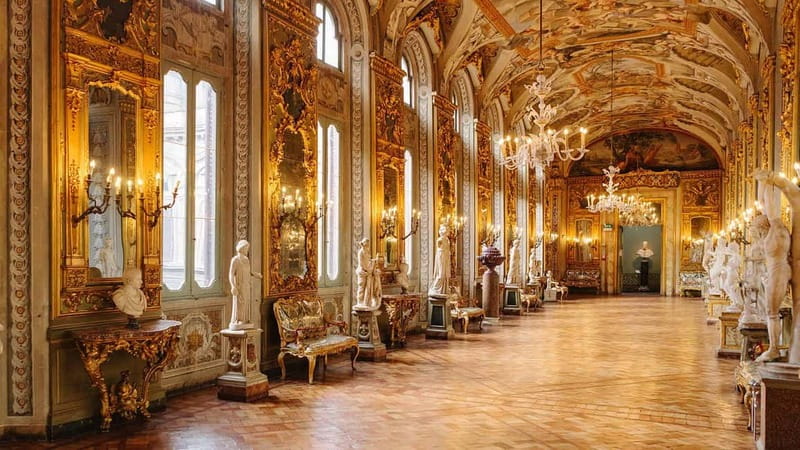
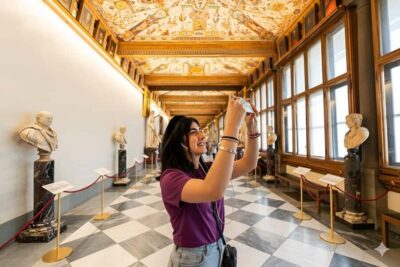
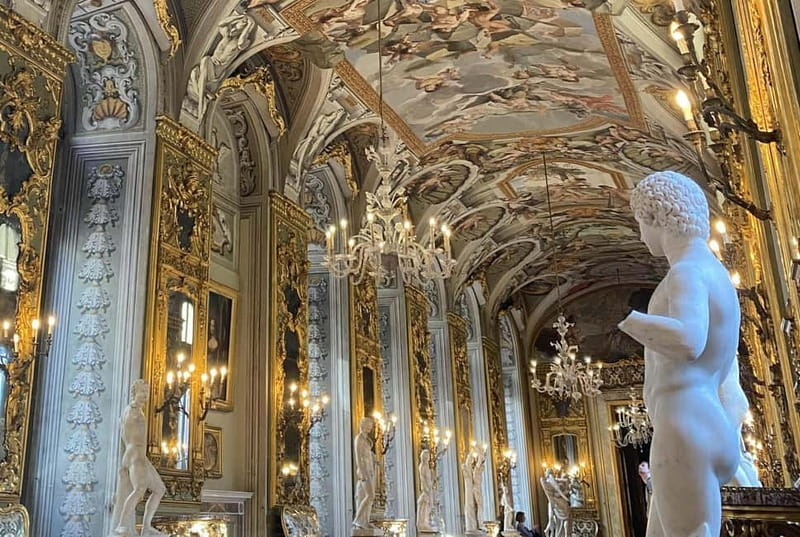
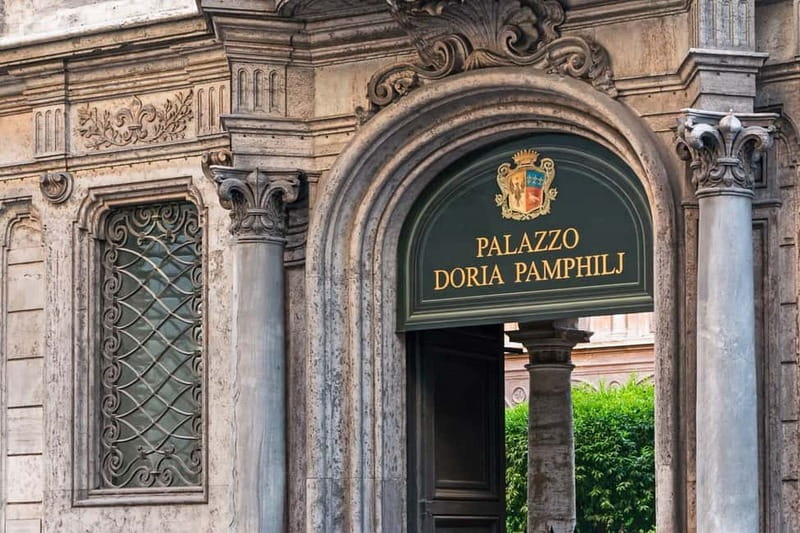
Think of this as a family palace turned art house. The Palazzo Doria Pamphilj holds a private collection of paintings and decorative spaces where artworks fill reception rooms, gallery wings, and even private apartments. That matters because the art doesn’t sit in neutral “museum boxes.” It’s placed on walls throughout rooms that feel designed for living, entertaining, and receiving.
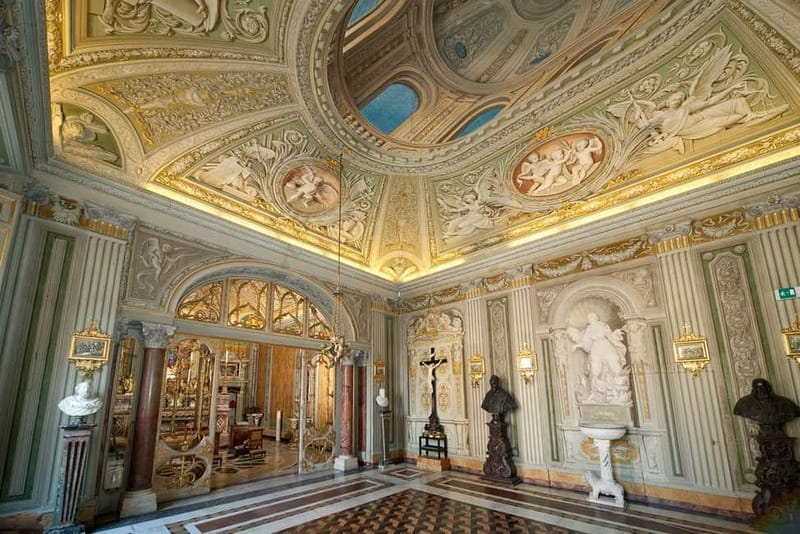
You’ll see the collection across multiple kinds of spaces. Reception rooms tend to feel more formal. Gallery wings read more like a continuous viewing path. Private apartments add a sense that this is still tied to the home of the Doria Pamphilj family, not just a place built for visitors.
And yes, there are a lot of works. The collection covers walls across areas, so the visual rhythm can hit you quickly: one painting leads to another, and then another. If you like art that keeps coming rather than art that comes in small doses, you’ll probably enjoy it.
You can also read our reviews of more tours and experiences in Rome.


Skip-the-line entry and how the self-guided flow works
This ticket is designed for a smoother start: you get skip the ticket line access and a self-paced visit for about 2 hours. There’s no guided tour included, so your “guide” is really the audio track plus whatever you notice in the rooms.
An English host or greeter is listed, which can help you get oriented without turning the whole experience into a lecture. From the meeting point, you take the entrance to the gallery, which keeps the flow simple and visitor-friendly.
The main thing to understand is pacing. With a vast collection and a 2-hour window, the visit rewards smart stopping. I’d treat it like this: pick a few artists you care about most, and then let the rest of the rooms support those favorites. If you try to fully study every painting, you’ll end up rushing at the end.
The art hits: Caravaggio, Titian, Raphael, and Baroque power
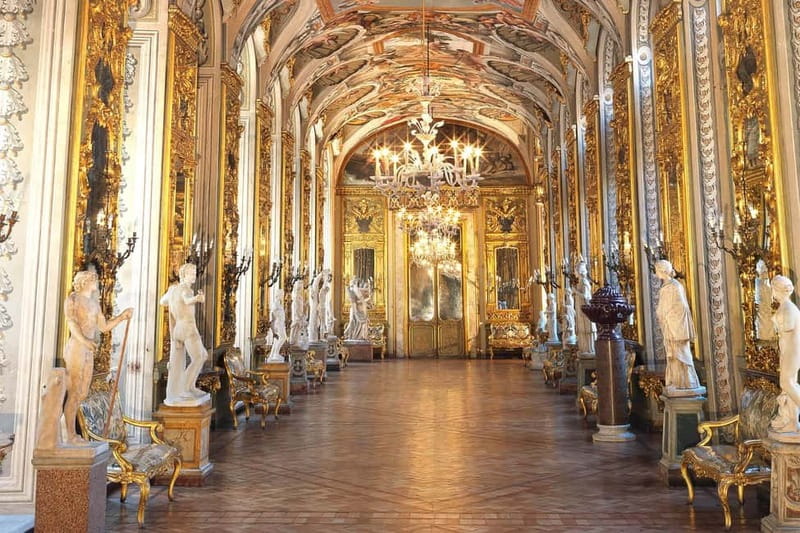
The center of gravity here is major Italian talent. You can expect to see work by Caravaggio, Titian, Raphael, Carracci, and Bernini, along with other Baroque artists. That lineup is a big reason the ticket feels worthwhile: you’re not paying just to admire “a few highlights.” You’re stepping into a collection built around heavy hitters.
Caravaggio and the Baroque era in general are all about dramatic contrast—light, mood, and emotion that pulls your eye around the room. Even without knowing every detail, you can usually feel the intensity of those paintings from a few steps back. I like using the audio guide to confirm what I’m noticing: what kind of scene it is, what the artist is doing with light, and why the work matters in that palace context.
Titian and Raphael bring a different energy. Instead of the sharp shock of some Caravaggio works, you often get more clarity of composition and a sense of painted storytelling. In a palace collection like this, those differences become part of the experience: you move through rooms and the art’s “temperature” changes.
Carracci and Bernini round out the feeling of the period. The Carracci school connects you to a more structured visual approach, while Bernini’s presence adds another layer of Baroque influence—art that feels made to impress in real space, not only on a flat page.
Flemish masters and the international palace feel
Rome’s palaces sometimes surprise you with how international they are. In this collection, you’ll also find Flemish masters and Baroque artists from beyond Italy. That’s where the visit can become especially fun if you enjoy spotting cultural differences in style and subject.
Flemish Baroque work often brings dense detail and a strong sense of realism. When you’re surrounded by Italian masters, those differences stand out fast. It’s a good reminder that Baroque Europe shared ideas across borders, even while each region kept its own visual habits.
You’ll also see works by French landscape painter Lorrain. Landscape can be a great “breather” in a collection heavy on figures and drama. If you’re starting to feel eye-fatigue, Lorrain’s landscape choices give you a chance to slow down and look at space—horizon, atmosphere, and depth—rather than faces and gestures.
And then there’s Velázquez, the Spanish Baroque heavyweight. Even when you’re not hunting for specific brushstrokes, his paintings tend to pull you in by how they handle presence—people, light, and the weight of the scene. In a palace setting, Velázquez can feel less like a distant masterpiece and more like part of the house’s identity.
Reception rooms, gallery wings, and private apartments: the “why” behind the layout
One of the most compelling parts of the experience is that it isn’t just one room with a dozen works. You’re walking through different areas of the Palazzo Doria Pamphilj, and the art is distributed across spaces.
Reception rooms matter because they’re built for impact. The collection placed there makes sense in a social context: art that looks impressive in a formal setting. When you stand in those rooms, you can imagine why this family collected what it did. The artworks aren’t floating in a vacuum—they’re part of how the palace would have impressed visitors.
Gallery wings keep you moving along a viewing path. That structure helps when you’re self-guided. You don’t have to constantly “figure out where to go next,” which is a hidden luxury. You can focus on what you see rather than navigating like a detective.
Private apartments are the wildcard. You get the sense of the collection’s personal side—art living in a home world rather than a purely public museum world. The experience can feel quieter here, and that can make certain works hit harder.
This “quiet, in-your-own-head” feel is echoed in one of the reviews: it’s described as a calm place to enjoy art without rush. That lines up with how self-guided palace visits tend to work best. If you like a quieter pace over big crowds, you’re likely to be happy here.




Using the English audio guide without wasting time
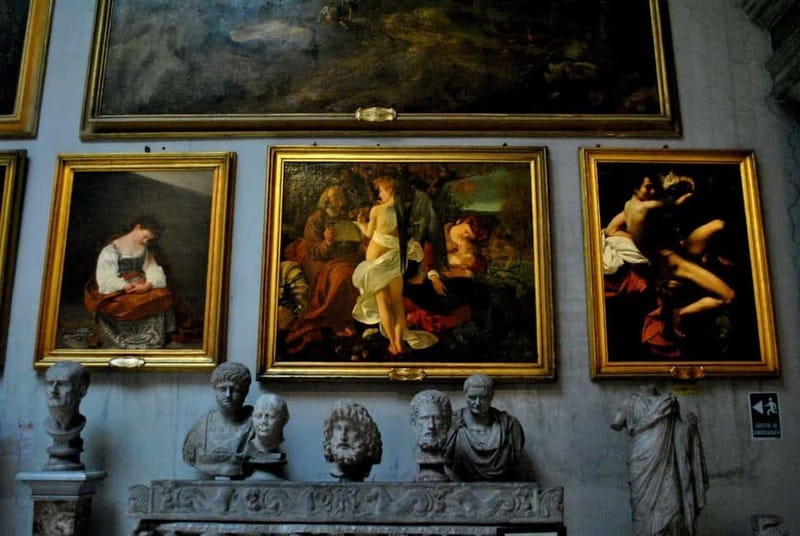
The audio guide is included, and it’s in English. The description also highlights that it helps you learn the history and reimagine the palace’s art life in your language, so you’re not stuck just staring at plaques.
Here’s how to make the audio guide work for you, not against you:
- Use it as a filter. Pick one or two paintings per room where you’ll press play early, so you understand the “why” behind what you’re seeing.
- Save some paintings for silent looking. Not every moment needs narration. If you always listen, you might lose time and stop enjoying the pacing.
- When the audio starts describing the palace context, slow down. That’s where the collection feels more than just famous names—it becomes a place with a point of view.
Because the collection is spread out and the walls are packed, the audio guide can also help you avoid the common mistake in art museums: spending too much time on one work and then feeling stressed about the rest.
What the 2-hour duration means for your plan
Two hours is a compact window for a collection that covers reception rooms, gallery wings, and private apartments. So you’ll want to treat the time like a tool, not a promise.
If you’re an art superfan, you’ll probably spend more time than average in the biggest rooms, which is fine. Just accept that you won’t study everything. The value is in choosing a handful of works you truly connect with, then letting the rest provide atmosphere.
If you’re more casual, you’ll likely enjoy the breadth: major Italian artists plus Flemish, Lorrain, and Velázquez variety gives you multiple “entry points” even if you don’t know every name. You can bounce from room to room and still come away feeling you saw something real and special.
One practical tip: plan your expectations before you go in. If your goal is slow looking, eat in advance and don’t stack another “must-see” experience immediately after. If your goal is a quick, solid taste, 2 hours will feel just right.
Price and value: is $46 fair for what you get?
At $46 per person for skip-the-line access and an included audio guide, the value depends on what you care about most: convenience, pacing, and the right match of collection style.
You’re paying for:
- Skip-the-line entry
- Access to the private collection across multiple palace areas
- An audio guide in English
That bundle can be good value if you hate waiting and you prefer self-paced listening. Also, the “private collection” feel can justify the price more than a standard public museum ticket, because the experience is tied to the Palazzo’s room layout and home-world atmosphere.
That said, there’s a real warning worth taking seriously. One of the reviews complains about unexpected cost differences when audio guide options are bundled or chosen differently. Another review points out that booking on-site can sometimes be cheaper and that the line might not be a huge time problem. Translation: before you buy, double-check exactly what’s included in your package and what’s being charged for the audio component.
So here’s how I’d frame it for you:
- If the audio guide is important and you want the smoothest entry, this ticket makes sense.
- If you’re cost-driven and don’t mind comparing options, you might find alternatives depending on how tickets are packaged that day.
Who this visit fits best (and who might not love it)
This ticket is best for you if:
- You want a self-guided art visit (no guided tour required)
- You like major masters and also enjoy international Baroque variety
- You appreciate a quieter, palace-like pace where you can slow down
- You’ll use the English audio guide to connect artworks to the palace’s story
It may be less ideal if:
- You need a live guide to explain everything in real time
- You’re extremely detail-focused and want more than 2 hours in the rooms
- You’re price-sensitive and want to shop around for the lowest cost option that day
Also, because the visit is designed around audio and independent wandering, it suits couples and friends who enjoy talking quietly and taking turns scanning paintings.
Should you book this Pamphilj Gallery ticket?
I’d book it if you want a calm, art-first visit to a private collection where the famous names aren’t crowded into a chaotic schedule. The skip-the-line perk plus the included English audio guide makes it a straightforward plan for a focused 2-hour palace visit.
Pass or reconsider if you strongly prefer a live guided tour, or if you know you’ll want much longer than two hours. And do yourself a favor: check that your selected ticket truly includes the audio guide you expect, since price bundling has caused confusion for at least one person.
If you’re aiming for a quiet art moment in Rome—Caravaggio to Velázquez, with Flemish and Lorrain in the mix—this is a solid pick.
FAQ
What does this ticket include?
It includes access to the private collection of Palazzo Doria Pamphilj, viewing of the listed masterpieces, and an audio guide. A guided tour and transportation are not included.
How long is the visit?
The duration is 2 hours.
Is there an audio guide, and what language is it in?
Yes. The audio guide is included, and the listed language is English.
Do I need a guided tour?
No. This experience does not include a guided tour.
Where do I meet, and how do I enter?
Your meeting point is where you take the entrance to the gallery.
Is there free cancellation?
Yes. Free cancellation is available up to 24 hours in advance for a full refund.