REVIEW · LONDON
London’s Alternative History: A Self-Guided Audio Tour
Book on Viator →Operated by VoiceMap Audio Tours · Bookable on Viator
London’s past has teeth. This GPS-led audio walk turns familiar streets into offbeat stories you’ll remember.
I like how the narration is easy on the ears and paced for real walking, not sprinting. I also like the GPS tagging that tells you where to look as you move, so you spend less time figuring things out and more time enjoying the details.
One thing to consider: you’ll need a smartphone to run the VoiceMap app, and if you want indoor stops you may need extra tickets for those places.
In This Review
- Key highlights worth planning for
- A walk through London’s stranger side, without waiting in line
- Price and timing: great value for a focused 90 minutes
- How VoiceMap turns your phone into a GPS audio guide
- Covent Garden’s name origin: from convent gardens to today’s streets
- The Actors’ Church: memorials and the first recorded punch-up
- The oldest theatre site and the ghostly Man in Grey
- Quirky legal history: famous trials and odd cases on the route
- The Lion King and early theatre electricity: when lighting changed everything
- Somerset House’s transformation: Tudor palace to Navy office and postal systems
- The Thames promenade story: diverting the river and discovering hidden secrets
- Ladies’ Bridge in wartime: women builders and river views
- The Victorian gas lamp that runs on sewer gas
- Ending at the Savoy: London’s first public building lit entirely by electricity
- Should you book it?
- FAQ
- How long is London’s Alternative History self-guided audio tour?
- Where does the tour start and end?
- What language is the audio in?
- Do I need internet access?
- Is it GPS-based?
- Is a smartphone required?
- Are tickets to museums or attractions included?
Key highlights worth planning for
- VoiceMap GPS audio tied to each stop, so you don’t guess what corner comes next
- Offline access to audio, maps, and geodata, which helps when reception gets moody
- Lifetime access means you can redo sections later when you’re in the area again
- Real flexibility: the route works well if you stroll slow, pause, or linger
- London specifics that aren’t the usual postcard facts, from theatre electricity to sewer-gas lighting
A walk through London’s stranger side, without waiting in line
This tour works best if you like London facts that feel a little sideways. Instead of focusing only on big monuments, you get stories about names, odd inventions, and the kind of local lore that never makes it into the standard guidebook.
The route also makes sense for a short window. You can knock it out in about one to one-and-a-half hours, then still keep the rest of your day open for museums, pubs, or just sitting near the river and letting the city do its thing.
And because it’s self-guided, you control the pace. If you’re the type who pauses for photos, reads a plaque, or wants an extra minute at a street corner, this format is built for that.
You can also read our reviews of more tours and experiences in London.



Price and timing: great value for a focused 90 minutes
At $9.99 per person, you’re paying for a guided walking experience without paying theatre-ticket prices or spending time in a queue. That value really shows if you only have a limited slice of time and want something that feels like a “tour” but doesn’t lock you into a schedule.
Also, the tour includes lifetime access, so this is not a one-and-done purchase. If you come back to London later, or you want to replay just the last stretch near the Savoy, you can.
The main “cost” is mental: you’ll need to stay aware while you walk, since you’re following audio prompts rather than a live guide. If you like turn-by-turn guidance, the GPS tagging helps a lot.
How VoiceMap turns your phone into a GPS audio guide
You’ll start at The Piazza, 1-7 Covent Garden, London WC2E 8HD, and end at the Savoy on the Strand area (London WC2R 0EZ). It’s available every day from midnight to 11:59 PM, so you can fit it around your other plans.
Here’s what makes VoiceMap practical: the audio is GPS-based, so each segment is matched to the location you’re standing in. Instead of bouncing between maps and markers, the app is designed to cue you as you approach the next stop.
It also offers offline access to audio, maps, and geodata. That’s a big deal in London, where signal can vary block to block. Once downloaded, the tour becomes more dependable—especially if you’re walking farther or your battery is precious.
If you’re navigating-challenged, you’ll probably appreciate the way the narration guides you so you know which way to look and when to turn. In my view, that’s the difference between an audio tour you enjoy and an audio tour you tolerate.
Covent Garden’s name origin: from convent gardens to today’s streets
The walk kicks off in the Covent Garden area with a story about how the place got its name. You’ll hear how the term ties back to medieval convent gardens, which gives you a useful mental picture: this wasn’t always a shopping and performance hub.
What I like here is that it sets the tone. You’re not just learning facts—you’re learning why a name stuck, and how the city layers one era on top of another.
If you’re starting around lunchtime or early evening, this area can be busy. The audio timing helps you move through it without constantly stopping to consult your phone.
The Actors’ Church: memorials and the first recorded punch-up
Next comes a stop known as the Actors’ Church. The key idea is simple: this is a place associated with performers, and you’ll get the twisty side of local stories too, including the claim of London’s first recorded punch-up.
This is the part of the route where the tour feels less like sightseeing and more like listening to someone with a slightly mischievous sense of history. It’s also a reminder that theatre people weren’t always graceful angels in period costumes.
One practical tip: pause and take in the surroundings before you move on. The narration works best when you stop long enough to absorb what you’re looking at.





The oldest theatre site and the ghostly Man in Grey
You then reach an area connected to the oldest theatre site in London, with theatrical tales that go beyond stagecraft. The standout detail here is the ghostly element—specifically the infamous Man in Grey.
Even if you’re not a hardcore theatre fan, this section is fun because it mixes performance history with eerie folklore. You’ll come away understanding why ghost stories take hold in places built for illusion and lights.
This is also a good stretch to slow down a bit. Theatre-related architecture can be easy to skim if you’re moving fast, but the audio cues help you notice what you might otherwise miss.
Quirky legal history: famous trials and odd cases on the route
After the theatre section, the tour shifts toward London’s legal weirdness. You’ll hear about intriguing cases and famous trials that took place in this area, showing how the city’s courtroom culture had its own flavor.
I like this stop because it breaks the expected rhythm. The route bounces between theatre, engineering, and law, which keeps your brain awake and your feet entertained.
It’s also a nice reminder that London’s “serious” institutions were never detached from drama. The stories here are about people, conflict, and spectacle—just with different costumes.
The Lion King and early theatre electricity: when lighting changed everything
One of the most enjoyable segments focuses on a theatre tied to productions including The Lion King, plus how theatre lighting connects to the early days of electricity.
This is where the tour becomes unexpectedly technical in a human way. Instead of treating electricity as a modern miracle, you get it through the lens of an entertainment space—where light isn’t just practical, it’s part of the show.
If you’re someone who likes when history explains daily life, you’ll appreciate this. Theatre lighting affected stage design, audience expectations, and how performances were experienced.
Somerset House’s transformation: Tudor palace to Navy office and postal systems
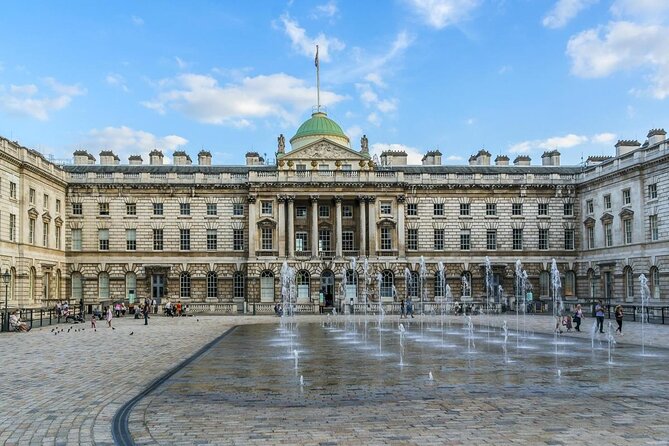
As you continue, you reach Somerset House, tied to a story about transformation: from a Tudor palace to a Navy office, and its role in the development of the British postal system.
This stop is a strong example of why this audio tour works. It doesn’t just name-drop buildings. It explains what those spaces were doing when the city’s priorities changed.
In practical terms, Somerset House is a good place to pause. If you want a quick break before the next leg, the setting gives you that option without ruining the flow.
The Thames promenade story: diverting the river and discovering hidden secrets
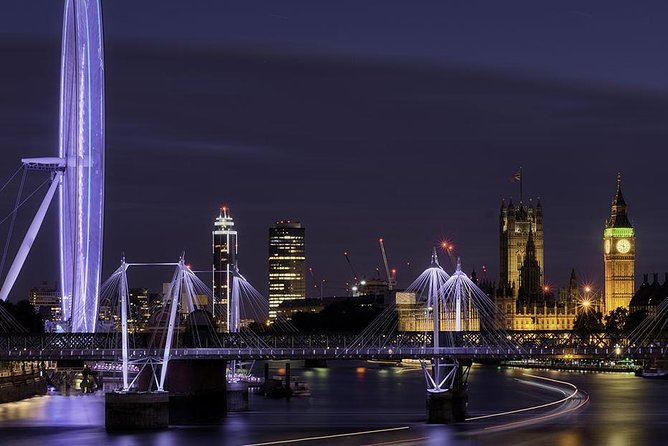
Then it’s on to the riverside promenade, with a tale about its construction and the fact that it involved diverting the River Thames. You’ll also hear about hidden river secrets uncovered through the work.
This section is for you if you like the “how did they pull that off” side of cities. It’s also a reminder that London’s charm is built on engineering, not luck.
Take a slow walk here. The river views help you match the story to the setting, and you’ll feel less like you’re following audio and more like you’re walking through an idea.
Ladies’ Bridge in wartime: women builders and river views
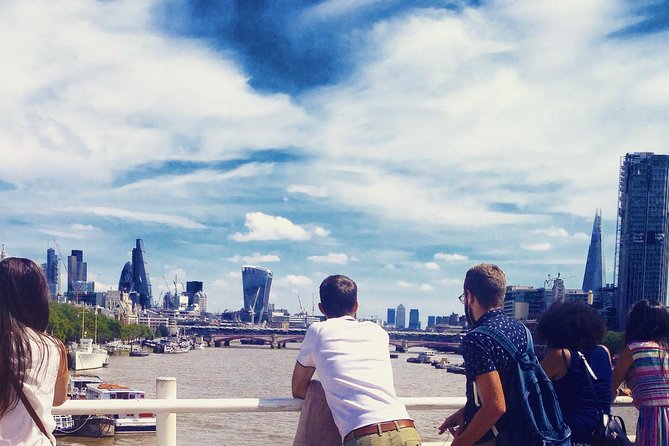
Next up is Ladies’ Bridge, largely built by women during World War II. The payoff is the views over London, which makes this more than a history stop.
I like stops like this because they do two things: they teach you something specific, and they reward you with a moment you can look at the city from. If you’re traveling with someone who likes photography, this is an easy win.
If the weather is clear, linger just long enough to let the river traffic and city angles sink in. The bridge is a natural pause point.
The Victorian gas lamp that runs on sewer gas
One of the most memorable moments is the last remaining Victorian gas lamp in London, described as being powered by sewer gas—earning the nickname The Lamp that Lights Itself.
This is pure London character. It’s weird, practical, and just believable enough that you’ll want to look twice.
When you reach this area, don’t rush past it. The whole point is the contrast: a city full of modern lights, with one surviving reminder of an older way of powering the glow.
Ending at the Savoy: London’s first public building lit entirely by electricity
You finish at the Savoy on the Strand area, where the story is about a major leap in lighting. The tour highlights it as the first public building in the world to be lit entirely by electricity, with a reputation that also includes luxurious moments and infamous parties.
Even if you’ve walked past the Savoy before, this kind of detail changes how you see the building. You start noticing it as a historical turning point, not just a landmark on a busy street.
This is a good finale because it ties together what you’ve heard earlier about theatre lighting and the arrival of electricity. You can feel the arc as you reach the end.
Should you book it?
I’d book this if you want a low-cost way to see central London with story-driven stops rather than standard lectures. The GPS tagging, soothing pacing, and offline support make it easy to enjoy even when your navigation skills are shaky.
I’d skip it if you’re the type who hates smartphone-based navigation or you need frequent indoor breaks with timed tickets—because this tour is designed as a walking audio experience, and entrance fees aren’t included for attractions along the way.
If you’ve only got a spare hour or two and you want London’s weird side with practical guidance, this one is an easy yes.
FAQ
How long is London’s Alternative History self-guided audio tour?
It takes about 1 hour to 1 hour 30 minutes, depending on your pace and how long you stop at each location.
Where does the tour start and end?
It starts at The Piazza, 1-7 Covent Garden, London WC2E 8HD and ends at the Savoy area on the Strand, London WC2R 0EZ.
What language is the audio in?
The tour is offered in English.
Do I need internet access?
The tour includes offline access to audio, maps, and geodata, so you don’t have to rely on constant connectivity.
Is it GPS-based?
Yes. The audio commentary is GPS-based, and each segment is tagged to the location you’re at.
Is a smartphone required?
Yes. A smartphone is not included, and the tour uses the VoiceMap application, so you’ll need your own device.
Are tickets to museums or attractions included?
No. Tickets or entrance fees are not included for any museums or attractions you might pass or decide to enter.