REVIEW · ROME
Rome: Castle Sant’Angelo Ticket w/ audioguide option
Book on GetYourGuide →Operated by REAL BARCELONA TOURS, S.L · Bookable on GetYourGuide
Castel Sant’Angelo is a one-stop time machine. I love how the ticket gets you past the worst lines with a skip-the-line entrance, and I also like that you’re not stuck on a tight group schedule—you explore at your own pace. The cherry on top is the rooftop panorama, with Rome spread out toward the Tiber and the St. Peter’s dome.
One thing to consider: this is not a quick stroll with lots of ramps. The experience is not suitable for people with mobility impairments or wheelchair users, and you should plan for stairs inside.
In This Review
- Key Things to Know Before You Go
- Castel Sant’Angelo in One Hour: What You Actually See
- Skip-the-Line Entry and the Angel Statue Meet-Up
- Hadrian’s Tomb to Papal Fortress: The Main Story You’ll Follow
- Papal Rooms, Spiral Staircase, and the Ashes of Hadrian
- Prisons, Cellini, and Cagliostro: The Dark Side in Plain Sight
- Rooftop Terrace Views: Tiber Lines and St. Peter’s Dome
- Who This Ticket Suits (and Who Should Rethink It)
- Getting the Most From an Audioguide Option
- Practical Rules That Affect Your Visit
- A Quick Timing Strategy for Your One-Hour Window
- Host Team at the Entrance: What They Handle
- Should You Book This Castel Sant’Angelo Ticket?
- FAQ
- How long is the Castel Sant’Angelo ticket valid?
- Is the entry skip-the-line?
- What’s included in the ticket?
- Is an audioguide included?
- Where do I meet the team?
- Is this suitable for wheelchair users?
Key Things to Know Before You Go
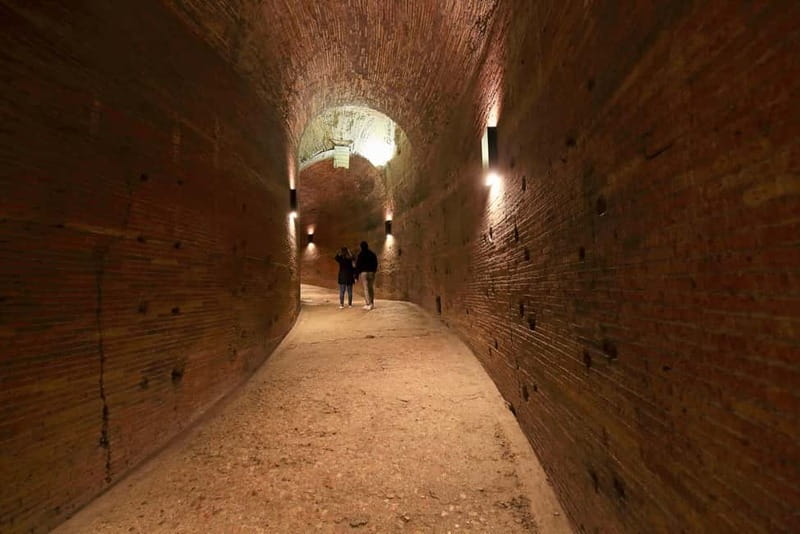
- Skip-the-line, separate entrance so you’re not wrestling the main queue
- Self-paced route through Papal Rooms, prisons, stairs, and the rooftop
- Hadrian’s ashes room plus the story of how the site shifted from emperor tomb to Papal fortress
- Secret-passage intrigue linked to Vatican Palace legends (and pop-culture references)
- Rooftop terrace views over the Tiber and toward St. Peter’s dome
Castel Sant’Angelo in One Hour: What You Actually See
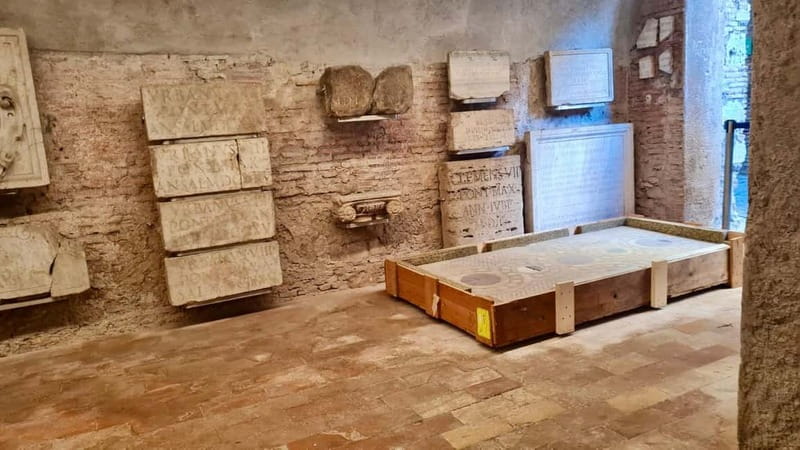
Your ticket is valid for 1 hour, so treat it like a focused visit, not a slow museum day. The route is self-guided, but the big rooms and photo-worthy spots are the same ones most people plan around: the main sections inside, the spiral staircase area, the room connected to Hadrian’s ashes, and then the rooftop terrace.
What makes this monument so satisfying is that it packs multiple eras into one stone structure. You’re not just looking at a castle—you’re walking through layers: an ancient Roman emperor tomb (Hadrian), later transformed into a Papal fortress, then used as a prison and execution site. That shift in purpose is the heart of the experience.
If you’re the type who likes your Rome visits to feel like a story you can walk through, this fits. You’ll see the fortress side, the darker prison side, and then—almost like a plot twist—the bright city views from above.
You can also read our reviews of more tours and experiences in Rome.


Skip-the-Line Entry and the Angel Statue Meet-Up
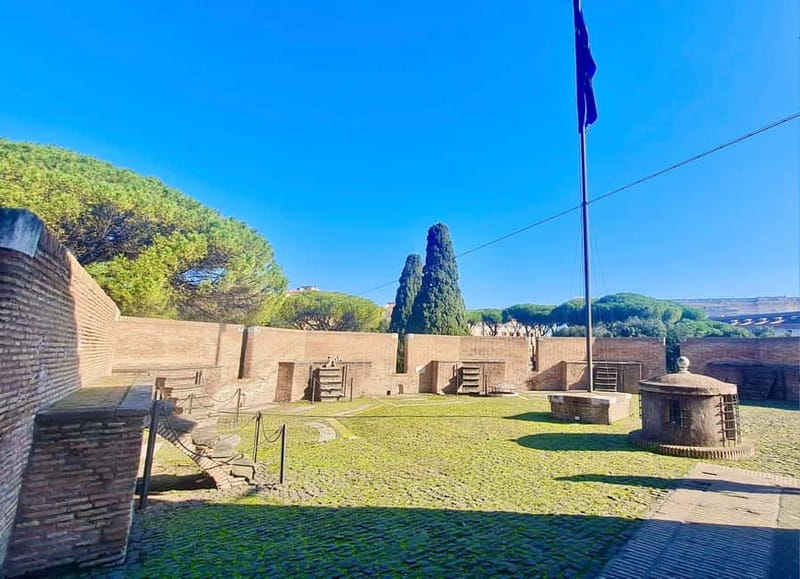
The logistics are straightforward and worth paying attention to, because they control how smooth your hour will feel.
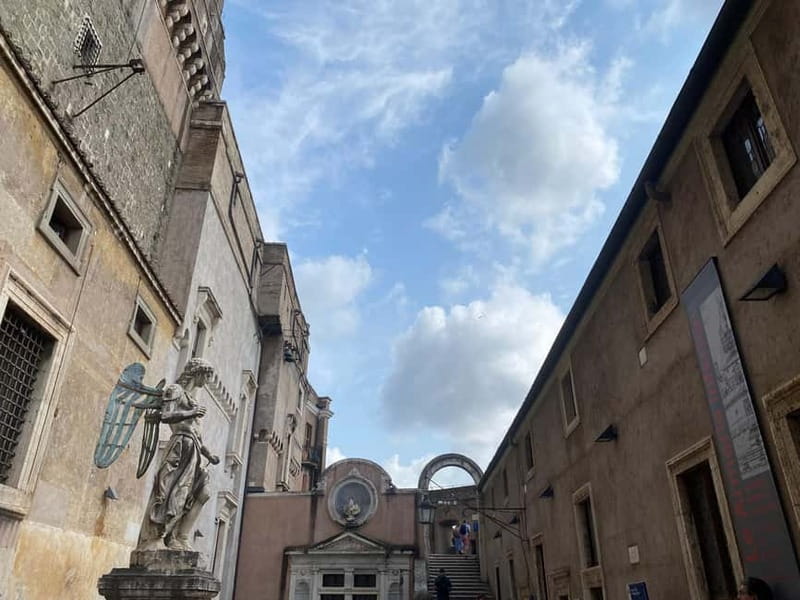
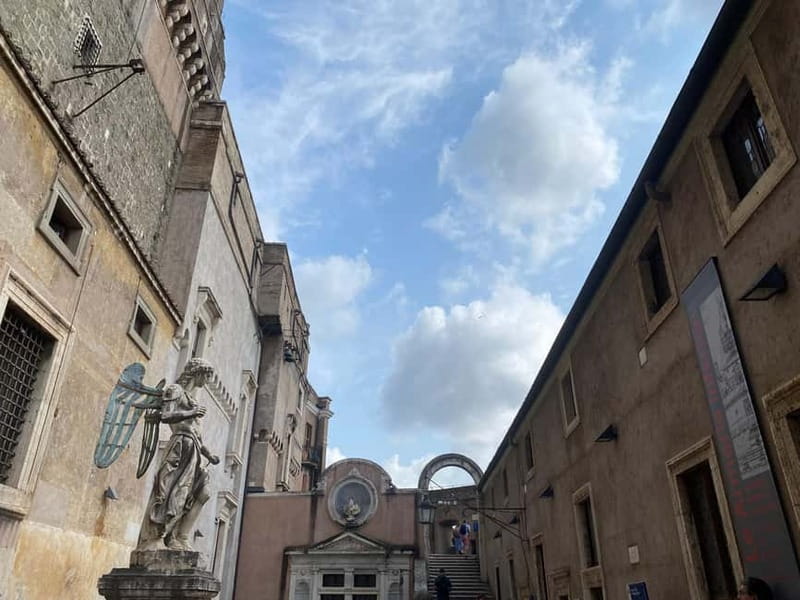
Your start is in front of the entrance near the Angel Statue. Look for a team member wearing a light blue jacket or t-shirt. From there, you enter via the separate entrance for the skip-the-line access.
This matters because Castel Sant’Angelo can be busy, especially during peak hours. The whole point here is to reduce the time you spend standing still. Once you’re inside, you’re free to go at your own pace, which is a big deal if you want extra breaks or you just move slower than the average tour pace.
Also note: there is no live guide included. You’ll have someone help you at the start, but after that, it’s truly independent.
Hadrian’s Tomb to Papal Fortress: The Main Story You’ll Follow
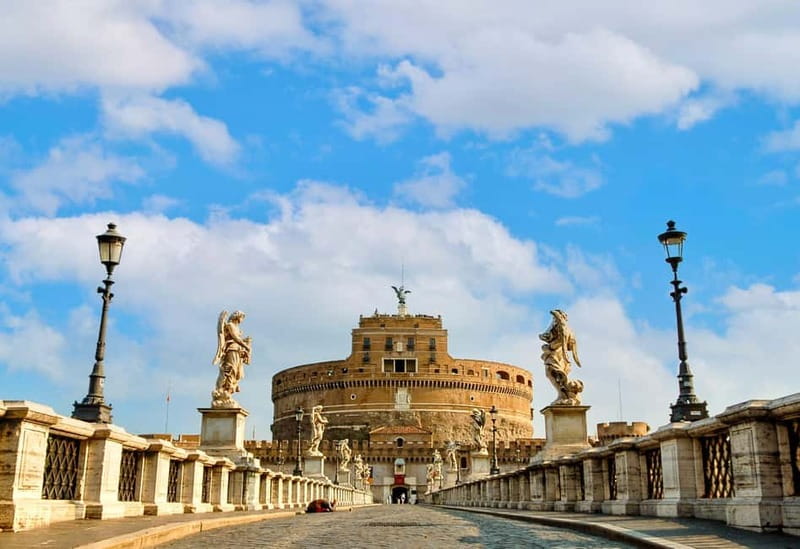
I like that Castel Sant’Angelo doesn’t rely on one single theme. The site itself tells the timeline as you move through it.
First, it was built in ancient Roman times as Hadrian’s tomb. The ashes of the emperor are kept inside, and that “you are standing in the resting place of…” feeling is real once you reach the related room.
Then, during the Early Renaissance, the purpose changes sharply. Castel Sant’Angelo becomes a Papal fortress, and that includes prison functions and execution activity. This is one of those places where the architecture makes sense only after you learn the later use—thick, defensive, built for control.
And there’s an extra thread that turns the visit into a fun mystery. Castel Sant’Angelo is connected by a secret walkway to the Vatican Palace, and that connection has inspired the kind of danger-and-flight stories people associate with movies like Angels and Demons. Even if you’re not chasing movie details, the idea of hidden routes and escape planning gives the castle a more human, tense feel.
As you walk through the rooms, keep an eye out for how the space shifts from ceremonial to defensive. That contrast is where the “aha” moments happen.
Papal Rooms, Spiral Staircase, and the Ashes of Hadrian
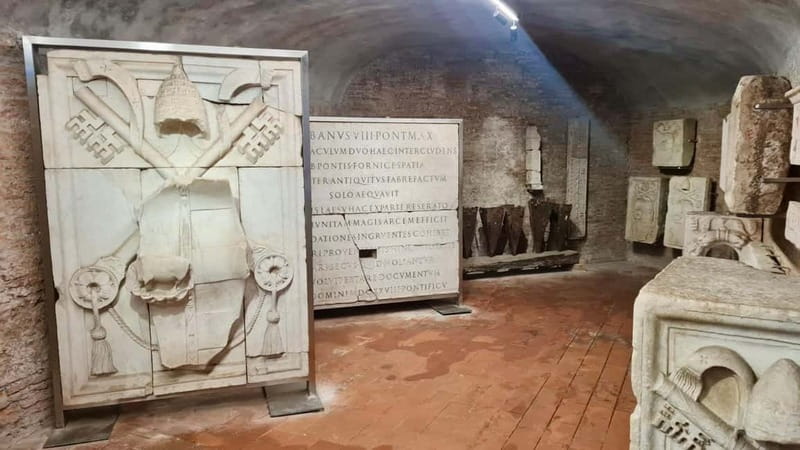
Inside, you’ll visit several key areas on your own pace:
- Papal Rooms
- Spiral staircase
- Room of the ashes of Hadrian’s emperor
- Rooftop terrace
The Papal Rooms are where the fortress story becomes more than just walls. You’re seeing parts of the complex used in the Papal era, which helps explain why the site became a power tool, not just a tomb left behind by the Romans.
Then comes the spiral staircase. Even if you skip “fitness bragging” and take your time, it’s one of the castle’s signature moves—visually and physically. If you’re a photographer, this is one of your best chances to get that “how did they build this?” feeling without needing any special camera tricks.
When you reach the room connected to Hadrian’s ashes, it’s the payoff moment. You go from stories about transformation to the actual anchor of the location: the emperor’s ashes kept inside since the II A.D. (That date is what makes this feel more than themed decor—it’s ancient in a way Rome does unusually well.)
Plan your time so you don’t rush this part. The castle moves fast if you let it, but this is the section worth slowing down for.
Prisons, Cellini, and Cagliostro: The Dark Side in Plain Sight
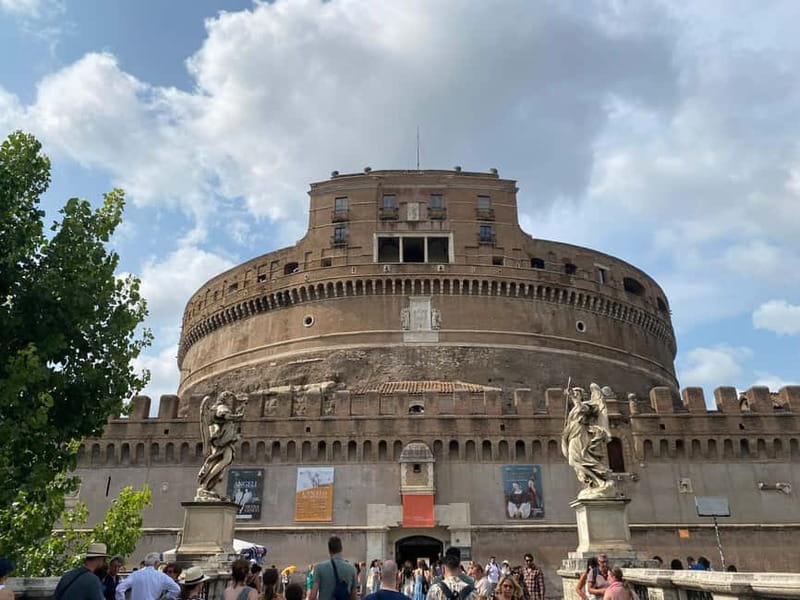
Casel Sant’Angelo isn’t only about emperors and views. The castle’s prisons held famous figures, and that makes the darker chapters click.
Two names you’ll hear as part of the site story:
- Benvenuto Cellini, a goldsmith
- Cagliostro, a well-known charlatan
This is valuable because it gives the prison section more than abstract “history.” People. Reputation. Rumor. Not just cells as architecture, but cells as places where notable lives got interrupted.
Also, remember how prison sites work in a fortress. They sit inside a larger system of control: walls, choke points, and routes that move people where they need to go. The value of seeing it here is that you can connect the “why” behind the design. A cell makes sense when you understand how the fortress functioned overall.
If you prefer “clean and sunny” sights, you may want to treat the prison story like a chapter you read quickly. But if you enjoy the gritty side of Rome, this is exactly the kind of stop that makes the city feel real.





Rooftop Terrace Views: Tiber Lines and St. Peter’s Dome
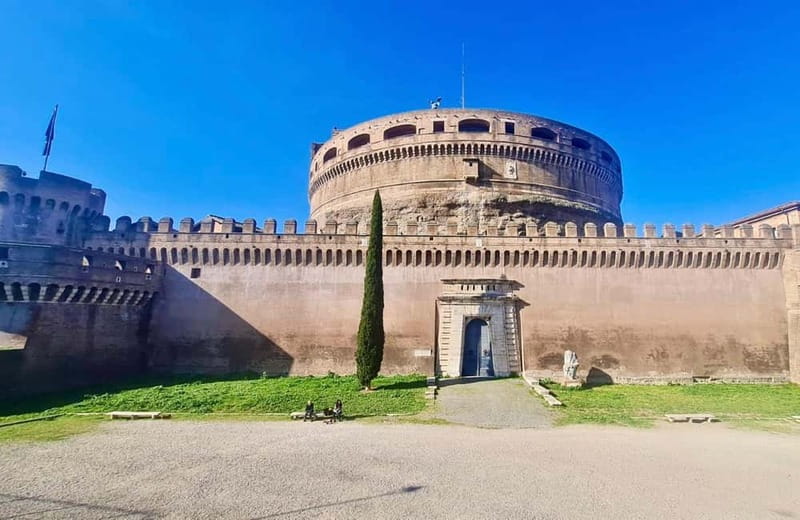
The rooftop is where your hour of walking earns its reward.
You’ll get panoramic views over Rome, with sightlines across the Tiber and toward St. Peter’s’ Dome. It’s the part that helps you reset your brain after the heavier story elements inside.
I especially like rooftop stops at big monuments because they help you understand the “where” behind the “what.” From up there, you can connect this castle to the wider geography of the city. The Tiber isn’t just a river anymore; it becomes a reference point for where you are.
This terrace moment is also practical. If you’re short on time, photos plus a slow scan of the skyline is a fast way to feel like you really got the place. No need to be a professional photographer—just take a minute, stand still, and let your brain label what you’re seeing.
Who This Ticket Suits (and Who Should Rethink It)
This ticket style—skip-the-line access plus self-paced exploration—works best if you want control over your time.
It’s a strong fit if:
- you want to avoid lines but don’t want a rigid group tour
- you like moving at a personal pace (and maybe taking breaks)
- you’re comfortable reading and exploring without a live guide
One note that matters: it’s not suitable for people with mobility impairments and it’s not for wheelchair users. If you’re deciding between monuments in Rome, factor that in early. Don’t assume the “castle experience” will be stroller-friendly or elevator-friendly—it won’t be.
Also, come prepared for a self-guided flow. There’s no live guide included. If you want narration, you can choose the optional audioguide (English, French, Italian, Spanish). If you pick audioguide, you can match the pace of the stories to your walking rhythm, instead of getting pulled along.
Getting the Most From an Audioguide Option
The audioguide is optional, and it’s available in several languages. If you want the “what am I looking at?” layer while you walk, that’s the clean way to do it.
You can choose audio in:
- English
- French
- Italian
- Spanish
The host team meeting you at the entrance can help with the basics, but the audio is what carries the story once you’re inside. I like audioguides at sites like this because the castle is doing multiple jobs—Roman tomb, Papal fortress, prison, and rooftop view—and the narration helps you keep the timeline from slipping away.
If you skip the audioguide, you can still enjoy the castle. But you’ll need to be more proactive about reading plaques or connecting the major highlights in your head as you go: Hadrian’s ashes room, Papal Rooms, spiral staircase, prison figures, and the rooftop terrace.
Practical Rules That Affect Your Visit
Before you head out, check the “what to bring” and “what not to bring” list. These rules can affect whether you get delayed at the entrance.
Bring:
- a passport or ID card
Not allowed:
- weapons or sharp objects
- baby strollers
- luggage or large bags
- pets (assistance dogs allowed)
- alcohol and drugs
Why this matters: castle entrances can be strict, and delays inside an hour-long ticket can feel frustrating fast. Travel light.
Also, remember there’s no transportation included. You’ll be responsible for getting to the meeting point and back.
A Quick Timing Strategy for Your One-Hour Window
Because your ticket is valid for only one hour, I’d plan your hour like this:
- Start strong at the main interior highlights (Papal Rooms and the areas tied to the tomb/prison story)
- Give yourself enough time at the room connected to Hadrian’s ashes so you don’t rush it
- Work in the spiral staircase without feeling panicked
- Finish with the rooftop terrace, where your photos and skyline scan will feel the most satisfying
The rooftop should be last because it gives you the best mental reset. You’ll leave the heavier parts behind and end with the city spread out in front of you.
If you’re visiting with older relatives, the independent pacing is a real benefit. One of the best reasons to choose this format is the freedom to pause when you need to—especially compared to tours that keep moving no matter what.
Host Team at the Entrance: What They Handle
When you arrive, you’re met by a host or greeter at the entrance area near the Angel Statue (light blue jacket or t-shirt). The greeters support multiple languages, including English, French, Italian, Spanish, Portuguese, Norwegian, Thai, German, Polish, Russian.
That language coverage matters if you want quick clarity at the start, especially if you’re navigating Rome with a schedule.
Just remember: the greeter helps at the meeting point, but you’re not getting a live guide for the full interior.
Should You Book This Castel Sant’Angelo Ticket?
I think this booking makes sense for most people who want a high-value Rome stop without the time sink.
Book it if you want:
- skip-the-line access so you can spend your time where it counts
- a self-paced route that lets you slow down (or speed up) naturally
- the full set of highlights: Papal Rooms, spiral staircase, Hadrian’s ashes room, and the rooftop terrace over the Tiber and toward St. Peter’s dome
I’d hesitate if:
- stairs or mobility limitations are a concern (this visit is not suitable for wheelchair users)
- you strongly prefer a full live guided narrative, because there’s no live guide included
If you’re in Rome with limited time and you want one ticket that delivers the tomb-to-fortress story plus the best viewpoint payoff, this is a practical choice.
FAQ
How long is the Castel Sant’Angelo ticket valid?
The ticket is valid for 1 hour. You’ll need to check available starting times when booking.
Is the entry skip-the-line?
Yes. The ticket includes skip-the-line entry through a separate entrance.
What’s included in the ticket?
The ticket includes Castel Sant’Angelo skip-the-line entry. A live guide is not included.
Is an audioguide included?
No, the audioguide is optional. It’s available in English, French, Italian, and Spanish.
Where do I meet the team?
Meet at the entrance area right in front of the entrance near the Angel Statue. The team will be wearing a light blue jacket or t-shirt.
Is this suitable for wheelchair users?
No. It’s not suitable for wheelchair users or people with mobility impairments.