REVIEW · LONDON
London: Self-Guided History City Tour with an App
Book on GetYourGuide →Operated by Trippy Tour Guide · Bookable on GetYourGuide
History gets real fast in London. This self-guided tour uses the Trippy Tour Guide app to turn major sights into a timed story, with 30+ narration points along a route you can pause, replay, and rewind. I especially like the start at Sky Garden for big skyline views, and the way the audio helps you connect what you’re seeing to what happened there.
My other favorite part is the variety in one loop: fire-and-resilience history around the Tower area, Roman traces, Shakespeare sites, and then modern London signals like HMS Belfast, Tate Modern, and The Shard. One thing to keep in mind is that entry tickets are not included (Sky Garden is a prime example), and the experience depends on your phone working smoothly with the app.
If you like walking at your own speed, this is a smart way to orient yourself. You’ll get directions to both famous landmarks and less-obvious stops, plus automatic stories as you move through the route.
In This Review
- Key highlights worth planning around
- Starting at Sky Garden for the best “first look” angle
- Great Fire Monument to Saint Magnus-the-Martyr: when London learned to rebuild
- Roman Bath Houses and St Dunstan in the East: quiet layers under busy streets
- All Hallows by the Tower and the Tower of London area: the cost of power
- London Wall remnants and Tower Bridge: Roman edges to modern engineering
- HMS Belfast and The Shard: a smart contrast stop
- Borough Market to the Globe area: food + theatre energy
- Tate Modern and Cardinals Wharf: when modern culture joins the story
- Millennium Bridge to St Paul’s Cathedral: classic London payoff
- Price and timing: why $9 for 3 hours can be a good deal
- How the Trippy Tour Guide app controls your experience
- Walking suitability: who will enjoy this most
- Should you book this self-guided London history tour?
- FAQ
- How long is the London History City Tour with an app?
- What does the tour cost?
- Do I need an entry ticket for Sky Garden?
- Is there an in-person guide?
- Where do I start the tour?
- Which languages are available for the audio?
- What do I need to bring?
- Does the audio play automatically, or do I control it?
- Can I cancel for a refund?
Key highlights worth planning around

- Sky Garden views to kick things off (you’ll need your own ticket)
- Great Fire Monument and nearby church history in tight, walkable blocks
- Tower area storytelling, including execution site context and Tower Hill timing
- Borough Market food energy as a natural break in the route
- Shakespeare sites plus modern culture stops like Tate Modern and the Globe area
- Millennium Bridge into St Paul’s for a classic end-of-tour payoff
Starting at Sky Garden for the best “first look” angle

I like tours that begin with a view, because it helps you understand the city before the facts pile up. This one starts at Sky Garden, a modern, glassy-looking spot where panoramic views let you mentally map London fast. On a practical level, it’s also a good way to shake off jet lag or get your bearings without sprinting straight into museums.
The catch is simple: Sky Garden entry tickets are not included. That means your best move is to treat Sky Garden like a viewpoint stop you must plan separately, then let the audio route take over from there once you’re ready. If you’re skipping the Sky Garden ticket, you can still follow the app route, but the tour will feel less like a “start with a map in your hands” experience.
You can also read our reviews of more tours and experiences in London.



Great Fire Monument to Saint Magnus-the-Martyr: when London learned to rebuild

Once you’re set up with city context, the tour shifts into what London is famous for: surviving disasters and rebuilding better. You’ll head to the Monument to the Great Fire of London, where the tone turns serious and reflective. It’s the kind of stop that makes you pay attention because it’s tied directly to how the city changed its direction.
Nearby, the Church of Saint Magnus-the-Martyr is part of that same survival story. The big idea you’ll pick up here is resilience: London didn’t just recover, it changed. The audio narration helps you connect the scale of the Great Fire to the everyday places that still carry clues.
Roman Bath Houses and St Dunstan in the East: quiet layers under busy streets

Next, you’ll walk into Roman London context at the ancient Roman Bath Houses, where Roman Londoners bathed and socialized. Even if you don’t think of London as “Roman,” this stop reframes the city as something much older than its modern skyline. For you, that means the Tower area won’t just feel medieval—it’ll feel like a long timeline of reused space.
Then there’s a quieter emotional shift with St Dunstan in the East Church Garden. This is one of the stops that works well with an app format because it’s easier to experience it at your pace. You’re not herded through. You can pause, let the garden calm the noise, and then continue while the audio keeps the story thread moving.
All Hallows by the Tower and the Tower of London area: the cost of power
The route moves toward All Hallows by the Tower, a church with roots tracing back to AD 675. That date matters because it puts you on a longer timeline than most casual sightseeing stops. This is where the tour’s “history as a sequence” approach really helps: you start seeing connections instead of isolated landmarks.
From there, you’ll be in Tower of London territory, including the Site of Execution context. It’s a chilling stop, and that’s exactly why it’s valuable. You get the setting, the atmosphere, and the why behind the place, without needing an in-person guide to translate the scene for you.
You’ll also hit the Sundial at Tower Hill. Even if you’re not a “timepiece person,” it’s a clever moment because it turns the route into a story about measuring time—while you’re literally walking through places tied to different eras.
London Wall remnants and Tower Bridge: Roman edges to modern engineering

As you continue, you’ll see remnants of the London Wall, which is one of those features that makes the city feel physically layered. The key is not just looking at stones. The app’s narration points push you to notice what the wall means: protection, boundary, and early London’s shape.
Then the route flips from ancient to modern with Tower Bridge, followed by the Queens Walk London stretch for riverside views. For many people, this is where the tour becomes more than history facts—it becomes a walk you’ll remember for the physical movement through different kinds of London.






HMS Belfast and The Shard: a smart contrast stop
The tour includes HMS Belfast, a World War II warship turned museum. This helps balance the timeline: you’re still in “London history,” but the focus shifts from ancient survival to 20th-century conflict and technology.
Right after that, you’ll reach The Shard, London’s tallest skyscraper. The value here is contrast. You get the heaviness of war history and then a skyline moment that feels like London’s future language. Even if you only see it from the outside, you’re getting a visual anchor for the city you’re actually standing in.
Borough Market to the Globe area: food + theatre energy

Crossing toward the next cluster, the tour takes you to Borough Market, a food lover’s stop that gives your walking legs and attention a break. This is a great practical choice for a 3-hour self-guided format. You can grab a bite or just browse while the city noise resets your focus before the next historical beat.
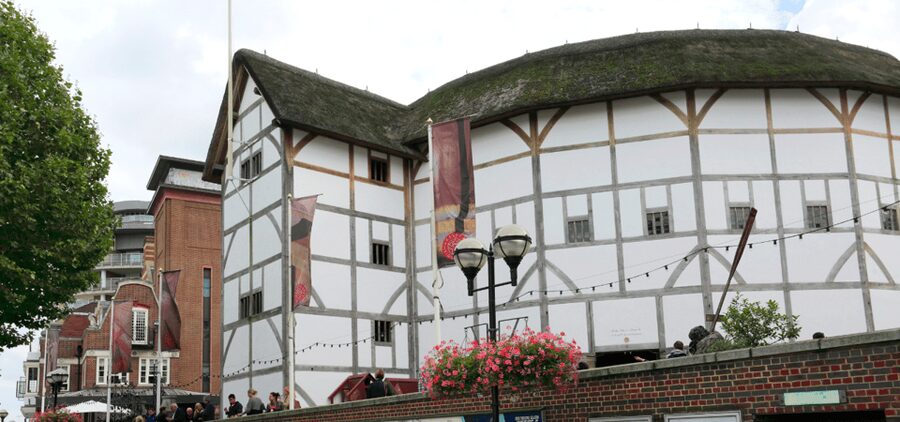
Then you’ll move into Shakespeare territory: the app guides you to the original site of the Globe Theatre, and then toward Shakespeare’s Globe for a theatrical experience of Shakespeare’s works. What makes this pairing work is pacing. Market first lets you reset. Then theatre sites feel like a natural step—London history isn’t only politics and war; it’s also art that shaped how people think and perform stories.
Tate Modern and Cardinals Wharf: when modern culture joins the story

The route continues with Cardinals Wharf and Tate Modern, keeping the timeline moving without turning into a museum checklist. Tate Modern is one of the most famous modern art destinations in London, and this tour’s approach is smart: it doesn’t require you to treat every stop as a ticketed event. You can use the area for orientation, structure, and context, then decide how deep you want to go.
This is also where the app format shines if you’re not a hard-planner. You can linger if you want, or move on if you’re aiming to stay on schedule.
Millennium Bridge to St Paul’s Cathedral: classic London payoff
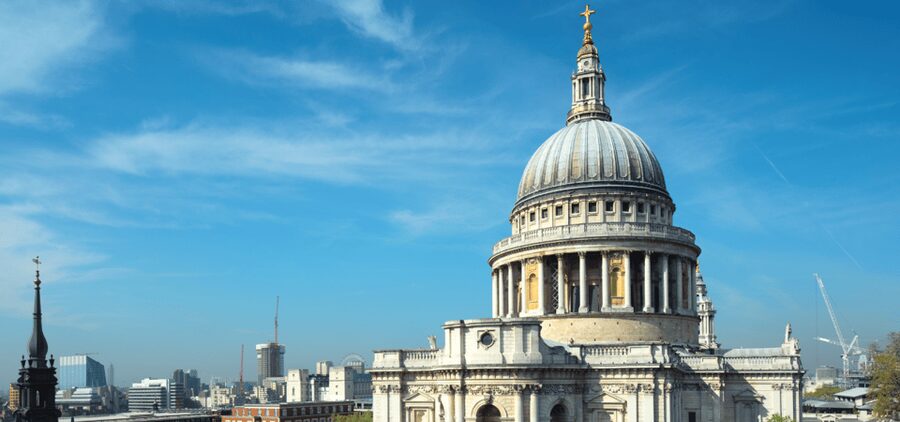
To finish, you’ll cross the Millennium Bridge and reach St Paul’s Cathedral, one of London’s most recognizable architecture moments. This is the kind of stop that feels like a reward, but it also has practical value: St Paul’s gives you a clean visual end point, so you’re not wandering wondering whether you’ve covered the essentials.
If you’re the type who likes a final “wow” before you check out dinner plans, this ending helps. The bridge also makes a nice transition space, since it’s both walkway and viewpoint.
Price and timing: why $9 for 3 hours can be a good deal
At $9 per person for about 3 hours, this tour is built for value. You’re not paying for a museum ticket. You’re paying for the narration engine: access to the Trippy Tour Guide app, 30+ narration points, and directions that connect the stops into a single story.
The real cost you should budget for is the optional or required entry fees. Sky Garden entry is not included, and that’s the biggest one named. So the best way to think about value is this: if you plan to visit Sky Garden, the tour becomes a strong “story + viewpoint” combo. If you don’t, it still works as a low-cost way to walk a meaningful route with guided context.
Because it’s self-guided, it also fits differently than a ticketed guided tour. You can stretch a stop if the mood hits you, or skim if you’re running tight.
How the Trippy Tour Guide app controls your experience
This is where you should pay attention, because the app is the guide. You’ll need a charged smartphone, the downloaded app, and (ideally) the tour downloaded using Wi‑Fi before you start. Stories play automatically as you go, and you can start, stop, replay, or rewind whenever you want.
That control matters. It means you can:
- Pause to take photos without losing the narrative thread
- Rewind if you want to catch a detail
- Skip a section if you already know the story
One caution: a self-guided app depends on the phone. If your battery is weak or the app misbehaves, you’ll feel it immediately. Some people have run into app problems mid-route, so I recommend traveling with a power bank if you can. Also, the narration voice may feel very synthetic to some listeners, so if you strongly prefer human-guided audio, keep that in mind.
Walking suitability: who will enjoy this most
This tour suits you best if you:
- Like history in a timeline, not in scattered stops
- Enjoy audio-guided wandering where you control pacing
- Want a practical orientation route early in your trip
It may feel less ideal if you want a strictly structured experience with a human guide, or if you dislike relying on your phone for direction and storytelling. Since there’s no in-person guide included, the experience works best when you’re comfortable navigating and reading the app cues.
It also helps that the route spans multiple “London modes”: Roman traces, medieval sites, the Tower area, bridges and riverside views, war history, art stops, and a grand cathedral finish.
Should you book this self-guided London history tour?
I’d book it if you want a low-cost, high-coverage way to understand London’s big themes in one 3-hour walk. It’s especially worth it when you treat it like a framework: use the audio to connect the dots, then decide on your own whether to add extra ticketed experiences like Sky Garden.
Skip booking if you’re traveling with limited phone reliability, you hate app-controlled audio, or you absolutely need an in-person guide to handle questions on the spot. If your phone battery and Wi‑Fi pre-download are handled well, this tour gives you a lot of storytelling lift for the price.
FAQ
How long is the London History City Tour with an app?
The tour lasts about 3 hours.
What does the tour cost?
It’s listed at $9 per person.
Do I need an entry ticket for Sky Garden?
Sky Garden entry is not included, so you’d need a separate ticket if you want to go in.
Is there an in-person guide?
No. This is self-guided, using the Trippy Tour Guide app.
Where do I start the tour?
After you download the app, you’ll be directed to the starting point inside the app.
Which languages are available for the audio?
The audio is available in English, Spanish, German, French, Chinese, and Italian.
What do I need to bring?
Bring a charged smartphone, the downloaded app, and water.
Does the audio play automatically, or do I control it?
Stories play automatically as you go. You can also start, stop, replay, or rewind the audio.
Can I cancel for a refund?
Yes. Free cancellation is available up to 24 hours in advance for a full refund.