REVIEW · WEST VIRGINIA
New River Gorge National Park Self-Guided Driving Audio Tour
Book on Viator →Operated by Travel with Action · Bookable on Viator
A scenic drive with stories you can hear. This self-guided New River Gorge driving audio tour turns 62+ miles into about 2–3 hours of waterfalls, overlooks, and coal-town history, with audio that follows your position. I love the offline maps (so signal dropouts don’t wreck your day), and I love that the stories run hands-free as you keep driving and stopping.
One thing to plan for: you still need a park entrance pass for New River Gorge National Park, and it isn’t included. Also, you’ll want to download the tour content on strong Wi-Fi/cellular before you start, then connect your phone to your car audio (Bluetooth, USB, or AUX) for the smoothest experience.
In This Review
- Key highlights to look for
- Price and value: $16.99 per group, not per person
- Setup that matters: download, password, and car sound
- How long this really takes: 2–3 hours on 62+ miles
- Stop 1: Wolf Creek Falls and the Kaymoor Trail story
- Stop 2: Fayetteville and why Lafayette shows up
- Stop 3: New River Gorge Park naming, Tunney Hunsaker, and Muhammad Ali
- Stop 4: Concho Rim Overlook for the horseshoe bend view
- Stop 5: Oak Hill and the 1952 snowstorm tale
- Stop 6: Dunloup Falls where creek meets New River
- Stop 7: Mount Hope and how coal shaped the town
- Stop 8: Thomas Burford Pugh Memorial Bridge and the old toll
- Stop 9: Quinnimont and nearly 500 people tied to mines
- Stop 10: Layland Miners Memorial and the abandoned company houses
- Stop 11: Meadow Bridge and Sandstone Falls, the New River’s biggest drop series
- Park pass reminder: the tour doesn’t cover entry
- Who this driving audio tour is best for
- Should you book it?
- FAQ
- How much does the New River Gorge National Park self-guided driving audio tour cost?
- How long does the tour take?
- Is the tour only available in English?
- Does the price include New River Gorge National Park admission?
- Do I need cellular service during the drive?
- Where does the tour start and end?
- What do I do after I book?
- How do I begin the audio once I arrive?
- Can I pause and resume the tour?
- What is the cancellation policy?
Key highlights to look for
- Offline-ready audio and maps, so you’re not trapped by spotty reception
- Location-triggered stories that play automatically as you reach each stop
- Turn-by-turn feel without a guide car, since you control pacing and breaks
- 62+ miles of highlights, from Wolf Creek Falls to Sandstone Falls
- Value built for groups up to 4, priced per car instead of per person
Price and value: $16.99 per group, not per person
At $16.99 per group (up to 4 people), this is one of the rare tour deals that can feel fair even if you’re traveling as a small family or a couple with friends. Instead of paying for each head, you buy once and share the audio from your car.
You also get new lifetime access with no expiry. That matters because New River Gorge is the kind of place you might want to revisit for another viewpoint, another waterfall, or a different season when the river looks totally different.
The catch is simple: the tour price covers the audio experience, but park admission passes are not included. If you haven’t priced in that extra cost, the total day budget can surprise you.
You can also read our reviews of more tours and experiences in West Virginia.
Setup that matters: download, password, and car sound
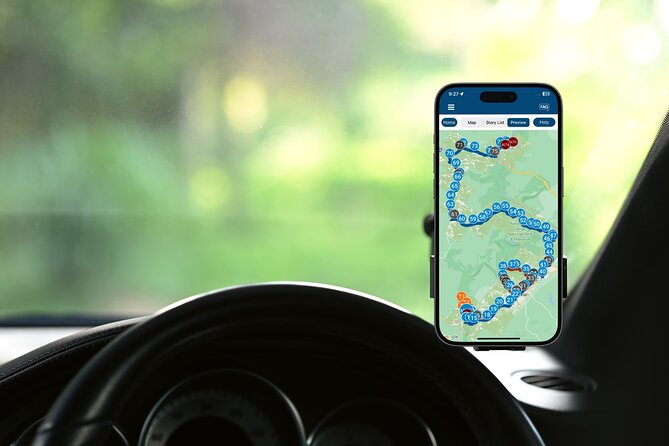
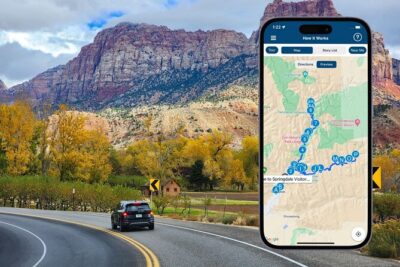
Before you drive, the key step is making sure the tour is ready offline. After booking, you get an email and text with setup instructions and a password. You also download the separate Action’s Tour Guide App, and you must do that download while you’re on strong Wi-Fi/cellular. After that, it’s designed to work offline.
Once you’re onsite, you open the app and start the correct tour version for your planned starting point and direction. The audio then plays based on where you are, so you’re not constantly tapping the screen.
For sound, connect your phone to the car stereo using Bluetooth, USB, or AUX. It’s also compatible with Apple CarPlay, and Android Auto support is noted as on the way. If you’re doing any short walking segments, consider using headphones so you can hear clearly without straining your car volume.
How long this really takes: 2–3 hours on 62+ miles
Plan for about 2–3 hours to complete the drive. The full route is 62+ miles long and includes more than 69 audio stories, so it’s not a rushed hit-and-go tour. Most stops are timed at around 10 minutes, which is a good rhythm for pulling over, taking a few photos, and letting the story finish.
You can start anytime, pause anywhere, and keep going at your own pace. That flexibility is especially helpful in real life, where you’ll sometimes want extra minutes at a viewpoint or a quick stretch stop without feeling like you’re falling behind a bus schedule.
Just remember: the audio experience depends on you following the tour route and staying within posted speed limits. No one wants a great story cut short by a ticket.
Stop 1: Wolf Creek Falls and the Kaymoor Trail story
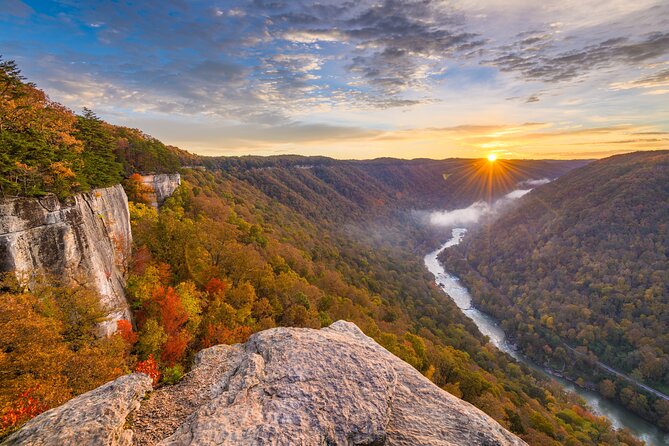
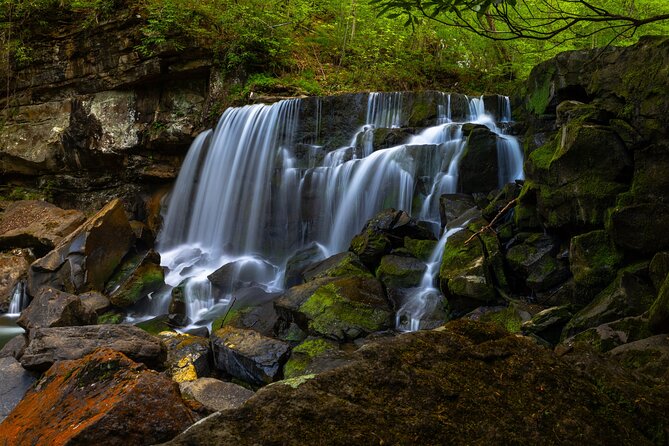
Wolf Creek Falls is one of those stops that feels instant. You’ll come up on it after about half a mile, with the audio pointing you toward nearby trails and the gorge context.
The tour notes that the Kaymoor Trail runs alongside the gorge for about 16 miles, and that Wolf Creek Falls sits roughly 500 feet down that trail route. Even if you’re not doing the full hike, the story helps you understand why this area attracts hikers in the first place.
Practical tip: pull off safely, start listening, and decide fast whether you want quick photo time only or a short walk toward the best vantage you can manage.
Stop 2: Fayetteville and why Lafayette shows up
Fayetteville’s name isn’t random trivia. The tour explains that it comes from the Marquis de Lafayette, the Frenchman who served as an essential advisor and general to George Washington during the Revolutionary War.
It’s a neat moment of American history layered onto a place that otherwise feels tied to rivers, work, and rock. You’ll only spend about 10 minutes here, but that’s enough time to make the town feel less generic and more specific.
If you like local naming stories, this stop is a quick payoff with minimal effort.
Stop 3: New River Gorge Park naming, Tunney Hunsaker, and Muhammad Ali
This is a fun detour from the usual park storytelling. The tour explains that New River Gorge is named for Tunney Hunsaker, a police chief from Fayetteville, and it adds a sports twist: Hunsaker was Muhammad Ali’s first professional opponent.
Ali beat him, but the story emphasizes that it wasn’t a walkover. It’s a reminder that places like this aren’t only about mining and hiking; they’re also connected to people and events that travel far beyond the region.
Stick around for the full audio segment here, because the meaning lands best when the story flows without you rushing past it.
Stop 4: Concho Rim Overlook for the horseshoe bend view
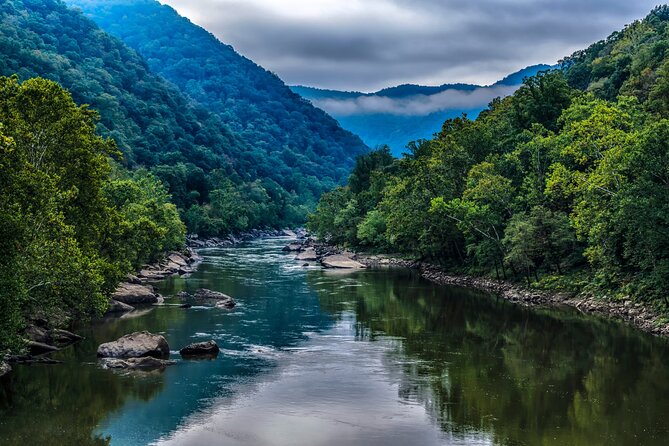
At Concho Rim Overlook, the audio frames what you’re looking at: a dramatic horseshoe-shaped bend of the New River. The tour also mentions a detour that takes you a little off the beaten path, which is often where the best sightlines are.
This stop is about getting your eyes oriented to how the river cuts through the gorge. It makes the next waterfalls and bridges feel like chapters in the same story, not random roadside stops.
Practical tip: bring a bit of patience here. Even a short overlook can take longer than you think once you’re trying to find the exact angle the audio is pointing out.
Stop 5: Oak Hill and the 1952 snowstorm tale
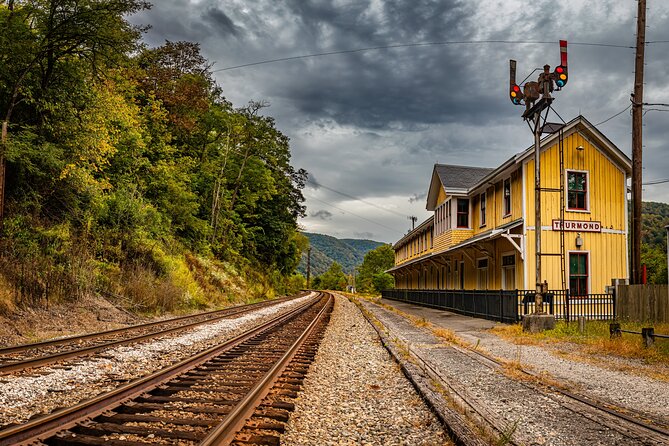
Oak Hill’s stop is built around a single moment: a 1952 snowstorm that swept across the South and left Williams stuck in Montgomery, Alabama. The tour story says Williams hired a college student named Charlie Carr to drive all the way to Ohio.
It’s the kind of human detail that makes a small town feel real. Instead of sounding like a textbook, the story gives you a clear cause-and-effect chain: weather created a problem, and people solved it.
Give this one your full 10 minutes. Even without a long walk, the story makes the region feel lived-in.
Stop 6: Dunloup Falls where creek meets New River
Dunloup Falls is all about the junction. The audio describes Dunloup Creek intersects with the New River, and then the water drops about 20 feet down a sandstone shelf.
This stop is usually where you’ll catch your breath, because the geology and the motion of water come together in a simple, easy-to-understand scene. The short time on the schedule is enough for you to listen and take in the falls before moving on.
Practical tip: focus on the sandstone shelf shape and the way the creek feeds the river. When you do, the waterfall stops feeling like a single point and starts feeling like part of a system.
Stop 7: Mount Hope and how coal shaped the town
Mount Hope’s story starts with coal. The tour explains that coal was discovered in the late 1800s near Turkey Knob, and that miners and their families soon reshaped the area.
It’s a classic Appalachian pattern, but the audio makes it more than a theme. You get the sense of how quickly a town can form around a single resource—and how that history lingers long after the mining era fades.
If you’re even mildly interested in how working landscapes become communities, this stop pays off.
Stop 8: Thomas Burford Pugh Memorial Bridge and the old toll
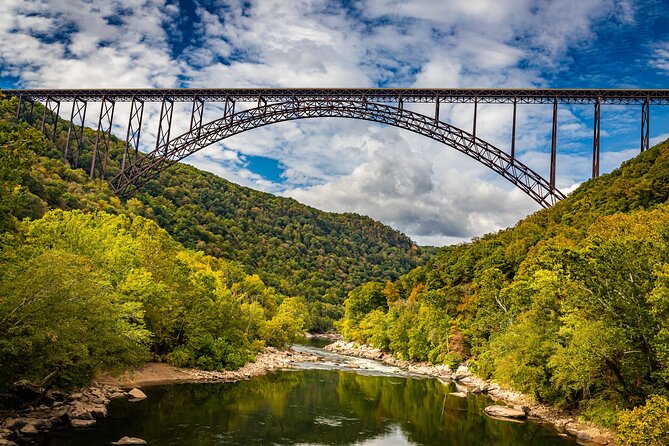
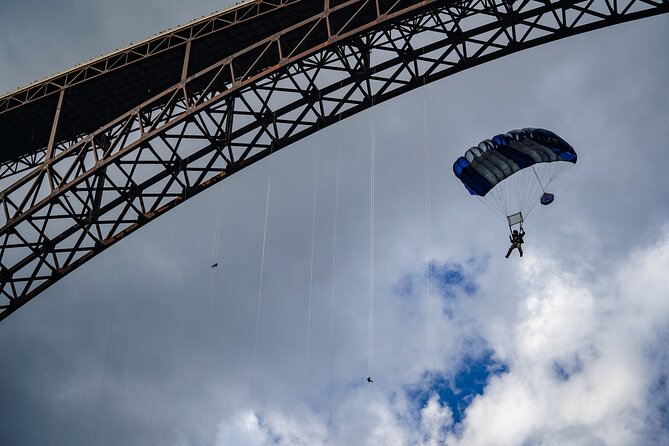
Crossing the New River at Prince is where the tour shifts from towns to infrastructure. The bridge is named Thomas Burford Pugh Memorial Bridge, and the story notes that driving over it today is free.
In the 1930s, though, the audio says drivers once paid a 25-cent toll. The narration ties that cost to the Great Depression era, which adds weight to what would otherwise be a simple roadside fact.
This is a good stop to listen to while you drive slowly, then glance out as you cross. You’ll feel the river’s scale more once the story sets it up.
Stop 9: Quinnimont and nearly 500 people tied to mines
Quinnimont gets a quick but meaningful snapshot. The tour notes that at one time nearly 500 people lived there, and that almost everyone had some connection to nearby mines.
That’s an effective scale check. It helps you understand what “company town” means in human terms—more than buildings, it was daily life, work routes, and family survival tied to the mine economy.
For about 10 minutes, it’s worth listening closely rather than treating it as another quick pull-off.
Stop 10: Layland Miners Memorial and the abandoned company houses
Layland is presented as the remnants of a former coal town. The audio encourages you to watch for a set of abandoned coal company houses, explaining that they were owned by the mining company and rented to impoverished workers.
This stop leans into the social side of mining history, not just the machinery and geography. The broken-down houses are a physical reminder that the economic system shaped housing too.
Practical tip: walk only where it’s safe and allowed. Let the audio do the heavy lifting; you’re not trying to explore the ruins for hours.
Stop 11: Meadow Bridge and Sandstone Falls, the New River’s biggest drop series
Meadow Bridge shifts the story from coal to timber. The audio notes that nearby the Meadow River Lumber Company cut and sold millions of feet of lumber, which turned the area into the region’s first real timber town on this route.
Then you move to Sandstone Falls, where the audio sets the scale: these are the largest series of falls on the entire New River. The story says they formed over millennia as the New River eroded softer rock beneath sandstone layers.
This pair of stops works well at the end because it sums up the theme: work shaped the region (coal and timber), and the river shaped the land (erosion and falls). You finish with sights you can actually point to and a story that explains why they look the way they do.
Park pass reminder: the tour doesn’t cover entry
You’ll need a park entrance pass to visit New River Gorge National Park, and the tour does not include that. The audio experience handles the storytelling and offline playback, but it can’t substitute for the standard admission process.
If you’re planning a full day, I’d budget for that upfront so you can focus on the drive, not paperwork.
Who this driving audio tour is best for
I think this works best if you like independence and you don’t want to follow a group’s pace. The hands-free, location-triggered audio helps you see and learn without constantly stopping to read signs.
It’s also a solid choice for families or small groups because the price is per group up to 4, and you’ll all hear the same stories. If you’re traveling with mixed interests, the mix of falls, overlooks, and work-history moments can keep everyone reasonably engaged.
If you prefer a live guide who can answer questions on the fly, this won’t replace that. It’s self-guided, so you get great content, but you won’t get real-time conversation.
Should you book it?
Book it if you want a practical, offline-ready way to learn New River Gorge without paying for a bus ride or scheduling around a guide. The combination of 62+ miles, more than 69 stories, and the lifetime access makes the price easier to justify, especially for a group of up to four.
Skip it if you’re only looking for a quick look at one or two famous stops and you’re already comfortable using free park resources. For a fuller drive with context, though, this audio tour is a strong way to turn windshield time into something memorable.
FAQ
How much does the New River Gorge National Park self-guided driving audio tour cost?
It costs $16.99 per group, up to 4 people.
How long does the tour take?
The drive typically takes about 2 to 3 hours to complete.
Is the tour only available in English?
Yes, the audio tour is offered in English.
Does the price include New River Gorge National Park admission?
No. Park entrance passes are required and are not included with the tour.
Do I need cellular service during the drive?
No. The tour includes offline maps and is designed to work without cellular or Wi-Fi after the initial download.
Where does the tour start and end?
It starts at Canyon Rim Visitor Center, 162 Visitor Center Rd, Lansing, WV 25862, USA, and it ends near Q33W+3JX, Sandstone, WV 25976, USA.
What do I do after I book?
You’ll receive an email and text with setup instructions and a password. Then you download the Action’s Tour Guide App while you’re on strong Wi-Fi/cellular.
How do I begin the audio once I arrive?
You open the Action’s Tour Guide app onsite, select the correct tour if needed, then start at the first story point. The audio begins automatically at that first location.
Can I pause and resume the tour?
Yes. You can start anytime, pause anywhere, and continue at your own pace.
What is the cancellation policy?
You can cancel for free up to 24 hours in advance for a full refund. If you cancel less than 24 hours before the start time, you won’t get a refund.