REVIEW · KRAKOW
Krakow: Vodka Factory Museum Ticket & Audioguide and Tasting
Book on GetYourGuide →Operated by Discover Cracow · Bookable on GetYourGuide
Vodka history has a surprisingly serious atmosphere. In Krakow’s Vodka Factory Museum, you tour a former distillery site with nearly 1,500m2 of interactive exhibits spread across seven themed sections. It’s not a stuffy history room; it’s built to help you see how vodka became industry, politics, and culture.
Two things I really like: the self-paced format (you have unlimited time inside) and the fact that the story is told with an in-depth audioguide in multiple languages. You can settle into the exhibits and then finish with a vodka tasting that ties the whole visit together.
One drawback to keep in mind is the price. At $22, it’s worth it only if you’ll actually use the museum time and not just rush to the tasting. Also, if it’s busy, you can be looking at a 15–30 minute wait to enter—so pick your timing with that in mind.
In This Review
- Key things to know before you go
- Where the Vodka Factory Museum really is: Fabryczna City at 13 Fabryczna Street
- Skipping the ticket line and getting settled fast
- Seven thematic halls: from medieval distillation to the President’s office
- Medieval distillation apparatus: where the process starts
- A noble court feast: vodka as status, not just spirit
- The distillery revolution and industrial vodka production
- An interwar period bar: vodka meets daily life
- The square in front of Distillery No. 11 and the railway siding
- An agricultural distillery and the raw-material link
- Bottling and loading facilities: the last mile of production
- The wall of memories and the People’s Republic of Poland
- The President’s office: politics shows up in the bottle
- A cozy cinema hall: wrap it up with media
- Using the multilingual audioguide without getting lost in your own pace
- The vodka tasting at the end: why it’s worth planning around
- Price and value: is $22 actually fair for this museum ticket?
- Who this works for (and who should skip it)
- Quick practical tips for a smoother visit
- Should you book this vodka museum ticket?
- FAQ
- How long does the Vodka Factory Museum visit take?
- Where is the Vodka Factory Museum located?
- Is the audioguide included, and what languages are available?
- Do I need a live guide?
- Is there a vodka tasting?
- How much time do I get in the museum?
- Will I have to wait to enter?
- What is included in the ticket price?
- Is skip-the-ticket-line entry included?
- Is the museum wheelchair accessible?
- Is there free cancellation or reserve-and-pay-later options?
Key things to know before you go
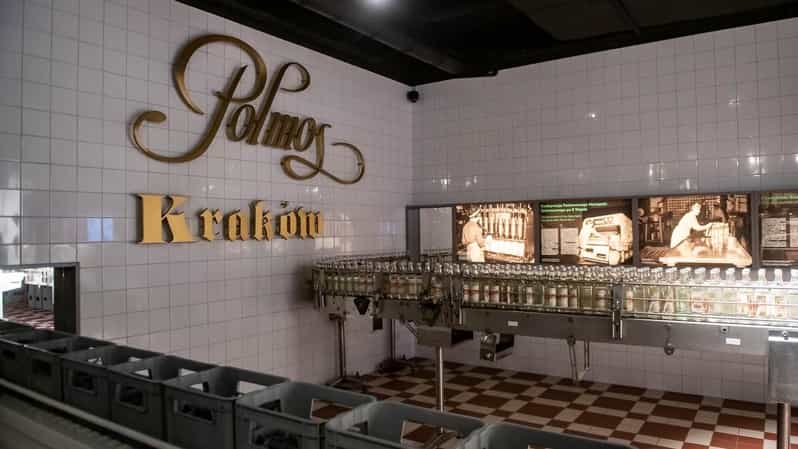
- Historic distillery setting: The museum is in former Vodka Distillery No. 11 / Polmos Distillery buildings in Fabryczna City.
- Interactive, not just display cases: Nearly 1,500m2 of hands-on and multimedia attractions.
- Seven thematic halls: From medieval distillation gear to an interwar bar and a President’s office.
- Multilingual audioguide: English, German, French, Italian, and Ukrainian (great for accuracy and pacing).
- Unlimited time inside: Plan for roughly 1.5 hours, but you can take longer.
- Finish with a tasting: The end is designed to make the visit feel complete.
Where the Vodka Factory Museum really is: Fabryczna City at 13 Fabryczna Street
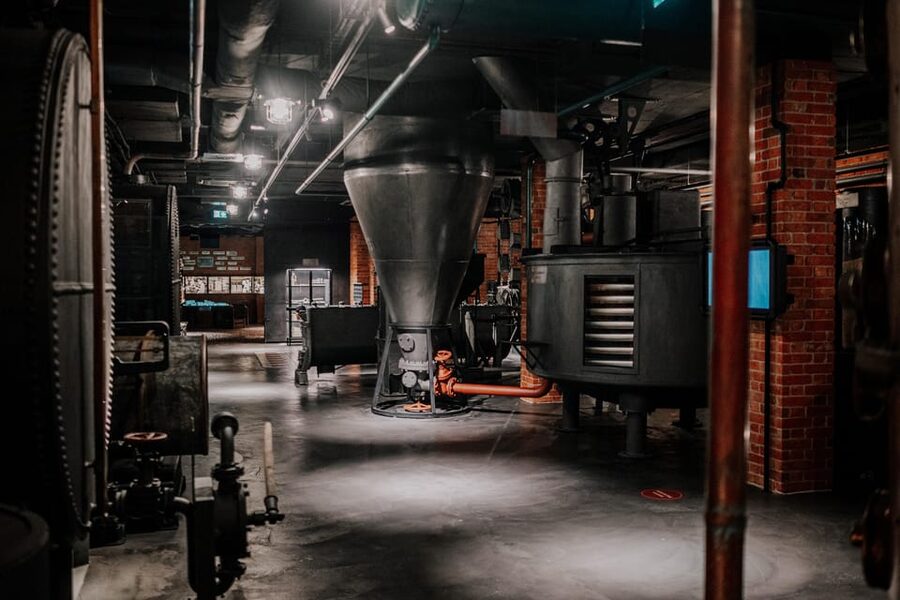
The Vodka Factory Museum sits at 13 Fabryczna Street, inside the Fabryczna City complex. That matters because it keeps your visit simple: you’re not zig-zagging across old town streets or hunting for a tiny sign in a maze. The museum is housed in one of the historic buildings linked to the former Vodka Distillery No. 11, later connected with the Polmos Distillery line.
In other words, you’re touring the real industrial shell of vodka production history, not just a themed set built to look like it. The setting helps the exhibits land better—especially if you’re the type who likes the “how did this work?” angle.
You can also read our reviews of more tours and experiences in Krakow.

Skipping the ticket line and getting settled fast
Your visit starts at the museum itself, and the ticket includes skip-the-ticket-line entry. That sounds small, but it’s practical in a place that can get busy. You also get a host/greeter on site (English), but this is not a guided tour with a live guide. You’ll rely on the museum flow plus the included audioguide.
You should plan to use the museum time in a way that matches your curiosity. If you love tech and production, you’ll spend longer in the earlier and more industrial sections. If you’re more into how vodka became political and social, you’ll naturally lean toward the bar/office-style areas and the memory wall.
Seven thematic halls: from medieval distillation to the President’s office
The exhibition runs through seven thematic halls across nearly 1,500m2. The format is designed to move from origins to modernization to social life. The museum also uses multimedia attractions, so it’s not only reading panels.
Here’s what you can expect as you make your way through the halls:
Medieval distillation apparatus: where the process starts
One of the first highlights focuses on medieval distillation apparatus and older production methods. If you’ve ever wondered why distilling alcohol mattered so much, this is where the museum gives you that foundation. Even if you’re not a “vodka geek,” the equipment visuals make the science feel concrete.
Practical tip: slow down here. The museum’s later sections make more sense once you’ve seen what production looked like before industrial scale.
A noble court feast: vodka as status, not just spirit
Next, you’ll encounter a noble court feast themed section. This is the museum reminding you that alcohol wasn’t only about getting drunk—it also showed power, hospitality, and social hierarchy. It’s an easy transition from equipment to people, which is good if you want the story to feel human.
The distillery revolution and industrial vodka production
Then the exhibits shift into modernization: the distillery revolution and industrial vodka production. This is where the museum connects technology with economics and scale—how production changes when it stops being small-batch and starts becoming an industry.
If you like “then and now” comparisons, this section is one of the most useful. You’ll see how the process evolves rather than just learning that it evolved.
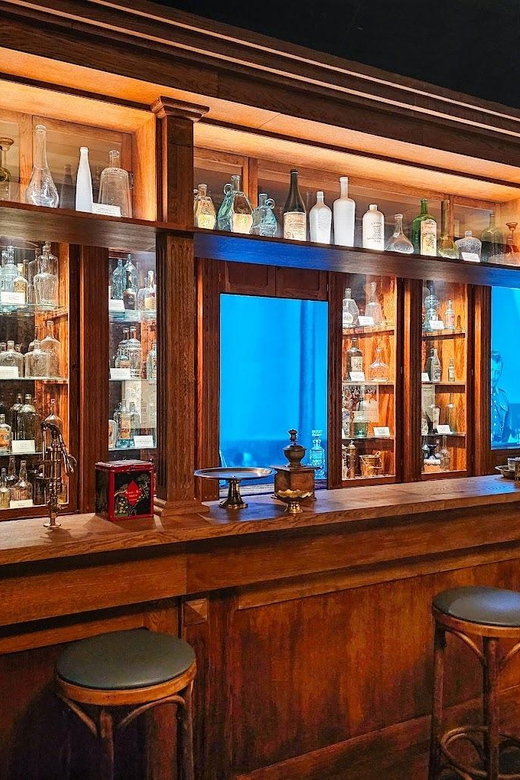
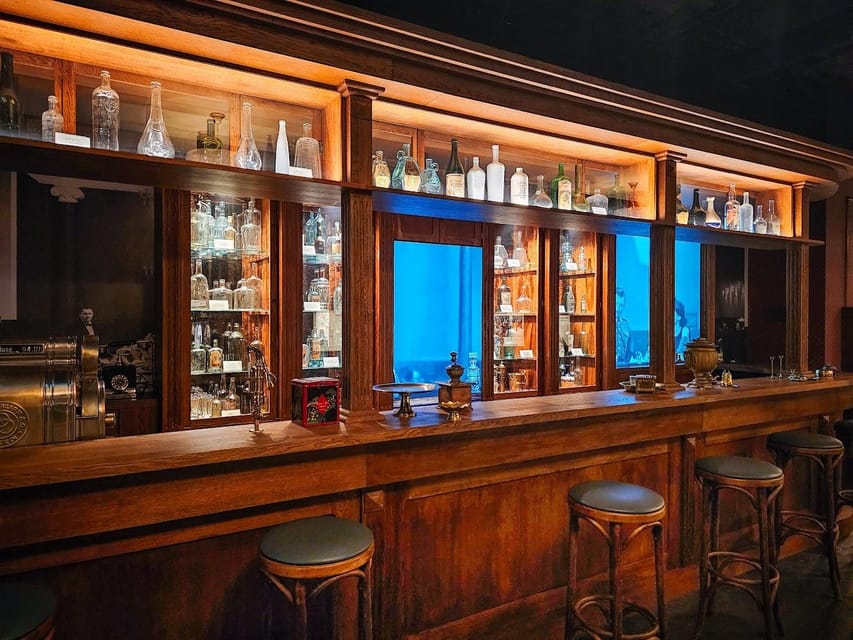
An interwar period bar: vodka meets daily life
The interwar period bar section is where history becomes atmosphere. It’s a social-history stop, and it helps you understand vodka as part of everyday life and local culture during that era.
You don’t need to be a history student to enjoy this one. It’s also a good place to take a breather if you’ve spent a while reading earlier technical parts.
The square in front of Distillery No. 11 and the railway siding
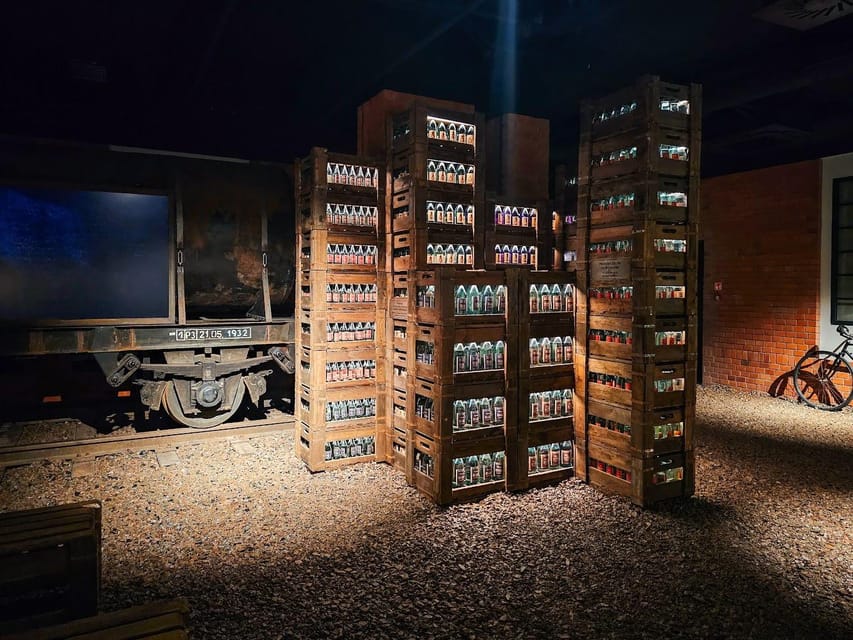
The museum includes the square in front of Vodka Distillery No. 11 and a railway siding theme. This is a reminder of what industrial alcohol required: logistics. Rail connections mean distribution, shipping, and mass availability.
I like this stop because it shows that production is only half the story. The other half is movement—getting bottles from factory to market.
An agricultural distillery and the raw-material link
Another thematic area focuses on an agricultural distillery. This ties vodka back to land and inputs rather than treating it like it appeared from nowhere. It’s especially helpful if your mental picture is purely “factory machines.”
You’ll start to see vodka production as a chain: agriculture → distillation → industrial scaling → distribution.
Bottling and loading facilities: the last mile of production
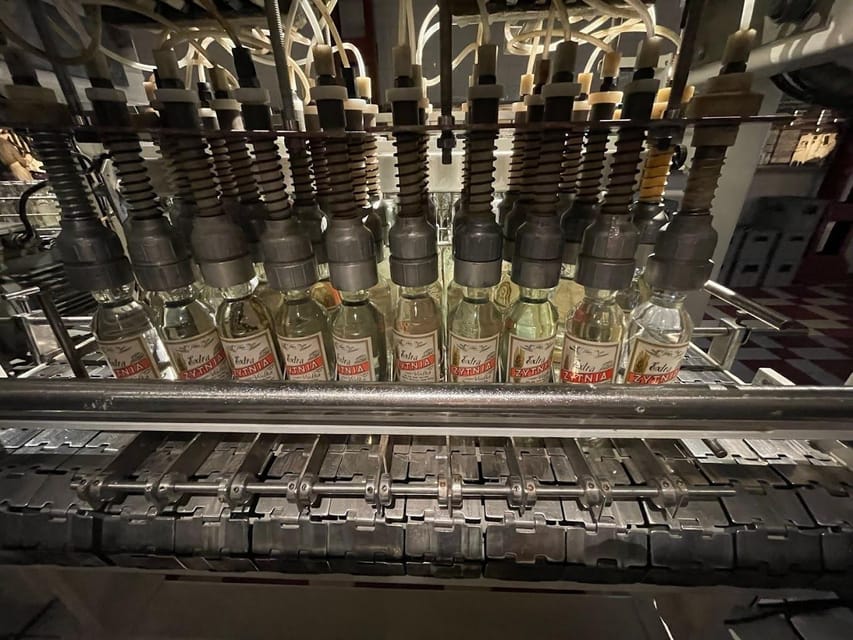
The bottling and loading facilities for finished products section brings you back to the end of the process. It’s a practical counterweight to the more story-driven halls.
If you pay attention here, you’ll walk away with a better sense of the full lifecycle of a product: packaging, shipping, and the infrastructure that keeps it moving.
The wall of memories and the People’s Republic of Poland
Then comes the wall of memories featuring vodkas from the People’s Republic of Poland. This is less about machinery and more about identity and what was on shelves. It’s a strong “human scale” moment because it turns policy-era production into lived experience.
The President’s office: politics shows up in the bottle
A President’s office themed area appears later in the flow. It signals that vodka isn’t only industrial history; it also intersects with leadership and state life. Even if you read only part of what’s there, the idea is clear: vodka had cultural weight.
A cozy cinema hall: wrap it up with media
Finally, there’s a cozy cinema hall. This is a good endcap because it gathers the story beats into a more digestible format, often letting images and audio do some of the heavy lifting.
For most people, this last stop makes the visit feel less like a set of rooms and more like a complete narrative.
Using the multilingual audioguide without getting lost in your own pace
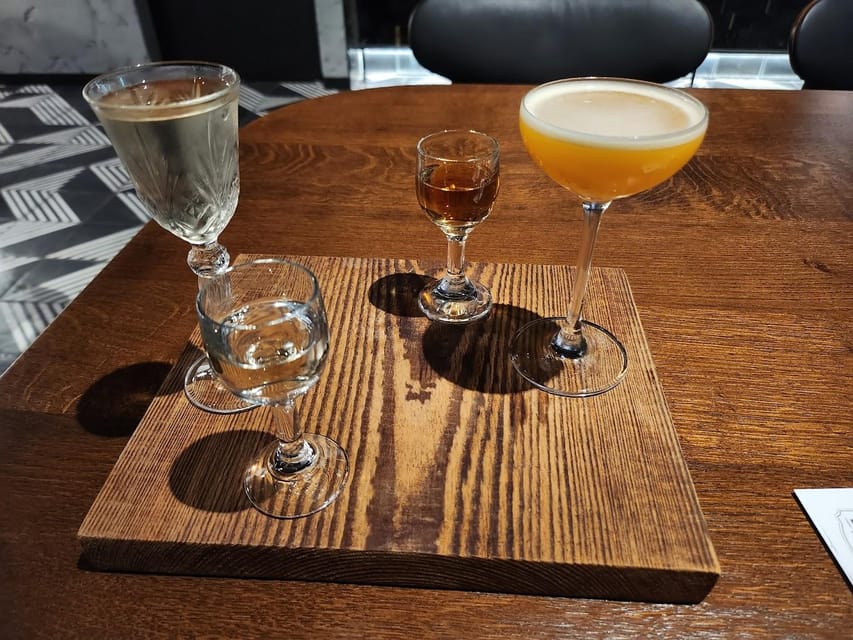
The audioguide is included and available in English, German, French, Italian, and Ukrainian. That’s a big deal for value, because museum labels can only cover so much. With the audio, you can get context while keeping your eyes on what matters: the objects, the room themes, and the production story.
How to get the best experience:
- Use the audioguide to follow the hall sequence instead of jumping around.
- Spend a little extra time in the early technical sections so the later social/political sections click.
- If you’re short on time, aim for a “checkpoints” approach: medieval apparatus, industrial shift, and at least one social/political room (bar, memories wall, or President’s office).
You’ll have around one and a half hours for the main flow, but the museum gives you unlimited time to explore at your own pace. That flexibility is useful if you’re a slower reader or if one hall really grabs you.
The vodka tasting at the end: why it’s worth planning around
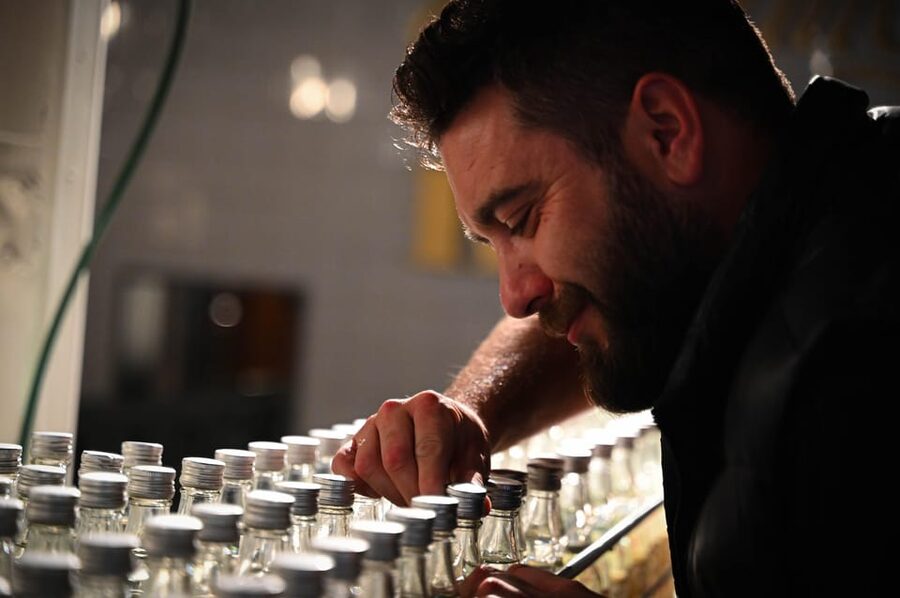
The experience concludes with a vodka tasting. This is the part where the museum stops being only educational and becomes memorable. The tasting is also where the museum’s whole narrative converges: production history, culture, and identity all become something you actually finish with.
A practical way to handle it: don’t treat the tasting as an afterthought. If you rush the exhibits, you’ll miss the context that makes the tasting more interesting. I’d rather see you spend a bit longer through the seven halls, then finish relaxed.
Also keep in mind the timing. On busy days, entry can involve a 15–30 minute wait, so if you’re juggling another plan right after, leave a buffer.
Price and value: is $22 actually fair for this museum ticket?
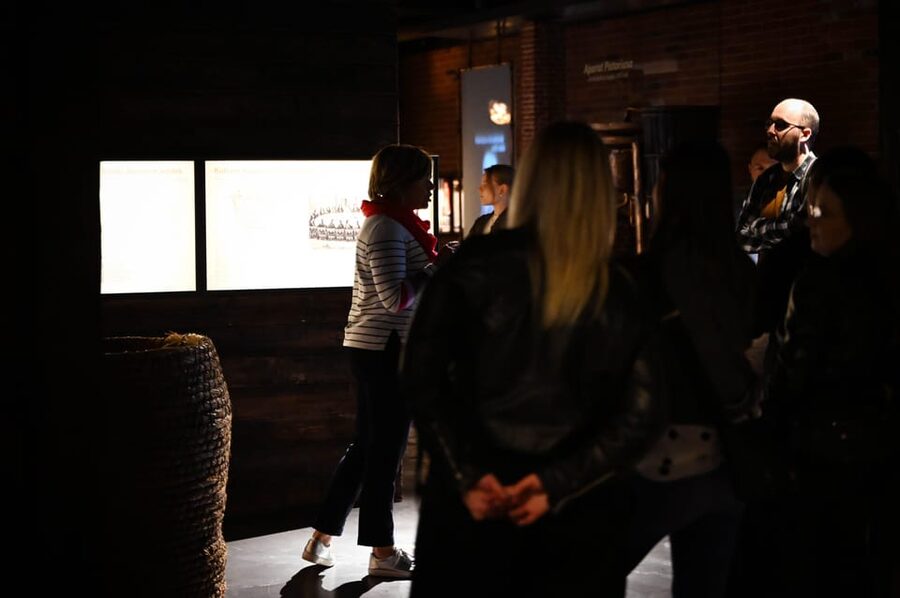
At $22 per person, this ticket sits in the “mid-price” zone for Krakow. Here’s the real value math:
You get:
- Entrance to a museum with nearly 1,500m2 of interactive space
- Unlimited time inside
- A vodka tasting included
- A multilingual audioguide (multiple languages)
What you don’t get:
- A live guide service
So if you’re the kind of visitor who likes museums and wants the tasting payoff, $22 starts to make sense. If you only care about tasting, you’d likely feel the cost quickly—because most of the experience time is the exhibition itself.
My take: this is good value for people who enjoy understanding how something got made and how it became part of society. It’s less ideal if you want a lively, talk-to-a-human guided experience.
Who this works for (and who should skip it)
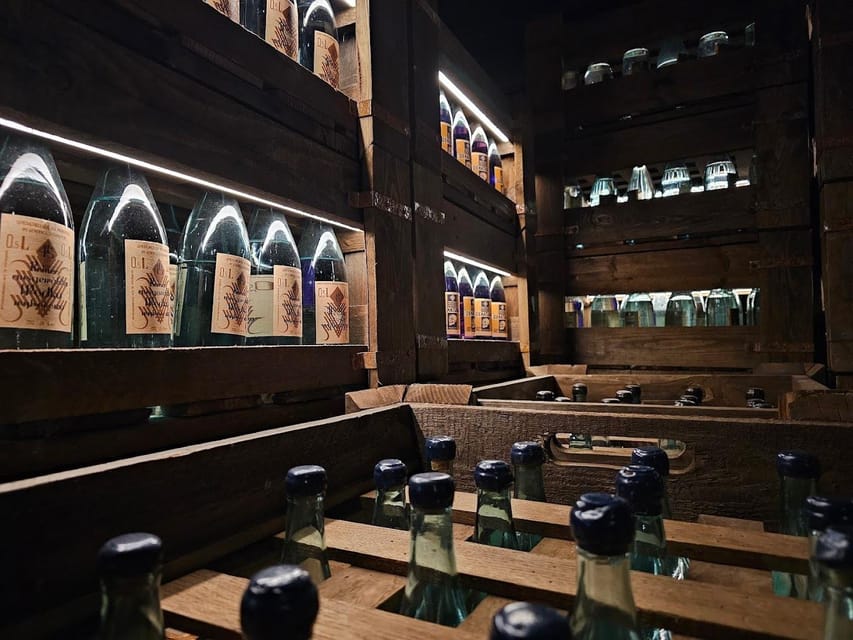
This ticket fits best if you:
- Like self-guided museums where you can control your pace
- Enjoy industrial history and cultural history
- Want a structured story across multiple rooms (seven thematic halls)
- Appreciate audioguides and want them in your language
You might want to think twice if:
- You dislike alcohol tastings or prefer experiences without any tasting component
- You’re looking for a live guide who answers questions in real time
- You plan to spend only a few minutes inside and skip the audioguide
Because it’s self-paced and audioguide-led, you’ll get more out of it if you actually use that audio.
Quick practical tips for a smoother visit
- Start at the museum entrance in Fabryczna City at 13 Fabryczna Street and follow the hall flow.
- If timing matters for your schedule, contact the museum ahead to confirm availability. High visitor numbers can mean a 15–30 minute wait to enter.
- Wear comfortable shoes. A lot of the value comes from moving room to room across a large exhibition space.
- If you want a calm experience, give yourself extra time so the visit doesn’t feel like a race to the tasting.
Should you book this vodka museum ticket?
Yes, I think it’s a smart booking for the right traveler. If you enjoy museums that connect production technology with everyday culture—and you like finishing with something hands-on—this is a solid use of a half-day to full-day slot in Krakow. The included audioguide and the fact that there’s a full seven-hall structure make it feel more complete than a quick tasting stop.
Skip it only if you’re mostly in it for the tasting alone or you don’t want to rely on a self-guided format. For everyone else, it’s an efficient, story-driven way to see vodka as more than a drink.
FAQ
How long does the Vodka Factory Museum visit take?
The experience is planned for about one and a half hours inside the museum, with the full ticket experience lasting for the day slot you book.
Where is the Vodka Factory Museum located?
It’s at 13 Fabryczna Street, within the Fabryczna City complex.
Is the audioguide included, and what languages are available?
Yes, the audioguide is included. It’s available in English, German, French, Italian, and Ukrainian.
Do I need a live guide?
No. A live guide service is not included. You’ll explore with the museum exhibits and the audioguide.
Is there a vodka tasting?
Yes. The visit concludes with a vodka tasting included in the ticket.
How much time do I get in the museum?
You have unlimited time to explore the exhibitions at your own pace.
Will I have to wait to enter?
If the museum is busy, entry may involve a wait time of about 15–30 minutes. It’s a good idea to confirm availability in advance.
What is included in the ticket price?
The ticket includes the entrance, unlimited time at the museum, the vodka tasting, and the audioguide.
Is skip-the-ticket-line entry included?
Yes, skip the ticket line is included with this activity.
Is the museum wheelchair accessible?
Yes, the activity is listed as wheelchair accessible.
Is there free cancellation or reserve-and-pay-later options?
Free cancellation is available up to 24 hours in advance for a full refund. You can also reserve now and pay later.