REVIEW · KRAKOW
From Krakow: Auschwitz-Birkenau and Self-Guided Day Tour
Book on GetYourGuide →Operated by Cracow Visit Tours & Transfers · Bookable on GetYourGuide
Auschwitz changes how you see the world. This day trip from Krakow is powerful and unusually practical, with self-guided pacing using an info brochure and a stop at the Judenrampe where prisoners were selected. The one real drawback: the time at Birkenau can feel tight, so you may end up moving quickly through the biggest, most spread-out parts of the site.
I like that the logistics are handled for you. You get round-trip bus transportation plus a guide/host’s help getting your admission sorted, then you walk the memorial at your own tempo. Just plan for a long, emotionally heavy day and a lot of walking—this isn’t the kind of tour where you can coast.
In This Review
- Key Highlights Worth Planning For
- Krakow Pickup and the Early-Day Reality Check
- Ticket Pickup and Entry Help Without a Full Live Guide
- The Judenrampe Stop: Where Selection Became Real
- Auschwitz I (Self-Guided, About 1.5 Hours): Personal Artifacts and the “What”
- Auschwitz II-Birkenau (Self-Guided, About 40 Minutes): Seeing Scale, Feeling Rushed
- The Local Café Break: A Small Buffer in a Heavy Day
- Transportation Time: Why the 7–11 Hours Feels Longer
- Price and Value: What $21 Covers (and What It Doesn’t)
- Who This Tour Is Best For
- Practical Tips So You Don’t Get Flustered
- Should You Book This Auschwitz-Birkenau Self-Guided Day Trip?
- FAQ
- What does the tour include?
- Is there a live guide during the self-guided parts?
- How long is the visit at each main area?
- Where do you get picked up in Krakow?
- How long is the bus ride?
- What language is the support provided in?
- Do I need to bring my passport or ID?
- Are food and drinks provided?
- Are luggage and large bags allowed?
- What about cancellation?
- Is the tour suitable for people with mobility issues or wheelchairs?
Key Highlights Worth Planning For
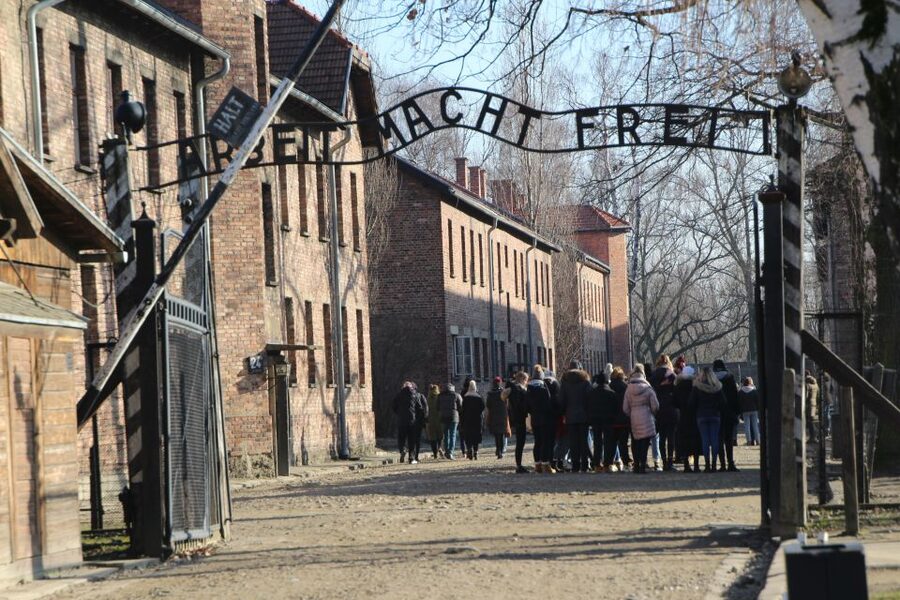
- Judenrampe stop (self-guided, ~45 minutes): the place tied to selection on arrival
- Auschwitz I self-guided time (~1.5 hours): room to linger with the exhibits and personal artifacts
- Birkenau Auschwitz II self-guided time (~40 minutes): enough to see the scale, but not always enough to slow down
- Ticket support + brochure in English: you’re not left totally on your own when entering the museum area
- Multiple drop-off points in Krakow: choose the stop that’s easiest for you
Krakow Pickup and the Early-Day Reality Check
This is a bus day trip with pick-up in Krakow, and the timing is flexible in a way that matters. Departure can fall anywhere within a wide window (between 05:30 AM and 01:30 PM), and your exact pickup time is confirmed the day before by WhatsApp, email, or phone. That means you should treat the booked time as a starting point, not a promise carved in stone.
You’ll board for roughly 1.5 hours of coach time, then the schedule builds in a break and staged visits. In plain terms: you’ll be moving most of the day, and the earlier departures are usually the smoothest way to avoid the worst crowd pressure at entry.
The comfort level of the ride can make a difference with a tour this emotionally intense. Several people praised punctual, efficient transport, and that matters when you’re going to sit still for long stretches at sites that don’t feel real. If you’re sensitive to cold mornings, pack layers. Even when everything runs well, you may still spend time waiting outside at entry points.
You can also read our reviews of more tours and experiences in Krakow.

Ticket Pickup and Entry Help Without a Full Live Guide
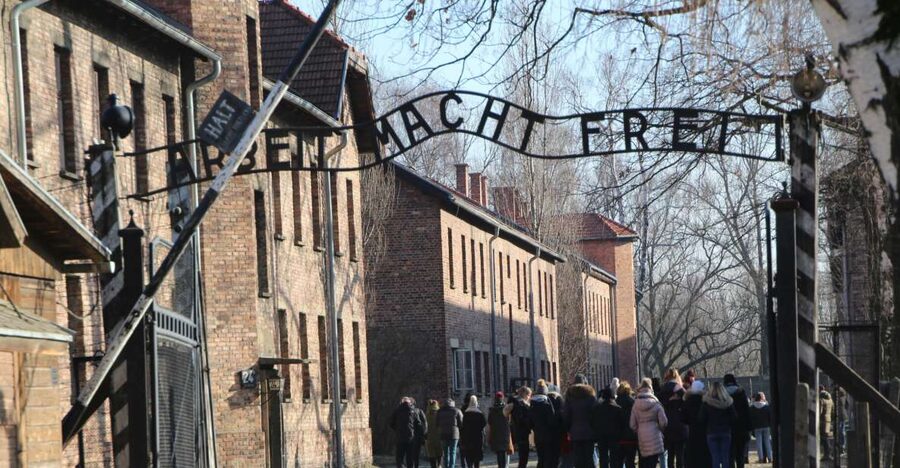
This experience includes admission tickets and museum access, but it’s not the same as a classic guided tour with a lecturer walking you from room to room. Instead, you’ll get assistance from your tour leader/host to help with getting your ticket, and then you use an info brochure in your preferred language (English here) for the self-guided route.
Here’s the practical part: even if the activity advertises skip-the-ticket-line support, real-world lines can still happen depending on how the museum’s ticketing system is running that day. A few bookings described long cold queues for paper tickets. The good news is that many groups reported the process was smoother than expected, and you typically don’t have to figure everything out alone because the team provides instructions and guidance.
You’ll want your passport or ID card ready. If you bring luggage: don’t. Large bags or luggage are not allowed, so travel light.
If you arrive flustered, you’ll waste energy you need later. Slow down at the pickup. Show up with your ID. And keep a small snack and water handy, because the day can get long.
The Judenrampe Stop: Where Selection Became Real
The tour begins with a self-guided segment at the Judenrampe, timed at about 45 minutes. This is not a “quick photo-op” stop. It’s tied to the brutal process of selection—where people were assessed and sorted as they arrived.
What makes this stop especially valuable is the way it frames the rest of the day. Before you spend time deep in Auschwitz I and then move out to Birkenau, you get a grounding point for what the Nazis were doing at the moment people entered the system.
Because the Judenrampe time is self-guided, you’ll get to decide how hard you push your focus. Some visitors like reading slowly and taking in the preserved details. Others need a short pause now and then. The brochure and the tour leader’s orientation help you move faster to the important areas without feeling lost.
Practical tip: give yourself a “walk and breathe” rhythm here. If you push too fast, the rest of Auschwitz can blur together. If you slow down too much, the day can feel rushed later—especially at Birkenau.
Auschwitz I (Self-Guided, About 1.5 Hours): Personal Artifacts and the “What”
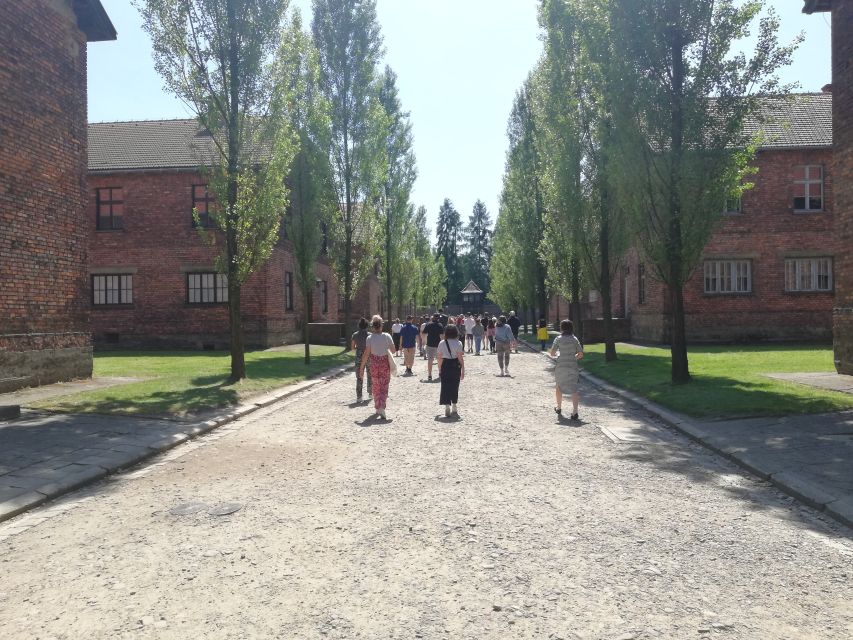
Auschwitz I is the camp section visited next, with about 1.5 hours for a self-guided route. This is where you’ll see preserved remnants and deeply moving personal artifacts, plus the story of the camp operating as both a concentration camp and an extermination site.
Why that 1.5 hours works for many people: it’s long enough to take in more than the headlines, but short enough that you won’t spend your entire day there. You also have flexibility. You can jump to the areas that hit you hardest and skip the ones you feel you already understand.
That said, the time structure does mean you should think like a planner, not a drifter. Auschwitz is large, and concentration details can be overwhelming. The most helpful move is to use the brochure actively. Don’t treat it like background reading. Mark what you want to see and then follow the suggested path so you don’t end up racing at the end.
Comfort tip: footwear matters. One theme in the feedback was wear sensible shoes. If you show up in sandals, you might pay for it with sore feet by midday.
This is also one of those places where the visit can feel surreal even though the evidence is concrete. Take a moment before you enter the main parts. Then proceed with intention.
Auschwitz II-Birkenau (Self-Guided, About 40 Minutes): Seeing Scale, Feeling Rushed
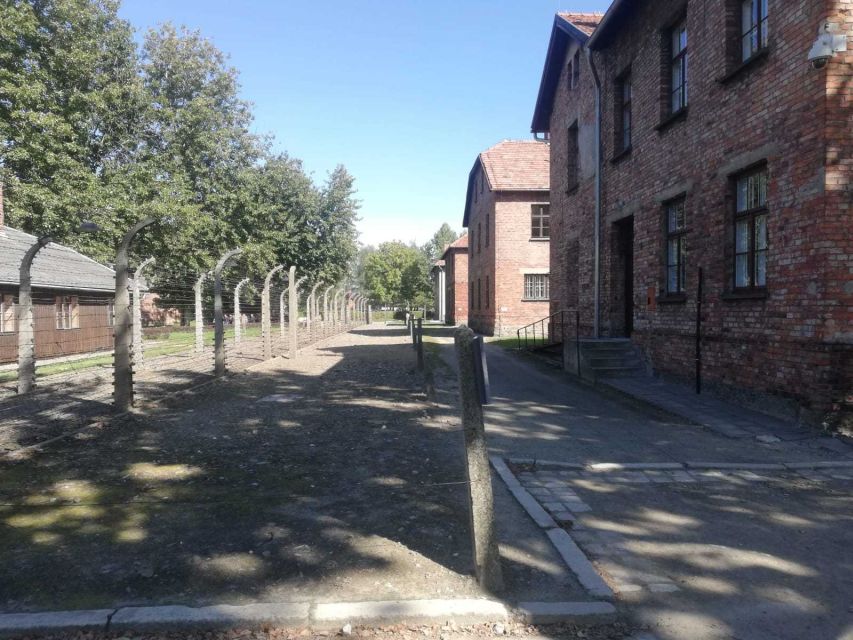
Birkenau is the largest, most open-feeling part of the memorial—also the place tied to mass executions. Your self-guided time here is listed as about 40 minutes.
Forty minutes can sound fine until you’re standing in a landscape that forces you to walk and look. Several people noted that Birkenau can feel like it comes too fast, especially if you want to stand longer at key locations or if you get delayed by the ground-level movement across the site.
Because you’re self-guided, you control your order of viewing. The challenge is that control has a time limit. If you try to see everything, you’ll likely feel the clock.
Also, be ready for walking. One booking specifically noted extra walking between areas and that older visitors had a harder time keeping the pace. Even if your route is smoother, the day still includes multiple on-foot segments inside the memorial.
If your priority is Birkenau’s scale, do one simple thing: decide in advance which points you most want to experience, and treat the rest as optional. That’s the best way to avoid the “speed-run” feeling without missing the essential parts.
The Local Café Break: A Small Buffer in a Heavy Day
In between camp sections, you’ll get a break at a local café. The schedule includes roughly 40 minutes for this pause.
This break is more than a “meal stop.” It gives you a chance to reset your body: use the facilities, drink water, and calm down your mind enough to absorb what you’ve already seen. For many people, this is the difference between surviving the day and burning out halfway through.
Quality varies. Some people reported a lunch stop that felt inefficient when restaurant availability didn’t line up with the ticket timing. Don’t build your day around a perfect sit-down lunch.
Best approach: bring or buy something simple, and keep expectations realistic. If you can, consider grabbing snacks earlier so you’re not stuck waiting when the schedule shifts.
Transportation Time: Why the 7–11 Hours Feels Longer
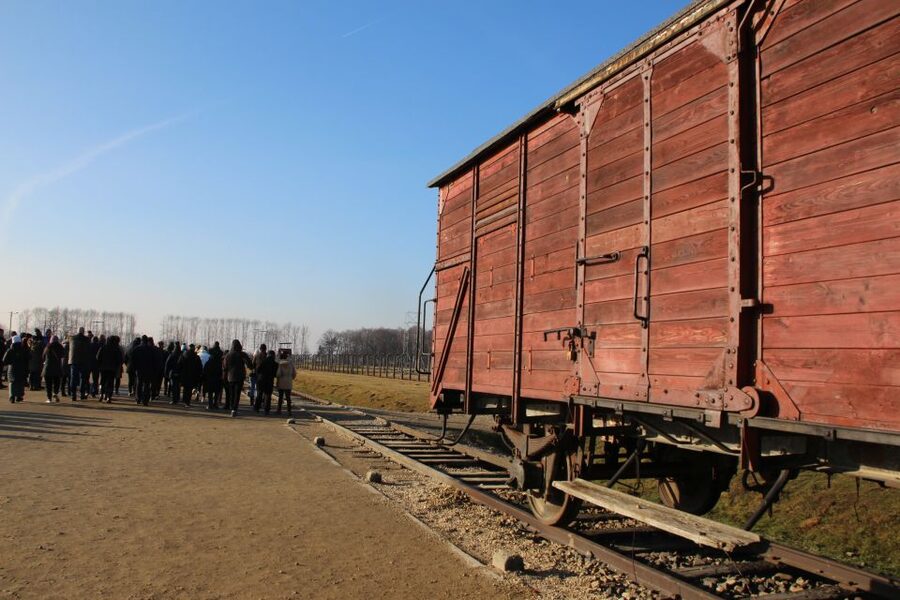
The stated duration is 7 to 11 hours. That’s a big range, and it matches how day trips like this actually behave: pickup timing is approximate, entry timing can change, and the memorial schedule doesn’t always flow like a clockwork ride.
You’ll spend bus time:
- about 1.5 hours each way (coach portions are included),
- plus short transfers between major segments (like short travel windows once you’re on site).
The bus isn’t the hard part. It’s the contrast: comfortable sitting gives way to walking, standing, reading, and processing emotionally loaded material. If you need a mental buffer, this is the time to use it—quietly. The day doesn’t get easier by chatting loudly.
Good news: many bookings praised efficient, prompt transport and clear communication about how to stay in contact. Still, don’t schedule anything tight after you return to Krakow. Plan for a low-key evening and an early bedtime.
Price and Value: What $21 Covers (and What It Doesn’t)
At about $21 per person, this tour is priced for value because you’re paying for the big-ticket logistics: round-trip transport from Krakow, admission tickets, access to the memorial sites, and a brochure plus assistance. You’re not paying for a full-time live guide during every step.
That’s a smart setup if you want independence. You get the structure (ticket help, access, route guidance), but you can move at your own pace during the memorial viewing periods.
If you prefer someone to explain context continuously, this may feel limited. The experience does not include a live guide or audio guides. Instead, it relies on the brochure and the orientation provided by the host/tour leader before the self-guided portions begin.
In practice, the value can be excellent because the alternative—paying for a full guided day plus transport—can cost more. But you should be honest with yourself: if your ideal visit includes long, narrative storytelling, you might want a different format.
Who This Tour Is Best For
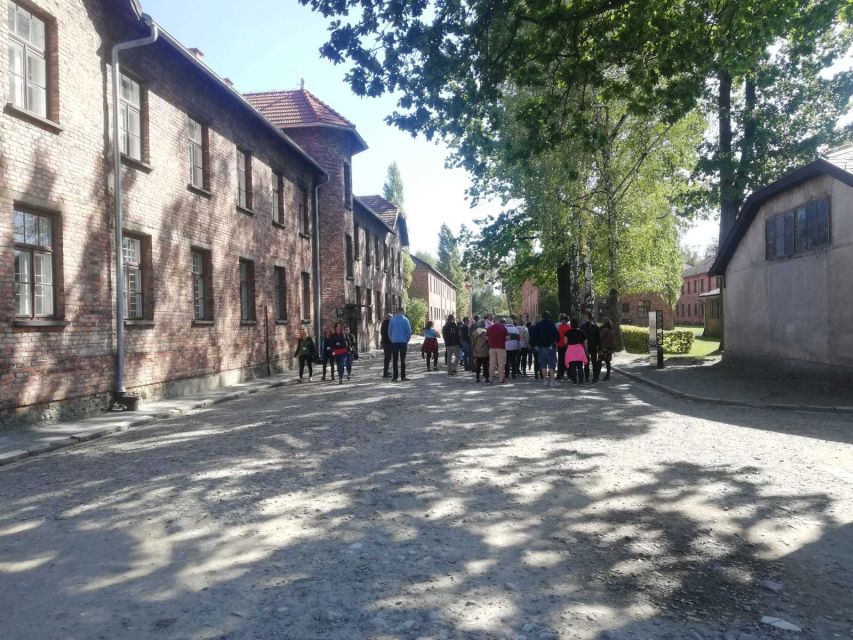
This works best for people who can handle the emotional weight of Auschwitz-Birkenau without needing a constant verbal guide. I’d also say it’s a strong choice if you like self-paced sightseeing because Auschwitz and Birkenau don’t lend themselves to “one pace fits all.”
It also tends to be easier when you don’t mind group travel basics. Your coach day is organized around a set plan with ticket support and structured viewing windows.
On the other hand, it’s not suitable for people with mobility impairments or wheelchair users. It also isn’t intended for very young children (not suitable for children under the listed age thresholds). If you’re traveling with older relatives, you should know that walking demands and tight viewing times at Birkenau can be a strain.
Language is English, so it fits English speakers best.
Practical Tips So You Don’t Get Flustered
Here are the small moves that make a big difference on a day like this:
- Bring passport or ID. Have it accessible at entry help moments.
- Bring food and drinks if you can, especially if you’re sensitive to the timing of café stops.
- Skip heavy packing. No luggage or large bags is a strict rule.
- Wear sensible footwear. The day includes long walking and standing.
- In colder months, dress for queues and waiting outside. One booking described intense cold during ticketing.
- If you need restroom guidance, ask your guide/host where the free facilities are. Some groups reported the guide pointed this out early.
If you want to keep your mind steady, choose a “plan A” and “plan B.” Plan A is the essential areas you can’t miss. Plan B is where you’ll cut time if you’re running behind—so you still leave feeling you saw what mattered.
Should You Book This Auschwitz-Birkenau Self-Guided Day Trip?
Yes, I’d book it if your priority is low-cost transport and ticket handling plus structured self-guided time at Auschwitz I and Birkenau. It’s a practical way to make the trip from Krakow without the extra cost of a fully guided narrative, and the brochure approach helps you keep moving while still having control over your pace.
I’d think twice if Birkenau time is your top priority. The scheduled ~40 minutes can feel rushed once you’re there, and some visitors found the pacing pushed them to move fast. If you want a longer, slower Birkenau visit or a constant live explanation, look for an option with more time at Auschwitz II and more guided interpretation.
If you can accept that trade-off—this tour can be a strong value and a very meaningful day.
FAQ
What does the tour include?
It includes round-trip bus transportation from Krakow, entry tickets, access to the Auschwitz-Birkenau Memorial and Museum, a brochure for the self-guided tour, access to Juden Rampe and sub-camps, and assistance from the host or tour leader.
Is there a live guide during the self-guided parts?
No. This is a self-guided museum experience with a brochure and support for ticketing. Audio guides are not included, and a live guide is not part of the package.
How long is the visit at each main area?
Judenrampe is about 45 minutes. Auschwitz I is about 1.5 hours. Auschwitz II-Birkenau is about 40 minutes.
Where do you get picked up in Krakow?
Pickup is available at three bus stops in Krakow: Pawia 18b, Wielopole 2, and also Kraków (with the option tied to those stops).
How long is the bus ride?
The schedule includes about 1.5 hours on the coach, plus short transfer times between museum areas.
What language is the support provided in?
The host or greeter is listed as English, and the self-guided brochure is provided in your preferred language (with English offered here).
Do I need to bring my passport or ID?
Yes. You should bring a passport or ID card.
Are food and drinks provided?
Food isn’t included as a package. The schedule includes a café break, and you’re also told to bring food and drinks.
Are luggage and large bags allowed?
No. Luggage or large bags are not allowed.
What about cancellation?
Free cancellation is available up to 24 hours in advance for a full refund.
Is the tour suitable for people with mobility issues or wheelchairs?
No. It is not suitable for people with mobility impairments or wheelchair users.