REVIEW · KRAKOW
From Krakow: Auschwitz Birkenau Self-Guided Tour
Book on GetYourGuide →Operated by Royal Cracow · Bookable on GetYourGuide
A morning ride to Auschwitz changes you fast. This day trip from Krakow pairs an official paper guidebook with shared air-conditioned transport, so you can follow the memorial at your own pace through both Auschwitz I and Auschwitz II-Birkenau. The trade-off is simple: it’s self-guided on-site, so the guidebook (and the memorial’s own timing) does much of the explaining.
You start at the bus stop in front of the Mercure Hotel, then you’re guided through logistics like picking up admission tickets. The route covers Auschwitz I and Auschwitz II-Birkenau, with a short café break in between so you can reset before the second part of the day.
In This Review
- Key Things to Know Before You Go
- A Value Check: What This $21 Krakow to Auschwitz Trip Actually Covers
- Getting From Krakow: Pickup, Shared Bus Time, and Your On-the-Ground Helper
- Stop by Stop: The Real Flow Through Auschwitz I and Auschwitz II-Birkenau
- Stop 1: Starting point in Krakow
- Stop 2: The coach ride
- Stop 3: A local café break (around 40 minutes)
- Stop 4: Auschwitz Birkenau (Judenrampe)
- Stop 5: Short transfer
- Stop 6: Auschwitz I (about 1.5 hours self-guided)
- Stop 7: Another short move
- Stop 8: Auschwitz II-Birkenau (about 1.5 hours self-guided)
- Stop 9 and Stop 10: Return to Krakow
- Using the Official Paper Guidebook Like a Pro
- Respect, Rules, and Practical Stuff You Should Pack
- Who This Self-Guided Day Trip Suits Best
- Should You Book This Auschwitz-Birkenau Tour from Krakow?
- FAQ
- How long is the Krakow to Auschwitz-Birkenau tour?
- Where do I meet in Krakow, and where does the tour end?
- What’s included in the price?
- Do I need to collect tickets myself?
- Is the tour inside Auschwitz and Birkenau guided?
- Is it suitable for wheelchair users or young children?
Key Things to Know Before You Go
- Self-guided inside the camps: you’ll use an official English paper guidebook rather than following a commentary-heavy group tour.
- Two memorials, one continuous plan: the schedule is built around Auschwitz I plus Auschwitz II-Birkenau, with short bus hops between.
- Your leader handles the hard parts: tour leader/assistant support runs from pickup to drop-off, including help with admission tickets.
- Timing is approximate: pickup can be anywhere from about 5:30 AM to 1:30 PM, and the memorial controls on-site pacing.
- Travel light: luggage or large bags aren’t allowed, and you’ll want your ID handy.
A Value Check: What This $21 Krakow to Auschwitz Trip Actually Covers
For about $21 per person, you’re not just paying for a bus ride. You’re buying a full, structured day that includes entry to both Auschwitz I and Auschwitz II-Birkenau, an official paper guidebook (with a planned route and descriptions), and help from a tour leader from the moment you meet up in Krakow until you return.
That’s what makes the price feel reasonable. A lot of costs add up fast if you try to piece this together yourself: transport, ticketing, and the stress of figuring out how to time everything. Here, you show up at the agreed meeting point and let the day run on rails.
That said, you should be clear on what you’re not getting: you’re not paying for an hour-by-hour guided lecture inside each camp. Instead, the day is designed so you can pay attention and walk while the guidebook supports you.
You can also read our reviews of more tours and experiences in Krakow.

Getting From Krakow: Pickup, Shared Bus Time, and Your On-the-Ground Helper
This tour starts in Krakow and ends back at the same place: the bus stop in front of the Mercure Hotel. You choose a preferred starting time, but the actual pickup window is approximate (listed as between 5:30 AM and 1:30 PM), and it can shift as the day gets organized.
Once you’re on the bus, expect a comfortable, shared setup: an air-conditioned coach with other people headed for the same scheduled visit. The drive to the first stop is about 1.5 hours, which matters because you’ll likely arrive with daylight or early-morning fatigue—either way, it helps to have planned for a long, emotionally heavy day.
The other big practical win is that the tour team stays useful. You don’t just get dropped off with a map. There’s tour leader assistance for the trip, plus a tour assistant who’s available from pickup to drop-off. That matters most at the two places where people get stuck: collecting admission tickets and making sure you’re in the correct flow when you arrive.
Also, if schedules ever change on you (and they sometimes do on big-day departures), take the same approach that worked best on the coldest moments: watch your messages closely. One traveler had conflicting time info from different channels and ended up glad they chose the later pickup. Before you freeze in place, double-check the most recent update you receive.
Stop by Stop: The Real Flow Through Auschwitz I and Auschwitz II-Birkenau
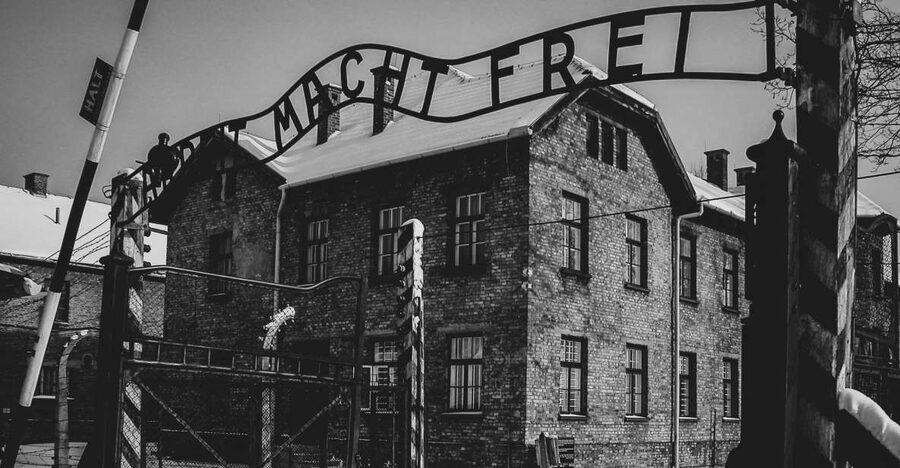
This is a single-day plan with clear segments. Even if you move at your own pace inside the memorials, the structure keeps you from feeling lost.
Stop 1: Starting point in Krakow
You begin at Przystanek Turystyczny / the bus stop in front of the Mercure Hotel. This is good for logistics: it’s not a vague curb pickup in a random alley, and you don’t need local transfers to get going.
Stop 2: The coach ride
Next is the about 1.5-hour bus/coach ride. Use the time to get ready for what’s coming: water, a charged phone (for photos only if permitted and in the ways you choose), and a calm mindset. You’ll be walking more than you might expect.

Stop 3: A local café break (around 40 minutes)
Before the first camp visit, you get a break around 40 minutes. This is not wasted time. Auschwitz is not a quick photo stop, and your energy matters for staying steady through both locations.
Stop 4: Auschwitz Birkenau (Judenrampe)
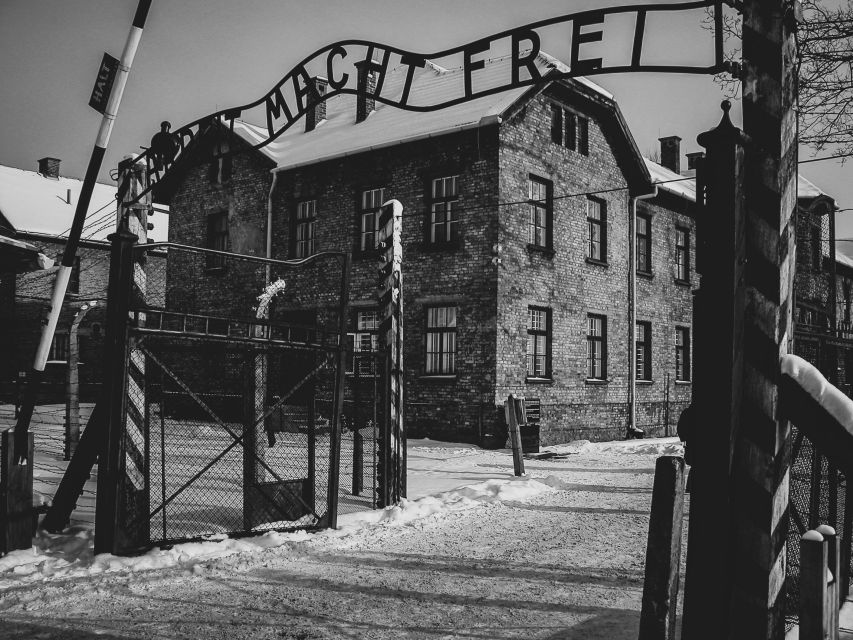
At Judenrampe, you’ll have a self-guided visit time of about 45 minutes. This first walk is often the hardest emotionally because you’re arriving at a place tied to mass killings. With the self-guided format, this is where the guidebook earns its keep.
Practical tip: don’t treat this part as “skim fast.” Use the guidebook to identify what you’re standing in front of, then read only as much as you can absorb without rushing.
Stop 5: Short transfer
Then it’s a brief bus segment (about 10 minutes). These short transfers are useful because you stay in the planned rhythm of the day.
Stop 6: Auschwitz I (about 1.5 hours self-guided)
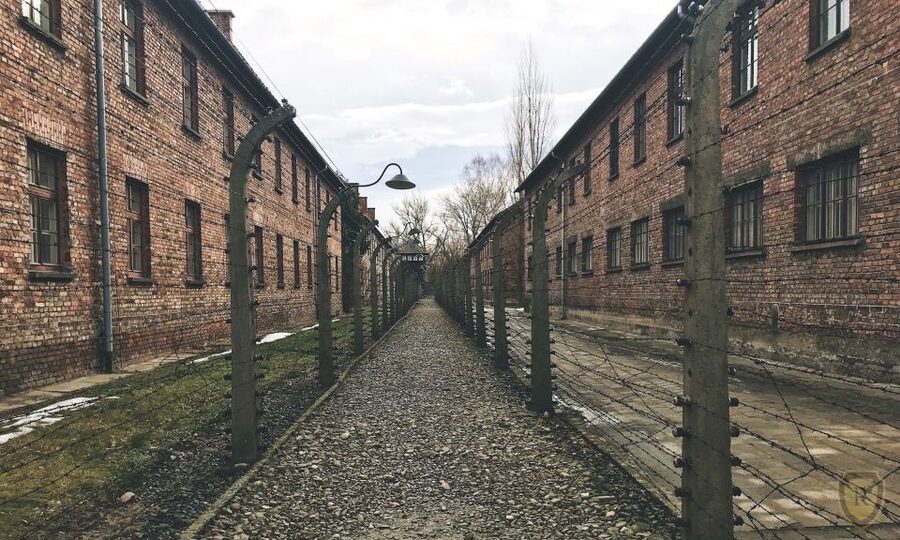
Next is Auschwitz I with about 1.5 hours self-guided. This is typically where you’ll slow down and think more carefully about the camp system—how it operated and what people endured.
Because your commentary is mainly through the guidebook, you’ll get the best results if you treat the time like a guided visit in spirit: pause when you feel pulled to a particular display or location, then continue.
Stop 7: Another short move
A quick 10-minute transfer connects Auschwitz I to the second location.
Stop 8: Auschwitz II-Birkenau (about 1.5 hours self-guided)
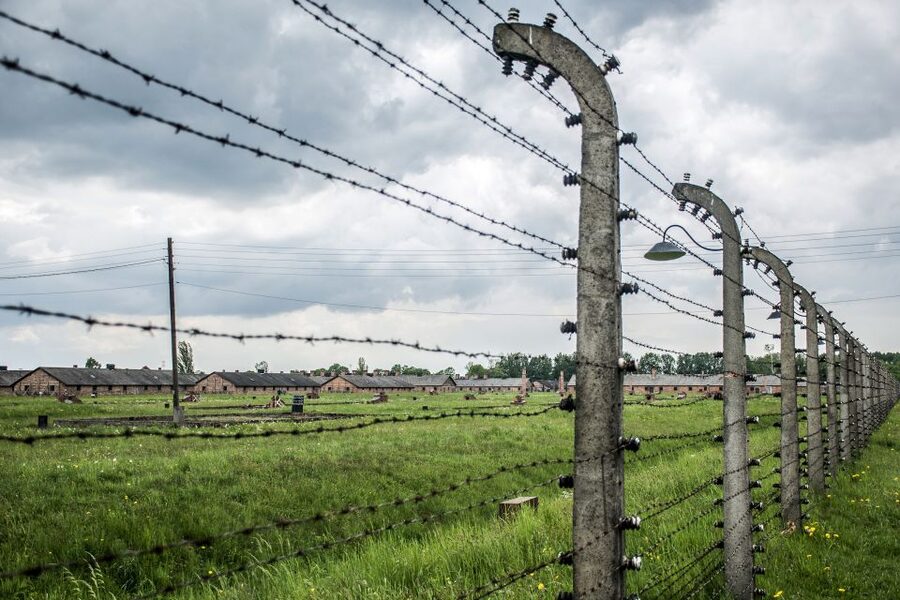
Finally, you’ll reach Auschwitz II-Birkenau, again with about 1.5 hours of self-guided time. This part of the memorial is where the scale can hit hard. The open areas and the distances can make it feel different from the more contained layout of Auschwitz I.
This is also the place where your pace choices matter. Since you’re self-guided, you can spend longer on the sections you need and skip what you can’t handle—but try not to “speed-run” it. You’ll only get one first experience.
Stop 9 and Stop 10: Return to Krakow
After Birkenau, there’s about 1.5 hours back to Krakow. The day ends at the original meeting point by the Mercure Hotel bus stop.
One timing reality to plan around: the memorial controls how long the visit takes, so the overall 7-hour duration and each walking segment should be treated as approximate rather than exact.
Using the Official Paper Guidebook Like a Pro
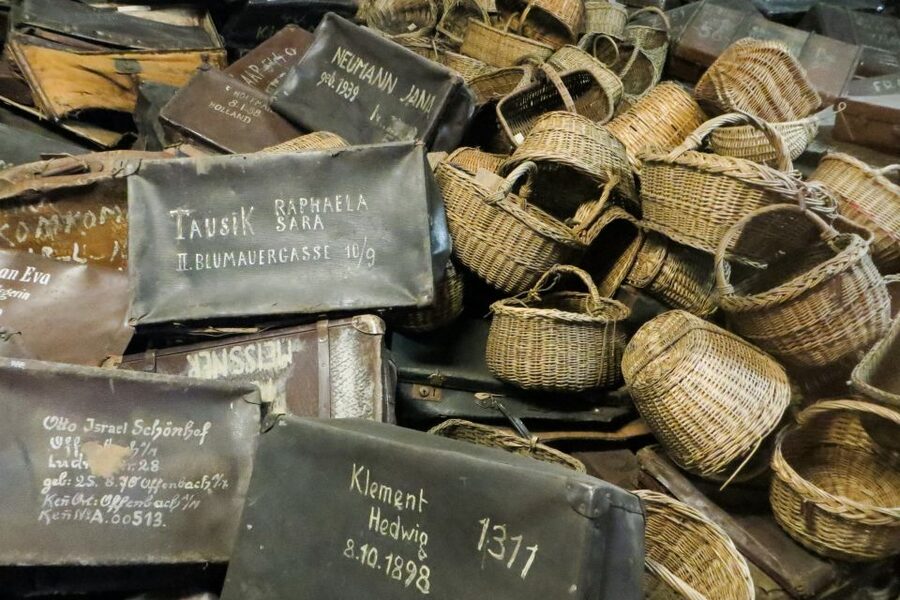
The guidebook is the heart of why this tour works as self-guided. You’re not relying on a shaky translation on your phone. You get a paper guidebook with a route and descriptions for the duration of the tour, in English.
Here’s how to make that format work for you:
- Read before you walk. Give yourself a minute to understand what’s ahead, so you’re not trying to decode everything while moving.
- Anchor to landmarks. When you see something that stands out to you, use the guidebook to connect it to the broader story.
- Don’t force full reading. If a section is too heavy to absorb, you can skim and keep moving. The goal is understanding and respect, not finishing every page.
This kind of structure also helps if you’re traveling with mixed comfort levels—some people want to stand longer in certain places, others need momentum. Your guidebook route supports that balance because you choose your own pace.
And if you do get a particularly strong tour leader for the day, it can help you get oriented fast. One example from past departures: a guide named Martyna has been described as passionate and informative, with explanations that bring the historical context to life. Even though the camps are self-guided, those first orientation moments can change how the rest of your visit lands.
Respect, Rules, and Practical Stuff You Should Pack
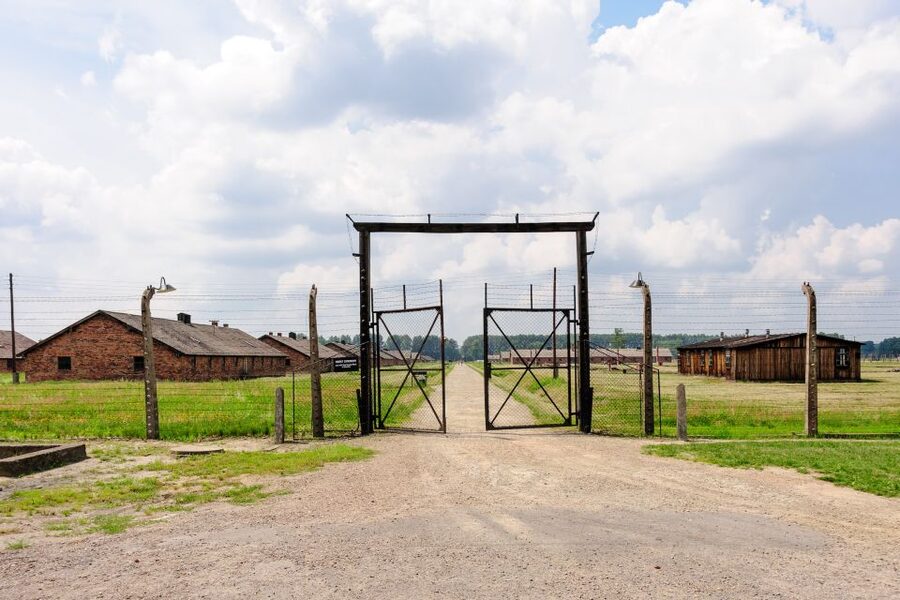
Auschwitz is not a casual attraction. The tour format reflects that by focusing on tickets, pacing, and a clear path—plus a few very practical rules.
Here’s what you should have ready:
- Bring: your passport or ID card.
- Not allowed: luggage or large bags.
That luggage rule is worth planning around. If you’re thinking of arriving with a big backpack, consider whether you can travel lighter. Large bags create stress at entrances, and stress is the last thing you need during this kind of visit.
Also, keep your expectations realistic about the tour’s physical demands. The tour data lists it as not suitable for people with mobility impairments and not suitable for wheelchair users. If you need to move slowly or use accessibility tools, this would likely be a difficult fit.
Who This Self-Guided Day Trip Suits Best
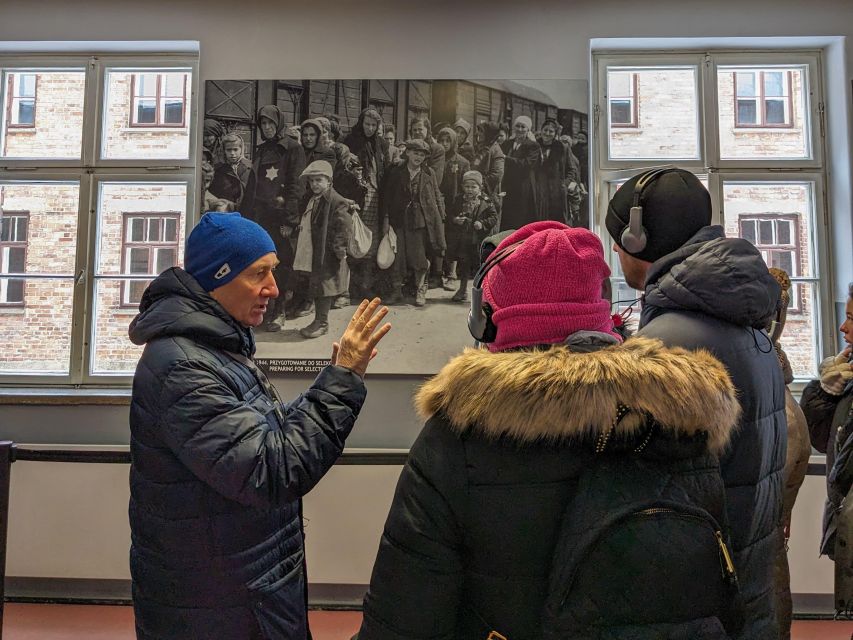
This works best if you want a respectful, structured day without having to follow a constant live lecture.
You’ll likely appreciate this tour if:
- You like self-paced travel inside major sites, using a guidebook instead of audio.
- You want the logistics handled from Krakow—pickup, transport, ticket support, and timing.
- You’re comfortable spending time on your feet through both Auschwitz I and Auschwitz II-Birkenau.
It’s less ideal if:
- You need a highly detailed spoken narration inside each section to process everything.
- You’re looking for an accessibility-friendly plan (the tour is not suited for wheelchair users).
- You’re traveling with very young children, since it’s not suitable for children under several age cutoffs, including under 5 years old and babies under 1.
If you fall into the middle—curious but also emotionally cautious—this format can actually be a good match because you can pause when you need to.
Should You Book This Auschwitz-Birkenau Tour from Krakow?
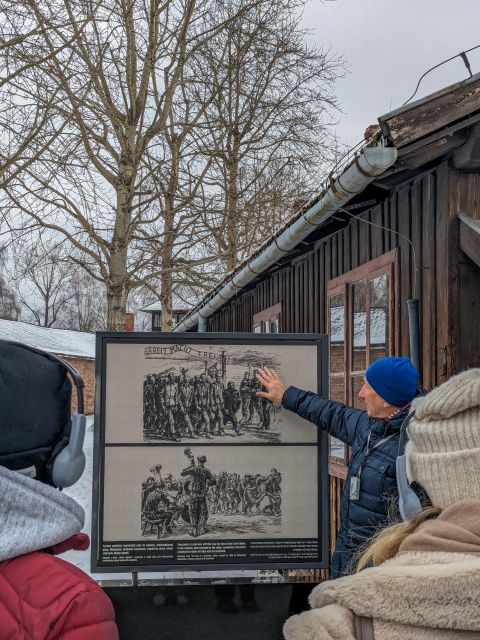
I’d book it if you want a low-stress way to do Auschwitz-Birkenau with official tickets, an official English paper guidebook, and real assistance for the parts that can derail a DIY day trip.
Skip it or consider another style if you strongly prefer a full guided experience inside the camps, or if your mobility needs make a self-paced walk difficult. Also, pay attention to timing updates, because pickup windows are approximate and messaging can change close to departure.
If your goal is a respectful visit that doesn’t require wrestling with ticket logistics or transport planning, this one earns its value.
FAQ
How long is the Krakow to Auschwitz-Birkenau tour?
The duration is listed as 7 hours. The schedule is approximate because the memorial’s visitor service sets pacing on-site.
Where do I meet in Krakow, and where does the tour end?
You start at the bus stop in front of the Mercure Hotel and the activity ends back at the same meeting point.
What’s included in the price?
You get an official guidebook with route and descriptions, entry tickets for Auschwitz I and Auschwitz II-Birkenau, tour leader assistance, and shared transportation by air-conditioned bus.
Do I need to collect tickets myself?
Tickets are booked in advance by the tour operator when possible. If advance booking isn’t possible for a situation, the tour leader helps you collect the tickets individually before the tour.
Is the tour inside Auschwitz and Birkenau guided?
The plan is self-guided inside the camps using the rented paper guidebook. You still have tour leader/assistant support during pickup and drop-off for logistics.
Is it suitable for wheelchair users or young children?
The tour is listed as not suitable for people with mobility impairments and wheelchair users. It also lists it as not suitable for children under 5 years old, with additional exclusions for very young babies.