REVIEW · FLORENCE
Florence: Uffizi Gallery entry ticket + audio guide
Book on GetYourGuide →Operated by italypasstours srl · Bookable on GetYourGuide
Skip-the-line at Florence’s art superpower. The Uffizi is one of those places where time feels short, even on a planned visit, so priority entry plus a multilingual audio guide makes a big difference.
I really like that you can move at your own pace instead of getting pulled along in a group. I also like the digital approach: you receive your entry ticket and audio guide electronically, then go straight to the museum entrance.
The one drawback to plan around is that a security screening is still required and can add a 15–30 minute wait during busy periods, even with your timed slot.
In This Review
- Key things to know before you go
- Uffizi at your pace: what this ticket really buys you
- Entering through Museum Entry Gate #1 with digital tickets
- First impressions inside: Medici offices to a Renaissance timeline
- The masterpieces you’ll want to prioritize
- A quick pacing tip that works
- Walking through Vasari’s corridors and finding the Arno view
- Audio guide included: how to make it work smoothly
- What 4 hours feels like in a museum this big
- Who this experience suits best (and who should reconsider)
- Price and value: is $29 per person a smart deal?
- Quick practical rules inside (so you don’t get stuck)
- Should you book this Uffizi experience?
- FAQ
- How long is the Uffizi entry experience?
- Is an audio guide included, and what languages are available?
- Do I need to bring headphones?
- Where do I meet the host or greeter?
- How do I get my tickets and audio guide?
- Is food allowed inside the museum?
Key things to know before you go
- Skip-the-line entry helps you start sooner, without the stress of standing in the longest lines
- Multilingual audio guide is included (English, Italian, Spanish, French, Dutch) so you can match your pace
- Audio + headphones gap: headphones are not included, so bring your own if you want audio to work immediately
- No meeting point: you’ll be guided to Museum Entry Gate #1 with digital tickets and ID
- Limited group size (up to 10) means a more controlled experience around the host greeter
- Iconic highlights are built in: Botticelli, Leonardo da Vinci, Michelangelo, Raphael, and Caravaggio are part of the visit
Uffizi at your pace: what this ticket really buys you
The Uffizi isn’t a museum you do once and forget. It’s a museum you revisit in your head the moment you walk out. This experience is designed for exactly that feeling: you get fast-track access and then you’re free to wander without waiting on a group schedule.
For you, the value is in the time saved and the freedom gained. Florence’s Uffizi lines can be intense, and art museums are the kind of place where the “right pace” matters. If you’re the type who likes to linger with details (brushwork, clothing, faces, symbols), self-paced time is a gift. If you’re more of a “see the big works, then pick a few rooms” person, you can do that too.
You’ll also get a multilingual audio guide included, which changes the visit from just looking to actually understanding what you’re seeing. You don’t need a live guide to make sense of the stories around the paintings and the artists.
The format is simple: you’re not buying a full guided tour with a strict route. You’re buying entry and context, then letting the museum do its job.
You can also read our reviews of more tours and experiences in Florence.


Entering through Museum Entry Gate #1 with digital tickets
This experience is built around a straightforward start. There’s no meeting point. Instead, you get your entry ticket and audio guide electronically (email, WhatsApp, or iMessage). Then you head directly to the museum.
When you arrive, you’ll proceed to Museum Entry Gate #1 and show your digital tickets plus a valid ID or passport for immediate entry. There’s no voucher exchange, which is the kind of detail that keeps your day from turning into a small logistical puzzle.
One thing I’d plan for: even with skip-the-line style entry, there’s a mandatory security check for everyone. Expect 15–30 minutes of screening during peak times. That doesn’t mean your skip-the-line ticket failed. It just means security happens before anything else, and Florence is busy.
If you need on-ground help, there’s an office location you can visit: Italy Pass Tours at Via dei Pucci 37. A host greeter (English) is also part of the support you’ll receive at the start.
If you hate last-minute tech stress, check your phone before you leave the apartment. Make sure the email message (or WhatsApp/iMessage) is accessible, your ID is ready, and you have battery.
First impressions inside: Medici offices to a Renaissance timeline
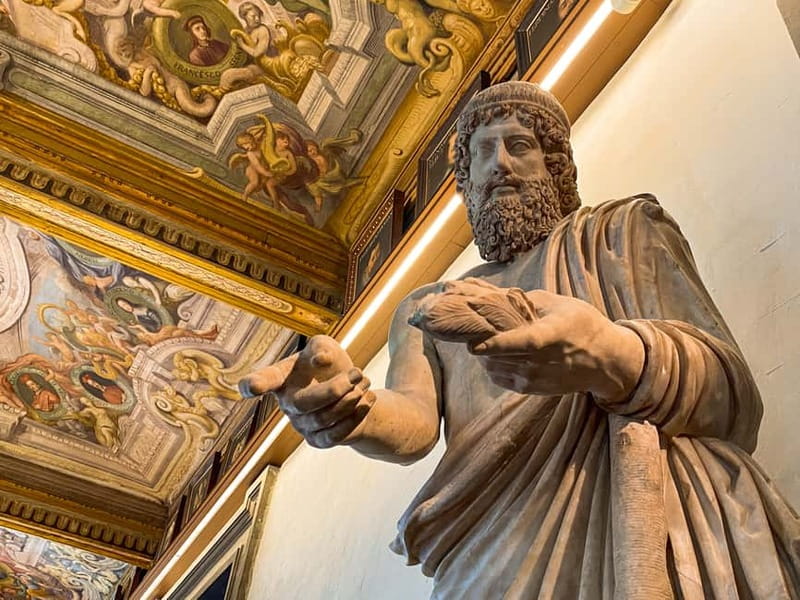
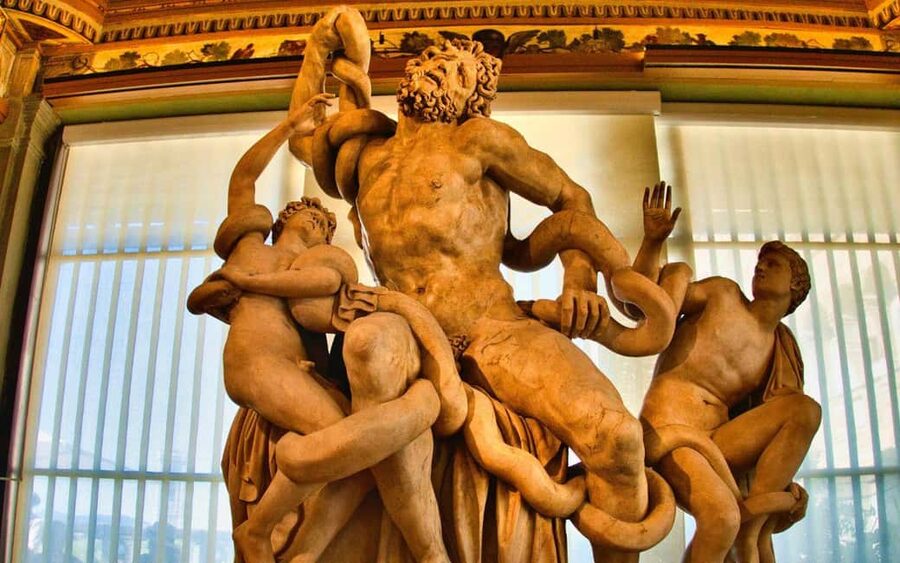
The Uffizi isn’t just a collection of paintings. It’s also a building with a story. The complex was originally built as offices for the powerful Medici family. Later, it became a museum for their magnificent art collection. That means even your early moments have a historical timeline built into them.
You’ll walk through elegant corridors designed by Giorgio Vasari, and the views from inside can include the Arno River. That’s a helpful reminder that you’re not in a sealed-off, airless environment. The museum is part of Florence’s living geography.
This is why the self-paced format works well. The Uffizi can feel like an avalanche if you treat it like a checklist. But if you let yourself notice the building, then notice the art, the whole place starts to read like a coherent Renaissance era—Medici power, artistic patronage, and the artists who turned commissions into legends.
The masterpieces you’ll want to prioritize
This ticket is made for iconic names and big moments. The audio guide helps connect the dots so you don’t just see famous faces in famous frames.
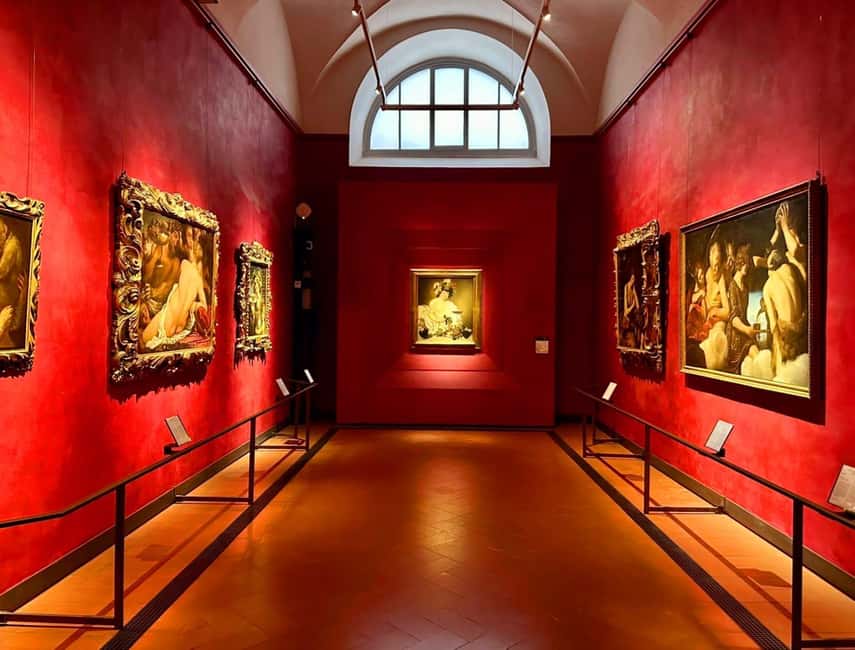
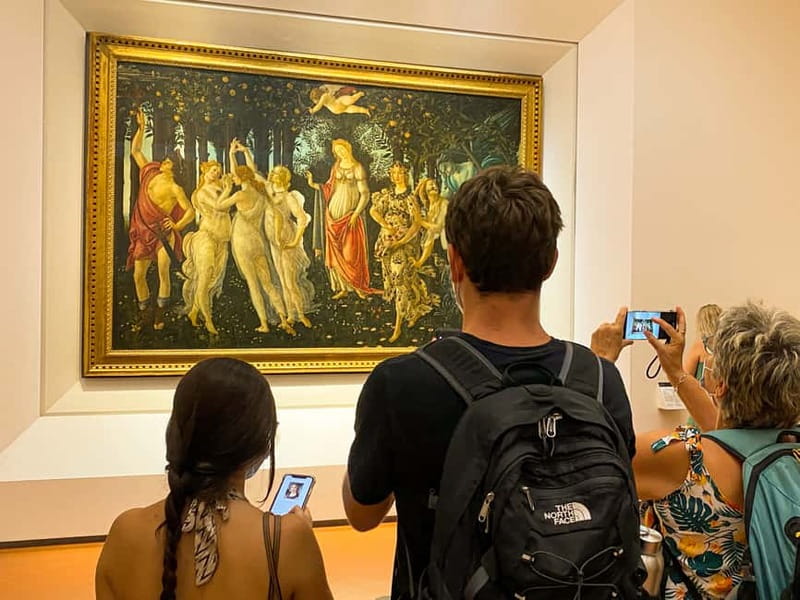
Here are the major artists you can expect to encounter during your visit: Botticelli, Leonardo da Vinci, Michelangelo, Raphael, and Caravaggio. If those names are on your Florence “must-see” list, this is one of the most efficient ways to make it happen.
Two standouts that are specifically called out are:
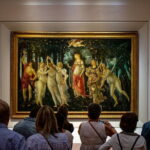
- Botticelli’s The Birth of Venus: This is the kind of painting that makes you stop. Even if you’ve seen it in books, seeing it in the museum changes the scale and the way details hit your eyes.
- Caravaggio’s Medusa: Caravaggio’s intensity has a physical effect. When you see Medusa in person, the drama feels less like a story and more like a moment.
And you’ll likely feel the same pattern with the other masters: the audio guide gives you context, but your eyes do the rest. This is also where pace matters. If you race, the Uffizi turns into a room-to-room blur. If you slow down at just a few key works, the visit becomes memorable.
A quick pacing tip that works
Give yourself permission to pick 5–7 works you truly want to “meet” rather than trying to absorb everything. Then use the audio guide to fill in the gaps as you pass through related rooms. That keeps the visit focused without making it feel rushed.



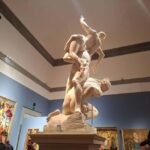
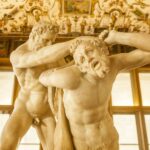
Walking through Vasari’s corridors and finding the Arno view
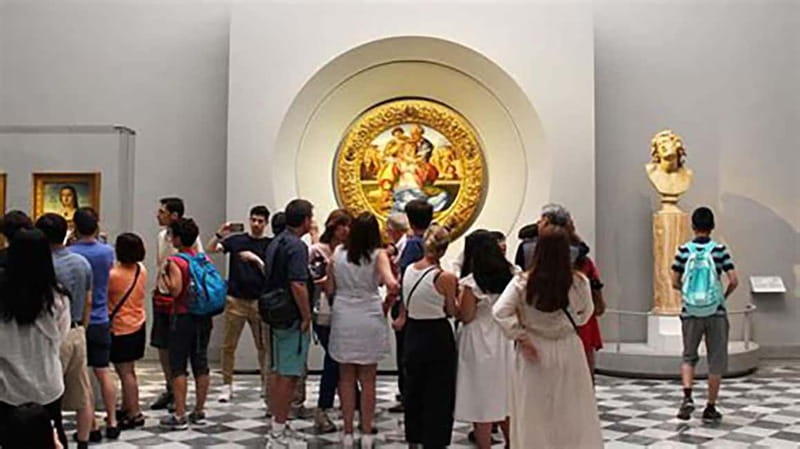
One reason people love the Uffizi is that the museum experience isn’t only in front of a painting. The corridors themselves shape how you move and how you feel.
The museum’s design includes corridors by Giorgio Vasari, and you can catch views of the Arno River depending on where you’re positioned. Those breaks are useful. They let you reset your brain between heavy-hitters.
This matters because art-heavy days can tire you out faster than you expect. You don’t need to “do more.” You need to keep your attention alive. A short moment looking out at the river helps you re-enter the galleries with fresh eyes.
If you’re tempted to treat the visit as one long sprint, remember: the audio guide is on your schedule. Stop when something grabs you. Walk when you need a breather.
Audio guide included: how to make it work smoothly
The audio guide is included, and it covers multiple languages: English, Italian, Spanish, French, Dutch. That’s a big plus if you’re traveling with someone whose language comfort isn’t English.
But there’s one very practical detail: headphones are not included. So you’ll want to bring your own wired headphones or Bluetooth headphones (as long as your setup works with your audio device).
Also, audio guides are digital. That means you should test early if possible. Make sure you can start playback once you’re inside and that the volume is adjusted before you get too far into your first galleries.
There are clear signs that audio functionality can make or break the experience. One person reported audio guide problems not working correctly, including mixed audio from other guides. That’s rare, but it’s a reason to be ready to switch strategies if your guide isn’t behaving: pause, ask support if needed, and don’t let a bad audio moment ruin your whole day.
If you’re counting on the audio guide to carry the context, treat the first minutes as your checkpoint: headphones working, playback starting, language set properly.
What 4 hours feels like in a museum this big
The ticket is set for a 4-hour visit. In Uffizi terms, that’s a realistic window for a “serious but not obsessive” experience.
With a skip-the-line entry, you’re not wasting half your time waiting. That’s the main reason 4 hours works here. You can spend more time where it counts: in front of the paintings you care about and in the corridors where the architecture helps you understand the museum’s flow.
A good approach is to break your time into three parts:
- Start with a highlight focus (especially Botticelli and Caravaggio, since those tend to be the emotional anchors)
- Then move outward to the other major artists mentioned (Leonardo, Michelangelo, Raphael)
- Finish with a second pass on anything you want to see again slowly
Because the visit is self-paced, you don’t have to finish “everything.” You’re buying time to do the Uffizi your way.
Who this experience suits best (and who should reconsider)
This ticket style is best if you want control. You don’t want a group tour’s strict timing, and you still want real context through the audio guide.
It’s also a good match if you’re short on time in Florence and want the museum on your schedule without eating your whole day in lines.
You might reconsider if:
- You strongly rely on audio and don’t want any chance of tech failure (headphones aren’t included, and audio issues have been reported)
- You’re traveling with someone who prefers a live human explanation and won’t be satisfied by an audio track
- You’re sensitive to delays from security screening, since 15–30 minutes can happen in busy periods
There are also a couple of limits mentioned: it’s not suitable for pregnant women and for people over 95 years. If that applies, it’s worth checking alternative options that match your needs better.
Price and value: is $29 per person a smart deal?
At about $29 per person for priority entry plus an included audio guide, the value is mostly about what you avoid: time and planning stress.
Here’s how I’d think about it. If you were paying separately for timed entry and then paying for an audio service at the museum or elsewhere, you’d likely end up spending more. Even if you only value the time saved, priority access matters in a museum like this, because waiting drains the energy you need to enjoy the art.
The trade-off is that headphones aren’t included, so if you don’t already have them, factor that into your true cost. Also, because the visit is self-paced, you’re relying on the audio guide experience rather than a live guide’s flexibility.
Still, for most visitors who want a high-impact Florence day with a manageable price and a clear starting system, this is a solid value.
Quick practical rules inside (so you don’t get stuck)
A few things are explicitly not allowed: food and drinks, and alcohol and drugs. That’s typical for major museums, but it’s worth remembering so you don’t arrive carrying snack plans.
Plan your day so you can focus on art rather than managing hunger mid-galleries. If you need to eat, do it before you go or after you finish your 4-hour window.
Also, you should expect your actual entry time to vary slightly—up to 15 minutes later than the slot you selected. That’s not unusual, but it’s good to know if you’ve got another timed stop later.
Should you book this Uffizi experience?
I’d book this ticket if you want priority access and a multilingual audio guide while keeping your day flexible. The biggest wins are simple: you start faster, you can linger with the works that matter to you, and you don’t need to follow a group pace.
Skip it (or look for a different format) if you’re the type who needs a live guide to adjust on the spot, or if you’re particularly nervous about audio working reliably with your setup. It’s not a luxury problem, it’s a real practical one: bring headphones, test playback early, and don’t let delays from security knock you off your plan.
For many visitors, this is the most sensible way to experience the Uffizi: get in efficiently, then let the Renaissance do the talking.
FAQ
How long is the Uffizi entry experience?
The entry ticket experience is designed for 4 hours. Starting times depend on availability.
Is an audio guide included, and what languages are available?
Yes. An audio guide is included in English, Italian, Spanish, French, and Dutch.
Do I need to bring headphones?
Headphones are not included. If you want to listen to the audio guide, you should plan to bring headphones.
Where do I meet the host or greeter?
There is no meeting point. You should proceed directly to Museum Entry Gate #1.
How do I get my tickets and audio guide?
You receive your entry tickets and audio guide electronically (email, WhatsApp, or iMessage). No voucher exchange is necessary. You’ll need to show the digital tickets and a valid ID or passport.
Is food allowed inside the museum?
No. Food and drinks are not allowed, and alcohol and drugs are also not allowed.