REVIEW · GREAT SMOKY MOUNTAINS NATIONAL PARK
Cades Cove Sightseeing Self-Guided Driving Audio Tour
Book on Viator →Operated by Travel with Action · Bookable on Viator
Cades Cove gets better with a guide. This self-guided driving audio tour turns the Cades Cove Loop into a story-filled drive through cabins, churches, and Civil War-era connections. You get hands-free narration timed to where you are, not just another slideshow on your phone.
I especially like two things. First, the offline setup (download ahead, then listen without cellular or Wi‑Fi) helps a lot in the Smokies. Second, the content is focused on real places you can actually see and walk to, like the Elijah Oliver homestead and the John Cable Grist Mill.
The main drawback to plan for is technical prep. If you don’t download the app and audio properly before you lose signal, you can end up spending your precious park time wrestling with setup, and the loop will feel way less rewarding.
In This Review
- Key points at a glance
- Getting Oriented: Where the Tour Starts and How the Audio Works
- Price and Value: Paying for Stories, Not Just a Drive
- Driving the Cades Cove Loop at Your Pace (and Why That’s the Point)
- The Main Stops: Cabins, Churches, and Civil War Connections
- John Oliver Place (the early homestead start)
- Primitive Baptist Church (and the cemetery atmosphere)
- Methodist Church (a small building detail with big meaning)
- Missionary Baptist Church (ideological split, early days)
- Elijah Oliver Place (short hike, serious story)
- Abrams Falls Trail (choose your pace: drive, then hike)
- John Cable Grist Mill (working history you can see)
- Henry Whitehead House (a detour with a personal origin story)
- Tipton Place (a Revolutionary War hero connection)
- Carter Shields Cabin (abolitionist and Civil War losses)
- Nature Bonus: Wildlife Time and Why Slow Driving Helps
- Tech Reality Check: Offline Download, GPS Triggers, and Car Audio
- Download before you go
- Make location permissions behave
- Use your car’s sound system
- Recommended devices
- A quick heads-up on Wednesday road access
- Timing Tips: Making 1–2 Hours Feel Just Right
- Who This Tour Suits Best (and Who Might Skip It)
- Should You Book This Cades Cove Audio Tour?
- FAQ
- FAQ
- How long does the Cades Cove self-guided driving audio tour take?
- How much driving is included?
- How many audio stories are included?
- Is the tour price per person?
- Is the Cades Cove daily tag included?
- Does the audio work without cellular or Wi‑Fi?
- Where do I start the tour?
- Does someone meet me to start?
- What happens on Wednesday mornings in May–September?
- Can I connect the audio to my car stereo?
Key points at a glance

- Offline-first audio: download with strong Wi‑Fi/cellular, then use it without signal.
- GPS-triggered stories: audio plays automatically based on your location.
- Big route for a short time: about 35+ miles and 40+ audio stories in roughly 1–2 hours.
- Free admission to the stops: the tour content is free, but you may still need the park’s daily tag.
- A drive that rewards slow parking: churches, cabins, and cemeteries are built into the experience.
- Wednesday vehicle restriction (May–Sept): cyclists and pedestrians get exclusive access every Wednesday on the Cades Cove Loop Road.
Getting Oriented: Where the Tour Starts and How the Audio Works

Your tour begins at the Sugarlands Visitor Center area, near 107 Sugarlands Visitor Center Loop Rd, Gatlinburg, TN. From there, you drive toward the Cades Cove Loop, which is the core of the experience.
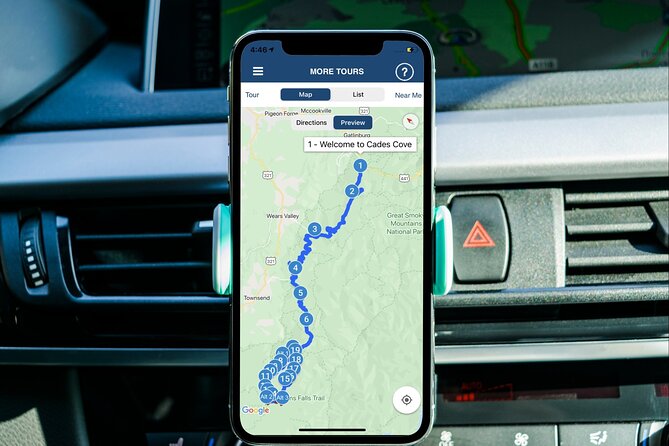
There’s no guide waiting with a flag. You simply go to the first story point and start the tour in the app. Once it’s running, the audio is designed to play automatically as you move, using your phone’s location. That matters because Cades Cove is slow and twisty in places—having narration that matches the next turn or stop is what keeps you from missing the good parts.
For audio quality, you’ll get the best results by pairing your phone to the car using Bluetooth, USB, or AUX. If you prefer walking parts (like a short trail to a cabin or a falls hike), headphones can help since the car won’t be with you the whole time.
You can also read our reviews of more tours and experiences in Great Smoky Mountains National Park.


Price and Value: Paying for Stories, Not Just a Drive

This audio tour costs $14.99 per group (up to 4 people). In other words, it’s priced per vehicle group, not per individual—so if you’re traveling with family or friends, it can be a very fair deal.
But there’s one extra park cost to understand: Cades Cove Daily Tag is $5.00 per booking, and that isn’t included in the tour price. So you’re really paying for the narrative experience plus convenience and pacing, while the entrance/vehicle access fee is handled separately.
In value terms, think of what you’re buying: 40+ stories delivered at the exact moments you’ll be looking at historic structures, and a setup that works offline once downloaded. If you’re the type who enjoys reading signs but wants more context, this is usually money well spent. If you mostly want scenery and don’t care about history, you may feel like you’re paying for audio you barely use.
Driving the Cades Cove Loop at Your Pace (and Why That’s the Point)
Cades Cove rewards patience. The loop is not a “cruise through and snap a few photos” kind of drive. The narration is written to match that slow rhythm, so you don’t have to stop constantly to get the meaning behind what you’re seeing.
The tour route is about 35+ miles long, and it’s built for around 1–2 hours depending on how much you park, walk to viewpoints, or linger at the historic stops. You can pause anywhere, take breaks for photos, and then jump right back in when you’re ready.
One practical tip: treat the loop like a schedule of small lessons. If you try to rush from stop to stop, you’ll miss the way the audio explains what you’re about to see—especially around the churches and cabins.
Also, plan for timing around the park’s rhythm. The tour window is listed as 6:00 AM to 9:00 PM, which gives you flexibility to go earlier for lighter traffic and often better wildlife viewing.
The Main Stops: Cabins, Churches, and Civil War Connections
The tour’s best strength is how it pairs storytelling with visible historic sites. You’re not just hearing facts in the abstract—you’re driving past specific places and learning why they mattered.
John Oliver Place (the early homestead start)
Your first landmark is the John Oliver Place, a historic homestead dating back to the early 1800s. This works well as an opener because it sets the tone: Cades Cove wasn’t a blank scenic stage. It was a living community, built and rebuilt over time.
Primitive Baptist Church (and the cemetery atmosphere)
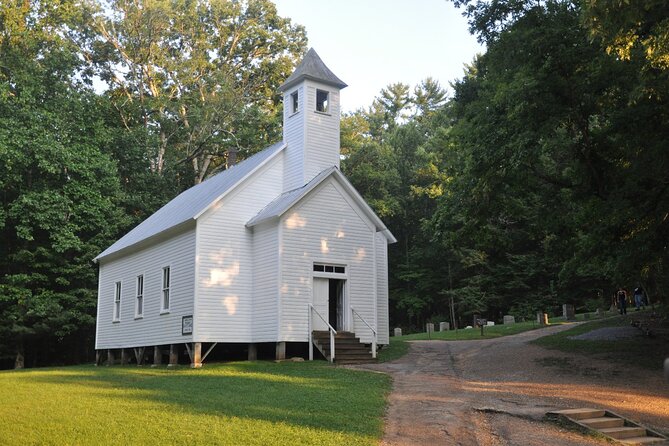
Next comes the Primitive Baptist Church, one of three historic churches in the cove. The church area is also a place you can slow down, because the grounds and surrounding cemetery context add depth to the story.
If you like history that you can stand in, this stop is worth your time. Even a quick walk around the site makes the narration feel more grounded.
Methodist Church (a small building detail with big meaning)
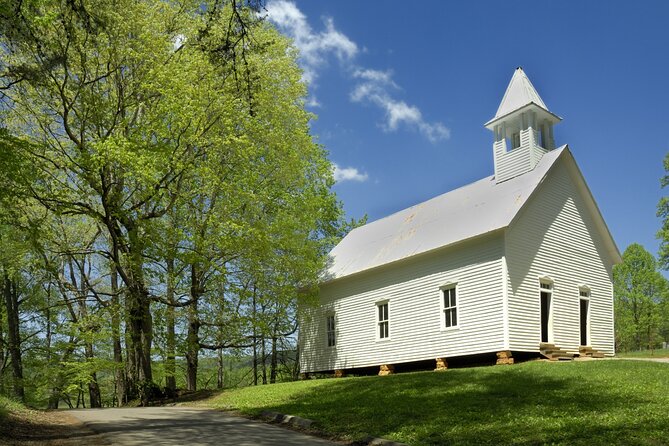
After that, you reach the Cades Cove Methodist Church. One detail to listen for here: the church reportedly cost $115 to build when it was constructed in 1902. That kind of number helps you picture the scale and the determination behind the community’s efforts.
Missionary Baptist Church (ideological split, early days)
Then there’s the Missionary Baptist Church, which traces back to a split from the Primitive Baptist Church during the early days of Cades Cove. The key idea is the human one: even in frontier settings, belief and community decisions created real divisions.
Elijah Oliver Place (short hike, serious story)
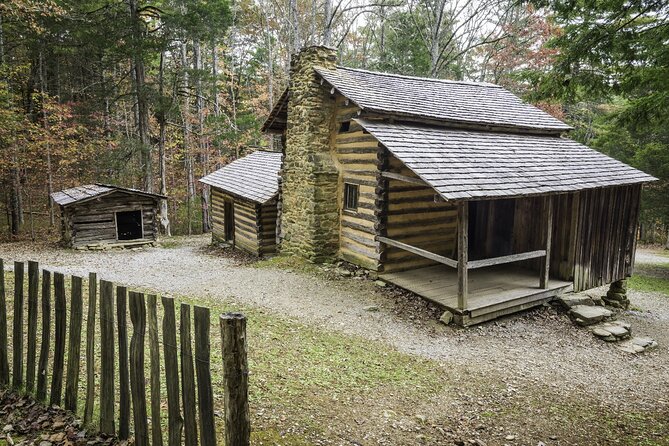
Continuing on, you come to the Elijah Oliver Place, which is reached via a half-mile trail. It’s described as a secluded homestead, and the background connects it to abolitionist danger during the Civil War era.
This is a good stop if you don’t mind getting out of the car for a brief walk. The short hike adds a “you’re actually there” feel, and the audio context makes it more than just another cabin foundation.
Abrams Falls Trail (choose your pace: drive, then hike)
Next is the Abrams Falls Trail, a route that takes hikers to a powerful waterfall deep in the wilderness. This is one of the spots where your “1–2 hour” drive can stretch, because nature breaks add time fast.
If you only have time for a short stroll, listen to the audio and decide how much walking you want to do. If you go all-in, build extra time so you’re not rushing through the later cabin and mill stops.
John Cable Grist Mill (working history you can see)
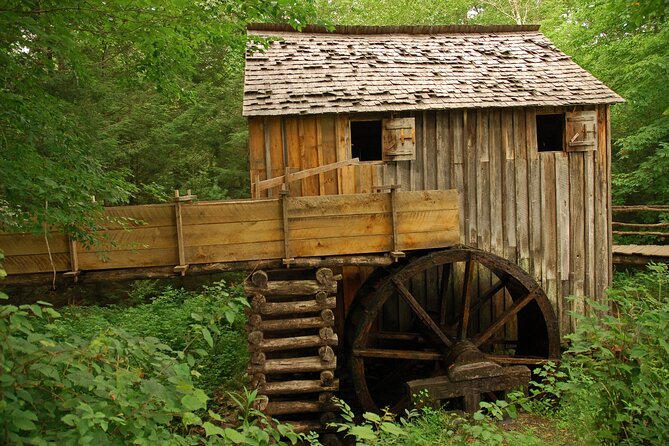
After your waterfall moment, the drive brings you to the Cades Cove Historical Grist Mill, the John Cable Grist Mill. It dates back to 1870, and the cool part is that you can still see it in operation today.
A grist mill is also a great “slow down” point because it’s easy to imagine the daily work that used to happen here. Listening while you’re looking makes the machinery and setting feel real.
Henry Whitehead House (a detour with a personal origin story)
From the grist mill, you’ll have an optional detour to the Henry Whitehead House. This cabin is described as being built as a wedding gift, which is exactly the kind of intimate detail that turns a historic building into a human story.
If you’re time-limited, you can skip the detour. If you have room in your schedule, it’s a nice change of pace from the churches and larger structures.
Tipton Place (a Revolutionary War hero connection)
Next on your route is Tipton Place, once home to a war hero of the American Revolution. This is where the tour broadens beyond local life and ties Cades Cove into larger American history.
Carter Shields Cabin (abolitionist and Civil War losses)
Finally, you reach the Carter Shields Cabin, described as a staunchly abolitionist home that lost much during the Civil War. The end of the loop lands emotionally, because it connects the scenic drive to real conflict and consequence.
Along the way, you’ll also hear stand-alone stories and themes, including Cherokee Homeland, white settlers arriving in Cades Cove, Smokies wildlife, the Cussing Cover, and the last family who lived in Cades Cove. Those topic threads help you understand the cove as a place shaped by many groups and many eras.
Nature Bonus: Wildlife Time and Why Slow Driving Helps
Cades Cove is one of those places where the wildlife is part of the schedule whether you plan it or not. The tour content includes Smokies wildlife stories, and the pacing encourages you to drive slowly and watch the roadside.
A practical takeaway: if you’re constantly flooring it to “finish the tour,” you’re likely to miss the small wildlife moments that happen when cars move at a human pace. The slow loop also gives you more opportunities to pull over safely for photos and listen to the audio’s cues that often come just before you pass a key spot.
Tech Reality Check: Offline Download, GPS Triggers, and Car Audio
Here’s the deal with this kind of self-guided tour: the experience lives or dies on setup.
Download before you go
The tour tells you to download with strong Wi‑Fi/cellular. Once you’re in the park, the app works offline, but you can’t count on signal to fetch the audio later. That’s why you should download before you enter Cades Cove.
If you run into trouble, support is listed as available 5am–5pm EST, which can save your day if you notice issues early.
Make location permissions behave
Because the audio is location-triggered, you want GPS/location settings turned on and working. Some people report audio triggering can be tricky if location is hard to lock. If you’re having a problem, staying still for a moment near the start point can help your phone “find” you.
Use your car’s sound system
For the driving portion, connect your phone to your car system via Bluetooth, USB, or AUX. If you’d rather not involve car audio, headphones are an option for walking segments.
Apple CarPlay is listed as compatible, with navigation features coming soon. Android Auto is noted as on the way, so don’t expect it to be perfect if you’re starting from an older setup.
Recommended devices
The guidance recommends an iPhone running iOS 15 or later, an Android device running version 9 or later, or an iPad/tablet with GPS and cellular connectivity.
A quick heads-up on Wednesday road access
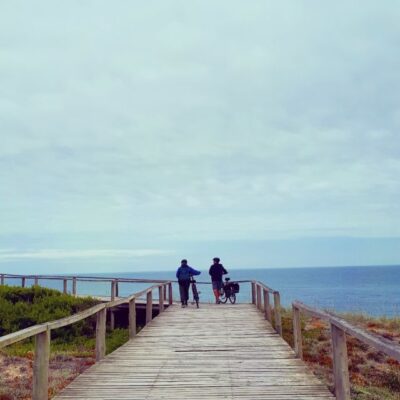
Between May and September, every Wednesday, cyclists and pedestrians get exclusive usage of the Cades Cove Loop Road. That means no normal vehicles are allowed then, so plan a different day if your group is driving.
Also note: Laurel Falls Trail is listed as closed starting January 6, 2025 for about 18 months due to rehabilitation work. If you had Laurel Falls in your broader plan, build an alternate waterfall idea.
Timing Tips: Making 1–2 Hours Feel Just Right
The loop is designed for around 1–2 hours, but that depends on whether you treat stops like quick photo moments or mini-history visits.
Here’s how to get the timing right:
- Start with a short mindset: aim to spend about 5–10 minutes at most sites.
- If you’re drawn to the churches, slow down a bit more—church cemeteries and grounds tend to reward a longer look.
- For Abrams Falls, plan based on your hiking comfort. If you’re walking to the falls, add buffer time so you don’t feel rushed on the return.
A smart trick is to let the audio guide your pull-offs. It tends to cue you ahead of turns and parking, so you’re not reacting at the last second.
Who This Tour Suits Best (and Who Might Skip It)
This is a great match if you:
- want history tied to real buildings you’ll pass, including abolitionist and Civil War-era context
- like self-paced touring where you can pause for photos and start again later
- need something that works with limited cell service, since it’s built to run offline after download
- are traveling with a small group in one car, since pricing is per group up to 4
You might skip it if you:
- hate phone setup and want zero tech at the park
- don’t want to hear much narration and just want quiet scenery
- arrive without downloading and don’t have time to troubleshoot
This is also a good choice for couples and families who want structure without the crowd pressure of a guided tour.
Should You Book This Cades Cove Audio Tour?
If you’re planning a Cades Cove day and you like the idea of hearing the story behind what you’re seeing, I think this is a strong book. The combination of offline audio, GPS-triggered playback, and a route full of historic sites makes the drive feel like more than scenery.
Book it if you can handle one key task: download everything with good signal before you enter the area. If that part sounds stressful, consider arriving with extra time to set up early, or choose a different day than Wednesday during May–September when road access changes.
FAQ
FAQ
How long does the Cades Cove self-guided driving audio tour take?
It’s about 1 to 2 hours, depending on how long you spend at stops and any optional walking like the Abrams Falls Trail.
How much driving is included?
The tour route is over 35 miles long.
How many audio stories are included?
There are more than 40 audio stories.
Is the tour price per person?
No. It’s $14.99 per group, up to 4 people.
Is the Cades Cove daily tag included?
No. A Cades Cove Daily Tag is listed as $5.00 per booking and isn’t included with the tour.
Does the audio work without cellular or Wi‑Fi?
Yes. It’s designed to work offline after you download the tour content and app while you have strong Wi‑Fi/cellular.
Where do I start the tour?
The start point is near the Sugarlands Visitor Center Loop Rd at 107 Sugarlands Visitor Center Loop Rd, Gatlinburg, TN 37738.
Does someone meet me to start?
No. This is self-guided. You open the app onsite and start the first story at the starting point.
What happens on Wednesday mornings in May–September?
Between May and September, cyclists and pedestrians have exclusive usage of the Cades Cove Loop Road every Wednesday, and no other vehicles are allowed.
Can I connect the audio to my car stereo?
Yes. The instructions mention connecting via Bluetooth, USB, or AUX, and audio is compatible with Apple CarPlay.