REVIEW · POMPEI CAMPANIA
Pompeii: Skip-the-Line Ticket with Audio Guide and Map
Book on GetYourGuide →Operated by Pompei Service s.r,l · Bookable on GetYourGuide
Pompeii feels big, but this ticket helps you work fast. I love the skip-the-line access, because Pompeii’s entry can eat your morning. I also like that the package gives you an audio guide and updated map so you can focus on the sights that matter, from the plaster casts to the Roman amphitheater. One thing to keep in mind: the exchange desk and paper map setup can be awkward, and the audio experience may not match the language promise the way you expect.
This is a self-guided day in Campania, Italy—so you’re in control of your pace. You’ll walk Pompeii’s ancient streets, pass houses, spas, temples, shops, thermopolis spots, theaters, brothels, and the eruption victims’ casts. It’s a rewarding way to see a UNESCO-level site, but it’s also a lot of walking, and it’s not built for wheelchairs or limited mobility.
In This Review
- Key Things I’d Plan Around
- Pompeii in One Day: What Your Skip-the-Line Ticket Really Buys
- Where to Exchange Your Voucher Near Via Roma 32
- Using the Audio Guide and Updated Map Without Getting Lost
- Strolling Pompeii’s Houses, Shops, and Temples at Your Own Pace
- Thermopolis and Roman Daily Life: Food, Fast Stops, and Street Energy
- The Victim Casts and the Roman Amphitheater Moment That Changes Everything
- Domus to Brothels: Understanding Pompeii’s Social Map
- Price and Value: Is $44 a Good Deal?
- What to Bring (and What Will Slow You Down)
- Who This Pompeii Ticket Fits Best
- Should You Book This Pompeii Skip-the-Line Ticket?
- FAQ
- Where is the meeting point to exchange the voucher?
- Does this ticket include skip-the-line access and an audio guide?
- What languages are available for the audio guide?
- What should I bring to visit Pompeii?
- Are backpacks allowed inside the ruins?
- Is Pompeii accessible for wheelchair users with this experience?
Key Things I’d Plan Around
- Skip-the-line entry: You exchange your voucher for valid tickets and get into the ruins with less waiting.
- Audio guide support: You get an English-led audio experience plus language options listed for several others.
- A map meant to prevent detours: There are suggested itineraries, but you may need to take a minute to orient yourself.
- Emotional anchors: The victim casts and the amphitheater help you understand Pompeii in a way “just walking” can’t.
- You choose the route: The value is that you’re not stuck in a rigid group schedule for all day.
Pompeii in One Day: What Your Skip-the-Line Ticket Really Buys

At $44 per person for a 1-day visit, this ticket isn’t about comfort—it’s about efficiency. Pompeii is the kind of place where your best experience depends on time: you want daylight, you want energy, and you want to arrive with a plan so you don’t wander until your feet call it quits.
The big win here is the skip-the-line part. That means you’re not waiting in the same queue as everyone else while you’re watching the clock. Once you’re inside, you’re free to move at your own pace, and that matters because Pompeii rewards both quick snapshots and slow curiosity.
The second value piece is the audio guide plus map. Pompeii is easy to romanticize, but it’s also easy to misunderstand if you don’t know what you’re looking at. These tools are meant to connect what you see (domus, temples, spas, theaters, and more) with what it meant in Roman life—plus what happened during the eruption of Mount Vesuvius.
You can also read our reviews of more tours and experiences in Pompei Campania.

Where to Exchange Your Voucher Near Via Roma 32
You meet at Via Roma 32, Pompei, right next to Pasticceria De Vivo. It’s about 5 minutes on foot from the Amphitheatre Pompeii Ruins Gate.
This exchange step is important because it sets the tone for your whole visit. If you arrive slightly late, you might lose time you’d rather spend walking. I’d treat the exchange as your “pre-start checklist,” not a formality. Once you’ve got your valid entrance ticket in hand, you can start moving quickly instead of getting stuck figuring out lines and entries.
Also, remember this is not a hotel pickup tour. You’ll be on your own for getting there—so build in a buffer for local transit or parking.
Using the Audio Guide and Updated Map Without Getting Lost
Pompeii is a maze in the best way—until it isn’t. Streets intersect, sights cluster in different directions, and the site is large enough that a wrong turn can cost you an entire hour.
That’s why the updated map and “various itineraries” are part of the package. The goal is to keep you from seeing only the first zone you reach. Instead, the guidance helps you hit major highlights like the Roman amphitheater and the eruption casts, then branch into houses, public spaces, and neighborhood businesses.
Now, a practical caution: even with many languages listed, the audio setup may not feel equally robust across languages. The language experience can be inconsistent depending on what you select. If you want the smoothest experience, plan around English audio being the most straightforward way to follow along.
One more thing: the map is paper, and paper can be tricky in bright sun. Give yourself time at the start to orient once, not repeatedly all day. I like to do a quick “who am I looking for?” pass: figure out where your top 3 stops sit on the map before you start walking.
Strolling Pompeii’s Houses, Shops, and Temples at Your Own Pace
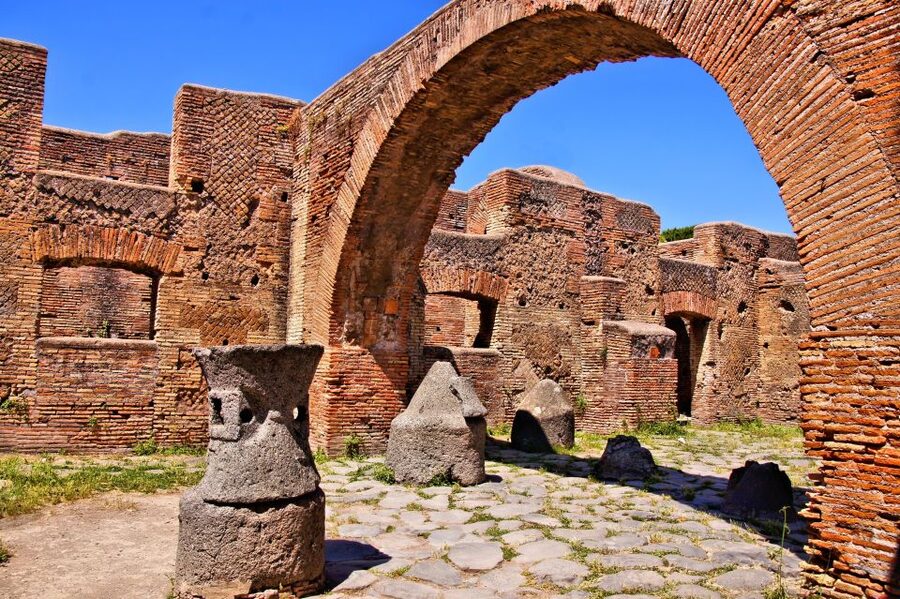
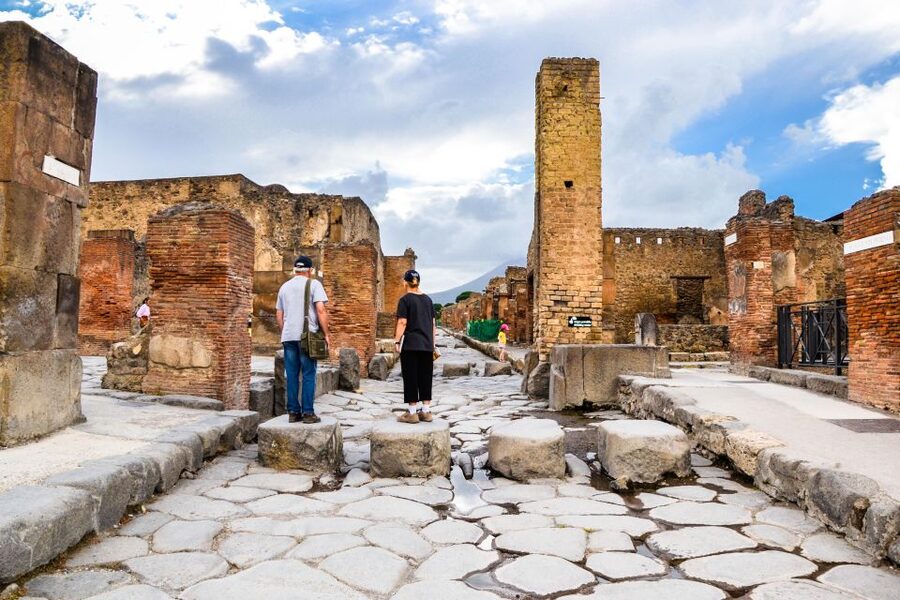
Once you enter, you’re basically running your own Pompeii itinerary. The package is built for self-guided exploring, so you decide how long you linger at each type of place.
Here’s what the route is designed to include, in the real-world order you’ll likely notice it:
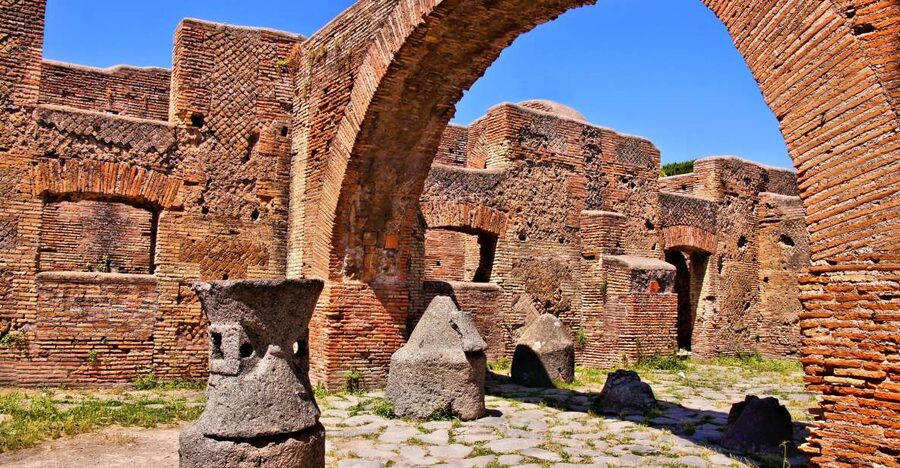
- Domus (frescoed homes): Pompeii’s house interiors and wall art are a major draw. Even if you can’t read every label, the visuals help you picture how wealthy and everyday Romans lived side by side in the same city footprint.
- Shops and commercial spaces: You’ll see the kind of built-in business zones that made daily life run. It’s not just “ruins”—it’s evidence of routine.
- Temples: These places help you connect the city’s architecture to religion and civic identity.
The value of the audio guide here is context. Without it, you might treat Pompeii like a set of pretty corners. With it, you can start tying each stop to the larger story: how a Roman city functioned right up until the eruption.
One drawback of doing this on your own: Pompeii doesn’t come with “you are here” moments everywhere. If you tend to get impatient or you’re prone to wandering, you might need to check your map more often than you’d like. That’s why having a plan for the first hour pays off.
Thermopolis and Roman Daily Life: Food, Fast Stops, and Street Energy
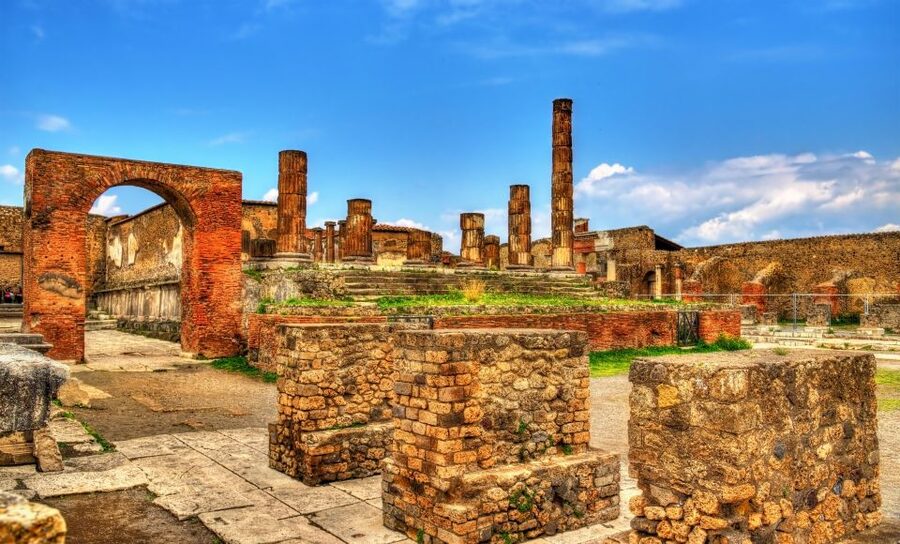
Pompeii has a way of making ancient daily life feel less abstract. The ticket includes stops that point you toward spaces like thermopolis, which were basically coffee-fast-food places of the time. You’re seeing the social and practical side of Roman cities—the places where people would grab something, linger, and chat.
You’ll also pass through the “how people lived” categories that make Pompeii more than architecture:
- Spas: Look for the design that supported bathing culture and routine.
- Shops: You’re building a picture of local commerce.
- Temples: You’re reminding yourself this city wasn’t only about eating and working.
- Theaters and leisure spaces: You’ll see how entertainment fit into everyday scheduling.
This is the part where I’d encourage you to slow down just a little. The longer you stay, the more Pompeii stops feeling like a checklist and starts feeling like a real place with rhythms.




The Victim Casts and the Roman Amphitheater Moment That Changes Everything

If you only remember two things after Pompeii, make them the eruption victim casts and the Roman amphitheater.
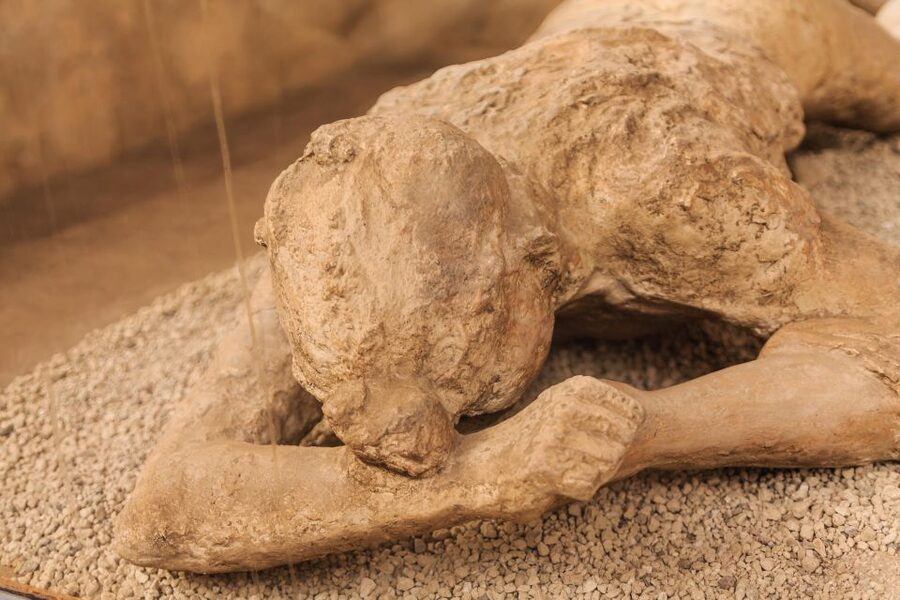
The plaster casts of the victims are the emotional anchor of the site. They’re not a random “extra stop”—they’re how the tragedy becomes specific. They also connect directly to the history component included with the ticket: you learn about the city and the eruption of Mount Vesuvius in a way that feels immediate rather than textbook.
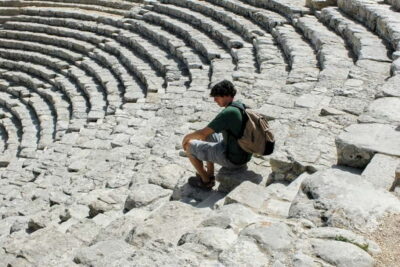
Then there’s the amphitheater, one of the best-preserved Roman arenas in Pompeii. The audio guide and map help you find it and place it in the larger city layout. Even without a guided lecture, stepping into that space gives you a strong sense of spectacle and community.
This pairing—casts and amphitheater—does something important. It reminds you Pompeii wasn’t just a “beautiful ruin.” It was a living city with daily routines, public gatherings, and entertainment, right next to catastrophic loss.
Domus to Brothels: Understanding Pompeii’s Social Map
The ticket doesn’t shy away from the real-world spread of Pompeii society. You’ll see:
- Domus (homes)
- Spas
- Temples
- Shops
- Thermopolis
- Theaters
- Brothels
That last category can be jarring if you arrived expecting only romanticized ruins, but it’s also part of why Pompeii is so valuable. You get a fuller picture of how Romans organized spaces for leisure, work, religion, and everything in between.
Here’s how to get the most from these stops:
- Use the audio guide for the “what is this” function.
- Then look around for the “who used it” vibe, based on the layout and how the rooms connect.
- Don’t expect modern labels—let the site’s purpose guide your interpretation.
If you want a “family-friendly only” day, this may not be the best match because the ticket includes brothel sights. If you’re comfortable with learning the full range of Roman life, you’ll likely find this section gives Pompeii its edge and honesty.
Price and Value: Is $44 a Good Deal?
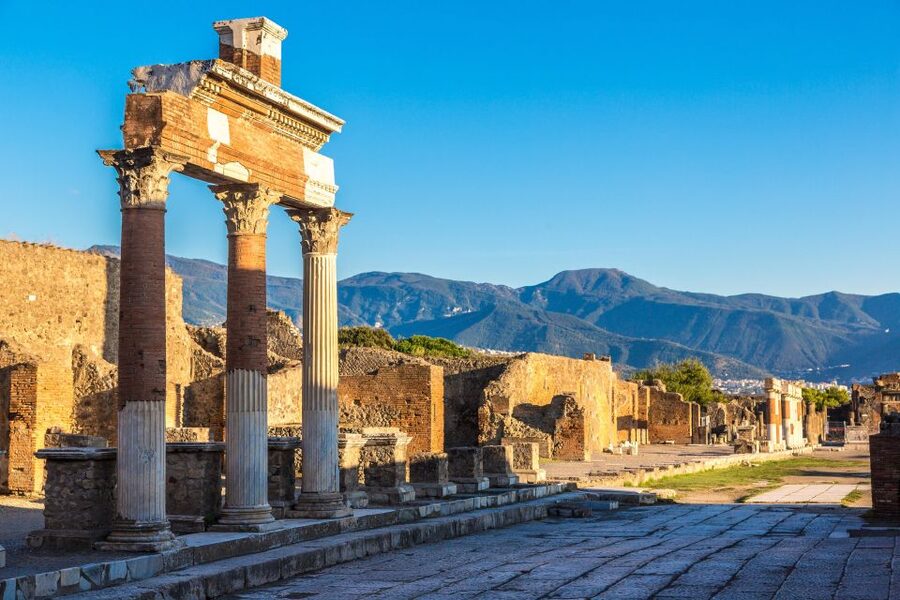
Let’s talk straight about $44 per person. For Pompeii, pricing tends to be all over the place depending on what’s bundled. What matters here is what you get versus what you’d do on your own.
This package includes:
- Skip-the-line ticket package
- Audio guide
- Updated map
What you don’t get:
- Hotel pickup or drop-off
- Meals
So the best way to judge value is to ask: would you pay extra to save time and avoid figuring it out alone? If you’re arriving during busy hours, skipping the line can easily be worth the price difference. If you also want audio context—especially for understanding the domus, public spaces, and the eruption story—then the bundled guidance can feel like a solid deal.
But keep a realistic expectation about the audio experience. The language options are listed widely, yet the actual delivery can feel uneven. If you choose a language other than English and you’re expecting the same audio style, plan for the possibility that it may come with more “map + booklet” support rather than full voice narration.
If you’re budget-focused and you’re comfortable buying entry tickets directly and navigating independently, you might feel this is expensive. If you value saving time and reducing confusion, this becomes much more attractive.
What to Bring (and What Will Slow You Down)
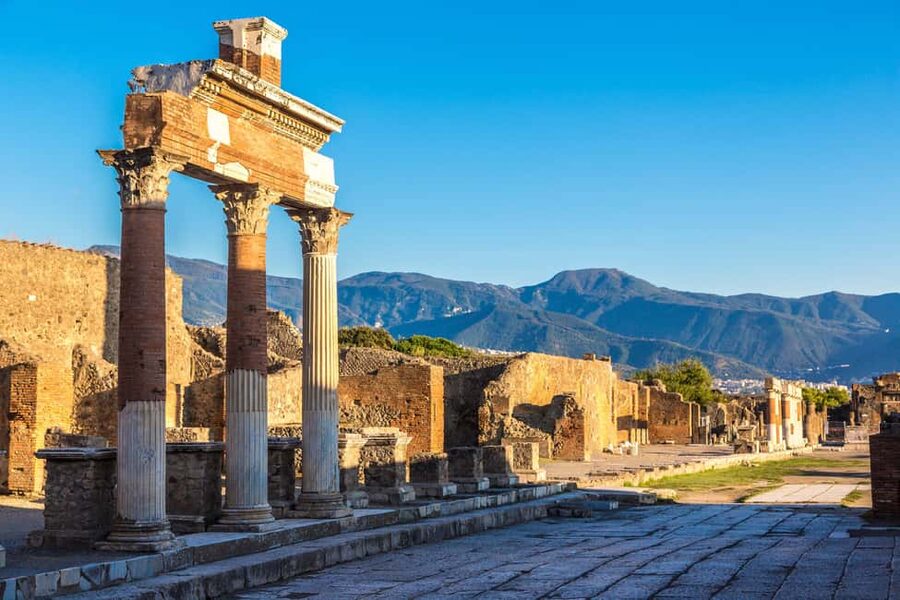
Pompeii is outdoors, uneven, and long-walk heavy. Bring what keeps you moving.
You should bring:
- Comfortable shoes (this is non-negotiable)
- Hat and sunscreen
- Camera
- Water
Also note what’s not allowed:
- No flash photography
- Backpacks and large bags are not allowed
That ruleset matters because it affects what you can carry. If you usually travel with a bigger daypack, you may need a smaller bag strategy. The less you carry, the easier it is to move quickly between stops.
And because Pompeii is huge, hydration is part of your comfort plan, not a nice-to-have.
Who This Pompeii Ticket Fits Best
This experience fits you if:
- You want self-guided freedom but still want structure.
- You like learning while you walk, especially with the Mount Vesuvius and city history context.
- You want to hit major highlights like the victim casts and Roman amphitheater without building your own route from scratch.
It’s less ideal if:
- You need step-free routes or wheelchair access (it’s not suitable for mobility impairments or wheelchair users).
- You need full-service guidance on the ground. This is audio + map, not a live guide following behind you.
If you’re the type who enjoys planning a route and then letting yourself wander within it, you’ll probably enjoy this style.
Should You Book This Pompeii Skip-the-Line Ticket?
I think it’s worth booking if your priority is time saved + context provided. The skip-the-line setup and the audio/map package are exactly what you want in a place like Pompeii, where getting oriented early can make the difference between a day that feels meaningful and a day that feels like logistics.
I’d say no (or at least reconsider) if you’re counting on flawless multilingual audio or if you strongly prefer an on-site human guide to correct mistakes and adapt your route. Also, if you’re sensitive to carrying restrictions or long uneven walks, Pompeii won’t be gentle.
If you want an efficient Pompeii day where you control the pace, this ticket checks the right boxes. Just come ready with comfortable shoes, a water plan, and the mindset that you’ll be doing a lot of walking.
FAQ
Where is the meeting point to exchange the voucher?
The voucher is exchanged at Via Roma 32, Pompei, right next to Pasticceria De Vivo, about 5 minutes on foot from the Amphitheatre Pompeii Ruins Gate.
Does this ticket include skip-the-line access and an audio guide?
Yes. The package includes a skip-the-line ticket, an audio guide, and an updated map.
What languages are available for the audio guide?
The audio guide is listed as available in English, French, Italian, German, Spanish, Russian, Polish, Hebrew, Chinese, Dutch, and Portuguese.
What should I bring to visit Pompeii?
Bring comfortable shoes, a hat, a camera, sunscreen, and water.
Are backpacks allowed inside the ruins?
No. Backpacks and large bags are not allowed inside the excavations.
Is Pompeii accessible for wheelchair users with this experience?
No. It’s not suitable for people with mobility impairments and wheelchair users.