REVIEW · ATHENS
Athens: Meteora Day Trip with Central Pickup & Audio Guide
Book on GetYourGuide →Operated by SIGHTS OF ATHENS-GRAY LINE · Bookable on GetYourGuide
Meteora looks unreal at first glance. This day trip gets you from Athens to UNESCO Meteora with an audio guide that explains the rock formations and monastery life as you move through the site. I love that you actually enter two monasteries (not just look from afar), and I love the built-in photo stops that help you frame the dramatic cliffs. The tradeoff is a very long day, plus monastery entrance fees (around €5 per monastery) aren’t included.
Logistics are mostly painless. You get morning pickup from four central spots (Plaka, Syntagma, Omonoia, Karaiskaki), then an air-conditioned coach ride into Thessaly that runs about four hours each way. Just know this is not a leisurely stroll: you’ll do plenty of walking and there can be stairs once you’re at the monasteries.
I also like that this tour gives you structure without suffocating you. You’ll have a break in Kalabaka for lunch or downtime, then a guided Meteora block with time to wander viewpoints on your own. It’s best for people who can handle a long ride and a fair amount of walking, and it’s not suitable for mobility impairments.
In This Review
- Key Highlights You’ll Feel Immediately
- Why Meteora Feels Like Another Planet
- Athens Pickup and the 14-Hour Reality Check
- Kalabaka Break: Lunch, Reset Time, and Stretching Legs
- Meteora Rocks and the Audio Guide in 8 Languages
- Guided Time at Meteora: 6 Seen, 2 Entered
- Photo Stops That Actually Help You Get Better Shots
- Lunch and Small Comforts on a Long Coach Day
- Cost and Value: Is $80 Worth It?
- Who This Meteora Day Trip Fits Best
- What to Bring (and What to Plan For)
- Should You Book This Meteora Day Trip?
- FAQ
- How long is the Athens to Meteora day trip?
- Where are the pickup points in Athens?
- What time does the tour depart?
- Is lunch included?
- Are monastery entrance tickets included?
- How many monasteries do we enter?
- Is an audio guide included, and what languages?
- Is the bus air-conditioned?
- Are pets allowed?
- What should I bring?
Key Highlights You’ll Feel Immediately
- Central Athens pickup (4 meeting points) makes it easy to start the day without a complicated commute
- Audio guide in 8 languages keeps you informed even when you’re not near your guide
- Enter 2 monasteries out of the complex, with chances to see more from outside
- Plenty of Meteora photo stops so you’re not fighting for the best angles
- Lunch option is practical: seasonal salad + one main + water (vegan/vegetarian available)
- Two drivers + coach comfort helps on a long travel day, especially on return
Why Meteora Feels Like Another Planet
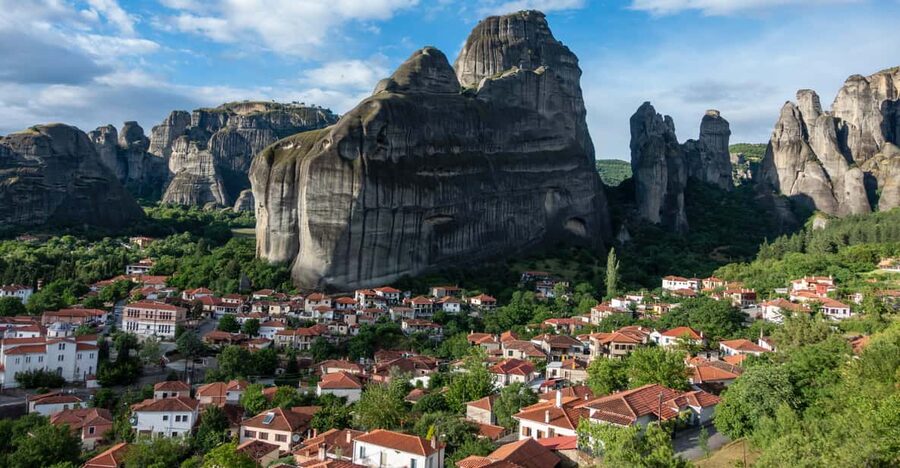
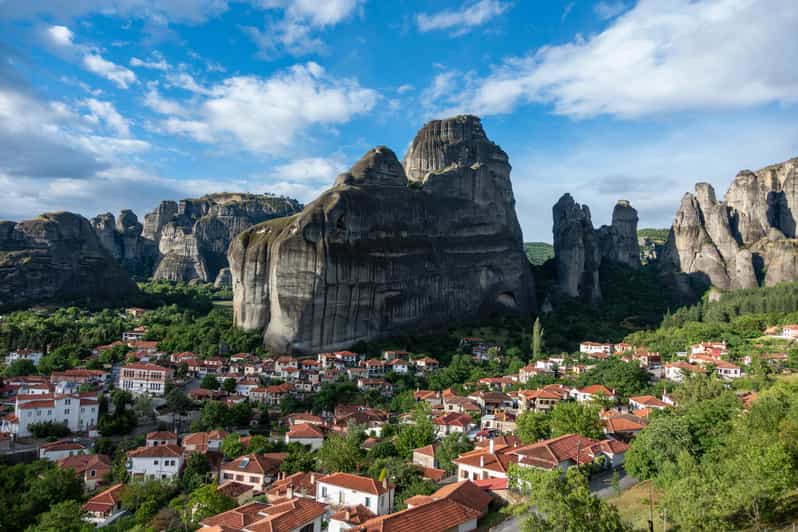
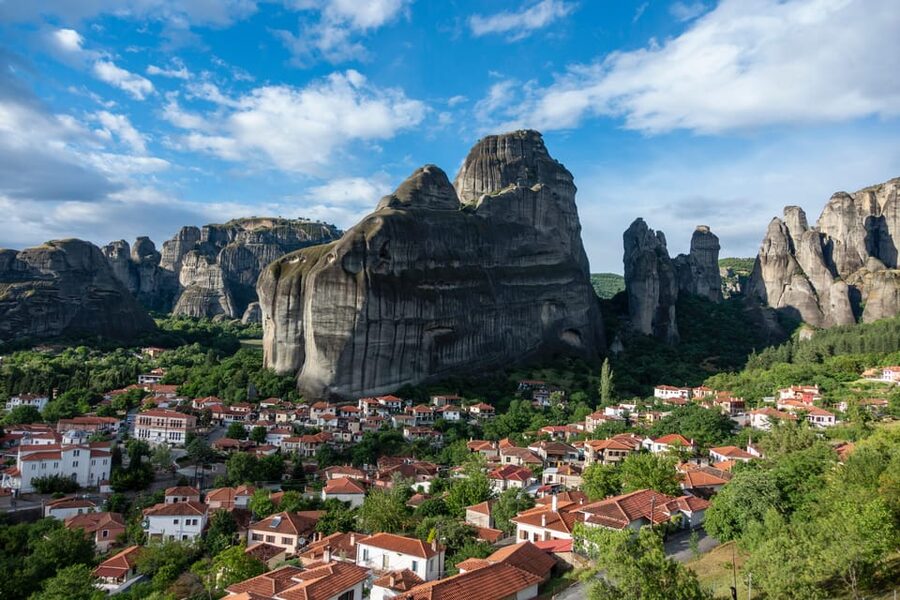
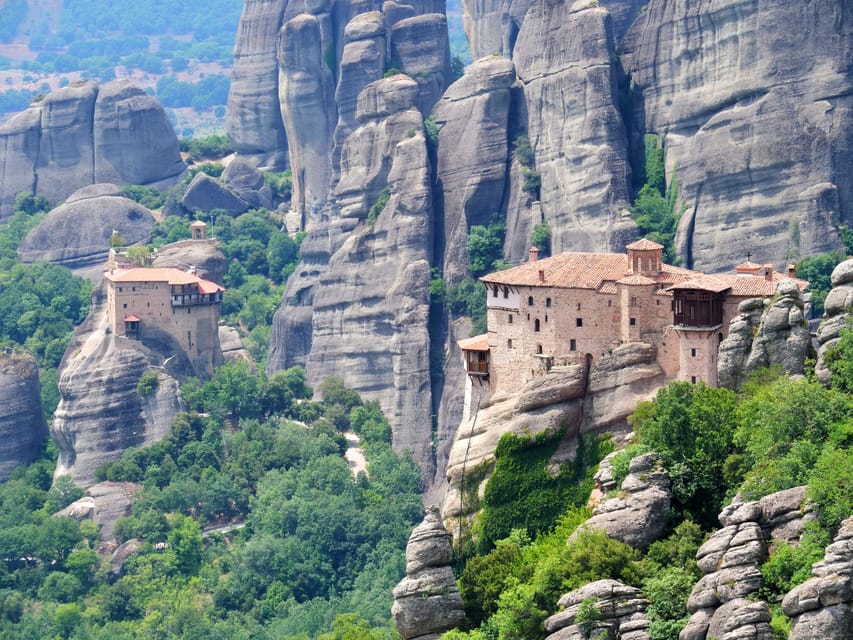
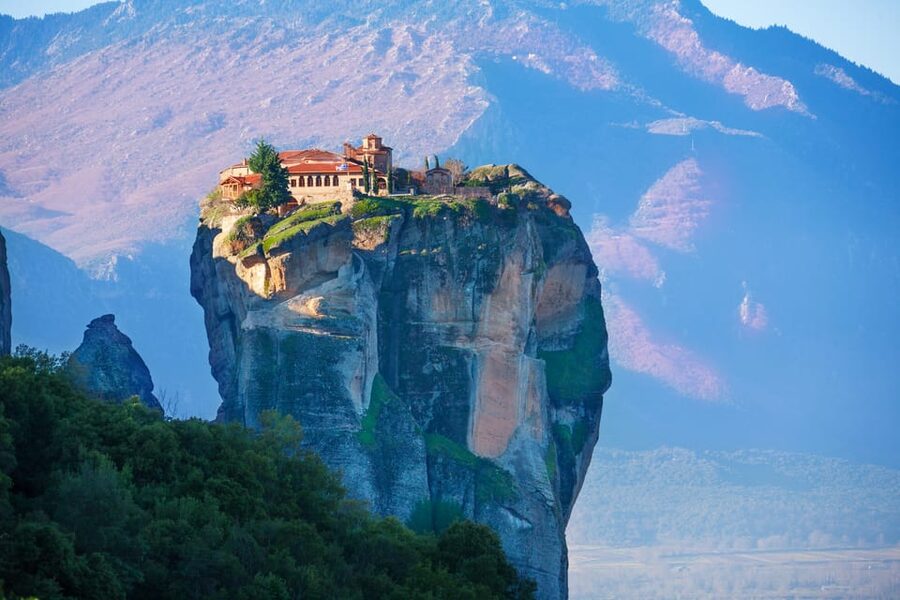
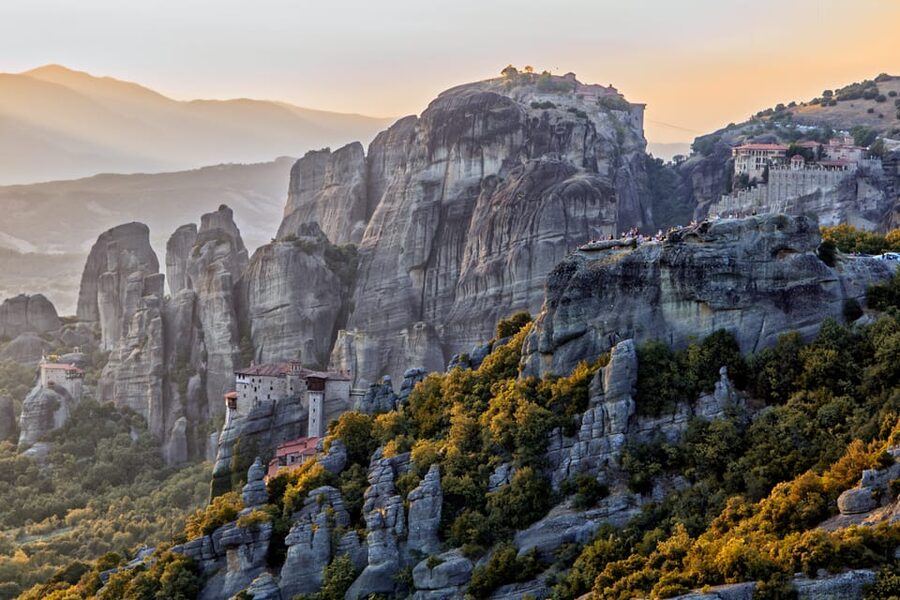
Meteora is the kind of place that makes you pause and look up. Towering rock pillars rise out of the Thessaly plain like someone stacked the sky, and monasteries cling to the summits. It’s UNESCO for a reason: the whole site is both geology and human faith, layered on top of each other.
On this tour, you get the story behind those cliffs, not just the view. Your audio guide and English-speaking guide explain how the formations took shape over millions of years, and then connect that geology to why monks later chose these cliffs for living and prayer. It’s a rare combo—science meets spiritual architecture—in a single day plan.
You can also read our reviews of more tours and experiences in Athens.
Athens Pickup and the 14-Hour Reality Check
This is a full-day coach trip, so set expectations now. The total duration is listed at 14 hours, and with a morning departure between 7:00 and 7:20 AM, you’re typically looking at a late return. One of the biggest values here is not trying to self-organize a route that eats your energy.
Pickup is clean and specific. You meet at the blue hop-on-hop-off bus stops at Plaka area (Melina Mercouri Monument, 7:00 AM), Syntagma/Greek Parliament (7:05 AM), Omonoia Square (7:15 AM), or Karaiskaki Square (7:20 AM). That means fewer “how do I get there” headaches compared with tours that expect you to manage station transfers.
The bus ride is long—about four hours to Kalabaka—but it’s built for comfort. You’ll be on an air-conditioned coach, and you’ll have breaks along the way so you’re not counting the minutes with a dead phone battery. If you’re sensitive to long trips, bring a small cushion for your seat and plan to stretch during stops.
Kalabaka Break: Lunch, Reset Time, and Stretching Legs
Kalabaka is the base town for Meteora, and it’s not just a waiting room. It sits right at the foot of the rock pillars, so the area already gives you context before you climb into the main site. By the time you arrive around noon, you’ll have time to refuel and get ready.
If you select the lunch option, it’s included and simple. You get a seasonal salad plus one main course, plus free water, with vegan and vegetarian options available. I like this setup because it removes one more decision from your day, especially when you’re dealing with early mornings and a timed monastery schedule.
If you don’t choose lunch, you still get structure. You’ll have a break in town to grab snacks and rest before the Meteora portion begins. Either way, the best move is to use your time efficiently: eat, check your camera battery, and take a quick walk to get your legs warmed up.
There’s also a photo stop and free time built into the Kalabaka block. That’s important because Meteora itself can be intense—your schedule there is about balancing guided explanations with walking and viewpoint hopping.
Meteora Rocks and the Audio Guide in 8 Languages
Once you’re at Meteora, the day shifts from travel mode to exploration mode. You’ll hear how the rock formations formed over millions of years, and you’ll learn how those cliffs later attracted monks again starting in the 9th century. Then the story moves to the 14th century, when the first monasteries were built on top of these giant stone pillars.
The audio guide is a real helper on a site like this. It’s included and offered in English, French, Spanish, German, Russian, Portuguese, Italian, and Chinese. So even if you miss one detail while taking photos, you can catch up while walking between stops.
One practical note: coverage and depth can vary by the day and where you are on the route. I’d still rely on the audio for baseline info, but I’d also keep your eyes on what your live guide is pointing out, especially for viewpoints where the best angles depend on the exact direction you’re facing.
Guided Time at Meteora: 6 Seen, 2 Entered
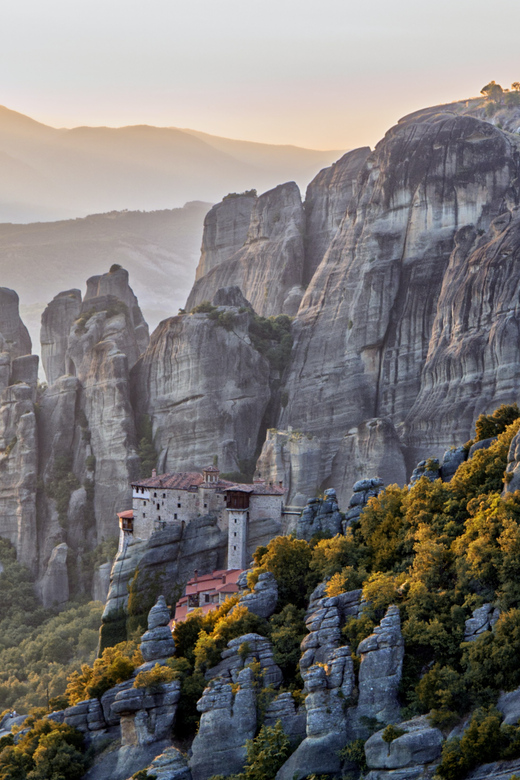
Here’s the part that matters most: you see the broader complex, but you don’t rush inside everything. The tour is set up so you view multiple monasteries across the site, while entering two of the six monasteries. The tour also notes that only 2 or 3 are open on any given day, so your exact entrances can shift with operations.
Entrance fees are not included. The approximate cost is about €5 per monastery, so budget a little extra on top of the ticket price. For me, that’s part of the value math: you pay the site directly for what you’re actually stepping into, while the tour manages timing, guidance, and transport.
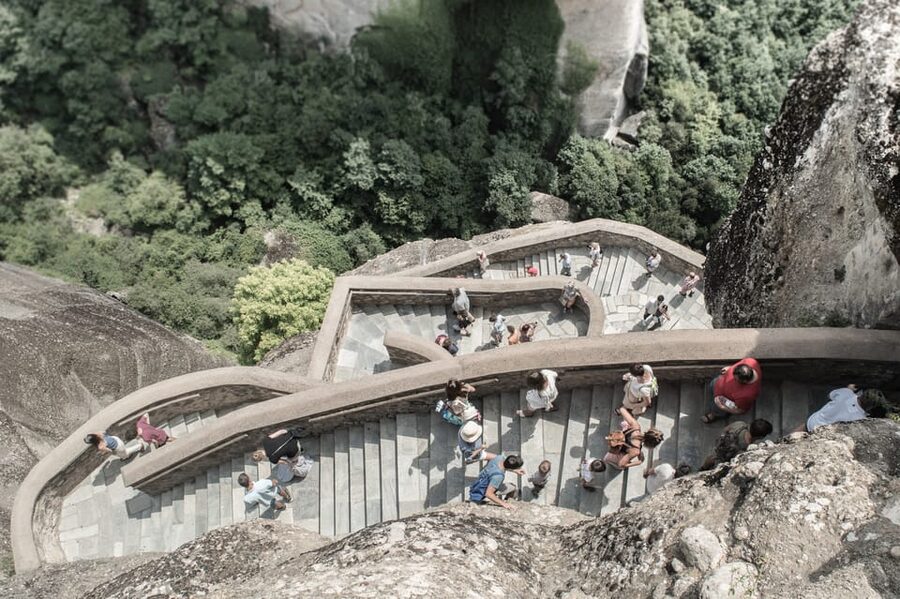
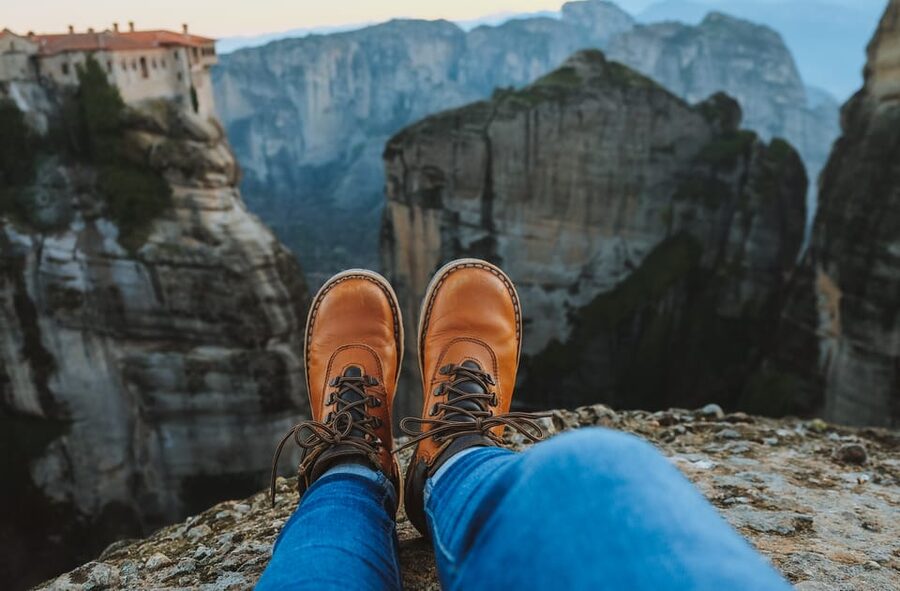
Walking up to monasteries can involve stairs and uneven surfaces. One visitor noted about 140 steps during their visit, which matches what you should expect once you’re at these cliffside structures. Wear shoes you’d trust on cobblestones and slopes, not your “nice but slippery” pair.
While you’re inside, you’ll get the vibe of Orthodox monastic life without needing a second day. Even with only two interiors, you leave with enough contrast to understand how the architecture, artwork, and cliff setting all work together.
Photo Stops That Actually Help You Get Better Shots
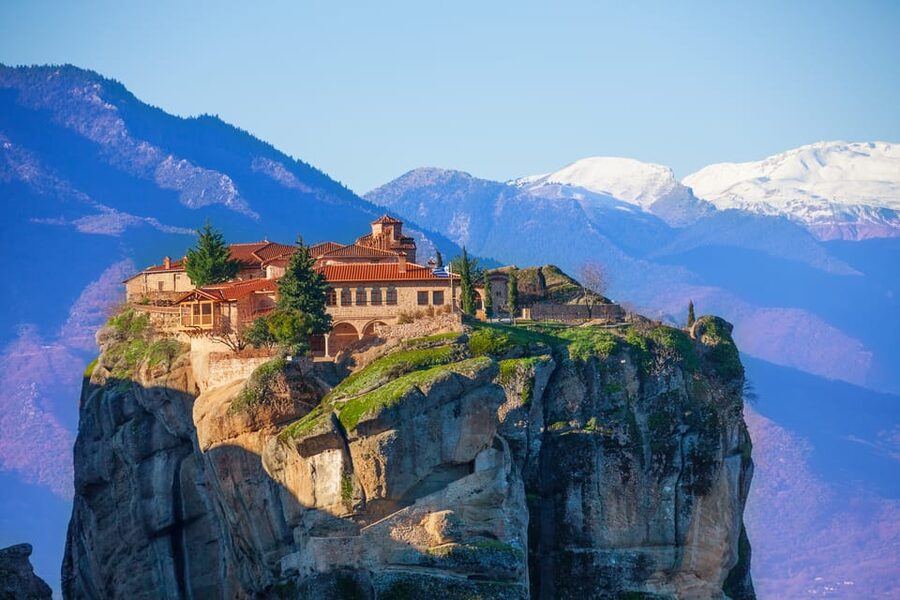
Meteora is made for photos, but bad timing can ruin photos. This tour builds in photo stops at viewpoints, so you’re not just wandering until the light changes. The guided flow helps you reach key vantage points when the group can move together instead of sprinting across the site.
Bring a camera plan. Aim for wide shots when you first arrive so you can capture the rock pillars and monastery silhouettes, then switch to tighter frames once you’re inside or at closer viewpoints. If you’re trying to photograph the monasteries from different angles, it helps to keep your pace steady during transitions.
Weather matters more here than people expect. Fog, rain, or heavy haze can blur distant viewpoints, even if the monasteries still feel dramatic up close. If you’re deciding on dates, keep an eye on forecasts around Meteora day, and accept that a cloudy day can still be beautiful—it just changes the contrast.
Lunch and Small Comforts on a Long Coach Day
Lunch is one of the easiest choices on this trip because the option is built into the schedule. With the included meal, you get salad, a main course, and water. Some people found the lunch very satisfying, and the presence of vegan and vegetarian options is a thoughtful detail for mixed groups.
Still, food quality isn’t guaranteed for everyone. A couple of notes in the provided info mention lunches that were less enjoyable on specific days, so if food is your top priority, consider treating lunch as helpful energy rather than a culinary highlight.
Beyond lunch, the day is designed around breaks. There’s a rest and free-time window in Kalabaka, and you should expect the coach to include comfort stops along the way. On a day that’s 14 hours long, those small breaks are what keep the trip from turning into a cranky endurance test.
Cost and Value: Is $80 Worth It?
At $80 per person, you’re paying for three big things: transport from Athens, organization, and access time at Meteora. The bus ride alone saves you from planning schedules, navigating your own route, and paying for separate transfers.
Then you get the “guided efficiency” piece. You don’t need to figure out which monasteries are open that day or how to order the visits so you’re not wasting time. You also get guided context plus audio in 8 languages, which makes the visit feel more meaningful than a self-guided wander.
The catch is that monastery entrance fees aren’t included (about €5 per monastery). Also, drinks aren’t included, so plan to cover bottled water if you want more than the lunch portion. If you’re traveling on a tight budget, factor those extras into your total.
For me, this price is strongest if you want convenience and clarity more than maximum time on-site. If you’re the type who wants a slow, two-day monastery immersion, you might end up wishing you had more hours at Meteora—but for many first-timers, this day trip hits the sweet spot.
Who This Meteora Day Trip Fits Best
This tour fits best if you want a structured day with minimal logistics stress. It’s especially appealing for people who:
- don’t want to manage public transport out to Kalabaka
- want guided context plus an audio option
- enjoy photo stops and don’t mind walking
It’s also a good choice for families who can handle a long day and stairs. Several people in the provided info mention bringing kids and still having a great time, mainly because the schedule keeps the day from drifting.
It’s not for everyone. The tour is not suitable for people with mobility impairments, and the walking and stairs at cliffside monasteries are a real consideration. If mobility is an issue, you’ll likely want a different format that matches accessibility needs.
What to Bring (and What to Plan For)
Pack like it’s a long walking day with weather surprises. Bring comfortable shoes and a camera, since the photo stops are a major part of why the day feels worth it. You’ll also need an ID or passport; a copy is accepted.
Think about heat and hydration. Lunch includes free water with the lunch option, but on hot days you might want extra fluids for the climb and time outdoors. And if the forecast looks wet, a compact rain layer can help—you’re outside for viewpoints and transitions.
Finally, be mentally ready for stairs. Even if you’re only entering two monasteries, the climb to reach them can still be steep. The best strategy is to pace yourself, take breaks when you can, and keep an eye on the group so you don’t get left behind.
Should You Book This Meteora Day Trip?
Book it if you want Meteora without the stress of transportation planning. This is a strong first-timer option because it combines guided explanation, audio help in 8 languages, and entry into two monasteries, all wrapped in an organized coach schedule.
Skip it or choose something else if you’re trying to maximize time inside every monastery. The day is already packed into a 14-hour format, and entrance fees plus additional walking mean it’s more “experience and see” than “settle in for hours and hours.”
If you’re flexible and you can handle a long day, this tour is a practical way to reach one of Greece’s most striking places—and come home with photos and context, not just a blurry bus window memory.
FAQ
How long is the Athens to Meteora day trip?
The duration is listed as 14 hours, with about four hours each way by coach.
Where are the pickup points in Athens?
Pickup is available from four central meeting points: Plaka area (Melina Mercouri Monument), Syntagma area/Greek Parliament, Omonoia Square, and Karaiskaki Square.
What time does the tour depart?
Departures start in the morning at different times depending on pickup point: 7:00 AM, 7:05 AM, 7:15 AM, or 7:20 AM.
Is lunch included?
Lunch is included only if you select the lunch option. The included meal is a seasonal salad plus one main course, with free water, and vegan/vegetarian options are available.
Are monastery entrance tickets included?
No. Entrance fees to the monasteries are not included, and the approximate cost is about €5 per monastery.
How many monasteries do we enter?
You enter two monasteries during the visit (entrance fees not included), while seeing monasteries across the complex.
Is an audio guide included, and what languages?
Yes. The audio guide is included in English, French, Spanish, German, Russian, Portuguese, Italian, and Chinese.
Is the bus air-conditioned?
Yes. The coach is air-conditioned.
Are pets allowed?
No, pets are not allowed on this activity.
What should I bring?
Bring comfortable shoes, a camera, and an ID/passport (a copy is accepted).