REVIEW · ATHENS
Athens: Archaeological & Acropolis Museum Entry & Audio Tour
Book on GetYourGuide →Operated by Clio Muse Tours · Bookable on GetYourGuide
Two museums can feel like one smart route. This Athens combo pairs pre-booked e-tickets with two offline audio tours, so you can move at your pace and still get the story behind the stones.
I love that setup because it cuts down on museum-line stress and lets you study at museum speed, not tour-group speed. I also like that the audio content is replayable, so you can come back to the parts you rushed past (or revisit after dinner). One thing to consider: you’ll need your own smartphone (and ideally headphones), plus enough space to download the offline audio.
In This Review
- Quick hits before you go
- The Two-Museum Plan That Fits Real Sightseeing Time
- National Archaeological Museum: Start With Context, Not Just Objects
- Acropolis Museum: Get Meaning From the Stories in Your Pocket
- What the Offline Audio Tours Actually Do for Your Visit
- E-Tickets and Timing: Why This Combo Costs What It Costs
- Logistics That Actually Matter (And What Doesn’t)
- Practical Pre-Download Checklist (So You Don’t Lose Time Inside)
- Who This Works Best For
- Should You Book This Athens Museum Combo?
- FAQ
- What’s included in the Athens Archaeological & Acropolis Museum Entry & Audio Tour?
- How long does the experience take?
- Do I need a live guide?
- Where do the audio tours start?
- Do I need headphones?
- Can I download the audio for offline use?
- What phones work for the audio tours?
- Is it wheelchair accessible?
- Is this experience refundable?
Quick hits before you go

- E-ticket entry to two top museums: Acropolis Museum and National Archaeological Museum, timed together for a smooth day.
- Offline audio tours with maps: download in advance so you’re not stuck hunting for signal.
- Audio starts at each entrance: you get oriented right where you need to be.
- Replay anytime: use the tours before or after your visit to sharpen details you might miss the first pass.
- No live guide: you’re in control, but you won’t get spontaneous answers to questions.
The Two-Museum Plan That Fits Real Sightseeing Time

This experience is designed around a simple truth: Athens museums reward curiosity, but your legs and attention have limits. You get a 3-hour window to visit both, with the day structured so you begin at the National Archaeological Museum and then move on to the Acropolis Museum.
That order matters. The National Archaeological Museum gives you a bigger cast of characters—artifacts from across Greek history—so when you reach the Acropolis Museum, you’re not looking at objects in isolation. You’re connecting them to a wider timeline of what ancient Athenians made, used, believed, and protected.
And because it’s self-guided, you can pause. You can read longer when something catches your eye, then speed up when you’ve got the idea. If you prefer a steady rhythm over a rigid schedule, this format tends to work well.
You can also read our reviews of more tours and experiences in Athens.



National Archaeological Museum: Start With Context, Not Just Objects

You begin at the National Archaeological Museum with one of the two audio tours. The tour content is available through an app on your phone, and it’s designed to run as you explore—so you’re not flipping through guidebooks or trying to guess what matters most.
Here’s why I think starting here is a smart move: the National Archaeological Museum is where you build the mental map. You’ll encounter “treasures” at a scale that can feel overwhelming if you walk in cold. The audio tour helps you turn that overwhelm into comprehension by giving you historical stories tied to what you’re seeing.
Since the audio is downloadable and works offline, you’re not dependent on Wi‑Fi or roaming data. That’s a practical win in Athens, where coverage can vary and museum walls don’t always help your signal. You’ll also get maps inside the offline package, which is useful if you want to move efficiently without feeling rushed.
If you’re the type who likes to read labels, you’ll enjoy combining quick label scans with the audio narration. If you skip labels entirely, the audio still helps you understand what you’re looking at—so you’re not just passing by display cases.
Acropolis Museum: Get Meaning From the Stories in Your Pocket
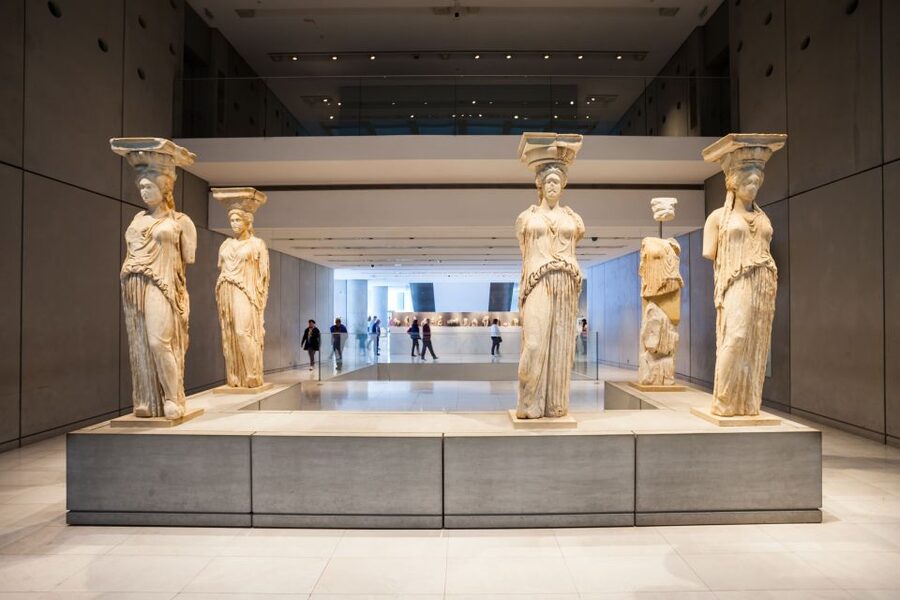
After you finish at the National Archaeological Museum, you move to the Acropolis Museum for the second audio tour. This is where your prior context pays off.
The Acropolis Museum is known for turning the Acropolis story into something you can actually follow. With the audio tour running on your phone, you’re guided through key themes and objects that explain why the Acropolis matters and how it changed over time. Instead of seeing isolated items, you start to understand the larger narrative the museum is presenting.
I also like how the audio format supports your attention. You can spend extra time at the pieces that click with you, then let the narration catch you up elsewhere. You’re not stuck listening to everything at once, even if you’re a bit slower or want to take photos between segments.
One practical note: the audio tours begin at the entrance to each museum. So when you arrive, you can start immediately rather than wasting time locating a meeting point or waiting for a group. It’s a small thing, but it makes your first minutes feel under control.
What the Offline Audio Tours Actually Do for Your Visit

The audio tours are a big part of why this combo is good value. They aren’t just background noise. They’re built as self-guided narration you can follow while you walk, plus offline maps to keep you oriented.
You’ll want to download before you go, because offline content needs to be on your phone ahead of time. Plan for about 350 MB of storage. If you wait until you arrive, you risk dead time while your phone tries to download or your battery decides to quit.
Another point I’d underline: audio tours can be replayed at any time before or after your visit. That matters because museums often have a “front-of-brain” effect. You think you understood something in the moment, then it clicks later when you revisit the story. This setup makes that easy without paying for another guide or tour.
And the audio quality is worth mentioning in plain terms. One of the standout notes from a past participant was that the audio guide sounded good. That’s exactly what you need: clear narration you can listen to over the museum’s natural noise without fighting the playback.
E-Tickets and Timing: Why This Combo Costs What It Costs
At $62 per person, this isn’t a bargain ticket. But it’s also not paying for a live guide or private access. You’re paying for a bundled, low-hassle package: entry e-tickets for both museums plus two smartphone audio tours.
Here’s the value logic I see:
- Two major museums in Athens, with entry already handled via email.
- Audio content that you can use as often as you want (offline download + replay).
- A controlled visit structure that helps you finish in the 3-hour window instead of losing the day to indecision.
If you were doing each museum separately—especially if you had to scramble with tickets or assemble your own audio plans—you might end up spending similar money with more friction. The ticketing and prepackaged tours are what make the price feel reasonable.
That said, if you hate using apps at all, or you prefer a human guide for Q&A, this may not feel like the best match. For independent museum lovers, though, this combo is designed to save time and improve what you take away.






Logistics That Actually Matter (And What Doesn’t)
This experience is straightforward, but a few details are worth getting right so your visit feels smooth.
You’ll receive tickets by email after booking. Once you have those, download the app and the two audio tours to your smartphone prior to your visit. The audio itself should be accessible offline, and it includes narration plus maps.
The audio tour “meeting point” is simply the entrance to each museum. There’s no live guide and no dedicated human meeting step. That can feel freeing if you like autonomy, and it can feel annoying if you wanted someone to correct your route.
Transportation and food are not included. So build a plan for getting to the museums and decide where you’ll grab water or a snack on your own. Also, it helps to wear comfortable shoes because you’ll be doing a lot of standing and walking inside.
And yes, this is wheelchair accessible—but there’s a catch. Due to uneven ground, the tours aren’t wheelchair accessible. That means you can likely enter the buildings, but you may not be able to follow the audio route comfortably depending on your mobility needs.
Practical Pre-Download Checklist (So You Don’t Lose Time Inside)
Do this the day before if you can.
Bring:
- Comfortable shoes
- Hat and sunscreen for outdoor breaks around the museum area
- Weather-appropriate clothing
- A charged smartphone
- Headphones (smartphones are included in the activity requirement, but headphones are not included)
On your phone:
- Ensure it’s compatible: the audio tours are for Android and iOS smartphones, and they’re not compatible with Windows Phones or older iPhone/iPod/iPad models listed in the fine print.
- Check you have about 350 MB free for storage to download the offline audio and content.
- Test audio once you download, just to be safe.
If you’re the type who forgets to charge, set a reminder. A dead battery in a museum is the kind of problem you don’t want.
Who This Works Best For

I think this is a strong fit for people who want:
- A curated visit without booking a full guided tour
- The flexibility to linger at the objects that catch your eye
- Clear narration that helps you understand what you’re seeing
- An easy setup: download once, then go at your own pace
It’s also a good match if you like returning to museums with fresh eyes. Because you can replay the tours, you can turn a 3-hour visit into a longer learning experience without paying twice.
If you need a guide to answer questions on the spot, or you don’t want to manage app downloads, you might prefer a live-guided option instead.
Should You Book This Athens Museum Combo?
Book it if you want a smooth, independent museum day with two big Athens stops and offline audio that you control. At $62, the price makes sense when you factor in both museums’ entry plus two structured audio tours, especially if you’re avoiding the hassle of assembling your own audio plans.
Skip it if you know you’ll hate app-based listening, you can’t (or won’t) bring headphones, or you don’t want to rely on a phone for the tour experience.
If you’re comfortable downloading offline audio and you like learning while you walk, this is the kind of setup that makes Athens feel bigger than it looks from the street.
FAQ
What’s included in the Athens Archaeological & Acropolis Museum Entry & Audio Tour?
You get an adult entry e-ticket for two museums (Acropolis Museum and the National Archaeological Museum) and two self-guided audio tours for your smartphone through an app. The audio content is available offline and includes text, narration, and maps.
How long does the experience take?
The duration is 3 hours. Starting times depend on availability.
Do I need a live guide?
No. This is self-guided. There’s no live guide included.
Where do the audio tours start?
The audio tours begin at the entrance to each museum.
Do I need headphones?
Headphones aren’t included. You should plan to bring your own headphones.
Can I download the audio for offline use?
Yes. The package includes offline content (text, audio narration, and maps), and you should download the app and audio tours before your visit.
What phones work for the audio tours?
The audio tours are for Android and iOS smartphones. They are not compatible with Windows Phones, and they’re not compatible with certain older Apple devices listed in the requirements.
Is it wheelchair accessible?
The activity is listed as wheelchair accessible, but due to uneven ground the tours are not wheelchair accessible. In practice, this may affect your ability to follow the tour route.
Is this experience refundable?
No. The activity is non-refundable.