REVIEW · ATHENS
Meteora Day Trip with central Pick up & optional Lunch
Book on Viator →Operated by Open Top Bus hellas M.E.P.E. · Bookable on Viator
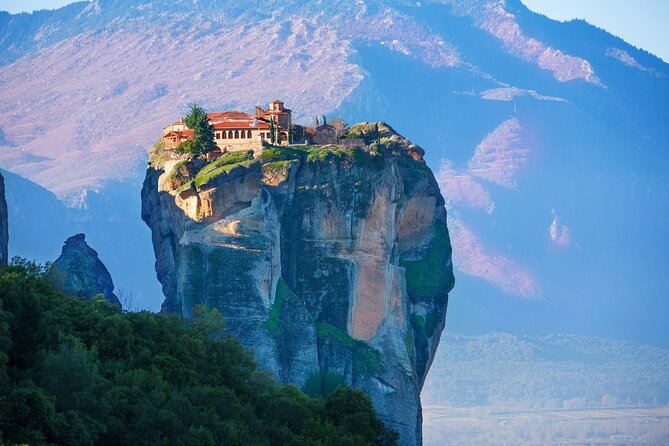
Meteora feels like a movie scene. This 13.5-hour Meteora day trip runs from Athens with central pickup, a guided visit to the rock monasteries, and an audioguide that helps you read the place. You’ll also stop at the Badovas Hermit Caves area, so it’s not just monasteries and photo stops.
I really like the stress-free round-trip transport with four pickup points and an air-conditioned coach for the long ride. I also like that the tour includes an English audioguide (plus many other languages), so you can keep up even when the guide is talking through a microphone.
One possible drawback: it’s a long day on the bus. Expect a big chunk of time seated, and plan your energy for a late return.
In This Review
- Key things that make this Meteora trip work
- Price and value: what $60 covers (and what comes after)
- Athens pickup at 7:00 am: easy start, long day after
- The coach ride to Kalabaka: what to expect and how to feel good
- Kalabaka: lunch in a town that feels made for Meteora
- Badovas Hermit Caves: the shorter stop that adds variety
- Meteora rocks and the monastery circuit: audioguides, stairs, and rules
- Photo stops and timing
- Lunch vs. no lunch: how to choose what fits your style
- What to pack for Meteora comfort and respect
- Who this Meteora tour is best for
- Should you book this Meteora day trip from Athens?
Key things that make this Meteora trip work
- Central Athens pickup from four meeting points makes the start easy
- Badovas Hermit Caves stop gives you a different angle beyond the main monasteries
- Audioguides in multiple languages help you understand geology and monastery life
- Optional lunch in Kalabaka saves you time and usually keeps the day on schedule
- Active monastery entrances require extra cash on-site, so budget ahead
Price and value: what $60 covers (and what comes after)
This tour is priced at $60.03 per person, and that number already tells you a lot about the deal. You’re paying for the big-ticket parts: transport out of Athens, a local expert guide, and the audioguide system.
What’s not included is the monastery entry fees. You’ll have the chance to enter 3 active monasteries, but the entrance fees are €5 per monastery per person. That means you should expect about €15 total for the monastery entrances, on top of the tour price.
Lunch is optional. If you choose it, you’ll get a traditional Greek meal in Kalabaka, with vegan and vegetarian options available. Drinks aren’t included, so bring patience for thirst. If you’re the type who needs a bottle on hand, you’ll be glad to have your own too.
You can also read our reviews of more tours and experiences in Athens.
Athens pickup at 7:00 am: easy start, long day after
The trip starts early—around 7:00 am—with pickup from the Sights of Athens Blue Hop on Hop off bus stop (plus three other central meeting points). You don’t have to wander the suburbs to find a distant office. You just meet the bus where people already go for tours.
I like how the tour uses a clear meeting setup: wait at the sign, then the company bus picks you up. In practice, mornings can feel confusing if you’re arriving right at first light, so use the exact meeting-point pin if you get one. Once you’re on the coach, your biggest job is staying comfortable.
Here’s the reality: this is a full-day outing. One person noted return around 9:30 pm, another around 10 pm. So even if the itinerary looks neat on paper, you’re committing to a very long sit-down day.
The coach ride to Kalabaka: what to expect and how to feel good
The ride from Athens to the Meteora area is roughly 4 hours each way. You’ll see countryside and you’ll likely get a few photo moments along the way. Several people specifically said the bus stops for coffee or food help break up the drive.
Still, it’s not a short scenic hop. Your comfort matters. Some reviews praised the coach as clean and modern; a couple of reviews complained about tight seating or limited window views. So if you’re sensitive to bus seating, aim for seats with better sightlines early.
No matter where you sit, plan for these items:
- Snacks for the long stretch (especially between lunch and the next major stop)
- A power bank, since there’s no guarantee of charging
- Good shoes, because the monasteries involve stairs
- Water, even if your guide provides one bottle—having a spare feels smart
Kalabaka: lunch in a town that feels made for Meteora
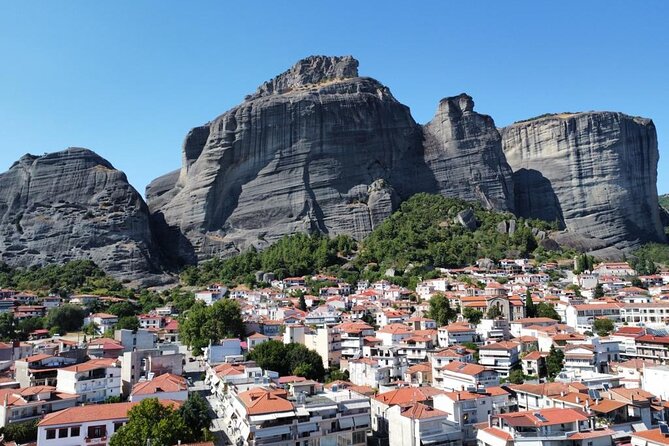
Kalabaka is your noon-ish base, and it’s there for a reason: it’s the simplest way to eat before you start climbing around the rocks. If you selected the lunch option, this is where the meal happens, and you’ll have time to reset before the main monastery visits.
The lunch is traditional and filling. People described meals that included Greek salad plus a choice of main dishes, with multiple options for vegetarians and vegans. If you don’t select lunch, you’re on your own for food in the area, and that can squeeze your schedule when you’re also juggling buses, stairs, and dress code rules.
Kalabaka also gives you a mental shift. On arrival, you’re surrounded by the scale of the rock pillars—suddenly the monasteries feel less like a distant landmark and more like something you can almost touch. That transition is one of the quiet reasons the day feels better when you eat first.
Badovas Hermit Caves: the shorter stop that adds variety
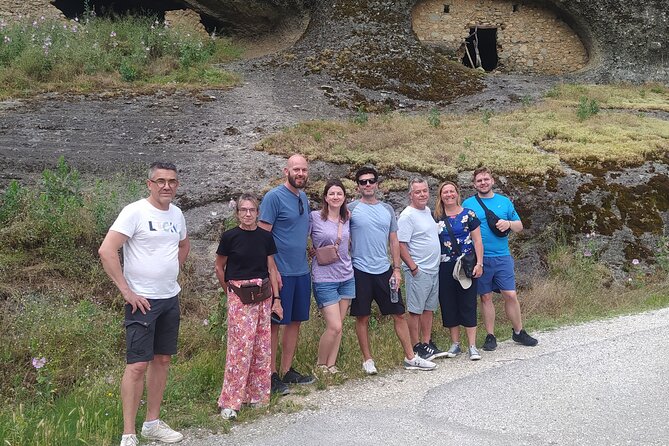
One of the tour stops is the Badovas Hermit Caves area (near Kastraki and between Kastraki and Kalabaka). This is often the part of the day that feels less crowded than the main monastery zones.
The caves are tied to hermit monastic life from the 14th century. Locally, they’re associated with Badovas, and the nearby monastery dedicated to Saint Nicolas of Badovas is part of the story of this cliffside spiritual world.
You get about 1 hour here, and admission at this stop is listed as free. That makes it a good “breather” before you move into the bigger monastery complex. You’ll still be walking and looking, but it’s not the same level of stairs and entry timing as the active monasteries.
Practical note: you’ll want to dress for walking, and you’ll likely be outdoors during part of the stop. In winter or in foggy/rainy weather, visibility can change fast—so keep your camera ready but stay flexible with timing.
Meteora rocks and the monastery circuit: audioguides, stairs, and rules
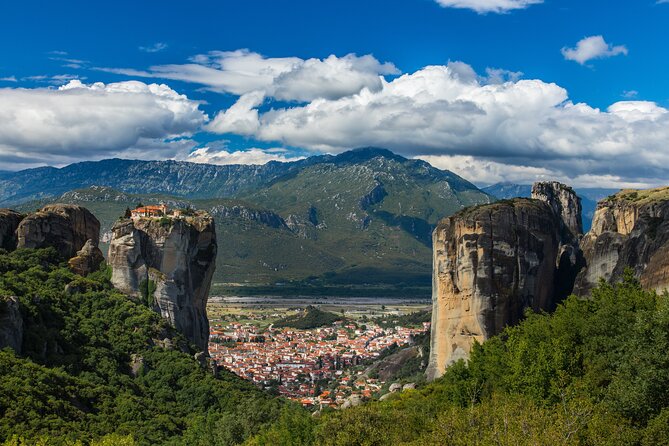
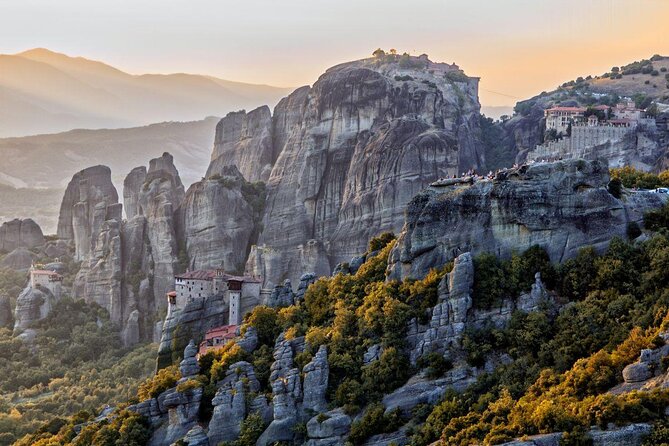
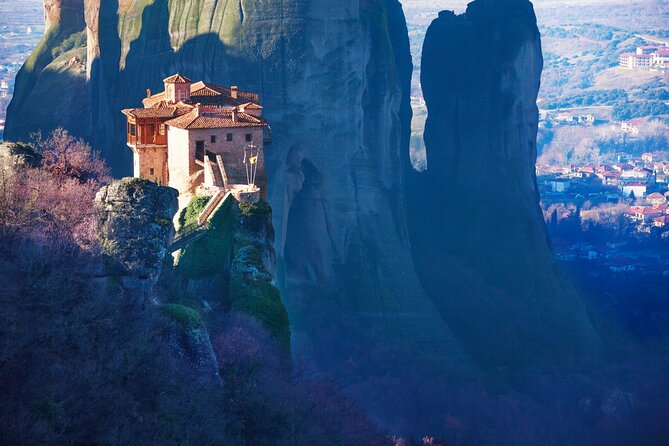
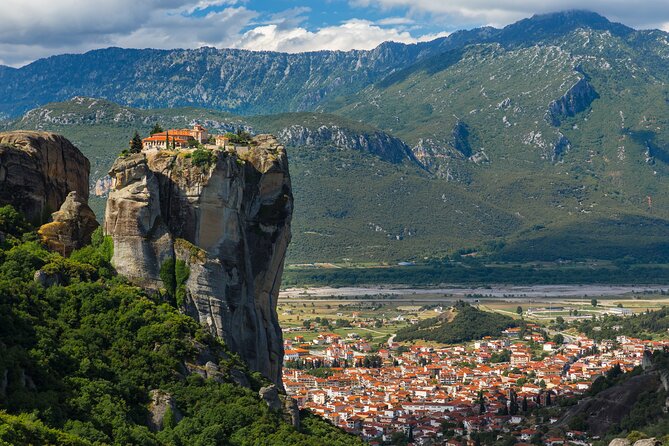
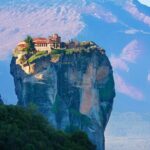
This is the heart of the day: you reach the Meteora rocks where monks lived and where monasteries were later built on naturally formed pillars. The tour framing gives you the big timeline: early human presence is thought to go back tens of thousands of years, and monks began inhabiting the area again in the 9th century, with monastery construction in the 14th century.
A local guide meets you on-site and covers the area’s importance. Then the tour includes an audioguide you can use in many languages, including English, Spanish, French, German, Portuguese, Russian, Italian, and Chinese. This matters because even if you’re close to the action, Meteora has layers—geology, religious history, and the practical reality of life on a cliff.
You enter 3 active monasteries for a glimpse of the monks’ world. Entrance fees are €5 per monastery, and this is where you’ll need cash. Several practical tips came up around dress code: women should cover legs, and you may need to wear a skirt or wrap fabric. People noted that it can be available at the entrance for free, so don’t panic if you arrive in the wrong outfit. The key is to keep things modest and quick to adjust once you’re there.
Stairs are real here. Even if the day doesn’t feel like it’s made for maximum fitness, you will climb. Shoes with grip help. And since you’re visiting multiple monasteries, think of it like a series of short, steep workouts rather than one long hike.
Photo stops and timing
A lot of the day’s enjoyment comes from where you pause. People described getting photo time at key lookout points, and even mention guides helping with photos. That’s not just about fun—it helps you capture the scale of the pillars and see the monastery positions from good angles.
One honest note: because this is a day trip with a group cap of up to 50, audio systems and timing can get stretched if the bus is full. In one case, there weren’t enough audio units for everyone, so people shared. It didn’t ruin the visit, but it’s a reminder to be ready to adapt.
Lunch vs. no lunch: how to choose what fits your style
If you want the smoothest day, pick the lunch option. It puts you at a set time in Kalabaka, and then you move as a group. Multiple people specifically said the lunch keeps you energized for the monastery portion.
If you skip lunch, the day can still work, but your schedule becomes less forgiving. You’ll be looking for food around the same time everyone else is eating and you still have to manage the monastery entry fees and dress code rules. If you prefer flexibility and snack-your-way through travel days, you can absolutely do it. Just don’t underestimate how quickly time disappears once you’re moving between stops.
Also: drinks aren’t included with lunch. So bring water or plan to buy it on-site. If you’re traveling in hot weather, this isn’t the place to rely on luck.
What to pack for Meteora comfort and respect
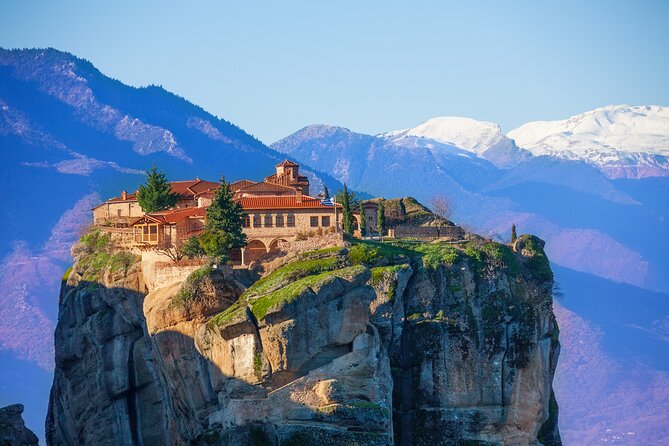
Meteora isn’t hard because it’s technical. It’s hard because it’s steep, stair-heavy, and rule-based inside the monasteries. The best packing list is simple.
Bring:
- A light layer for indoors, even if it’s warm outside
- Comfortable walking shoes (stairs and uneven spots)
- A cover-up option for women and a modest outfit for everyone
- Cash for €5 per monastery entrance fees
- A power bank (no charging reliability)
- Snacks for the bus stretches and any long gaps
It also helps to have your phone ready, because you’ll want to capture the view and save your bearings for the next monastery stop. Just know there may not be Wi-Fi on the road.
Who this Meteora tour is best for
This day trip fits best if you’re short on time in Athens but still want the real Meteora experience. If you want the convenience of pickup, the structure of timed stops, and a guide explaining geology and monastery life, this is a strong match.
It also makes sense for first-timers. People who are visiting Greece for the first time often say Meteora hits harder than expected because you’re seeing how the monasteries relate to the rock pillars in person.
If you hate long bus days, this tour may feel like too much. It’s not a quick taste. It’s a dedicated full-day outing with a late return.
Should you book this Meteora day trip from Athens?
Book it if:
- You want central pickup and a guided, structured day
- You plan to enter 3 active monasteries and you’re okay with paying €5 per monastery
- You like having an audioguide system so the story sticks while you walk and look
Skip it (or rethink it) if:
- A long day on a coach feels stressful
- You’re extremely sensitive to seating comfort or you need frequent breaks
- You don’t want to handle cash for monastery entrances
Overall, I think this trip is good value for the core pieces: transport, expert guidance, and a well-paced set of Meteora sights. Meteora is the kind of place that makes the effort feel worth it, even when the schedule is long.