REVIEW · VERMONT
Vermont RT 100 Self Guided Driving Audio Tour
Book on Viator →Operated by Stories with Action · Bookable on Viator
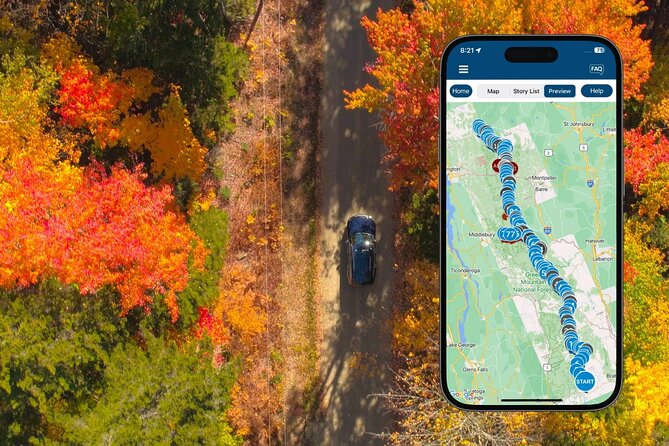
Route 100 feels made for audio. This self-guided drive pairs hands-free storytelling with offline maps, so you can cruise past towns, forests, and mountain views without constantly checking your phone. I also like that the narration is built around where you are, so the route feels like a moving tour rather than a list of landmarks.
Here’s what you need to watch: the core audio may take 2–3 hours, but the full drive with stops can stretch toward the listed 7–8 hours—especially in summer and foliage season. So if you want everything, plan extra time for parking and breaks.
- Location-triggered audio: stories start on their own as you follow the route cues
- Offline maps + playback: download in strong signal, then you’re good without cellular or Wi‑Fi
- Per-car pricing: $16.99 for a group up to 4 is often cheaper than guided transport
- Stowe to ski-country variety: you’ll hit classic stops plus quieter “pause and look” moments
- Lifetime access: new, no expiry, usable again on future Vermont trips
Vermont’s Route 100 is basically a ready-made road trip. It links familiar names—Stowe, Waterbury, Ben & Jerry’s, ski-town exits—while keeping the drive slow enough to enjoy stops along the way.
What makes this tour work so well is how it’s built around your car time, not a strict group schedule. Audio stories play automatically based on your location, so you can keep your eyes on the road and still feel like you’re “in a tour” instead of fumbling with apps. And because there’s offline map support, you’re not stuck hunting for signal in places where bars drop.
One more practical plus: your cost is per group (up to 4), not per person. If you’re traveling with family or friends, this becomes one of the better ways to add context to a road trip without paying for a guide.
This is a self-guided experience using Action’s Tour Guide App. After booking, you get an email/text with instructions and a password. Then you download the tour inside the app.
Two setup details matter:
- Download while you have strong wifi/cellular. After that, it’s designed to work offline.
- Start at the correct story point on-site. The tour doesn’t start with a person meeting you. You open the app, choose the correct tour version if prompted, then go to the first story’s location.
For sound, the experience is meant for driving. You can connect your phone to your car stereo via Bluetooth, USB, or AUX. If you’re walking between spots, having headphones can help, but the main idea is that the car audio setup keeps it easy.
Also, it ends in a different location from where you start, so treat it like a one-way-style loop in spirit. You’re still “self-guided,” but you’ll likely be planning your overall day around reaching the far end.
The route has over 160 miles and more than 140 audio stories. The tour notes that the audio portion can take about 2–3 hours—but that’s only the storytelling track, not the “park, walk, eat, and enjoy” version.
The listed duration is 7–8 hours, which makes sense once you factor in timed stop windows and real-world delays:
- You’ll spend time around the major draw spots (Stowe area, Waterbury/Ben & Jerry’s, ski-town base areas).
- Some stops are short and sweet (5–20 minutes), but others are longer (like Sugarbush Farm and the Robert Frost Wayside Trail).
- Peak season can add parking and line time.
My advice: pick a realistic “must-do” list before you start. If you want every stop, go longer. If you want the highlights fast, keep stops tight and treat the rest as optional when you’re passing through.
Below is how the day typically flows, plus what each stop feels like once you’re there.
In This Review
- Wilmington: start on the Scenic Byway
- Trapp Family Lodge Outdoor Center (Stowe area)
- Stowe Mountain Resort: gondola timing tip
- Smugglers’ Notch Resort
- Stowe Village Massage (Route 100 junction)
- Cold Hollow Cider Mill: Vermont flavor stop
- Cabot: a food-lover stretch
- Waterbury: home base before Ben & Jerry’s
- Ben & Jerry’s ice cream factory: expect patience
- Mad River Valley: Route 17 to the ski-country Gap area
- Sugarbush Farm: longer stop, more to do
- Warren: quick quirky town drive-through
- Robert Frost Wayside Trail: calm, interpretive pause
- Green Mountain Oasis / restored train station visitor center
- Notch cemetery and the Coolidge homestead area
- Lake Rescue: a name-change history beat
- Killington: longer drive segment to Base Lodge
- Okemo Mountain Resort
- Benedictine Monks of Weston Priory
- Londonderry: Irish place-name connection
- Jamaica State Park suggestion (optional idea)
- Buttermilk Falls: quick pull-off on a hot day
- FAQ
- How much does the Vermont RT 100 self-guided driving audio tour cost?
- How long is the tour?
- What language is the audio tour offered in?
- Do I need cellular or Wi‑Fi to use it while driving?
- When should I download the tour on my phone?
- How does the tour start and play while I’m driving?
- Are admission tickets included for attractions?
- Can I pause the tour and take breaks?
- Does the tour expire after I buy it?
- Where does the tour end?
Wilmington: start on the Scenic Byway

Your tour kicks off around Wilmington with the Route 100 Scenic Byway framing. Expect the audio to set the stage with the mix of charming towns, tree-heavy stretches, and mountain views that define this road.
This opening is useful because it tells you what to look for while you’re still “fresh” on the route—so later, you’re not just driving through places you recognize.
Trapp Family Lodge Outdoor Center (Stowe area)
Next up is the Trapp Family Lodge Outdoor Center. This is a big Stowe draw, and the audio gives you the context: it sits on about 2,500 acres and is run by members of the Von Trapp family who inspired The Sound of Music.
Why it’s a great audio stop: even if you don’t do a full visit, you’ll get the story behind why this place is such a magnet for visitors. It turns a passing landmark into something you understand.
Stowe Mountain Resort: gondola timing tip
Then you roll into the Stowe Mountain Resort area. The key practical note here is seasonal: the gondola’s warm weather operation begins in mid-September, which lines up with foliage season.
If you’re going earlier in the year, you may not get the gondola experience the audio implies. But even without it, this stop gives you that “Stowe starts right here” sense of arrival.
Smugglers’ Notch Resort
After Stowe’s main resort area, you reach Smugglers’ Notch Resort. It’s described as Vermont’s third largest ski resort and also known as America’s Family Resort.
Even if you’re not skiing, ski resorts are good “anchors” for your day. You’re not guessing where you are—you’ll feel how Route 100 threads through the heart of Vermont’s winter-to-summer identity.
Stowe Village Massage (Route 100 junction)

You then hit Stowe Village area near the Route 100 junction. The audio frames a simple fork:
- If you want to explore, you turn left and look for parking.
This is a low-commitment moment. It’s more about resetting—stretching your legs, finding a quick bite or coffee if you’d like—than about one single attraction.
Cold Hollow Cider Mill: Vermont flavor stop
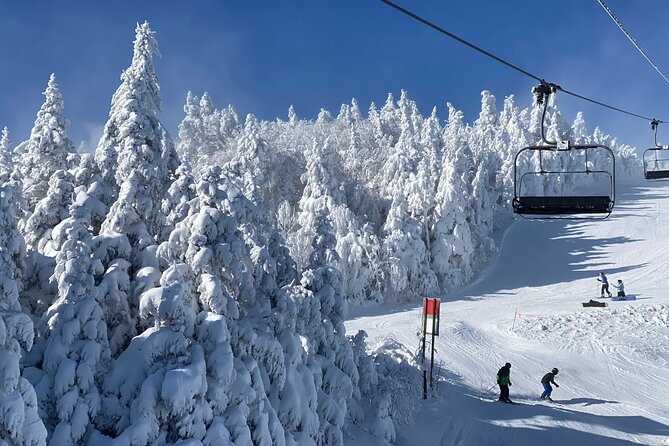
You’ll come to Cold Hollow Cider Mill. This is the “yes, you should do this” stop on the route. The audio pushes apple cider as a must-try Vermont specialty.
Make this your snack checkpoint. Even if you don’t want a full meal, it gives you a local taste that feels tied to place, not just tourist shopping.
Cabot: a food-lover stretch
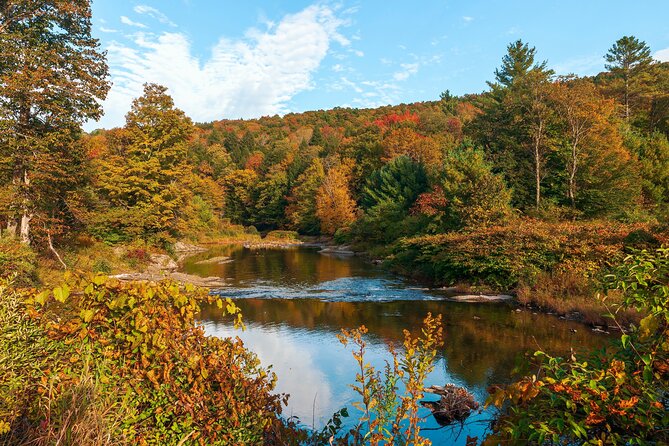
Then comes Cabot, described as part of a favorite food stretch along Route 100. The stop is short, but it signals that you’re moving into dairy and food territory—exactly the kind of road trip payoff Route 100 is known for.
Waterbury: home base before Ben & Jerry’s
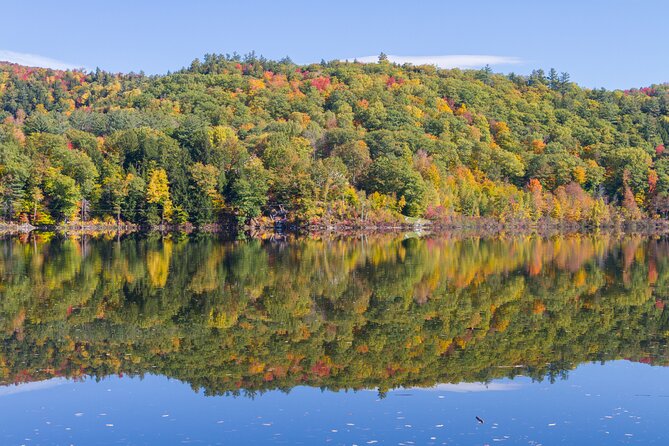
Waterbury is next, with a specific tease: one major tourist draw is ice cream, and the audio tells you you’re headed for Ben & Jerry’s.
Ben & Jerry’s ice cream factory: expect patience
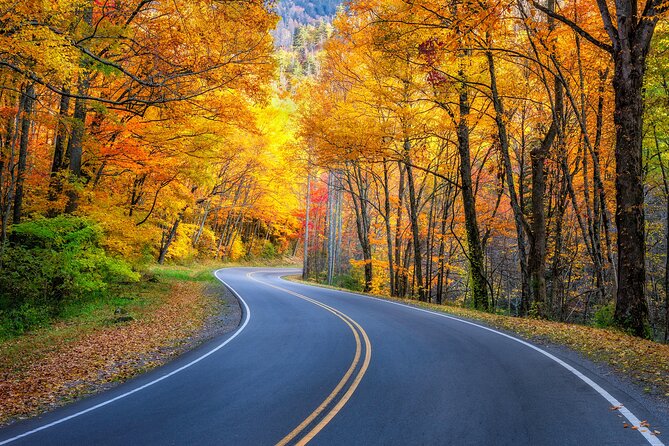
The audio stays straight with instructions: continue to the Ben & Jerry’s ice cream factory. It also warns you to expect crowds, and to plan for short waits in summer and foliage season.
This is the one stop where your “audio timing” and “real life timing” can diverge fast. If lines bother you, go earlier in the day or keep your visit brief and pre-decide what you want.
Mad River Valley: Route 17 to the ski-country Gap area
After Waterbury, the tour shifts into Mad River Valley. It suggests you drive Route 17 toward Mad River Glen and possibly further to the App Gap itself. The timing is tight in the audio plan: less than 10 minutes to the Gap area.
This is a classic move on Route 100—taking a short detour to feel the “valley vibe” without committing to a whole extra excursion.
Sugarbush Farm: longer stop, more to do
Then you reach Sugarbush Farm, with a generous time block (about 1 hour). Even though it’s known as a ski resort, the audio points out that there are summer activities for kids of different ages.
If you’re traveling with family, this is one of your best “hold the day together” stops. It gives you a chance to break up driving with an activity that can keep people interested.
Warren: quick quirky town drive-through
Warren is next, framed as a quirky town worth driving through. This one is simple: drive through, then you’ll return to the road and keep moving.
Robert Frost Wayside Trail: calm, interpretive pause
Then the Robert Frost Wayside Trail appears. It’s pitched as a thoughtful, quiet time, tied to Route 125—a region known as one of six mountain gaps or passages of Vermont and popular with New England bicycle riders.
Even if you’re not into poetry, this stop works as a mental reset between busier attractions. It’s the kind of break that makes the later drives easier.
Green Mountain Oasis / restored train station visitor center
You then stop at Green Mountain Oasis, with the Green Mountain Cafe and Visitor Center. The audio notes a beautifully restored train station repurposed as the visitor center.
This is a good “stand still” moment in the route: you can grab a snack or info, and you get a sense of how transportation history connects to today’s scenic road culture.
Notch cemetery and the Coolidge homestead area
Next, the audio references the Notch cemetery where President Coolidge is buried, located on Lynn’s Hill Road. It also gives you an option:
- To skip the cemetery and go directly to the Coolidge homestead, use the entrance driveway on the left as you round the curve.
This “choose-your-own” approach is valuable. You can keep it quick if you’re time-limited, or take it slower if you want the full historical stop.
Lake Rescue: a name-change history beat
Then you hit Lake Rescue, described as one of a string of four lakes. The audio adds a specific historical tidbit: it was renamed from Plymouth Lake in the 1880s.
Short stop, strong payoff. Name-change stories are a neat way to feel like you’re uncovering the area’s layers even during a quick pull-off.
Killington: longer drive segment to Base Lodge
Killington comes next. The audio suggests it’ll be about a 4-mile drive to the Base Lodge. You’re given freedom to stop along the way for lunch, snacks, or drinks like tea or cappuccino.
Even if you don’t plan a long lunch, this stop is a useful planning window. It’s when the route becomes more “resort-dense,” so having a built-in time buffer helps.
Okemo Mountain Resort
Then you pass Okemo Mountain Resort, described as being on the western side of the road and another popular ski area.
This is more about letting you recognize the region’s ski geography as you move through it—not just ticking off towns.
Benedictine Monks of Weston Priory
You then get a stop you might not expect: the Benedictine Monks of Weston Priory. It’s a brief time window (about 20 minutes), but it adds a different kind of Vermont character beyond resorts and shopping.
If you like places that offer quiet and routine over flash, this is one to treat respectfully and keep unhurried.
Londonderry: Irish place-name connection
Londonderry is next, with a neat naming thread: it gets its name from Londonderry, New Hampshire, which traces back to Londonderry in Northern Ireland.
This is the kind of side detail that makes audio tours feel more like storytelling than directions.
Jamaica State Park suggestion (optional idea)
You’ll also see a note that if you’re doing a thorough Vermont exploration, taking time for Jamaica State Park may be nice. It’s clearly presented as an extra option rather than a required stop.
So this is a “use it if it fits your day” moment.
Buttermilk Falls: quick pull-off on a hot day
Finally, the tour suggests a possible stop at Buttermilk Falls. It notes you’ll come to the intersection of Route 100 and Route 103 in about a mile, and that a visit can be tempting on a hot day.
This end-stage stop works as a reward: the drive is winding down, and you’ve got a simple decision point.
Route 100 is a road trip where food can become its own itinerary. The audio tour leans hard into that—Cold Hollow Cider Mill for cider, Cabot for dairy-related flavor stops, and Waterbury/Ben & Jerry’s for ice cream.
Here’s how I’d use that information without getting stuck waiting:
- Do cider and cheese with low expectations for time. They’re short stops designed to refresh you.
- Treat Ben & Jerry’s as a scheduling decision. If you go late morning or afternoon during peak foliage/summer, plan for lines. If you want to keep the day moving, go earlier or keep your visit compact.
- Use resort stops as food buffers. The Killington segment explicitly gives room to grab lunch/snacks as you head to the Base Lodge.
If you like road trips where you sample as you go, this audio tour gives you a built-in rhythm.
Two seasonal cues stand out in the tour info:
- Stowe Mountain Resort’s gondola warm weather operation starts in mid-September.
- The tour notes that summer and foliage season are prime times for crowds, especially at high-demand stops.
So if you’re traveling in early summer, don’t count on gondola operations. If you’re traveling in mid-to-late September into October, expect fall views and more people—and plan extra time for the popular areas.
The tour is designed so audio plays automatically based on where you are. But you’ll still want to drive like you’re doing a guided experience, not a random wander:
- Follow the tour route and speed limits for the best experience.
- If you do side trips, the tour is built to let you rejoin—so you can take recommended detours without derailing the whole day.
One more practical point: the sound setup matters. If your audio connection keeps dropping, the experience can feel confusing fast. If possible, set up your phone-to-stereo connection before you hit the first story.
At $16.99 per group (up to 4), this is priced like a casual upgrade rather than a major tour purchase. The value is strongest if you:
- Have a car with multiple people sharing the cost.
- Want narration and context without paying for a full guided day.
- Prefer flexibility over fixed times.
Compared to buses or guided tours, you’re buying control: you can pause for photos, snack breaks, or a quick walk into a trail area. And the lifetime access means you can use the same tour again on another Vermont trip if you don’t finish in one pass.
If you’re traveling solo and would rather explore without any audio, it might feel less compelling. But for road trippers who want story-led driving, it’s an easy “yes.”
This tour fits well if you like:
- Driving at your own pace with hands-free narration
- A mix of big-name stops and smaller “pause” moments (like interpretive trails)
- Clear guidance that doesn’t require a live guide in the car
It’s also a solid pick for families, since multiple stops are timed and some are built for kid-friendly “something to do” breaks. If you’re older teens or adults who want the road trip plus the background, the jokes and facts style (funny, informative commentary) should land well too.
I’d book it if you want an affordable way to turn Route 100 into a story-filled day. The offline-ready app, automatic hands-free playback, and per-car pricing make it one of the easier ways to add meaning to the drive without locking yourself into a schedule.
I’d think twice if you hate crowds or you only have a short window. The audio might be quick, but the full experience expands with stops—and Ben & Jerry’s can bring real waiting in peak season.
If you’re planning a road trip anyway, this is a smart add-on. Let the audio guide you, then use your time where you actually care—cider, cheese, trails, and the big resort-town stops.
FAQ
How much does the Vermont RT 100 self-guided driving audio tour cost?
It costs $16.99 per group, with space for up to 4 people.
How long is the tour?
The driving experience is listed at about 7 to 8 hours, and the audio portion is noted as taking roughly 2 to 3 hours to complete.
What language is the audio tour offered in?
The tour is offered in English.
Do I need cellular or Wi‑Fi to use it while driving?
No. It includes offline maps, and it’s designed to work without cellular or Wi‑Fi after you download the tour.
When should I download the tour on my phone?
You must download the tour while you’re in strong wifi/cellular. After downloading, it works offline.
How does the tour start and play while I’m driving?
There’s no guide meeting you. After you arrive, open the Action’s Tour Guide App, enter the password from your email/text, then go to the first story’s point. Stories begin automatically and then play based on your location.
Are admission tickets included for attractions?
No. The tour does not include attraction passes, entry tickets, or reservations.
Can I pause the tour and take breaks?
Yes. You can start anytime, pause anywhere, and take breaks for snacks and photos while continuing later.
Does the tour expire after I buy it?
No. It includes lifetime access with no expiry, so you can use it on future trips.
Where does the tour end?
The activity ends in a different location from where it starts, so plan your day around finishing near the tour’s end point.