REVIEW · CALIFORNIA
Self-Guided Audio Driving Tour in Sequoia and Kings Canyon
Book on Viator →Operated by GuideAlong (GyPSy Guide) · Bookable on Viator
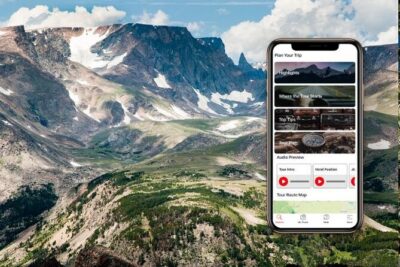
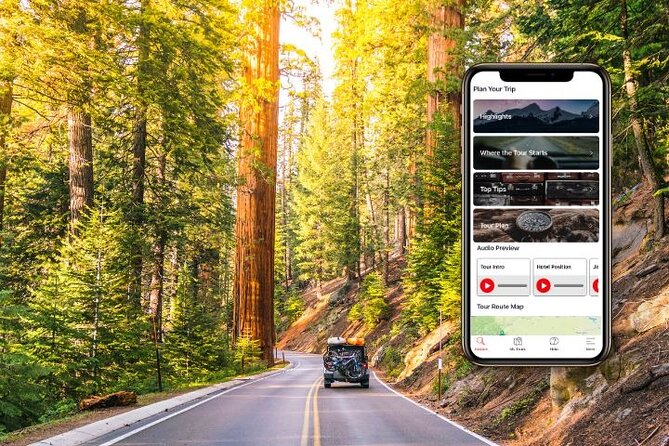
Giant sequoias, guided by your GPS. This self-guided drive uses location-based audio from GuideAlong (GyPSy Guide), so GPS-triggered stories play as you pass key spots and offline listening can keep going even when the park has spotty cell service. I like the control you get over timing and stops, but the main catch is simple: you need to download everything ahead of time so the tour is ready before signal disappears.
The best part for me is how the narration doesn’t just name trees. It gives you context and practical cues—what to expect at General Sherman’s half-mile walk, why Moro Rock’s 350 steps are worth it, and the human stories hiding behind giant trunks. At $24.99 per group (up to 8), it’s also a bargain if you’re traveling with more than one person, since one purchase covers everyone in your vehicle.
You’ll spend most of the day on roads between Sequoia and Kings Canyon, with short hikes and stair climbs mixed in. If your group has mobility limits or you’re traveling with very little walking tolerance, plan around the busiest spots first (and skip the rest without guilt).
In This Review
- Key Points Before You Drive
- Why GPS-Triggered Audio Works So Well Here
- Price and Value: $24.99 for Up to 8, Plus Park Pass Reality
- Setting Up Like a Pro: Don’t Get Stuck Mid-Park
- How to Shape Your Day Without a Fixed Schedule
- Stop-by-Stop: Sequoia Giants to Cedar Grove Views
- Sequoia and Kings Canyon National Park: Start With the Big Idea
- The Four Guardsmen: Fire-Safe Legends in the Giant Forest
- General Sherman Tree: The World’s Largest by Volume (Plus a Walk)
- Giant Forest Museum: Set Your Brain to Park Mode
- Hospital Rock: Ancient Bedrock Mortars and Pictographs
- Moro Rock Trail: 350 Steps to the Great Western Divide
- Tree Tunnel: Driving Through a Naturally Fallen Giant
- Big Stump Grove: A Tree Graveyard That Teaches Conservation
- Cedar Grove Lodge: The Park’s Last Services Hub
- General Grant Tree: A Giant Grove With Easy Parking
- Panoramic Point: A Short Walk to Open-Air Views
- Roaring River Falls: Paved Trail to a Thunderous Melt
- Zumwalt Meadows: Flat, Scenic, and Wildlife-Friendly (Time It Right)
- What the Best Parts Feel Like in Real Life
- Small Drawbacks You Should Plan For
- Should You Book This Self-Guided Audio Driving Tour?
- FAQ
- Do I need Wi-Fi or cell service while driving?
- How long does the self-guided driving tour take?
- Is this audio tour per person or per vehicle?
- Do I need a national park pass?
- Are all stops included in the price?
- Can I start and stop the tour whenever I want?
- What language is the audio tour offered in?
Key Points Before You Drive
- GPS-triggered audio makes the route feel guided without locking you into a schedule
- Offline-ready listening helps you keep going when cell signal gets unreliable
- One purchase for up to 8 people gives strong per-person value
- Real walking and stairs are part of the experience (General Sherman, Moro Rock, Roaring River Falls)
- Stories range from fire protection to Native American history across multiple groves and overlooks
- Car charger matters so your phone stays alive for the whole day
Why GPS-Triggered Audio Works So Well Here

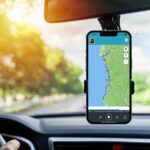
Sequoia and Kings Canyon are big places. If you rely on reading signs alone, you’ll miss why these trees matter and what you’re actually looking at. This tour solves that with location-based narration: as your phone’s GPS recognizes where you are, commentary plays automatically. That means you don’t have to stop to manage directions every few minutes. You just drive, park when you want, then listen while you’re walking.
I also like that the audio is built for your pacing. You can linger at Hospital Rock pictographs, cut out early at Panoramic Point, or do Moro Rock when the light feels right. That flexibility is a big deal in these parks, where timing often depends on weather, crowds, and how quickly your legs agree with granite stairs.
The other practical win is offline functionality. Once you download the tour in the GuideAlong app, the experience is designed to run without data. That’s exactly what you want in remote stretches where your phone might drop into dead zones.
You can also read our reviews of more tours and experiences in California.

Price and Value: $24.99 for Up to 8, Plus Park Pass Reality
The audio tour itself is $24.99 per group up to 8 people. For families or small friend groups, that’s where the value really clicks. Even if you’re doing a full day, you’re not paying per person the way many guided tours do.
What you should plan for separately is the optional National Park Passes. The tour listing notes park passes at $35 per vehicle (with details varying based on length of stay and other factors). In practice, think of this audio tour as a low-cost add-on that makes your park day more meaningful, not as the thing that grants entry.
Two quick value tips that keep your money working:
- If you have 2–8 people in your car, this is usually the easiest “yes.”
- Download the tour before you enter the parks so you’re not stuck troubleshooting at the very moment the cell signal disappears.
Setting Up Like a Pro: Don’t Get Stuck Mid-Park
One of the biggest themes from feedback is that the experience depends on the app setup. If you wait until you’re deep in the parks to download, you may run into dead signal or a wonky connection when you need the audio most.
Here’s how I’d handle it to avoid the common frustration:
- Download the GuideAlong app over Wi-Fi or cellular data before you head into the park.
- In the app, sign in with your Apple or Google account and redeem your voucher code ahead of time.
- Then download the specific tour under My Tours so it’s stored on your phone.
- Keep your device charged. Bring a USB car charger. A dead phone is the one thing GPS can’t fix.
Also note the tour is available essentially any time of day within the stated opening window (listed as 12:00 AM–11:59 PM across Monday–Sunday for the long range dates). So you can start when your day actually works, not when a group leader feels like it.
How to Shape Your Day Without a Fixed Schedule
This is designed as an all-day self-drive, with an estimated duration of about 8 hours to 1 day. The tour also supports flexible start and stop along the route: commentary plays automatically based on where you are, and the experience is set up so you can start at or near the route areas you choose.
If you want a simple plan, think in two chunks:
- Sequoia side (giant forest focus): the giant-tree highlights plus the scenic granite moment at Moro Rock.
- Kings Canyon side (Cedar Grove focus): groves, river falls, and the meadow hike at Zumwalt Meadows.
One practical note from the stop timing you’ll see on the tour: most points are around 20–30 minutes of listening time, plus walking time. A “short stop” can still mean a real hike (General Sherman’s half-mile walk is a good example), so I recommend building buffer into your schedule.
Stop-by-Stop: Sequoia Giants to Cedar Grove Views
Below is how the route pieces fit together, and what each stop is really like once you’re there.
Sequoia and Kings Canyon National Park: Start With the Big Idea
You begin in the heart of Sequoia and Kings Canyon National Park, where the giant sequoia is the headline. The audio sets the stage before you zoom past the most famous viewpoints—so you know what you’re looking for when you finally park.
A nice part of this opening is the way it connects the trees to time and scale. You’re not just seeing something large; you’re learning why it’s large and what survival has looked like across centuries.
The Four Guardsmen: Fire-Safe Legends in the Giant Forest
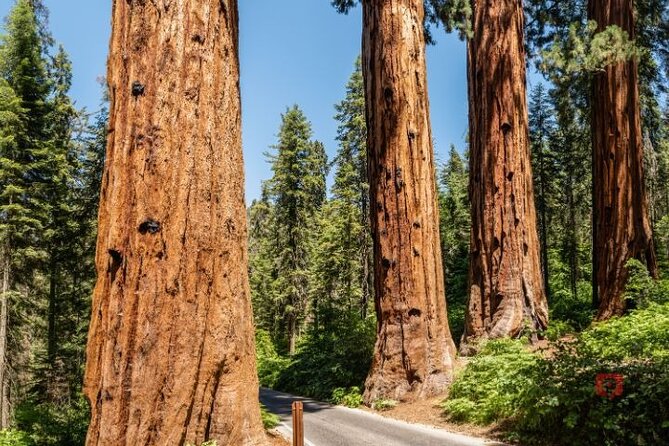
The Four Guardsmen are four massive trees that look like they formed a natural entryway into the forest. The standout story here is protection during the KNP Complex fire, when firefighters wrapped the bases with aluminum blankets.
This is one of those stops where the narration changes your experience. You start noticing the details that connect the trees to real-world risk and real human efforts, not just postcard scenery.
General Sherman Tree: The World’s Largest by Volume (Plus a Walk)
General Sherman is estimated to be around 2,200 years old, and it’s considered the largest tree in the world by wood volume. The audio pushes this beyond bragging rights by describing what makes the grove around it special.
Plan on the logistics: visiting requires a half-mile walk to reach the site. It’s not an endless trek, but it is a real walk. If your group is tight on mobility or stamina, this is where you decide early: do you want the full Sherman experience, or do you prefer more accessible stops later?
Giant Forest Museum: Set Your Brain to Park Mode
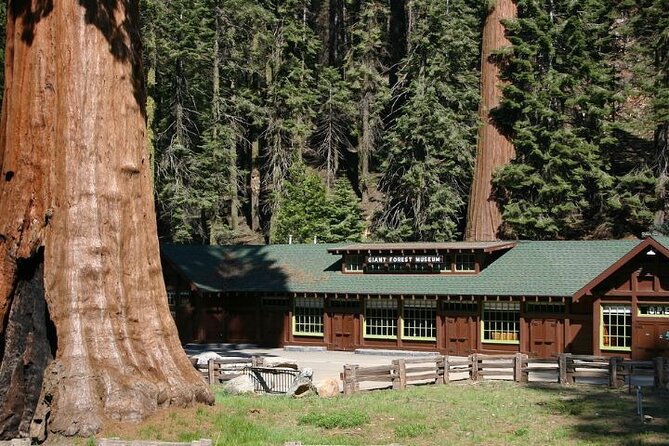
The Giant Forest Museum is a strong first “orientation” stop. It’s in an historic market building, and the displays help explain the story of giant sequoias. From here, short trails with interpretive signage branch out, so you can turn your audio listening into a bit of easy walking.
Even if you already know the basics, this stop helps you connect the dots. The audio later makes more sense when you’ve seen how the park explains the trees.
Hospital Rock: Ancient Bedrock Mortars and Pictographs
Hospital Rock brings a different kind of awe. You’ll hear about archaeological evidence showing how different Native American groups lived in and used the area going back to the 14th century. The modern name traces to settler incidents treated there by the then-resident Monache band, including a gunshot wound from a trapping accident.
What makes this stop worth your time is the contrast. You’re standing on the same ground where modern names came from, but the artwork and stonework point to a much longer story. If you like history that feels grounded, this is a highlight.
Moro Rock Trail: 350 Steps to the Great Western Divide
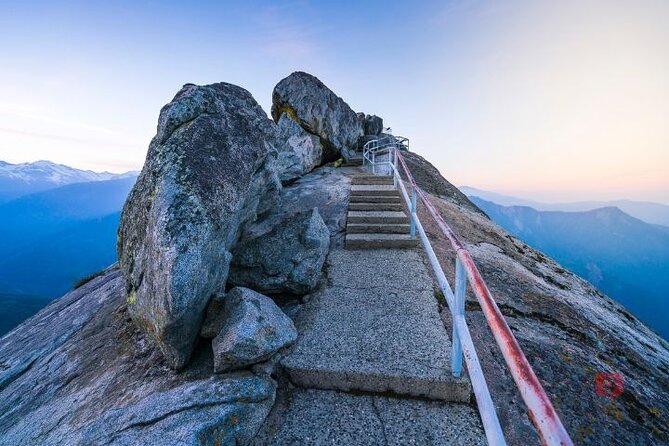
Moro Rock is a granite dome you can climb using a 350-step staircase. The payoff is a panoramic view, including the Great Western Divide of the Sierra Nevada, plus foothills and the San Joaquin Valley.
This is one of the “do it if your legs are working” stops. If your group has limited hiking stamina, you might still enjoy the drive and surrounding views, but the best viewpoint is tied to the climb described here.
Tree Tunnel: Driving Through a Naturally Fallen Giant
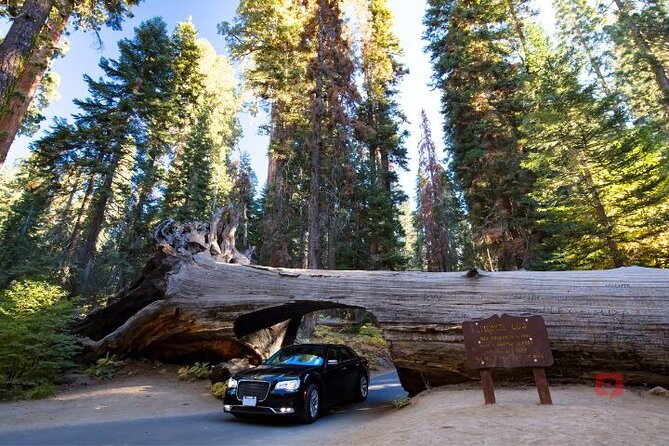
Unlike tunnel-though-a-tree spots where people might worry about a living tree being cut for fun, this one was carved through a giant sequoia that had already fallen naturally. The park managers used it to help visitors understand the sequoias’ scale and keep the road passable.
Practical detail matters here: the information notes a bypass option if your vehicle is too large. So don’t panic if the tunnel isn’t for your car; the tour accounts for that.
Big Stump Grove: A Tree Graveyard That Teaches Conservation
Big Stump Grove can feel sad at first—decay and fallen giants instead of living giants towering overhead. But the audio frames it as learning, not loss.
You’ll hear how scientists study how these big trees decay and how regrowth might happen. The biggest stump mentioned is the Mark Twain tree, measuring about 14 feet in diameter, described as possibly one of the biggest sequoias ever.
If you want a conservation lesson without a lecture voice, this is where it lands.
Cedar Grove Lodge: The Park’s Last Services Hub
Cedar Grove is the deeper-park area where you find last available services, including a campgrounds, a market, and a basic lodge. The audio also connects you to nearby hikes with different lengths and difficulty.
This stop is less about a single “wow” photo and more about comfort. When you’re far from the front country, having a place to grab supplies and stretch matters.
General Grant Tree: A Giant Grove With Easy Parking
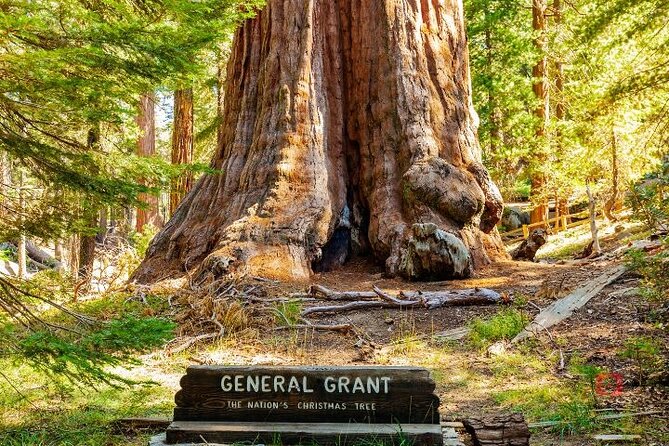
General Grant Tree is close to Grant Village and the Kings Canyon Visitor Center. The narration emphasizes that the parking area is conveniently located, making this giant tree easier to reach than the walk-intensive stops.
The story here is tied to protection from logging and how that push helped lead to the creation of Kings Canyon National Park. If you like history that connects directly to what you’re seeing, this stop is solid.
Panoramic Point: A Short Walk to Open-Air Views
Panoramic Point lives up to its name. The tour notes an access road opposite the turn for the General Grant Grove, and that you need only a short hike to access the best views.
This is a good “legs-light” option if you already did a bigger walk earlier. You still get Sierra and canyon views, but you’re not committing to another long trek.
Roaring River Falls: Paved Trail to a Thunderous Melt
Roaring River Falls is reached by about a half-mile paved trail. During late spring runoff, the roar gets very thunderous as snowmelt surges.
The audio also notes that more serious hikers can continue on to Mist Falls, described as one of the biggest in the park. If your group is mixed, you can do the paved portion now and decide later whether the extra route fits.
Zumwalt Meadows: Flat, Scenic, and Wildlife-Friendly (Time It Right)
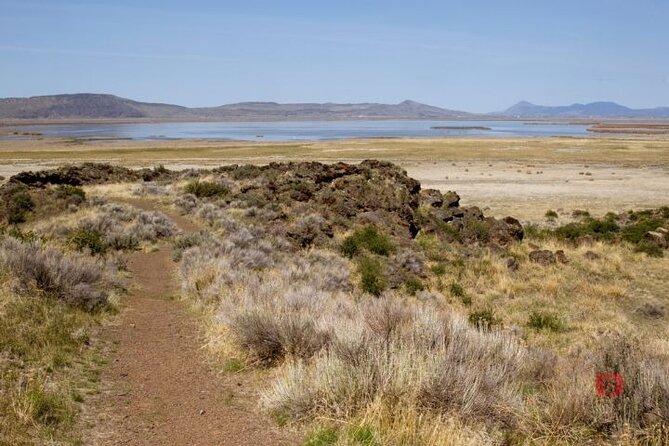
Zumwalt Meadows is described as the best pick among the relatively easy Cedar Grove hikes. The trail is relatively flat and extremely scenic, and it’s a strong area for spotting wildlife.
One detail I’d treat as a rule: wildlife activity tends to be lower during the hottest parts of the day. So if you can, plan this for earlier or later rather than midday.
You’ll also hear that the meadows are the remains of an old lake bed. That helps you picture the terrain as something shaped over time, not just a random open patch.
What the Best Parts Feel Like in Real Life
The most praised aspect across feedback is how useful the narration is. The stories don’t just repeat signage—they explain what you’re looking at and why it matters, and the tone is often described as entertaining and funny without losing the facts.
The second big win is ease of use: the app setup and the GPS syncing appear to work well when you’ve downloaded the tour ahead of time. Many comments highlight accurate GPS and the way the guide stays aligned with your location, which matters when you’re trying to decide where to park next.
Finally, this type of private group feeling gets attention. Since it’s just your group in the vehicle, you’re not waiting on anyone or rushing because a schedule demands it. That’s especially helpful when your day has mobility needs or mixed energy levels, since you can stop where it works for your pace.
Small Drawbacks You Should Plan For
The biggest consideration is also the most straightforward: the tour depends on downloading and app readiness ahead of time. If your phone can’t access the tour files when you need them, you can’t hear the narration in the moment.
Second, some stops have real physical demands:
- General Sherman includes a half-mile walk.
- Moro Rock uses a 350-step staircase.
- Roaring River Falls has a paved walk, but it still takes time.
You can still enjoy the drive even if you skip one or two active stops. The route is flexible by design, so you don’t need to force every highlight into one day.
And one more practical point: winding roads and long day driving are part of the deal in these parks. Build in time for parking and bathroom breaks, especially if you’re doing both the Sequoia and Kings Canyon sides in one outing.
Should You Book This Self-Guided Audio Driving Tour?
Book it if:
- you want GPS-triggered narration so you don’t miss context
- you’re driving with 2–8 people and want strong value per vehicle
- you prefer flexible timing over crowded group schedules
- you want an easy way to learn science and history without relying on reading every sign
Skip or rethink it if:
- you’re likely to enter the park without a reliable plan to download the audio first
- your group can’t handle at least some walking and stair climbing (General Sherman and Moro Rock are the big ones)
If you’re aiming for a big-tree day that feels organized but still free, this is a smart way to spend $24.99 per group and turn a long drive into something you’ll remember.
FAQ
Do I need Wi-Fi or cell service while driving?
No. The tour is designed to work offline after you pre-download it in the GuideAlong app. Once downloaded, you don’t need data or Wi-Fi to hear the location-based stories.
How long does the self-guided driving tour take?
It’s listed as about 8 hours to 1 day, depending on how long you stop at each point and how much walking you do.
Is this audio tour per person or per vehicle?
It’s priced per group for up to 8 people. One purchase covers everyone in your vehicle.
Do I need a national park pass?
Park entry passes are not included. The info notes optional National Park Passes at $35 per vehicle (with variation based on details like length of stay and group factors).
Are all stops included in the price?
Most stops are part of the audio tour, but the information labels some stop admissions as not included. The Giant Forest Museum, Hospital Rock, Moro Rock, Cedar Grove Lodge, and other points may involve separate park access or fees depending on the rules on site.
Can I start and stop the tour whenever I want?
Yes. Commentary plays automatically based on your GPS location, so you can start and resume along the route at your chosen times.
What language is the audio tour offered in?
The tour is offered in English.